






Why Do Elephants Flap Their Ears? The Real Reason
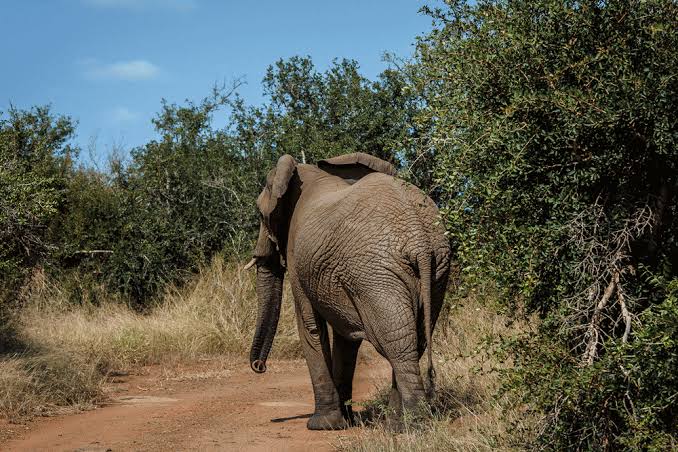
An elephant’s enormous ears serve a genuinely vital cooling function, acting as natural radiators that help regulate body temperature across East Africa’s often intense heat, making ear-flapping one of the more scientifically fascinating pieces of everyday elephant behaviour visible on almost any game drive.
The Real Function Behind Ear-Flapping
Elephant ears are genuinely packed with a dense network of blood vessels running close to the skin’s surface, and flapping the ears increases airflow across this vascular network, helping dissipate heat and cool the blood before it circulates back through the body. This cooling mechanism is considerably more significant than many visitors initially realise, given how central it is to managing an elephant’s substantial body mass in hot climates.
Why Elephants Need Such an Effective Cooling System
An elephant’s genuinely enormous body mass generates considerable internal heat, and unlike smaller mammals that can rely more heavily on sweating or panting, elephants lack sweat glands across most of their body, making ear-based cooling a genuinely critical thermoregulation strategy rather than simply one option among several.
African vs Asian Elephant Ear Size
African elephants carry genuinely larger ears than their Asian relatives, an adaptation directly linked to Africa’s typically hotter climate and the correspondingly greater cooling demand African elephants face compared to Asian elephants living in generally cooler, more forested habitat. This ear size difference is one of several genuine physical distinctions between the two elephant species.
Ear Flapping as More Than Just Cooling
Beyond thermoregulation, ear movement also serves genuine communication functions, with spread ears signalling alertness or a potential warning display, while relaxed, gently flapping ears typically indicate a calm, unthreatened state. Guides genuinely read ear position alongside other body language cues to assess an elephant’s mood during a sighting.
Why Elephants Seek Shade and Water Alongside Ear-Flapping
Ear-flapping works alongside other cooling behaviours, including seeking shade during the hottest midday hours, wallowing in mud or water, and dust-bathing, which coats the skin in a protective layer that helps reflect sunlight and deter biting insects. These combined strategies reflect just how much of an elephant’s daily routine revolves around genuine temperature management.
Where to Observe Elephant Cooling Behaviour
Elephant ear-flapping and wider cooling behaviour can genuinely be observed across East Africa’s major elephant destinations, including Amboseli, the Serengeti, and Murchison Falls, particularly during the hottest hours of the day when the behaviour is most pronounced.
Best Time of Day to See Ear-Flapping Behaviour
Ear-flapping is genuinely most visible during the hottest midday hours, when temperature regulation becomes most critical, though it can be observed to some degree throughout the day. See our regional best-time guide for how East Africa’s broader seasonal patterns affect wider game viewing.
Ear Vein Patterns Are Genuinely Unique to Each Elephant
Similar to a human fingerprint, each elephant’s ear vein pattern is genuinely unique, allowing researchers to identify and track individual animals across years of field study without requiring physical tagging, a non-invasive research method that has genuinely advanced elephant behavioural and population studies across East Africa.
Photographing Elephant Ear Behaviour
Capturing an elephant’s ears fully spread, particularly backlit against strong sunlight highlighting the vein pattern, offers a genuinely striking photographic opportunity distinct from a standard elephant portrait. A mid-range zoom covers most sightings comfortably, similar to the gear recommended in our camera gear guide.
What to Pack for Elephant-Focused Game Drives
Standard game drive gear – neutral clothing, sun protection, and binoculars – covers most of what elephant viewing requires. If your wider itinerary includes gorilla trekking, our gorilla trekking packing list covers that portion separately.
Why This Detail Enhances a Standard Elephant Sighting
Understanding the genuine cooling function behind ear-flapping transforms a routine elephant sighting into a considerably more scientifically engaging encounter, particularly for travelers who appreciate learning the biological reasoning behind familiar wildlife behaviour they might otherwise simply photograph without deeper context.
How Researchers Measured the Cooling Effect
Scientists studying elephant thermoregulation have used infrared thermal imaging to genuinely confirm that ear surface temperature drops measurably after a period of active flapping, providing direct visual evidence of blood being cooled as it passes through the ear’s dense vascular network before recirculating through the rest of the body.
Why Ear Size Varies Even Within African Elephant Populations
Interestingly, elephants living in genuinely hotter, more arid regions of Africa tend to display somewhat larger ears relative to body size compared to populations in cooler, higher-altitude areas, a pattern that reinforces just how directly ear size correlates with regional cooling demand rather than being a fixed trait across the entire species.
The Genuine Difference Between Flapping and Spreading
Guides distinguish between rhythmic, repeated ear flapping, primarily a cooling behaviour, and a sudden, full ear spread combined with a raised head, which genuinely signals alertness or a defensive warning display rather than temperature regulation. Learning to distinguish these two behaviours helps travelers better interpret an elephant’s actual state during a sighting.
Why Bull Elephants in Musth Display Ears Differently
Male elephants entering musth, a periodic state of heightened hormonal activity, often display genuinely more assertive ear positioning alongside other behavioural changes, adding another layer of context guides use when assessing how to safely approach and position a vehicle around a specific individual.
Comparing Elephant Cooling Strategies to Other African Megafauna
Unlike rhino, which rely primarily on mud wallowing for cooling given their comparatively smaller ears, elephants’ genuinely oversized ears give them a uniquely effective built-in radiator system unmatched by almost any other African megafauna, reflecting a distinct evolutionary solution to a shared thermoregulation challenge.
Ear Damage and What It Reveals About Individual Elephants
Many older elephants display genuinely visible ear damage, including tears, notches, and holes accumulated over decades of life, often used by researchers alongside vein pattern analysis to identify specific long-term study animals across a population, adding a genuinely personal, individual dimension to elephant research beyond simple population counts.
How Guides Use Ear Behaviour to Guide Vehicle Positioning
Experienced guides continuously read ear position and movement when approaching elephant herds, using early warning signs like a sudden full spread to maintain appropriate distance and avoid escalating tension, a practical safety application of understanding this genuinely important behavioural signal.
Combining This Knowledge With Elephant Communication
Ear behaviour works alongside elephant vocal and seismic communication, together forming a genuinely comprehensive signalling system that allows herds to coordinate movement, express mood, and manage their considerable physiological cooling needs simultaneously, all through observable behaviour patterns worth understanding as a connected whole.
Why This Detail Genuinely Enriches a Longer Safari
Travelers who spend extended time watching a single elephant herd, rather than moving quickly between sightings, often notice genuinely subtle variations in ear behaviour that reveal considerably more about individual temperament and social dynamics than a brief passing glance could ever capture.
How Calves Learn Ear-Based Behaviour
Young elephant calves gradually develop the coordination and understanding needed to use ear-flapping effectively, initially displaying somewhat clumsier, less purposeful movement before learning through observation of adult herd members how to properly time cooling behaviour and interpret the warning displays used by more experienced elephants around them.
Why Ears Matter Even During Rest
Even while resting or standing still, elephants continue subtle, near-constant ear movement, a genuinely low-level, ongoing cooling behaviour that persists throughout the day rather than being reserved specifically for periods of active movement or exertion, reflecting how continuously important thermoregulation remains to overall elephant welfare.
A Genuinely Simple Behaviour Worth a Closer Look
What might initially seem like a purely idle gesture is genuinely one of the more physiologically important behaviours an elephant performs daily, a reminder that even the most familiar wildlife sightings often carry considerably more scientific depth than a first glance reveals.
Getting to East Africa’s Best Elephant Destinations
Most itineraries reach major elephant destinations via road or scheduled flight from regional hubs, with genuinely large resident herds offering the best overall odds of observing this cooling behaviour up close during a standard game drive.
Frequently Asked Questions
Why do elephants flap their ears?
Primarily for cooling – increased blood vessel airflow helps dissipate heat, a genuinely critical thermoregulation strategy given elephants’ limited sweating ability.
Why are African elephant ears larger than Asian elephant ears?
Africa’s typically hotter climate creates greater cooling demand, driving the evolution of genuinely larger ears in African elephants.
Does ear position also communicate mood?
Yes, genuinely so – spread ears can signal alertness or warning, while relaxed flapping typically indicates a calm state.
When is ear-flapping most visible?
During the hottest midday hours, when temperature regulation becomes most critical for the animal.
Can researchers identify elephants by their ears?
Yes, genuinely so – each elephant’s ear vein pattern is unique, allowing non-invasive individual identification for research purposes.
Ready to Plan Your East Africa Safari?
Whether observing elephant behaviour firsthand, the Big Five, or a full East Africa itinerary is your priority, our team can build a trip matched to your interests. Get in touch with our team below today and let’s start planning your complete safari itinerary together.







No comment