
Vervet Monkeys of Lake Mburo National Park
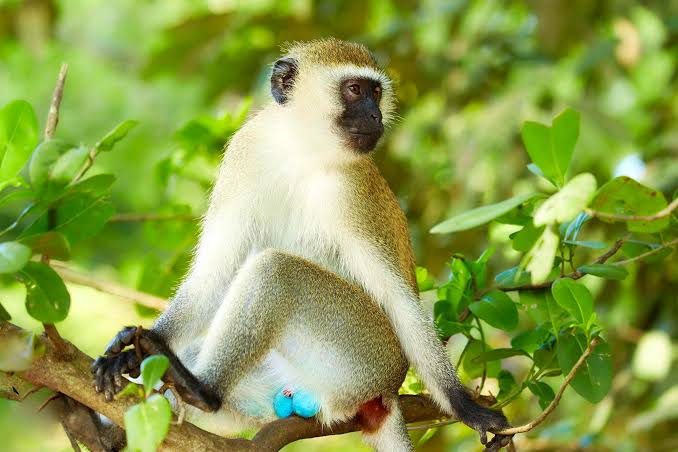
Vervet monkeys move through Lake Mburo National Park’s acacia woodland in genuinely lively, constantly active troops, their distinctive black face and greyish coat making them one of the park’s most consistently visible primates, often seen darting between trees during a standard game drive.
Identifying Vervet Monkeys
Vervet monkeys carry a genuinely distinctive black face framed by white fur, a greyish-olive coat, and, in males, a genuinely vivid blue-tinted scrotum used as a visual signal of dominance and reproductive status within the troop. This combination of features makes vervets straightforward to identify even for visitors with limited prior primate-watching experience.
Where to Find Vervet Monkeys in Lake Mburo
Vervet monkeys range throughout Lake Mburo’s acacia woodland and forest fringe habitat, often seen moving through trees along the park’s main roads or foraging on the ground beneath scattered acacia cover. Their genuinely bold, confident behaviour around vehicles makes sightings here reliably frequent throughout a standard game drive.
Vervet Monkey Social Structure and Troop Dynamics
Vervet monkeys live in genuinely complex, hierarchical troops involving multiple males and females, with a clear dominance structure shaping feeding order, grooming relationships, and access to preferred resting spots. This social complexity, involving shifting alliances and occasional conflict, gives vervet troops a genuine behavioural richness that genuinely rewards closer, patient observation.
Vervet Monkey Alarm Calls: A Genuinely Sophisticated System
Vervet monkeys are famous among primatologists for using genuinely distinct alarm calls for different predator types, with separate, recognisably different vocalisations for eagles, snakes, and leopards, each triggering a specific, appropriate escape response from other troop members. This call system represents one of the more scientifically studied examples of referential communication documented in any non-human primate species.
Vervet Monkey Diet and Feeding Behaviour
Vervet monkeys are genuinely opportunistic omnivores, feeding on fruit, leaves, seeds, insects, and occasionally small vertebrates, a dietary flexibility that allows troops to thrive across Lake Mburo’s varied habitat. Visitors should never feed vervet monkeys, given how quickly troops can become habituated to human food in ways that create genuine ongoing behavioural problems.
Vervet Monkeys and Lake Mburo’s Wider Wildlife
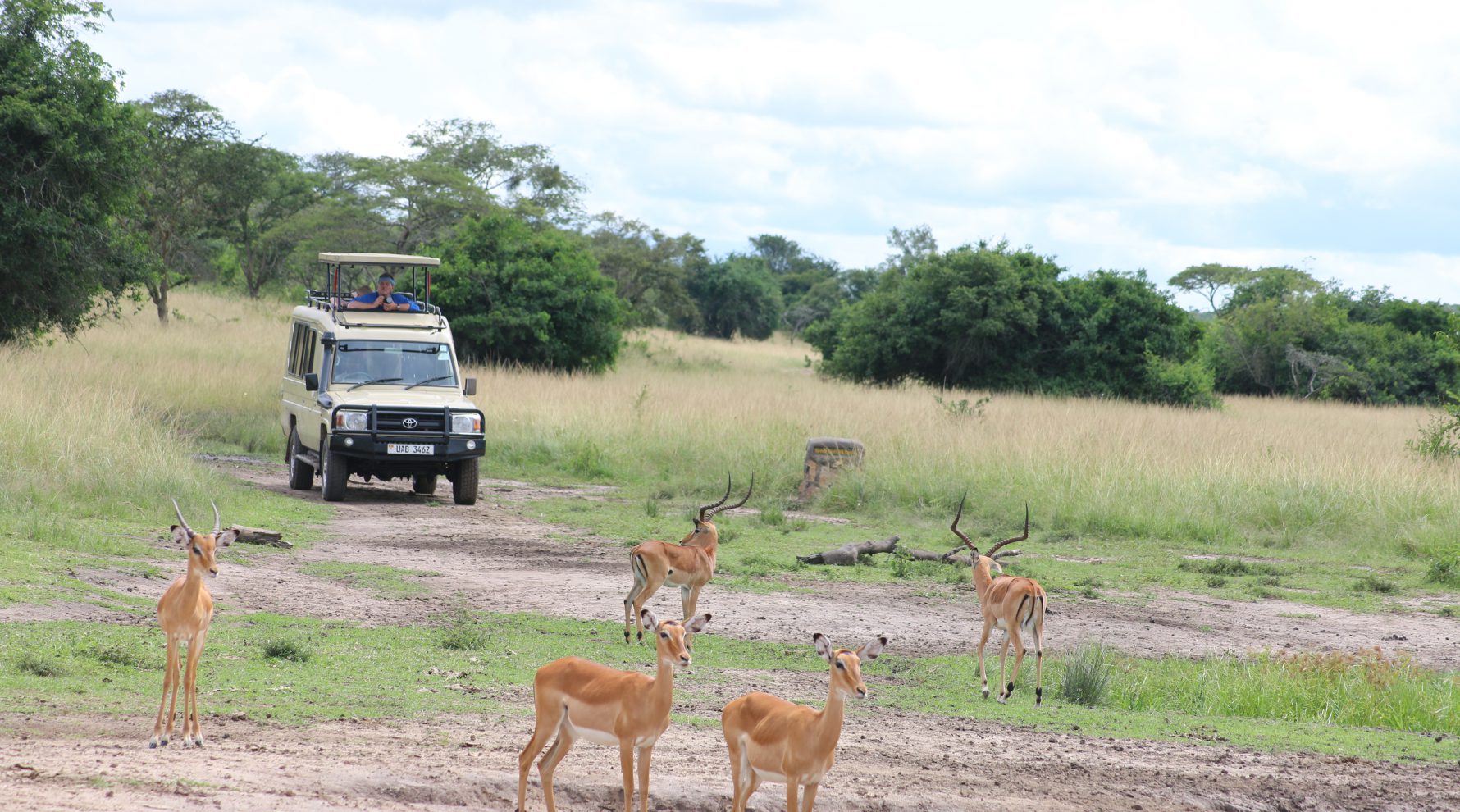
Vervet monkeys share their acacia woodland habitat with the park’s giraffe and impala populations, occasionally offering visitors the chance to observe multiple species within a single, compact stretch of woodland during one game drive.
Best Time of Year for Vervet Monkey Sightings
Vervet monkeys are visible in Lake Mburo year-round given their resident status, making seasonal timing genuinely less critical than for many other Uganda wildlife sightings. See our Uganda best-time guide for how the country’s broader dry and wet seasons still affect wider trip planning.
Self-Drive vs Guided Safaris for Vervet Monkey Viewing
Vervet monkeys are among the most straightforward Lake Mburo species to locate given their genuinely bold behaviour and frequent presence along main park roads, though a guided safari still adds real value in interpreting troop social dynamics. Most visitors combine a guided game drive with the park’s unique walking safari or boat cruise options.
Photographing Lake Mburo’s Vervet Monkeys
Vervet troops offer genuinely dynamic, behaviourally rich photographic opportunities, particularly grooming interactions and playful young monkeys, distinct from the more static poses typical of larger, less socially complex mammals. A mid-range zoom covers most sightings comfortably, similar to the gear recommended in our camera gear guide.
What to Pack for a Lake Mburo Safari
Standard game drive gear – neutral clothing, sun protection, and binoculars – covers most of what the park requires, and comfortable walking shoes are worth packing given the park’s unique walking safari option. If your wider itinerary includes gorilla trekking, our gorilla trekking packing list covers that portion separately.
Vervet Monkey Alarm Calls in Practice
Guides familiar with vervet vocalisations can sometimes use a troop’s specific alarm call as a genuinely useful indicator of nearby predator activity, whether an eagle overhead or a leopard moving through nearby cover, adding an interpretive layer to what might otherwise seem like routine monkey chatter.
Combining Vervet Monkey Viewing With Gorilla Trekking
Given its position en route to Bwindi, Lake Mburo pairs naturally with gorilla trekking, letting travelers break up the long drive south with a genuinely worthwhile wildlife stop rather than treating the journey as pure transit time.
Getting to Lake Mburo National Park
Lake Mburo sits conveniently along the main road between Kampala and Bwindi Impenetrable National Park, roughly three to four hours from the capital, making it a genuinely natural, convenient stopover for travelers heading toward gorilla trekking rather than a dedicated separate trip entirely.
Grooming and Social Bonding Within Troops
Grooming plays a genuinely central role in vervet troop life, serving not just a hygienic function but reinforcing social bonds and alliances between individuals, with higher-ranking troop members generally receiving more grooming attention than lower-ranking ones. Watching a grooming session unfold offers a genuinely compelling window into the complex social politics underlying troop life at Lake Mburo.
Infant Care and Cooperative Troop Behaviour
Vervet infants are carried closely by their mothers for the first weeks of life, and other troop members, particularly related females, often participate in cooperative infant care and protection. This communal support structure genuinely improves infant survival odds within the troop, reflecting vervets’ broader reputation as one of Africa’s more socially sophisticated smaller primate species.
Male Dominance Hierarchies
Male vervets compete for dominance rank through a combination of physical size, fighting ability, and genuinely strategic alliance-building with other males and influential females within the troop, with rank directly affecting access to mating opportunities and preferred feeding areas. These dominance hierarchies are genuinely fluid, shifting periodically as younger, stronger males challenge established leaders.
Why Vervets Thrive Alongside Lake Mburo’s Larger Wildlife
Vervet monkeys benefit from Lake Mburo’s notable absence of larger predators like lion, facing genuinely reduced predation pressure compared to populations in Uganda’s bigger parks, though leopard and occasional raptor activity still present real risk, particularly to young or unwary individuals.
Comparing Vervet Monkeys to Lake Mburo’s Baboon Population
While both vervet and baboon species share broadly similar social structures, vervets are considerably smaller and generally more arboreal, spending more time in trees than baboon troops typically do, giving the two species a genuinely quite different visual and behavioural character overall despite their superficial similarities.
Vervet Monkeys and Uganda’s Wider Primate Diversity
Beyond Lake Mburo, vervet monkeys occur across much of Uganda’s savannah and woodland habitat, complementing the country’s forest primate diversity found further west, giving travelers genuine variety across primate species during a longer Uganda circuit.
Best Lodges for Vervet Monkey and Wider Wildlife Viewing
Properties positioned near the park’s main game-viewing circuit genuinely simplify logistics for travelers specifically prioritising vervet monkey and wider woodland wildlife viewing, cutting down on drive time before and after game drives. Discussing current troop activity directly with your operator, alongside the park’s zebra activity, is genuinely worth doing before finalising your complete Lake Mburo itinerary.
Why First-Time Visitors Are Often Surprised by Vervet Behaviour
Many travelers arrive expecting a fairly passive primate sighting and are genuinely surprised by how active, vocal, and socially dynamic a vervet troop actually is up close, with constant grooming, play, and occasional squabbling offering considerably more entertainment value than a brief glance from a passing vehicle typically suggests.
Combining Vervet Viewing With a Wider Uganda Circuit
Beyond its role as a stopover en route to Bwindi, Lake Mburo also works as part of a longer circuit including Murchison Falls or Kibale’s chimp trekking, giving travelers a genuinely varied Uganda experience spanning primate diversity, Big Five wildlife, and forest primates within a single well-planned trip.
Vervet Vocalisations Beyond Alarm Calls
Beyond their famous predator-specific alarm calls, vervets use a genuinely wide range of other vocalisations for general social communication, including genuine contact calls that help maintain overall troop cohesion while individual members forage across dispersed terrain within the wider surrounding woodland habitat.
Frequently Asked Questions
How can I identify a vervet monkey?
Look for a distinctive black face framed by white fur and a greyish-olive coat, genuinely straightforward to identify even for beginners.
Why are vervet alarm calls scientifically significant?
They use genuinely distinct calls for different predator types, one of the more studied examples of referential communication in any primate.
Should I feed vervet monkeys?
No, genuinely never – troops can quickly become habituated to human food, creating ongoing behavioural problems for both monkeys and visitors.
What’s the best time of year to see vervet monkeys in Lake Mburo?
Year-round given their resident status, making seasonal timing genuinely less critical than for other Uganda wildlife.
Is Lake Mburo worth visiting on the way to gorilla trekking?
Genuinely yes – its position directly on the route to Bwindi makes it an efficient, worthwhile stop rather than a detour.
Ready to Plan Your Lake Mburo Safari?
Whether the park’s lively vervet troops, its giraffe and impala populations, or a stop en route to gorilla trekking is your priority, our team can build an itinerary matched to your interests. Get in touch with our team below today and let’s start planning your complete Uganda safari itinerary together.

No comment