
Meru National Park: A Complete Guide
Meru National Park, made internationally famous by Joy Adamson’s “Born Free” story of Elsa the lioness, offers genuinely lush, riverine landscape and a strong Big Five population within one of Kenya’s more remote, considerably less-visited protected areas compared to the country’s better-known Mara and Amboseli circuits.
Meru’s Connection to “Born Free”
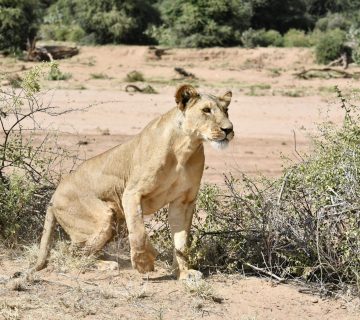
Meru is where George and Joy Adamson raised and eventually released Elsa the lioness, a story that became the internationally celebrated book and film “Born Free,” giving the park genuine cultural significance within global conservation history beyond its wildlife alone. This literary and cinematic connection remains a meaningful draw for travelers interested in the deeper history behind East African wildlife conservation.
Meru’s Genuinely Distinctive Landscape
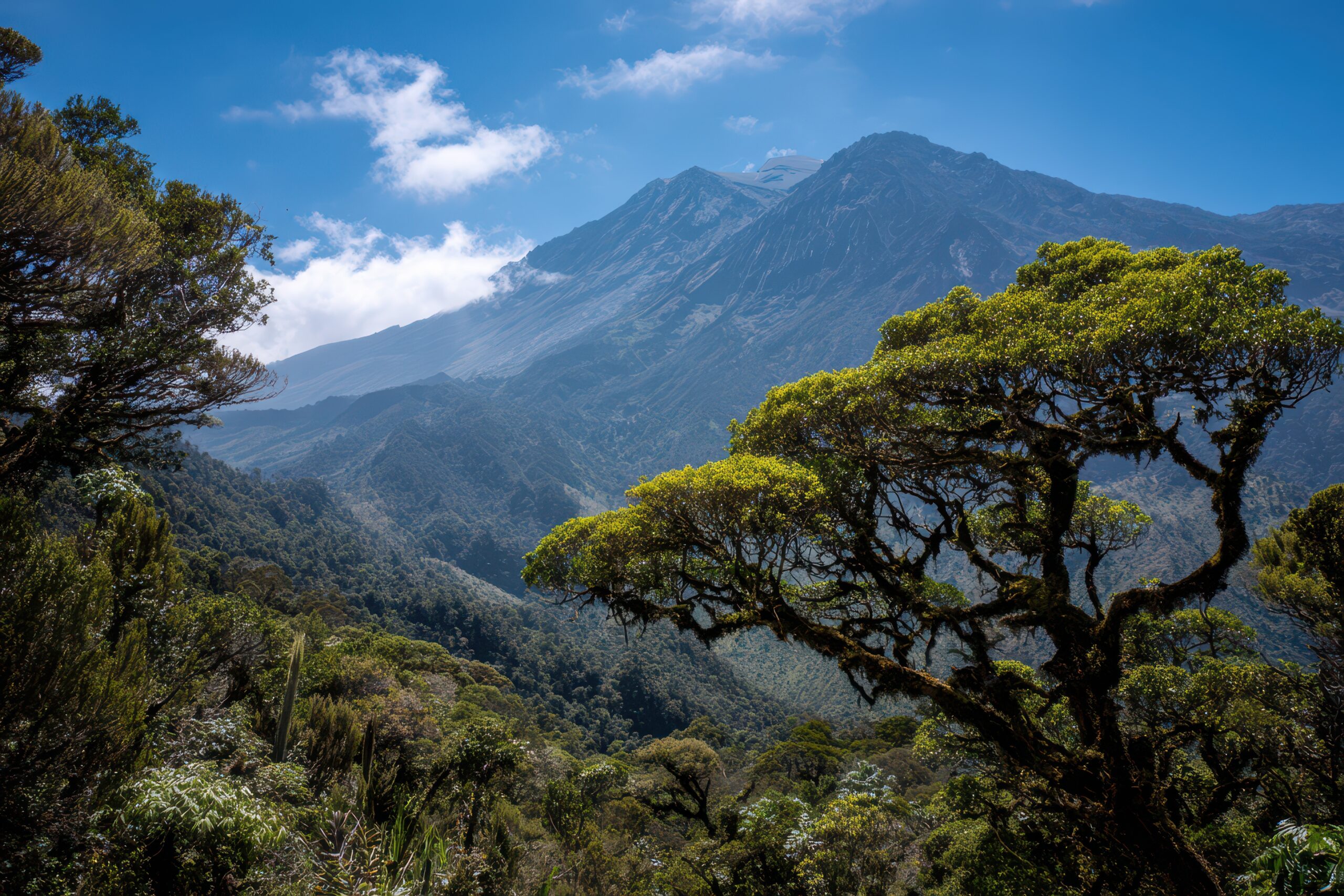
Unlike the drier, more open plains typical of Kenya’s better-known parks, Meru features genuinely lush, well-watered terrain crossed by numerous rivers and streams, supporting denser vegetation and a correspondingly different wildlife-viewing experience from the Mara or Amboseli. This distinctive, greener landscape is part of what makes Meru genuinely worth the extra remoteness for travelers seeking something different from Kenya’s standard circuit.
Meru’s Big Five Wildlife
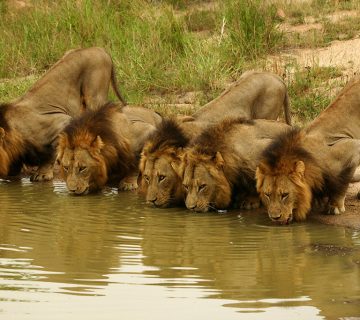
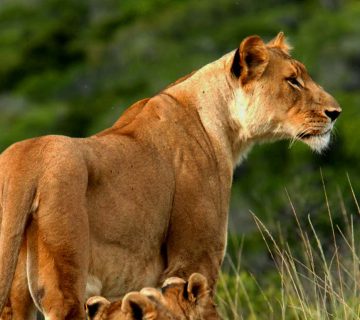
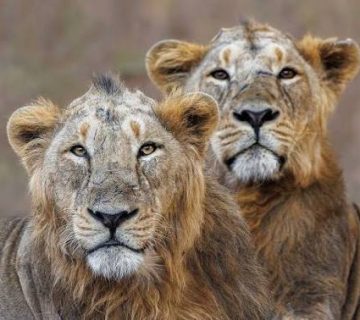
Meru supports healthy populations of elephant, buffalo, lion, and leopard, alongside a rhino sanctuary protecting both black and white rhino within a dedicated fenced area of the park. This combination gives Meru a genuinely realistic full Big Five opportunity, though the park’s overall lower visitor numbers mean sightings can require somewhat more patience than in Kenya’s more heavily visited destinations.
Why Meru Remains Genuinely Less Visited
Meru’s relative remoteness from Nairobi and the standard Mara-Amboseli circuit has kept visitor numbers considerably lower than Kenya’s better-known parks, a genuine advantage for travelers specifically seeking a quieter, less crowded safari experience away from the more congested viewing typical of peak-season Mara game drives.
Rivers and Water-Based Wildlife Viewing
Meru’s numerous rivers, including the Tana River forming part of the park’s boundary, support genuinely strong hippo and crocodile populations alongside the riverine forest habitat that distinguishes Meru from Kenya’s drier savannah parks. This water-rich landscape adds real variety to a standard game drive circuit within a single park.
Best Time of Year to Visit Meru
Meru offers genuinely rewarding wildlife viewing year-round given its resident Big Five populations, though the dry season, roughly June to October and January to February, offers somewhat easier visibility as vegetation thins. See our regional best-time guide for how East Africa’s broader seasonal patterns still affect wider trip planning.
Self-Drive vs Guided Safaris in Meru
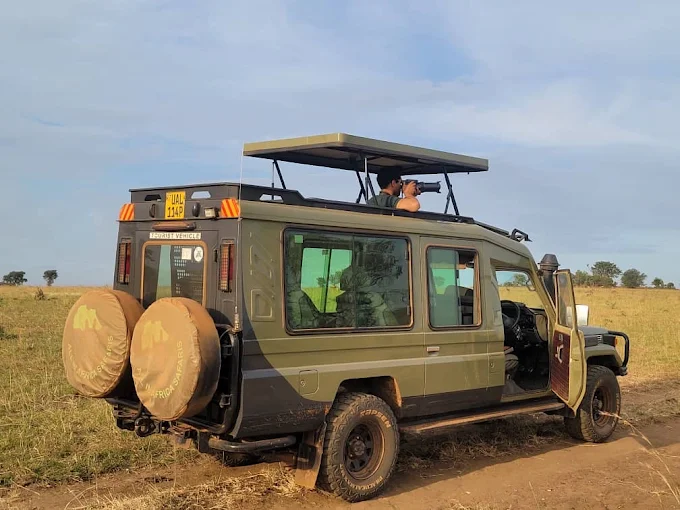
Given Meru’s genuine remoteness and less-developed road network compared to Kenya’s more heavily visited parks, a guided safari adds real value in navigation and locating current wildlife activity across the park’s considerably larger, less crowded overall area. Most visitors combine Meru with a wider guided Kenya itinerary rather than a dedicated self-drive visit.
Photographing Meru’s Landscape and Wildlife
Meru’s genuinely lush, riverine scenery offers photographic opportunities distinct from Kenya’s drier savannah parks, particularly wildlife framed against denser vegetation and flowing water rather than the open plains typical of the Mara. A mid-range zoom covers most sightings comfortably, similar to the gear recommended in our camera gear guide.
What to Pack for a Meru Safari
Standard game drive gear – neutral clothing, sun protection, and binoculars – covers most of what the park requires. If your wider itinerary includes gorilla trekking, our gorilla trekking packing list covers that portion separately.
Meru’s Rhino Sanctuary
Within Meru’s boundaries, a dedicated, closely protected rhino sanctuary safeguards both black and white rhino populations, adding a genuinely significant conservation dimension to the park comparable to Ol Pejeta’s rhino protection work further west, though within Meru’s own distinctive riverine landscape rather than Laikipia’s drier central Kenya terrain.
Combining Meru With a Wider Kenya Circuit
Meru is commonly combined with other central and northern Kenya destinations, giving travelers genuine variety across Kenya’s less-visited northern circuit within a single well-planned trip beyond the standard Mara-Amboseli route.
Getting to Meru National Park
Meru sits within a genuinely longer drive from Nairobi than Kenya’s more accessible parks, roughly five to six hours by road, or a shorter scheduled flight, making scheduled air access genuinely the more practical, time-efficient choice for travelers working with limited overall trip time.
The Real Story Behind Elsa the Lioness
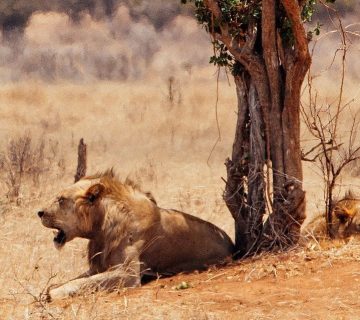
Joy Adamson’s account of raising Elsa from an orphaned cub through to successful release back into the wild at Meru captured genuine global attention in the 1960s, sparking widespread public interest in wildlife conservation at a formative period for the modern conservation movement across Africa. Traces of this history remain part of Meru’s identity today, adding a genuinely meaningful historical layer for travelers who grew up with the story.
Meru’s Elephant Population
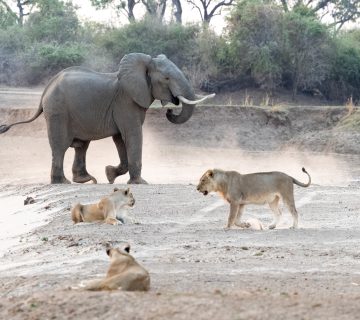
Meru’s elephant herds move through the park’s genuinely varied terrain, from riverine forest to open grassland, taking advantage of the abundant water sources that distinguish Meru from Kenya’s drier parks. This water availability supports genuinely consistent elephant presence throughout the year, unlike more seasonally dependent populations elsewhere.
Birdlife Within Meru’s Riverine Habitat
Meru’s lush, well-watered landscape supports a genuinely impressive bird list, with riverine forest and wetland habitat hosting species less commonly seen in Kenya’s drier savannah parks, making Meru a rewarding stop for travelers with a birding interest alongside standard Big Five game viewing.
Why Meru Suits Travelers Seeking an Off-the-Beaten-Path Experience
Travelers who’ve already experienced the Masai Mara or Amboseli on a previous Kenya trip often specifically seek out Meru for its genuinely different character, quieter game drives, and lower visitor density, appreciating the contrast against Kenya’s more established, occasionally crowded standard circuit.
Meru’s Diverse Antelope Population
Beyond the Big Five, Meru supports a genuinely varied antelope population including species suited to its riverine and woodland habitat, adding wildlife diversity beyond the headline predator and elephant sightings most visitors prioritise. This variety rewards travelers willing to slow down and appreciate Meru’s fuller ecological picture.
Comparing Meru to Kenya’s Better-Known Parks
While the Masai Mara and Amboseli offer considerably higher wildlife density and more predictable sightings, Meru trades some of that reliability for genuine tranquility and landscape diversity, a trade-off many repeat Kenya visitors find genuinely worthwhile for a second or third safari to the country.
Best Lodges and Camps in Meru
Properties positioned along Meru’s riverine corridors genuinely simplify logistics for travelers specifically prioritising water-based wildlife viewing and the park’s distinctive lush scenery, cutting down on drive time before and after game drives. Discussing lodge location directly with your operator, alongside current information on Big Five activity, is genuinely worth doing before finalising your complete Meru itinerary.
Meru’s Conservation History and Recovery
Like much of Kenya, Meru faced significant poaching pressure during past decades, and today’s genuinely recovering wildlife populations reflect sustained conservation investment and anti-poaching effort that has helped restore the park’s Big Five populations to their current healthy levels. This recovery story adds genuine depth to a Meru visit beyond its “Born Free” literary connection alone.
What to Expect on a Typical Meru Game Drive
A standard Meru game drive genuinely combines open grassland viewing with denser riverine forest exploration within a single circuit, offering more habitat variety across a single day than many of Kenya’s more uniformly open savannah parks typically provide travelers.
Why Meru Suits a Second Kenya Safari
Travelers returning to Kenya for a second or third visit often specifically request Meru given how genuinely different the experience feels from a standard first-time Mara-focused itinerary, offering genuinely fresh, distinctive landscape and a considerably quieter overall pace without sacrificing the country’s core Big Five wildlife appeal that first drew them to Kenya originally.
Combining Meru With Central Kenya’s Wider Appeal
Beyond wildlife, Meru’s surrounding region offers genuinely scenic central Kenya countryside worth appreciating during transit, adding a genuinely pleasant, worthwhile travel dimension to the overall journey itself rather than treating the long drive purely as unavoidable transit time between destinations.
Frequently Asked Questions
Is Meru the park from “Born Free”?
Yes, genuinely so – it’s where George and Joy Adamson raised and released Elsa the lioness, the story behind the celebrated book and film.
Can I see the full Big Five at Meru?
Yes, the park supports healthy elephant, buffalo, lion, and leopard populations alongside a dedicated rhino sanctuary within its boundaries.
Why is Meru less visited than the Masai Mara?
Its relative remoteness from Nairobi’s standard circuit has kept visitor numbers considerably lower, a genuine advantage for travelers seeking quieter game drives.
What makes Meru’s landscape distinctive?
Its genuinely lush, riverine terrain crossed by numerous rivers offers a considerably greener, different landscape from Kenya’s drier savannah parks.
What’s the best time of year to visit Meru?
Year-round given its resident Big Five populations, though the dry season offers somewhat easier visibility as vegetation thins.
Ready to Plan Your Meru Safari?
Whether Meru’s “Born Free” history, its lush riverine landscape, or a full Kenya itinerary combining the park’s rhino sanctuary is your priority, our team can build a trip matched to your interests. Get in touch with our team below today and let’s start planning your complete Kenya safari itinerary together.

No comment