

Meru National Park is the setting behind one of the most famous wildlife stories ever told, Joy and George Adamson’s Elsa the lioness and the book and film “Born Free,” yet it remains one of Kenya’s least visited major parks. This guide covers why Meru National Park deserves far more attention than it gets: its unusual year-round green landscape, its fenced rhino sanctuary, and the honest logistics of visiting a park where you might genuinely not see another vehicle all day.
Key Highlights
- Straddles the equator and is fed by 13 rivers flowing down from the Nyambeni Hills, keeping it green even when parks further south have dried out
- Home to an 80-square-kilometer fenced rhino sanctuary holding roughly 100 black and white rhinos
- The real setting behind Elsa the lioness and “Born Free,” with Elsa buried in the park
- Rebuilt almost from scratch after severe poaching in the 1990s, with a major 2000-2005 restoration backed by international conservation funding
- Genuinely uncrowded: it’s common to spend a full day on a game drive without seeing another vehicle
The Real Story Behind Born Free
Elsa the Lioness
Meru National Park is where conservationists George and Joy Adamson raised Elsa the lioness, the story that became the bestselling book and Academy Award-winning film “Born Free,” one of the most influential wildlife stories of the 20th century in shaping public attitudes toward conservation. Elsa is buried within the park, and part of Joy Adamson’s own ashes were later scattered at her gravesite, a detail that turns a visit here into something closer to a pilgrimage for travelers who grew up with the story.
Why That History Still Matters
Beyond the sentimental value, the Adamsons’ work at Meru helped put East African wildlife conservation on the global map decades before most of today’s safari infrastructure existed, and the park’s ongoing rhino protection work carries a direct line back to that same conservation ethos. Visiting Meru with that history in mind adds a layer most other Kenyan parks simply don’t offer, one built on a real, lived conservation story rather than a marketing tagline attached after the fact.
A Genuinely Green Park
Thirteen Rivers and the Nyambeni Hills
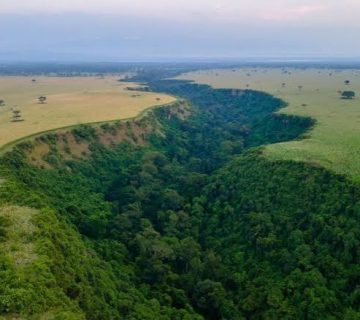
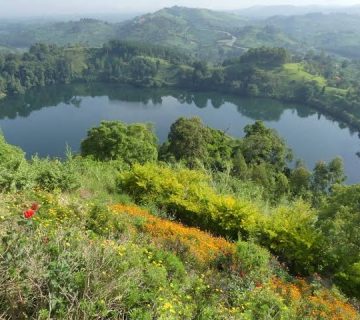
Meru National Park straddles the equator and is fed by thirteen rivers flowing down from the Nyambeni Hills, a water supply substantial enough to keep the park green and well-vegetated even during dry stretches when parks further south turn brown and dusty. That reliable water also means Meru supports a genuinely lush, varied landscape, riverine forest, doum palm groves, and open grassland, rather than the single dominant terrain type that defines many of Kenya’s better-known parks.
Adamson’s Falls and Views of Mount Kenya
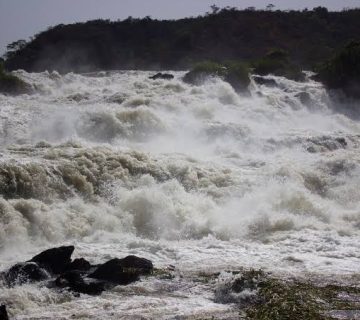
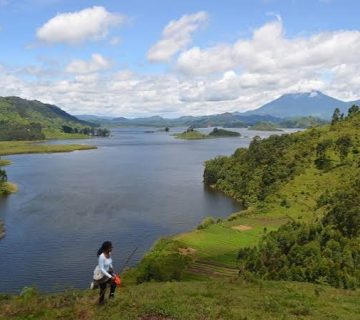
Adamson’s Falls, named for the same conservation family behind Elsa’s story, is a genuine scenic highlight worth building into a game drive, and on clear days the park offers distant views toward Mount Kenya, Africa’s second-highest peak, adding a mountain backdrop to what is otherwise a classic river-fed savannah landscape.
The Rhino Sanctuary
An 80-Square-Kilometer Fenced Refuge
Near Murera Gate, an 80-square-kilometer fenced sanctuary protects both black and white rhino, holding roughly 100 individuals in a design clever enough to solve a real conservation problem: short, closely spaced fence posts that rhino, given their body shape, simply cannot squeeze through, while every other species moves freely in and out of the enclosure. It’s a genuinely elegant piece of conservation engineering, protecting the species most vulnerable to poaching without turning the sanctuary into a closed zoo that fences out everything else.
From Poaching Crisis to Restoration
Meru’s wildlife, rhino included, suffered severely from poaching through the 1990s, to the point where the park’s infrastructure and reputation both collapsed alongside its animal populations. A major restoration effort between 2000 and 2005, led by Kenya Wildlife Service with international support including a 1.25 million dollar donation from the International Fund for Animal Welfare, rebuilt roads, security, and the wildlife populations that make the park worth visiting today. That recovery is a large part of why Meru feels like a genuine conservation success story rather than just an overlooked stop on a Kenya itinerary.
Why So Few Travelers Make It Here
Remote, But Not Impossibly So
Meru National Park sits roughly 350 kilometers northeast of Nairobi, near Meru town, a real but entirely manageable distance that nonetheless keeps it well off the standard Masai Mara-Amboseli-Nakuru circuit most first-time Kenya visitors follow. That single fact of geography, not any lack of wildlife or scenery, is almost entirely responsible for how quiet the park stays.
What the Quiet Actually Gets You
Travelers who do make the trip regularly report spending a full day on game drives without encountering another vehicle, a level of solitude that has essentially disappeared from Kenya’s more famous parks during peak season. For photographers and travelers who value an unhurried, uncrowded wildlife encounter over ticking off the most famous name on a map, that trade-off makes Meru one of the better-value stops in the entire country.
Wildlife Beyond the Rhino Sanctuary
A Genuine Big Cat and Big Game Destination
Outside the fenced sanctuary, Meru supports a full range of classic safari wildlife, African elephants, lions, leopards, and cheetah, alongside zebra and substantial hippo populations concentrated along the park’s many rivers. The park’s varied terrain, riverine forest giving way to open grassland, means these species turn up in genuinely different settings than the wide-open plains sightings typical of the Masai Mara, often closer to water or forest edge than out on exposed grassland.
Doum Palms and a Distinctive Landscape
The doum palm groves scattered along Meru’s rivers give the park a visual signature unlike almost anywhere else in Kenya, tall, fan-leafed palms rising out of riverine forest that feels more tropical than the classic acacia-dotted savannah most visitors expect. Combined with the equatorial location and the reliable water from those thirteen rivers, the overall effect is a park that looks meaningfully different in every direction you point a camera.
Planning Your Visit
Entry Fees
Entry costs 70 US dollars per adult for a 24-hour period, paid through Kenya Wildlife Service’s KWSPay system, with children under 12 charged 37 US dollars. Rates are worth reconfirming before travel since Kenya Wildlife Service periodically revises park fees.
Getting There and Best Time to Visit
Most visitors reach Meru by road from Nairobi, a drive of several hours, or by charter flight to the park’s airstrip for those short on time. The dry seasons, roughly June through October and January through February, offer the easiest game viewing conditions, though Meru’s reliable rivers mean it never dries out as dramatically as some of Kenya’s more arid parks.
Where to Stay
Accommodation is limited compared with Kenya’s headline parks, running from a handful of tented camps along the rivers, several built specifically around rhino sanctuary access, down to a public campsite for travelers on a tighter budget. That small number of beds is part of the same equation that keeps the park quiet, so booking ahead matters more here than it would at a park with dozens of competing lodges.
Frequently Asked Questions
Is Meru National Park safe and well-maintained today?
Yes. Following the major 2000-2005 restoration, the park’s infrastructure, security, and wildlife populations have been rebuilt and are actively managed by Kenya Wildlife Service.
Can you actually see rhino at Meru?
Yes, the fenced 80-square-kilometer sanctuary near Murera Gate holds around 100 black and white rhino, making sightings considerably more reliable than searching for rhino in open, unfenced terrain elsewhere.
Is Meru worth visiting if I’ve already done the Masai Mara?
Yes, particularly for the contrast: Meru’s green, river-fed landscape and near-total absence of other tourists offer a genuinely different experience from the Mara’s open plains and vehicle density during migration season.
How does the Born Free connection work in practice for visitors?
Elsa’s grave is a real, visitable site within the park, and guides familiar with the Adamsons’ history can point out the areas connected to the story, turning a standard game drive into something with genuine narrative depth for travelers who know the book or film.
How does the rhino sanctuary fence actually work?
It relies on short, closely spaced posts that rhino cannot squeeze between given their body shape, while smaller and more agile species pass through freely. It’s a targeted design rather than a blanket barrier sealing off the whole ecosystem.
Recommended Safaris
Meru National Park pairs well with a broader Kenya itinerary built around less-crowded parks. See our Tsavo East vs Tsavo West guide for another Kenya park comparison, and our Nyerere National Park guide for a similarly underrated destination across the border in Tanzania. Travelers planning a longer regional trip should also look at the 15-Day Ultimate East Africa Group Safari. When you are ready to plan a Meru itinerary, get in touch with our team and we will help you work out the logistics from Nairobi.

No comment