






Pelicans of Lake Nakuru National Park
Great white pelicans gather along Lake Nakuru’s shoreline in genuinely substantial numbers, their considerable size and coordinated group fishing behaviour offering a reliable, consistently rewarding birding highlight even during periods when the park’s historically famous flamingo numbers are comparatively reduced.
Why Pelicans Have Become Nakuru’s Most Reliable Waterbird
Unlike flamingo, whose numbers at Lake Nakuru have shifted considerably with recent water level changes, great white pelican populations have remained genuinely more consistent, benefiting from the lake’s deeper water and healthy fish stocks regardless of the shallow algae-rich conditions flamingo specifically require. This reliability makes pelicans an increasingly important part of the park’s waterbird appeal.
Where to Find Pelicans in Lake Nakuru
Pelicans gather along the lake’s open water and shoreline areas, often visible in genuinely large rafts floating together or engaged in coordinated group fishing, a behaviour distinct from the more solitary hunting style of many other waterbirds. Viewpoints along the park’s lakeside roads offer good vantage points for observing pelican activity throughout the day.
The Pelican’s Remarkable Coordinated Fishing Technique
Great white pelicans hunt cooperatively, forming a semicircle or line formation that herds fish into shallow water where the group can feed efficiently together, a genuinely sophisticated coordinated behaviour rare among African waterbirds. This teamwork-based hunting strategy is considerably more effective than individual fishing, allowing pelicans to exploit fish stocks other solitary-hunting birds might miss entirely.
Pelican Physical Adaptations
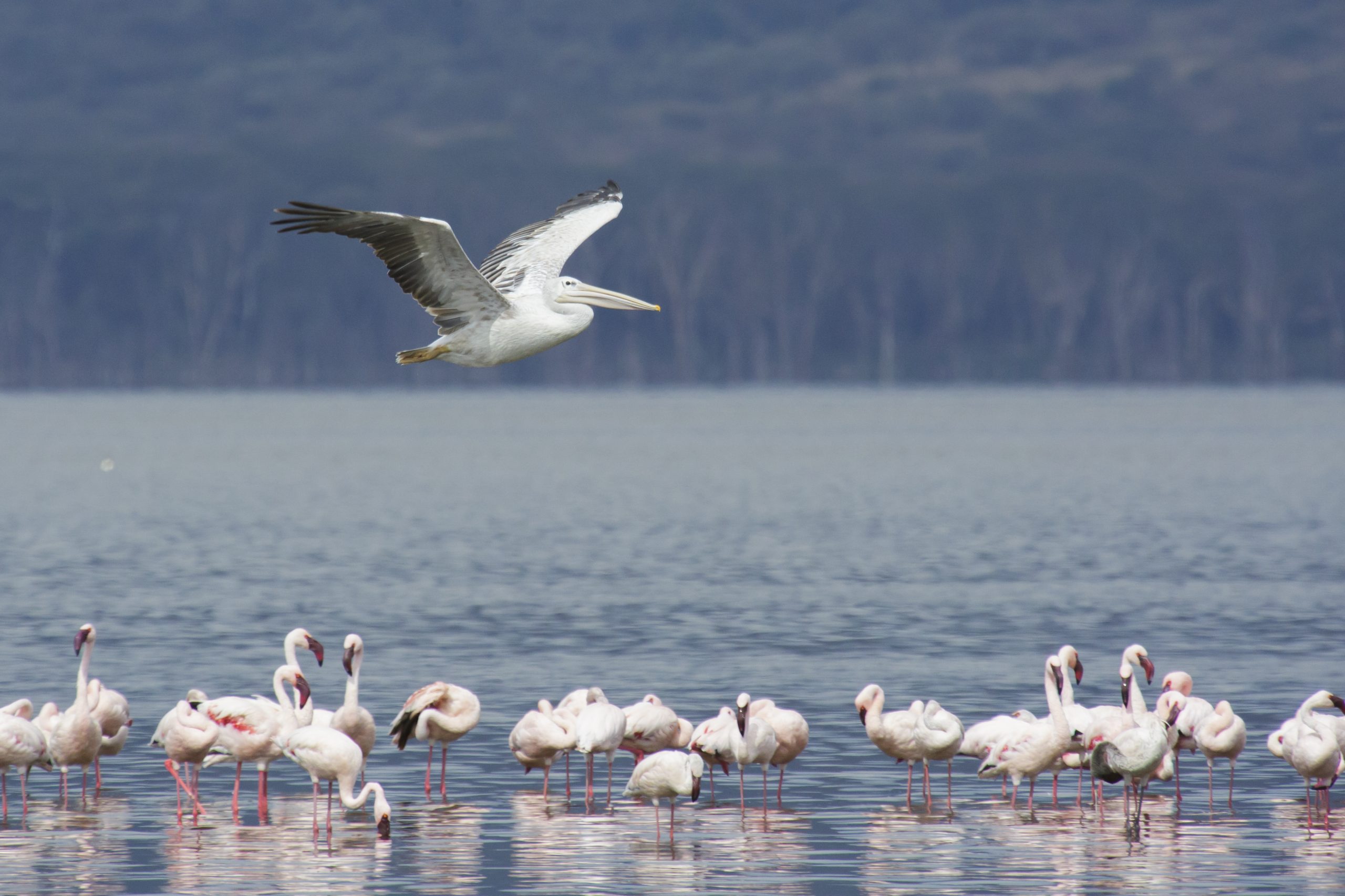
A pelican’s distinctive throat pouch, capable of expanding considerably to scoop up fish and water together before draining the water and swallowing the catch, is one of the more genuinely unusual physical adaptations found among African birds. Their considerable wingspan also makes pelicans genuinely impressive soaring flyers, often seen gliding in formation across the lake in a coordinated V-shape.
Lake Nakuru’s Wider Wildlife Beyond Pelicans
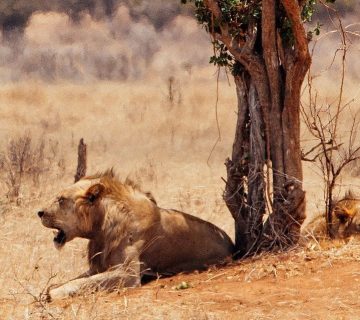
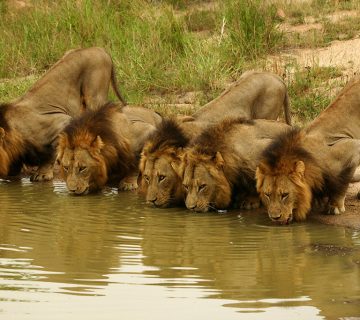
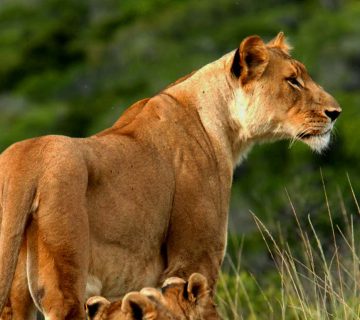
Beyond its waterbird population, Lake Nakuru holds genuinely strong rhino, lion, leopard, and buffalo populations, making the park a genuinely rewarding all-round destination beyond its birdlife alone.
Best Time of Year for Pelican Sightings
Pelicans are visible at Lake Nakuru year-round given their resident status and the lake’s consistent deeper-water fish stocks, making seasonal timing genuinely less critical here than for the park’s more water-level-dependent flamingo population. See our regional best-time guide for how East Africa’s broader seasonal patterns still affect wider trip planning.
Self-Drive vs Guided Safaris for Pelican Viewing
Pelicans are among the more straightforward Lake Nakuru species to locate given their considerable size and frequent presence along open water, though a guided safari still adds real value in coordinating sightings alongside the park’s other headline wildlife. Most visitors combine Lake Nakuru with a wider guided Kenya itinerary.
Photographing Lake Nakuru’s Pelicans
Pelicans gathered in coordinated fishing formation, or captured mid-flight in their distinctive V-shaped group formation, offer genuinely striking photographic opportunities distinct from more solitary bird sightings. A mid-range zoom covers most sightings comfortably, similar to the gear recommended in our camera gear guide.
What to Pack for a Lake Nakuru Safari
Standard game drive gear – neutral clothing, sun protection, and binoculars – covers most of what the park requires. If your wider itinerary includes gorilla trekking, our gorilla trekking packing list covers that portion separately.
Pelicans and Lake Nakuru’s Wider Ecosystem
As effective fish predators, pelicans play a genuinely significant role in the lake’s aquatic food web, helping regulate fish populations while themselves supporting the wider ecosystem as prey for occasional opportunistic predators near the shoreline. This ecological role, combined with their striking visual presence, makes pelicans a genuinely valuable part of Lake Nakuru’s overall wildlife appeal.
Combining Pelican Viewing With a Wider Kenya Circuit
Lake Nakuru is commonly combined with the Masai Mara on a standard Kenya itinerary, giving travelers genuine additional wildlife-viewing opportunities across two distinctly different landscapes within a single well-planned trip.
Getting to Lake Nakuru National Park
Lake Nakuru sits within a comfortable three-hour drive of Nairobi, making it one of the more accessible parks on a standard Kenya itinerary and a common inclusion on routes heading toward the Masai Mara further west.
Pelican Breeding and Nesting Behaviour
Great white pelicans nest colonially, often on islands or protected shoreline areas offering genuine safety from ground predators, with both parents sharing incubation and chick-rearing duties across the breeding season. These colonies can include genuinely large numbers of breeding pairs concentrated within a relatively compact area, creating an impressive, if occasionally noisy, spectacle during peak breeding activity.
Chick Development and Feeding
Pelican chicks are fed regurgitated fish directly from a parent’s throat pouch, a genuinely messy but effective feeding method that sustains rapid chick growth during the demanding early weeks of life. Chicks remain dependent on parental feeding for a considerable period before developing the flight and fishing skills needed for independence.
Why Coordinated Fishing Makes Pelicans So Effective
The pelican’s cooperative fishing strategy, herding fish into shallow water through a coordinated group formation, represents a genuinely sophisticated level of social behaviour rarely matched among African waterbirds, allowing pelicans to exploit fish stocks considerably more efficiently than solitary hunters could manage alone. Researchers studying this behaviour note it likely requires genuine learned coordination between individuals rather than purely instinctive action.
Pelicans in Flight: A Genuinely Impressive Sight
Beyond their fishing behaviour, pelicans in flight offer a genuinely impressive spectacle, gliding in coordinated formation using rising thermal air currents to cover considerable distance with minimal energy expenditure, not unlike the soaring technique used by vultures and other large African birds. Watching a formation of pelicans glide silently overhead is one of Lake Nakuru’s more understated, easily overlooked highlights.
Comparing Pelicans to Lake Nakuru’s Flamingo Population
While flamingo numbers have fluctuated considerably in recent years given the lake’s changing water levels, pelicans have proven genuinely more resilient to these environmental shifts, making them an increasingly valuable, dependable waterbird sighting for travelers visiting regardless of current flamingo conditions.
Best Lodges for Pelican and Waterbird Viewing
Properties positioned near the lake’s shoreline genuinely simplify logistics for travelers specifically prioritising pelican and wider waterbird viewing, cutting down on drive time before and after game drives. Discussing lodge location directly with your operator is genuinely worth doing before finalising your complete Lake Nakuru itinerary.
Pelicans Alongside Lake Nakuru’s Other Birdlife
Beyond pelicans and flamingo, Lake Nakuru supports a genuinely impressive wider bird list, including various stork species and numerous raptors, making a single lakeside viewpoint often productive for spotting multiple distinctive species within a short window.
Why Pelican Sightings Have Become Genuinely More Emphasised
As Lake Nakuru’s marketing and operator guidance has adapted to the reality of shifting flamingo numbers, pelicans have genuinely emerged as a more consistently promoted highlight, reflecting an honest recalibration of what the park reliably offers rather than clinging to outdated expectations built around historical flamingo scale alone.
Getting the Most Out of a Pelican Sighting
Spending extended time at a single lakeside viewpoint, rather than moving quickly between multiple stops, genuinely improves the odds of witnessing pelicans’ coordinated fishing behaviour in full, since the group formation and herding technique can take several minutes to unfold once initiated.
Pelican Species Found Across Kenya’s Rift Valley
Beyond the great white pelican, Kenya’s Rift Valley lakes occasionally host the smaller pink-backed pelican, though in considerably fewer numbers, meaning most Lake Nakuru sightings involve the larger, more commonly encountered great white species specifically.
Why Guides Enjoy Highlighting Pelican Behaviour
Experienced Lake Nakuru guides frequently note that pelican sightings genuinely reward closer attention than a passing glance suggests, particularly once visitors understand the coordinated fishing technique unfolding in front of them rather than simply just registering a group of large white birds floating calmly on the water.
Getting to Lake Nakuru From Other Kenya Destinations
Beyond the standard Nairobi connection, travelers arriving from the Masai Mara can also reach Lake Nakuru via a reasonably convenient connecting drive, making it a genuinely flexible, convenient addition regardless of which particular direction a broader Kenya itinerary happens to currently be travelling.
Frequently Asked Questions
Are pelicans a reliable sighting at Lake Nakuru?
Yes, genuinely so – unlike flamingo, pelican numbers have remained relatively consistent regardless of recent water level changes affecting the lake.
How do pelicans hunt?
Cooperatively, forming a semicircle or line formation that herds fish into shallow water for efficient group feeding.
What’s the throat pouch used for?
It expands to scoop up fish and water together, which is then drained before the pelican swallows its catch.
What’s the best time of year to see pelicans at Lake Nakuru?
Year-round given their resident status and the lake’s consistent deeper-water fish stocks.
Can I see pelicans alongside Lake Nakuru’s rhino?
Yes, a single visit typically covers both the lake’s waterbird activity and the park’s strong rhino population.
Ready to Plan Your Lake Nakuru Safari?
Whether pelican viewing, the park’s strong rhino population, or a full Kenya itinerary combining the Mara is your priority, our team can build a trip matched to your time and interests. Get in touch with our team below today and let’s start planning your complete Kenya safari itinerary together.



No comment