





Bat-Eared Foxes of the Serengeti
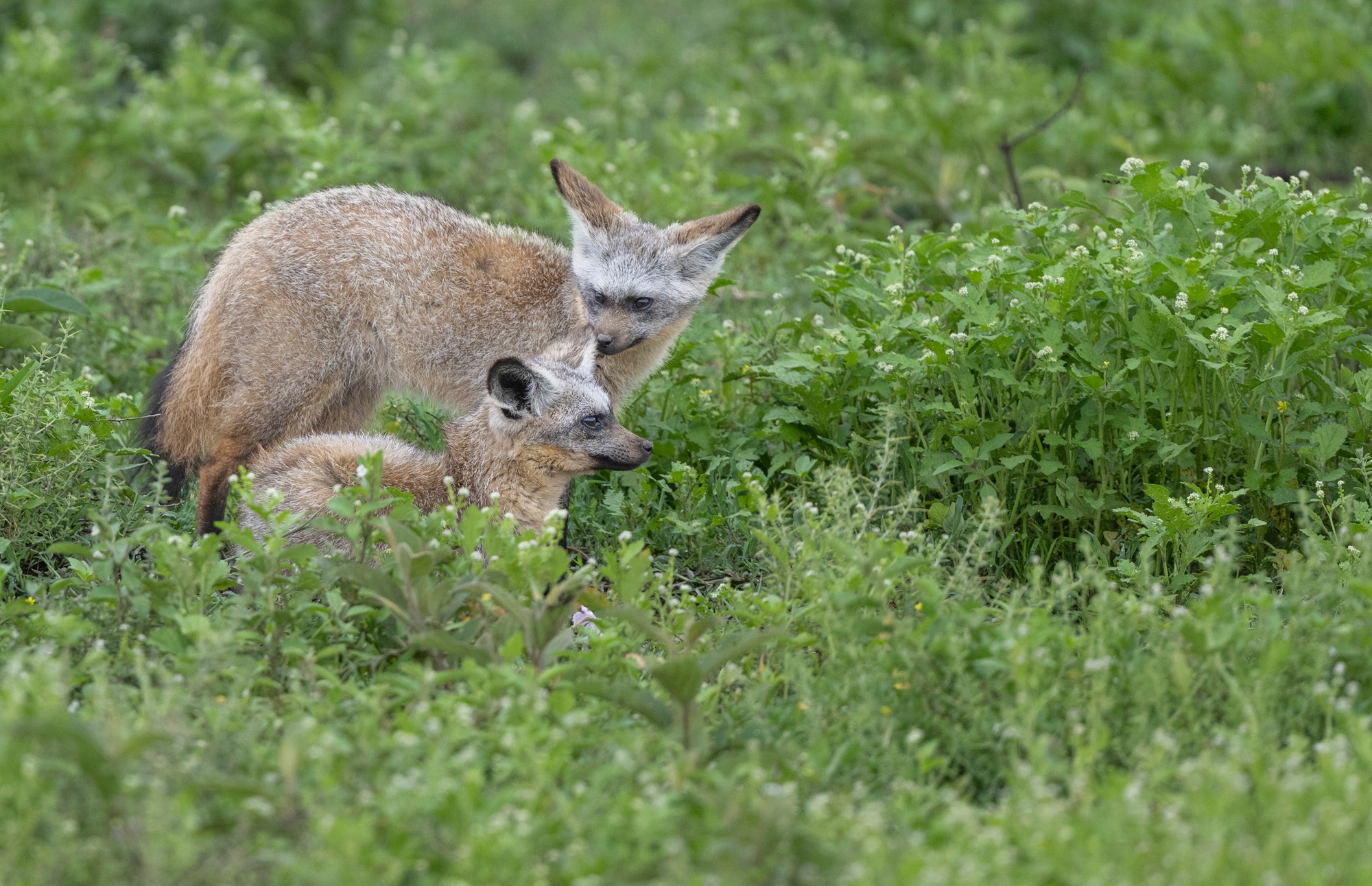
Bat-eared fox trot across the Serengeti’s short-grass plains in genuinely small, tight-knit family groups, their oversized ears and diminutive frame making them one of the ecosystem’s more instantly endearing, if easily overlooked, small carnivores compared to the park’s headline big cats.
Why Bat-Eared Fox Have Such Enormous Ears
A bat-eared fox’s ears, proportionally among the largest of any canid relative to body size, serve a genuinely specialised hunting function, allowing them to detect the faint sounds of insect movement underground or within grass with remarkable precision. This acoustic hunting adaptation is central to the species’ entire feeding strategy, setting them apart from most other African carnivores that rely primarily on sight or scent.
Where to Find Bat-Eared Fox in the Serengeti
Bat-eared fox favour the Serengeti’s short-grass plains, particularly areas with abundant termite activity given their genuinely strong dietary reliance on harvester termites and other insects. Small family groups are often seen foraging together during cooler daylight hours, making them somewhat more visible during standard game drive timing than many other small nocturnal predators.
An Almost Entirely Insect-Based Diet
Unlike most canids, bat-eared fox feed overwhelmingly on insects, particularly harvester termites, which can make up the vast majority of their diet depending on seasonal availability. This genuinely unusual dietary specialisation among carnivores reflects a highly adapted feeding niche that reduces direct competition with the Serengeti’s larger, more generalist predator species.
Bat-Eared Fox Family Structure
Bat-eared fox form genuinely close-knit family units, typically a monogamous pair raising pups together with both parents, and occasionally older offspring, sharing foraging and pup-rearing duties. This cooperative family structure, combined with their small size, gives bat-eared fox sightings a genuinely charming, intimate quality distinct from the Serengeti’s larger, more solitary predators.
Bat-Eared Fox and the Serengeti’s Larger Predators
Bat-eared fox face genuine predation risk from the Serengeti’s larger carnivores, including hyena and larger cats, and their small size and lack of significant defensive capability mean vigilance and quick retreat to a den represent their primary survival strategy against these considerably more powerful competitors.
Best Time of Year for Bat-Eared Fox Sightings
Bat-eared fox are visible in the Serengeti year-round given their resident status, though activity can increase following rains when termite and insect activity rises across the plains. See our regional best-time guide for how East Africa’s seasonal patterns generally affect game viewing.
Self-Drive vs Guided Safaris for Bat-Eared Fox Viewing
Locating bat-eared fox genuinely benefits from guide knowledge of recent den activity and current termite mound feeding sites, given how easily this small, well-camouflaged species can go unnoticed among the plains’ taller grass. Most visitors combine Serengeti with a wider guided Northern Circuit itinerary rather than attempting a dedicated self-drive visit specifically for bat-eared fox.
Photographing Serengeti Bat-Eared Fox
A bat-eared fox family group foraging together, ears alert and turning independently to track sound, offers genuinely charming, behaviourally rich photographic opportunities distinct from the park’s larger, more commonly photographed predators. A mid-range zoom covers most sightings comfortably, similar to the gear recommended in our camera gear guide.
What to Pack for a Serengeti Safari
Standard game drive gear – neutral clothing, sun protection, and binoculars – covers most of what the park requires. If your wider itinerary includes gorilla trekking, our gorilla trekking packing list covers that portion separately.
Bat-Eared Fox’s Ecological Role
As specialised insect predators, bat-eared fox play a genuinely useful ecological role in controlling termite and other insect populations across the Serengeti’s plains, a function that indirectly benefits grassland health by limiting insect-driven vegetation damage. This role, while less visible than the ecosystem’s larger predators, makes bat-eared fox a genuinely important part of the Serengeti’s overall ecological balance.
Combining Bat-Eared Fox Viewing With a Wider Northern Circuit
The Serengeti is commonly paired with Ngorongoro Crater on a standard Northern Circuit itinerary, and the crater’s own resident bat-eared fox population offers genuine additional viewing opportunities within a single well-planned Tanzania trip.
Bat-Eared Fox Activity Patterns
Bat-eared fox are genuinely flexible in their activity timing, shifting between diurnal and nocturnal behaviour depending on temperature and season, generally more active during cooler daylight hours in winter months and shifting toward dawn, dusk, and night activity during hotter periods to avoid the day’s peak heat. This adaptability means sighting odds can vary considerably depending on when exactly a game drive takes place.
Pup Development and Den Life
Bat-eared fox pups are born in an underground den, often an adapted burrow, and remain closely dependent on parental care for several months, with both parents actively provisioning the den with food during this vulnerable early period. This extended parental investment, genuinely more involved than many other small carnivore species, reflects the cooperative family structure central to bat-eared fox survival strategy.
Why Termites Matter So Much to Bat-Eared Fox Survival
Harvester termites represent such a genuinely dominant part of the bat-eared fox diet that population health and distribution across the Serengeti often correlates closely with termite mound density and activity, making termite-rich areas of the plains particularly reliable locations for sightings. This specialised dependency, while limiting, has proven remarkably successful given how abundant termites remain across much of the Serengeti’s grassland ecosystem.
Bat-Eared Fox Hearing Compared to Other Species
A bat-eared fox’s hearing capability is genuinely exceptional even among species known for acute hearing, allowing detection of insect movement several centimetres underground, a sensory precision that rivals or exceeds the specialised hearing adaptations found in species like the serval, another East African predator that relies heavily on acoustic hunting.
Social Behaviour Beyond the Immediate Family
While primarily organised around a monogamous breeding pair, bat-eared fox family groups occasionally include additional helper individuals, typically older offspring from previous litters, who assist with vigilance and pup care in a cooperative arrangement genuinely similar to the family support structures seen among jackals sharing the same broader ecosystem.
Comparing Bat-Eared Fox to the Masai Mara’s Population
Kenya’s Masai Mara shares the same broader ecosystem and hosts a genuinely comparable bat-eared fox population, meaning travelers combining both destinations on a wider itinerary can expect consistent sightings regardless of which side of the shared border their trip currently covers.
Best Lodges for Bat-Eared Fox Viewing
Properties positioned near the Serengeti’s short-grass plains genuinely simplify logistics for travelers specifically interested in bat-eared fox and wider small-carnivore viewing, cutting down on drive time before and after game drives. Discussing current den activity directly with your operator is genuinely worth doing before finalising your complete Serengeti itinerary.
Why Guides Value a Genuine Bat-Eared Fox Sighting
Experienced Serengeti guides frequently rate a confirmed bat-eared fox sighting, particularly a family group foraging together, among the more genuinely charming moments of a longer game drive, precisely because their small size and endearing behaviour offer a refreshing contrast to the park’s larger, more intense predator sightings.
Getting to the Serengeti for Small Carnivore Viewing
Most itineraries reach the Serengeti via road from Arusha through Ngorongoro Crater, or by scheduled light aircraft directly into one of the park’s several airstrips, with the choice generally depending on how much of the Northern Circuit’s driving time a traveler wants to include.
Conservation Status of Bat-Eared Fox
Bat-eared fox populations remain genuinely stable across much of their African range, including the Serengeti, given their broad distribution and adaptability to varied grassland and savannah habitat, making them one of the region’s less conservation-threatened small carnivore species compared to some of the ecosystem’s larger, more habitat-specific predators.
What Makes a Genuinely Memorable Sighting
Watching a family group forage together, ears swivelling independently to track different sounds simultaneously, offers a genuinely memorable, worthwhile behavioural encounter well beyond a simple, brief passing glance at a single resting individual seen from a distance.
Bat-Eared Fox Vocalisations
Bat-eared fox communicate through a range of soft calls, growls, and whimpers used to maintain contact between family members and signal alarm, sounds genuinely quieter and less frequently heard than the more prominent vocalisations of the Serengeti’s larger, more dominant carnivore species.
Frequently Asked Questions
Why do bat-eared fox have such large ears?
Their oversized ears allow them to detect faint insect movement underground or within grass, central to their genuinely specialised hunting strategy.
What do bat-eared fox eat?
Overwhelmingly insects, particularly harvester termites, an unusual dietary specialisation among carnivores that reduces competition with larger predators.
Do bat-eared fox live in family groups?
Yes, genuinely close-knit units, typically a monogamous pair raising pups together with shared foraging and pup-rearing duties.
Are bat-eared fox dangerous to humans?
No, genuinely not – they pose no threat to visitors and are naturally shy, small animals that avoid human contact.
What’s the best time of year to see bat-eared fox in the Serengeti?
Year-round given their resident status, though activity can increase following rains when insect activity rises across the plains.
Ready to Plan Your Serengeti Safari?
Whether the Serengeti’s charming bat-eared fox, the wildebeest migration, or a full Northern Circuit itinerary is your priority, our team can build a Tanzania trip matched to your time and interests. Get in touch with our team below today and let’s start planning your complete Tanzania safari itinerary together.

No comment