
Servals of the Masai Mara
Serval move through the Masai Mara’s taller grassland with genuinely striking, long-legged elegance, their spotted coat and oversized ears making them one of the reserve’s more visually distinctive small cats, though their naturally elusive, primarily crepuscular habits mean sightings feel genuinely earned rather than routine.
Why Servals Are So Genuinely Distinctive
Serval carry proportionally the longest legs of any cat species relative to body size, an adaptation genuinely suited to hunting in tall grass where height helps them see over vegetation and pounce down onto prey below. Combined with their notably large, rounded ears, serval possess a genuinely unmistakable silhouette unlike any other cat sharing the Mara’s grassland.
Where to Find Serval in the Masai Mara
Serval favour the Mara’s taller grassland and marshy areas near water, habitat genuinely different from the open short-grass plains favoured by cheetah, giving the two cat species a useful ecological separation despite superficially similar spotted coats. Their preference for denser cover makes serval considerably harder to locate than the Mara’s larger, more commonly sighted cats.
The Serval’s Remarkable Hunting Technique
Serval hunt primarily by listening for prey movement within tall grass, using their exceptionally large ears to pinpoint a rodent’s exact location before executing a genuinely spectacular vertical pounce that can clear over a metre in height. This hunting technique, combining acute hearing with explosive jumping ability, gives serval one of the higher documented hunting success rates among African cats.
Serval Diet and Feeding Behaviour
Serval feed primarily on rodents, though they also take birds, reptiles, and insects when available, a genuinely specialised diet reflecting their particular hunting adaptation for small, grass-concealed prey. This specialisation, while limiting their prey base compared to more generalist predators, has proven genuinely successful given how consistently serval populations persist across suitable grassland habitat.
Serval Behaviour and Activity Patterns
Serval are primarily crepuscular and nocturnal, most active during dawn, dusk, and through the night, though they can occasionally be seen hunting during cooler daylight hours, particularly in overcast conditions. This activity pattern means early morning and late afternoon game drives genuinely offer the best odds of a serval sighting compared to midday searching.
Serval and the Mara’s Other Predators
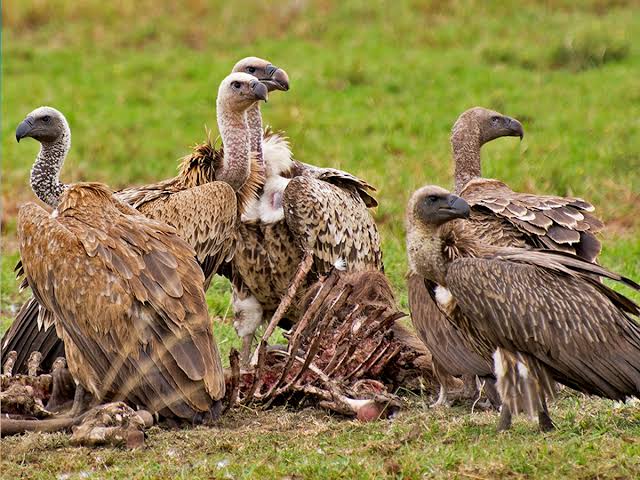
Serval maintain a genuinely cautious relationship with the Mara’s larger predators, including lion and leopard, generally avoiding direct competition through their preference for different habitat and hunting style. This ecological separation allows serval to persist successfully within an ecosystem otherwise dominated by considerably larger, more powerful cat species.
Best Time of Year for Serval Sightings
Serval are visible in the Masai Mara year-round given their resident status, making seasonal timing genuinely less critical than time of day when planning a dedicated serval-focused game drive. See our regional best-time guide for how East Africa’s broader seasonal patterns still affect wider trip planning.
Self-Drive vs Guided Safaris for Serval Viewing
Locating serval genuinely benefits from guide knowledge and current information on recent sightings, given how easily this elusive, well-camouflaged cat can remain hidden within tall grass even at relatively close range. Most visitors combine Masai Mara with a wider guided Kenya itinerary rather than attempting a dedicated self-drive visit specifically for serval.
Photographing Masai Mara Serval
A serval captured mid-pounce, leaping vertically to catch concealed prey, offers one of the Mara’s genuinely more spectacular action photography opportunities, though the unpredictable timing makes this a genuinely challenging shot to capture. A telephoto lens with a fast shutter speed is essential, similar to the gear recommended in our camera gear guide.
What to Pack for a Masai Mara Safari
Standard game drive gear – neutral clothing, sun protection, and binoculars – covers most of what the reserve requires. If your wider itinerary includes gorilla trekking, our gorilla trekking packing list covers that portion separately.
Serval’s Role in the Wider Ecosystem
As an effective rodent predator, serval play a genuinely useful ecological role in controlling small mammal populations across the Mara’s grassland, a function that indirectly benefits vegetation health by limiting rodent-driven overgrazing and burrowing damage. This role, while less visible than the ecosystem’s larger predators, makes serval a genuinely important part of the Mara’s overall ecological balance.
Combining Serval Viewing With the Full Mara Big Five
Serval sightings complement the Mara’s cheetah and leopard populations, rounding out one of East Africa’s most complete single-ecosystem carnivore checklists for travelers specifically interested in the reserve’s full range of cat species within a single reserve.
Getting to the Masai Mara
Most itineraries reach the Mara via road from Nairobi, roughly five to six hours, or by scheduled light aircraft directly into one of the reserve’s several airstrips, with the choice generally depending on how much driving time a traveler wants to include in a wider Kenya circuit.
Serval Territory and Solitary Behaviour
Serval are genuinely solitary animals outside of breeding encounters, maintaining and defending individual territories through scent marking, with males typically holding larger ranges that overlap with several females. This solitary lifestyle, combined with their naturally shy temperament, is a major reason serval remain considerably more elusive than the Mara’s more social predator species.
Kitten Development and Early Life
Serval kittens are born in a concealed den, often within dense grass or an abandoned burrow, and remain hidden there for their first several weeks before beginning to accompany their mother on hunting trips. This cautious early-life strategy genuinely improves kitten survival odds given how vulnerable young serval are to predation from the Mara’s larger carnivores during this critical developmental period.
Serval’s Remarkable Hearing Ability
A serval’s oversized ears aren’t merely a visual curiosity but a genuinely functional adaptation, containing specialised inner-ear structures that allow them to detect the faint rustling of rodent movement beneath tall grass or even underground, a hunting advantage that makes serval genuinely among the most acoustically skilled hunters in the entire cat family.
Comparing Serval to the Mara’s Other Small Cats
Beyond serval, the Mara also holds a smaller population of African wild cat and caracal, though both are considerably rarer and more elusive than serval, making a confirmed serval sighting genuinely the most achievable small-cat encounter for most visitors during a standard multi-day stay.
Why Guides Value a Genuine Serval Sighting
Experienced Mara guides frequently rate a confirmed serval sighting among the more genuinely satisfying moments of a longer game drive, precisely because of how much patience, timing, and current knowledge of recent activity it typically requires compared to the reserve’s more commonly encountered large cats.
Best Lodges for Serval-Focused Visits
Properties positioned near the Mara’s taller grassland and marshy areas genuinely simplify logistics for travelers specifically prioritising serval sightings, cutting down on drive time before dawn and dusk game drives when serval activity peaks. Discussing current sighting information directly with your operator is genuinely worth doing before finalising your complete Masai Mara itinerary.
Serval Alongside the Mara’s Wider Wildlife
A serval sighting often occurs unexpectedly during a game drive focused on other headline species, adding a genuine bonus highlight to a day already covering the Mara’s buffalo, elephant, and giraffe populations.
Serval Coat Pattern and Camouflage
A serval’s spotted, golden-tan coat provides genuinely effective camouflage within the Mara’s tall, sun-dappled grassland, breaking up its distinctive silhouette enough that even a relatively close animal can remain difficult to spot until it moves. This natural camouflage, combined with their preference for denser cover, is a major reason serval sightings so often come as a genuine surprise rather than a deliberately tracked encounter.
What Makes a Genuinely Memorable Serval Encounter
Beyond a fleeting glimpse, the most memorable serval sightings typically involve witnessing an actual hunting pounce or extended observation of a hunting individual working methodically through tall grass, moments that genuinely reward patient, quiet, sustained observation over a rushed, hurried drive-by encounter typical of a more time-constrained itinerary.
Conservation Status of Serval
Serval populations remain relatively stable across much of their African range, including the Mara-Serengeti ecosystem, though habitat loss and fragmentation in other regions have caused localised declines, making protected grassland areas like the Masai Mara genuinely important strongholds for the species going forward.
Frequently Asked Questions
How can I identify a serval?
Look for their proportionally long legs, spotted coat, and notably large, rounded ears, a genuinely unmistakable combination unlike any other Mara cat.
When is the best time of day to see serval?
Early morning and late afternoon, given their primarily crepuscular and nocturnal activity pattern.
How do serval hunt?
They listen for prey movement in tall grass using their exceptional hearing, then execute a genuinely spectacular vertical pounce onto the target.
Are serval dangerous to humans?
No, genuinely not – they pose no real threat to visitors and are naturally shy, elusive animals that avoid human contact.
Is the Masai Mara a good place to see serval?
Yes, genuinely so, though sightings require patience and guide knowledge given their elusive nature and preference for tall grass cover.
Ready to Plan Your Masai Mara Safari?
Whether the Mara’s elusive serval, its famous big cats, or a full Kenya itinerary is your priority, our team can build a trip matched to your time and interests. Get in touch with our team below today and let’s start planning your complete Kenya safari itinerary together.
No comment