
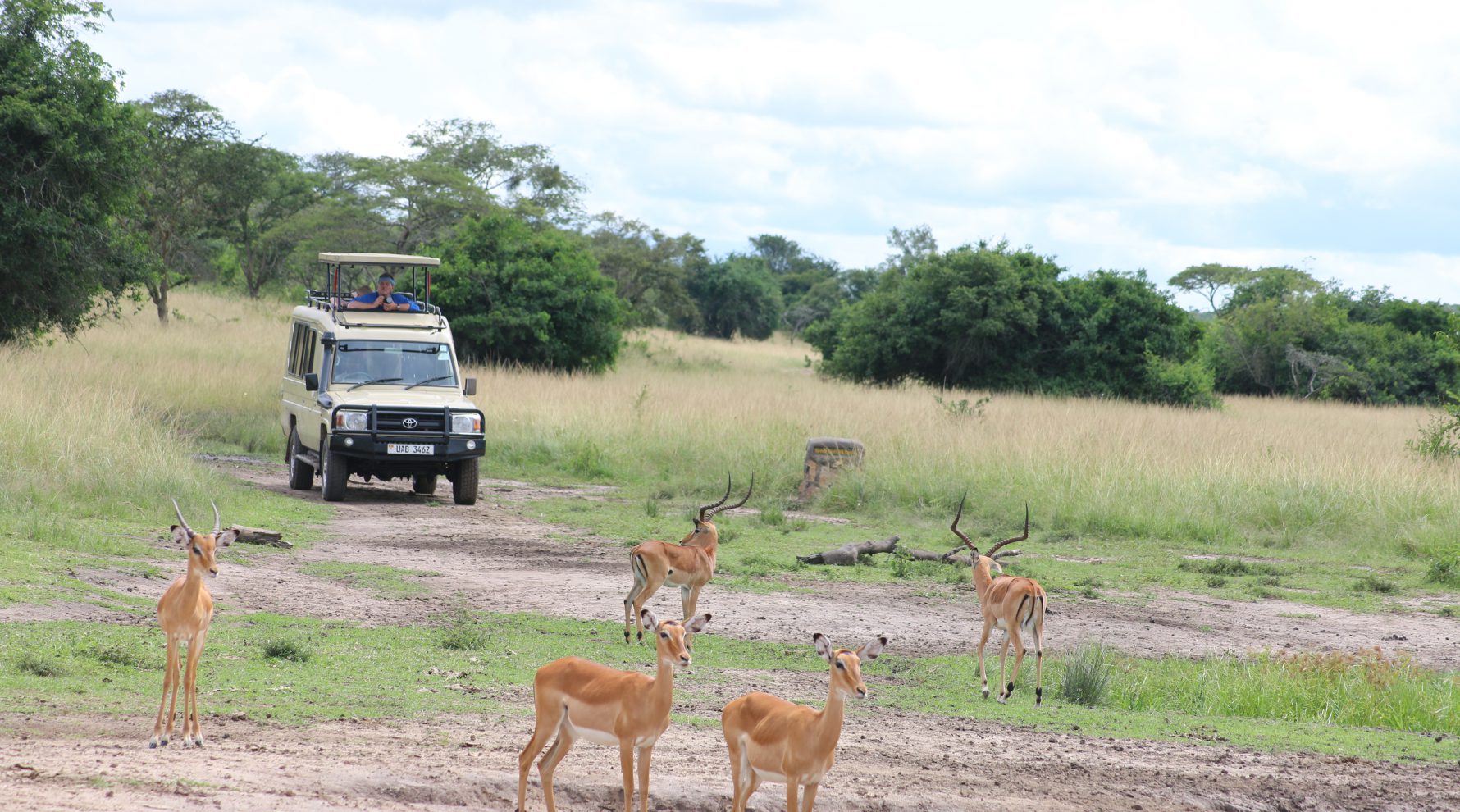
Impala move through Lake Mburo National Park’s open grassland and acacia woodland in genuinely large, cohesive herds, their graceful, athletic build and distinctive lyre-shaped horns making them one of the park’s most consistently visible antelope species alongside its famous zebra and eland populations.
Why Lake Mburo Holds Uganda’s Densest Impala Population
Lake Mburo supports what’s frequently cited as Uganda’s densest impala population, a reflection of the park’s ideal mixed habitat of open grassland bordered by acacia woodland, exactly the transitional terrain impala favour for both grazing and browsing depending on seasonal availability. This habitat suitability, combined with the park’s protected status, has allowed impala numbers here to remain genuinely strong compared to more fragmented populations elsewhere in the country.
Where to Find Impala in Lake Mburo
Impala range across the park’s grassland and woodland edge habitat, often visible alongside zebra and eland during standard game drives, given the shared preference for this particular mixed terrain. Their large herd size and relatively bold, less skittish temperament make them among the more straightforward Lake Mburo species to locate.
Impala Behaviour and Social Structure
Impala maintain a genuinely distinctive social structure built around territorial males defending breeding harems of females, particularly during the rutting season when competition between rival males intensifies considerably. Outside the breeding season, impala often form larger, more loosely organised bachelor and mixed herds, a flexible social pattern that shifts noticeably depending on the time of year.
Impala’s Famous Leaping Ability
Impala are capable of remarkably powerful leaps, clearing considerable height and distance in a single bound when startled or evading a predator, a genuinely impressive display of athleticism that makes them one of the more visually dynamic antelope species to observe during an active predator encounter. This leaping ability, combined with genuine speed and agility, gives impala a real fighting chance against Lake Mburo’s more limited predator pressure.
Why Lake Mburo’s Reduced Predator Pressure Matters
Unlike Uganda’s larger parks, Lake Mburo notably lacks lion and has reduced elephant presence, leaving impala and the park’s other antelope species facing genuinely less predation pressure than in parks with fuller predator guilds. This relatively relaxed predator dynamic is part of why impala herds here often appear more settled and approachable than populations in higher-pressure ecosystems elsewhere in East Africa.
Best Time of Year for Impala Sightings
Impala are visible in Lake Mburo year-round given their resident status, and the park’s relatively small size means seasonal variation matters less here than in Uganda’s larger, more dispersed parks. See our Uganda best-time guide for how the country’s broader dry and wet seasons still affect wider trip planning.
Activities Unique to Lake Mburo for Impala Viewing
Lake Mburo permits activities not available in Uganda’s larger parks given the absence of lion and reduced elephant presence, including guided walking safaris and mountain biking through impala and zebra territory, genuinely unique ways to observe these animals up close from outside a vehicle. Boat cruises on Lake Mburo itself add a different perspective on the wider park ecosystem.
Self-Drive vs Guided Safaris in Lake Mburo
Lake Mburo’s compact size and good road network make self-driving genuinely feasible here compared to Uganda’s larger, more remote parks, though a guided safari still adds real value for spotting and identifying impala among the park’s other resident species. Most visitors combine a guided game drive with the park’s unique walking safari or boat cruise options.
Photographing Lake Mburo’s Impala
Impala herds grazing against the park’s rolling grassland, or captured mid-leap during a startled dash, offer genuinely dynamic photographic opportunities distinct from more static antelope sightings. A mid-range zoom covers most sightings comfortably, similar to the gear recommended in our camera gear guide.
What to Pack for a Lake Mburo Safari
Standard game drive gear – neutral clothing, sun protection, and binoculars – covers most of what the park requires, and comfortable walking shoes are worth packing given the park’s unique walking safari option. If your wider itinerary includes gorilla trekking, our gorilla trekking packing list covers that portion separately.
Combining Impala Viewing With Gorilla Trekking
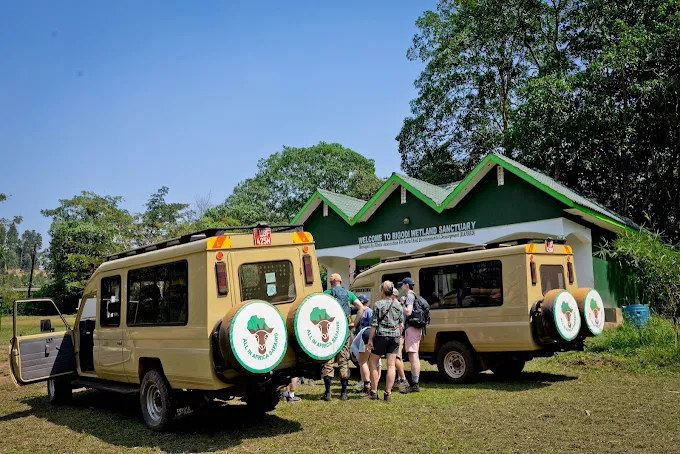
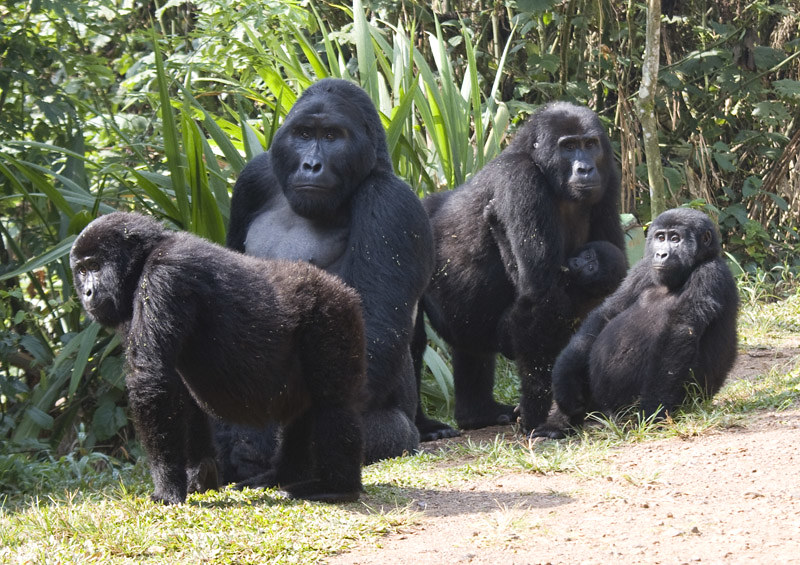
Given its position en route to Bwindi, Lake Mburo pairs naturally with gorilla trekking, letting travelers break up the long drive south with a genuinely worthwhile wildlife stop rather than treating the journey as pure transit time. This combination has become one of the more popular ways to add extra value to a standard gorilla trekking itinerary.
Getting to Lake Mburo National Park
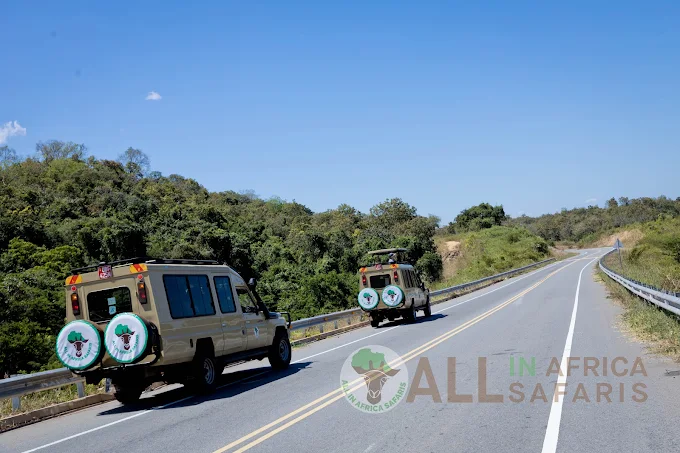
Lake Mburo sits conveniently along the main road between Kampala and Bwindi Impenetrable National Park, roughly three to four hours from the capital, making it a natural stopover for travelers heading toward gorilla trekking rather than a dedicated separate trip.
Territorial Males and the Rutting Season
During the rutting season, territorial male impala defend breeding harems through a combination of vocal roaring, physical posturing, and occasionally genuine sparring contests with rival males, a display of dominance genuinely different from the calmer, more settled herd behaviour typical outside this period. Successful territorial males can maintain a harem for a limited window before being challenged and displaced by a rival, a constant turnover that keeps rutting-season dynamics genuinely active and worth observing.
Impala’s Distinctive Physical Features
Male impala carry distinctive lyre-shaped, ridged horns used both for territorial display and genuine physical contests during the rut, while females remain hornless, a clear visual distinction that makes sexing a herd from a distance genuinely straightforward even for less experienced visitors. Their reddish-brown coat, pale underside, and distinctive black stripe markings on the rear legs and tail further set impala apart from Lake Mburo’s other resident antelope species.
Impala and the Park’s Wider Antelope Diversity
Beyond impala, Lake Mburo holds genuinely healthy populations of eland, Africa’s largest antelope species, alongside Uganda’s only zebra population, making the park a genuinely rewarding destination for travelers specifically interested in antelope diversity within a single compact reserve.
Why First-Time Visitors Often Underrate Impala Sightings
Travelers focused primarily on the park’s zebra and giraffe sometimes treat impala sightings as a lesser priority given how numerous they are, yet guides consistently note that a closer look at rutting-season territorial displays or a herd’s coordinated leaping response to a perceived threat genuinely rewards more attention than a passing glance typically allows.
Combining Impala Viewing With a Wider Uganda Circuit
Beyond its role as a stopover en route to Bwindi, Lake Mburo also works as part of a longer circuit including Murchison Falls or Kibale’s chimp trekking, giving travelers a genuinely varied Uganda experience spanning antelope diversity, Big Five wildlife, and forest primates within a single well-planned trip.
Best Lodges for Impala-Focused Visits
Properties positioned near the park’s main game-viewing circuit genuinely simplify logistics for travelers specifically prioritising impala and wider antelope viewing, cutting down on drive time before and after game drives. Discussing lodge location directly with your operator, alongside current information on recent herd movement, is genuinely worth doing before finalising your complete Lake Mburo itinerary.
Impala Alarm Behaviour and Predator Response
When threatened, impala herds often scatter in a genuinely chaotic burst of leaping in multiple directions simultaneously, a defensive strategy that makes it genuinely difficult for a predator to single out and pursue one specific individual amid the confusion. This coordinated, seemingly disordered scattering is actually a well-documented, genuinely effective survival tactic that has helped impala remain one of the more consistently resilient antelope species found anywhere across East Africa despite ongoing, sustained predator attention over many generations.
Getting to Lake Mburo From Other Uganda Destinations
Beyond the standard Kampala-Bwindi route, travelers arriving from Queen Elizabeth National Park or Kibale Forest can also reach Lake Mburo via a reasonably convenient connecting drive, making it a genuinely flexible, convenient stop regardless of which specific direction a broader Uganda circuit happens to be travelling.
Frequently Asked Questions
Why does Lake Mburo have so many impala?
The park’s ideal mixed grassland and acacia woodland habitat suits impala particularly well, supporting what’s frequently cited as Uganda’s densest population.
Can I see impala alongside Lake Mburo’s zebra?
Yes, both species share much of the same open grassland habitat, making it possible to see them within a single game drive.
Are impala dangerous to encounter on a walking safari?
No, genuinely not – impala are naturally skittish and flee rather than confront, making them safe to observe on foot with a ranger guide.
What’s the best time of year to see impala in Lake Mburo?
Year-round given their resident status, making seasonal timing genuinely less critical than for other Uganda wildlife.
Is Lake Mburo worth visiting on the way to gorilla trekking?
Genuinely yes – its position directly on the route to Bwindi makes it an efficient, worthwhile stop rather than a detour.
Ready to Plan Your Lake Mburo Safari?
Whether the park’s dense impala population, Uganda’s only zebra herds, or a stop en route to gorilla trekking is your priority, our team can build an itinerary matched to your interests. Get in touch with our team below today and let’s start planning your complete Uganda safari itinerary together.

No comment