
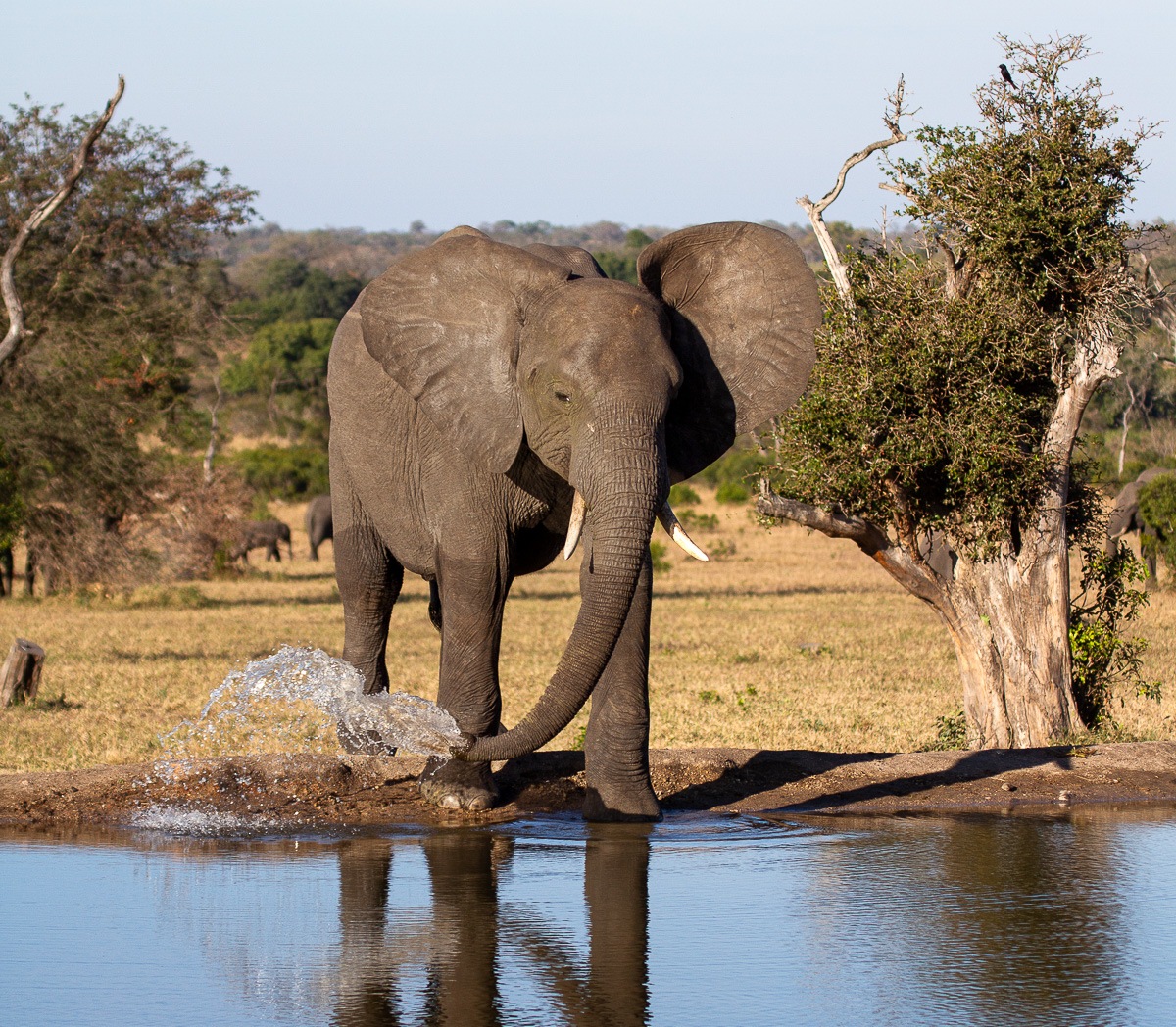
Elephant herds move through Lake Manyara National Park’s dense groundwater forest in genuinely close, intimate encounters rarely possible in Tanzania’s larger, more open parks, the tight forest canopy forcing vehicles and elephants into a proximity that makes this small park one of the country’s most underrated elephant-viewing destinations.
Why Lake Manyara’s Forest Setting Changes the Experience
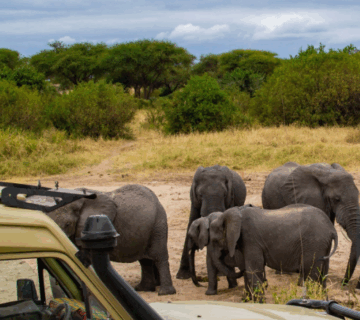
Unlike the open-plains elephant sightings typical of the Serengeti or Tarangire, Lake Manyara’s elephants move through dense groundwater forest, meaning encounters here often happen at genuinely close range along narrow forest tracks rather than across wide open distance. This proximity gives visitors a distinctly different, more immersive sense of elephant behaviour than the more distant sightings typical elsewhere in Tanzania.
Where to Find Elephants in Lake Manyara
Elephants range throughout the park’s groundwater forest and adjacent grassland bordering the alkaline lake, drawn by the dense vegetation’s shade and the reliable water the underground springs provide even during the driest months. This year-round water availability means elephant sightings here remain genuinely consistent regardless of season, unlike parks more dependent on seasonal rainfall.
Herd Density Within a Compact Park
Despite Lake Manyara’s genuinely modest overall size, the park supports a notably dense elephant population, a reflection of the rich forage the groundwater forest provides within a remarkably concentrated area. This density is part of why Lake Manyara consistently outperforms visitor expectations for a park often scheduled as a brief Northern Circuit stopover rather than a dedicated wildlife destination.
Elephants and Lake Manyara’s Tree-Climbing Lions
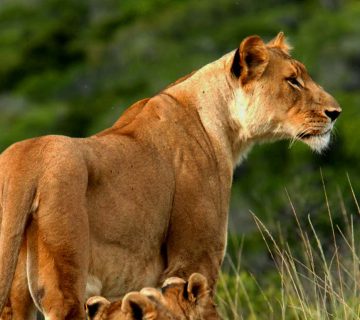
The park’s notably dense elephant population shares habitat with its famous tree-climbing lions, and some researchers point to elephant presence as a contributing factor behind the unusual lion behaviour, with lions potentially using elevated branches to maintain safer distance from large, occasionally unpredictable herds moving through shared forest territory.
Herd Structure and Family Life
Lake Manyara’s elephant herds are led by an experienced matriarch, whose knowledge of the forest’s water sources and safe movement corridors genuinely shapes herd survival through the compact park’s varied habitat. Adult males generally live more solitary lives once mature, occasionally moving between the park’s forest and open grassland areas independently of the main breeding herds.
Best Time of Year for Elephant Sightings
Elephants are visible in Lake Manyara year-round given the groundwater forest’s consistent water supply, making seasonal timing genuinely less important here than in Tanzania’s larger, more rainfall-dependent parks. See our regional best-time guide for how East Africa’s broader seasonal patterns still affect wider trip planning.
Self-Drive vs Guided Safaris for Elephant Viewing
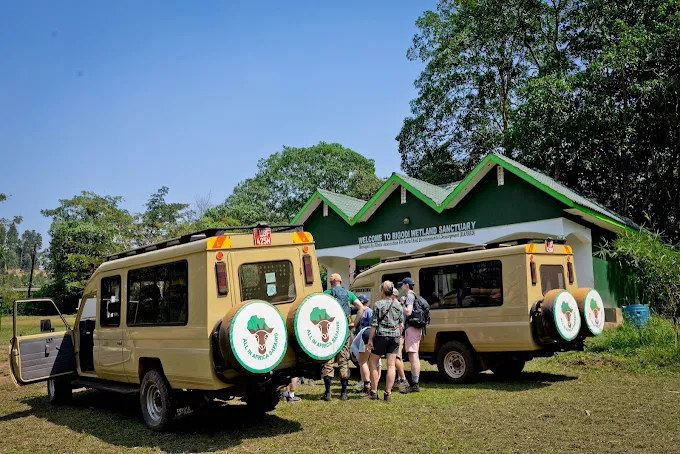
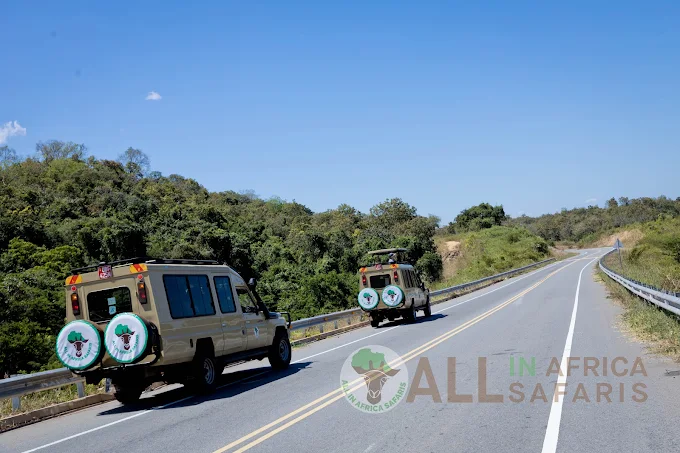
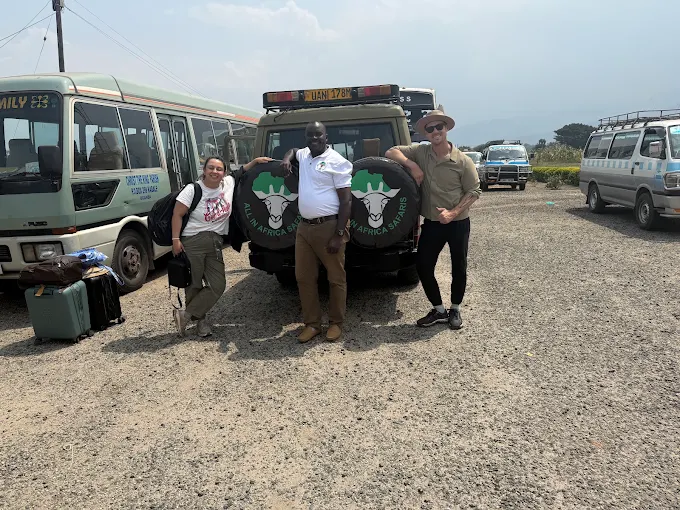
Lake Manyara’s compact size and well-maintained road network make elephant sightings genuinely reliable on both self-drive and guided visits, though a guided safari still adds real value in coordinating sightings around current herd movement between the forest and open grassland areas. Most visitors combine Lake Manyara with a wider guided Northern Circuit itinerary.
Photographing Lake Manyara’s Elephants
The groundwater forest’s dappled light and dense green backdrop offer genuinely distinctive photographic opportunities compared to the open-plains elephant sightings typical elsewhere in Tanzania, particularly for close-range portraits along narrow forest tracks. A mid-range zoom covers most encounters well, similar to the gear recommended in our camera gear guide.
What to Pack for a Lake Manyara Safari
Standard game drive gear – neutral clothing, sun protection, and binoculars – covers most of what the park requires, and a scarf for the sometimes dusty groundwater forest trails adds real comfort. If your wider itinerary includes gorilla trekking, our gorilla trekking packing list covers that portion separately.
Combining Elephant Viewing With a Wider Northern Circuit
Lake Manyara is commonly included as a stop between Arusha and the Ngorongoro Crater or Serengeti, giving travelers genuine additional elephant-viewing opportunities across Tanzania’s other ecosystems within a single well-planned trip alongside the Serengeti’s own resident herds.
Getting to Lake Manyara National Park
Lake Manyara sits within roughly two hours of Arusha by road, making it one of the more accessible parks on a standard Northern Circuit itinerary and a natural first or last stop given its proximity to Kilimanjaro International Airport. This convenient positioning is genuinely part of why so many Tanzania itineraries include a Lake Manyara stop rather than treating the park as an optional detour.
Elephant Behaviour in Forest vs Open Habitat
Elephants moving through Lake Manyara’s dense groundwater forest often display noticeably different behaviour than herds in open savannah, using tighter, well-worn forest paths and relying more heavily on scent and hearing than the long-distance visual cues elephants use to coordinate movement across open plains elsewhere in Tanzania. This behavioural adaptation genuinely reflects how much habitat shapes elephant movement patterns within the same species.
Elephants’ Role in Lake Manyara’s Ecosystem
As one of the park’s most significant large herbivores, elephants shape groundwater forest structure through browsing pressure, opening dense thicket into a mixed woodland mosaic that in turn benefits numerous other species sharing the same compact habitat. This ecological engineering role makes elephants genuinely and considerably central to Lake Manyara’s long-term habitat structure, not merely a headline sighting for visitors.
Comparing Lake Manyara’s Elephants to Tarangire’s
While Tarangire is generally considered Tanzania’s premier elephant destination given its exceptional dry-season concentrations along the Tarangire River, Lake Manyara’s forest setting offers a genuinely different, more intimate viewing style worth including on the same broader Northern Circuit itinerary rather than choosing between the two parks.
Conservation Within a Compact Protected Area
Lake Manyara’s relatively small size makes ongoing habitat protection genuinely important to sustaining its notably dense elephant population, and continued anti-poaching efforts and community conservation programmes bordering the park support the same forest ecosystem elephants depend on year-round. Tourism revenue from the park directly supports this ongoing protection effort.
Bull Elephants and the Musth Period
Mature male elephants periodically enter a heightened hormonal state known as musth, during which they can become considerably more assertive than their usual solitary, generally calm demeanour suggests. Within Lake Manyara’s tighter forest tracks, guides watch closely for the physical signs of musth, including visible temporal gland secretion, and adjust vehicle positioning accordingly given how much less room to manoeuvre the dense forest setting allows compared to open savannah.
Elephant Communication Within Dense Forest
Lake Manyara’s elephant herds communicate through low-frequency rumbles, trunk touches, and body contact that reinforce social bonds within the family unit, though the dense groundwater forest genuinely limits how far these signals travel compared to open plains elsewhere in Tanzania. Calves remain closely attended by multiple adult females within the herd, a cooperative caregiving structure that gives young elephants a genuinely strong survival advantage during their vulnerable early years.
Why Guides Approach Forest Elephants Differently
Navigating narrow groundwater forest tracks alongside elephant herds requires genuinely different driving and positioning skill than open-plains encounters, since limited visibility and tighter turning space leave less margin for adjusting distance quickly if a herd moves unexpectedly. Experienced Lake Manyara guides develop this skill specifically through repeated exposure to the park’s particular forest conditions, making guide experience genuinely and considerably more valuable here beyond what a standard open-savannah safari might otherwise require.
Combining Elephant Viewing With a Full Big Five Circuit
Elephant sightings in Lake Manyara pair naturally with a wider circuit covering the full Big Five, since the park’s own strong elephant and buffalo numbers complement the Ngorongoro Crater’s dense wildlife concentration and the Serengeti’s open-plains diversity within a single well-sequenced Northern Circuit trip.
Best Lodges for Elephant-Focused Visits
Properties positioned near the park’s main entrance gate or along the escarpment overlooking the lake genuinely simplify logistics for travelers prioritising elephant and wider game viewing, cutting down on transfer time before and after game drives. Discussing lodge location directly with your operator, alongside current information on recent herd movement through the forest, is genuinely worth doing before finalising your complete Lake Manyara itinerary.
Frequently Asked Questions
Is Lake Manyara a good destination for elephant viewing?
Yes, genuinely so – the park supports a notably dense elephant population within a remarkably compact, forested protected area.
How does forest elephant viewing differ from open-plains sightings?
Encounters here often happen at genuinely close range along narrow forest tracks, offering a more intimate experience than distant open-plains sightings elsewhere.
What’s the best time of year to see elephants in Lake Manyara?
Year-round given the groundwater forest’s consistent water supply, making seasonal timing genuinely less important than in Tanzania’s larger parks.
Can I see elephants alongside Lake Manyara’s tree-climbing lions?
Yes, both species share much of the same compact forest habitat, making it possible to see both within a single game drive.
Is Lake Manyara or Tarangire better for elephant viewing?
Both offer genuinely strong sightings, with Tarangire providing larger dry-season concentrations and Lake Manyara offering a more intimate forest setting.
Ready to Plan Your Lake Manyara Safari?
Whether the park’s dense elephant population, its famous tree-climbing lions, or a full Northern Circuit itinerary is your priority, our team can build a Tanzania trip matched to your time and interests. Get in touch with our team below today and let’s start planning your complete Tanzania safari itinerary together.

No comment