
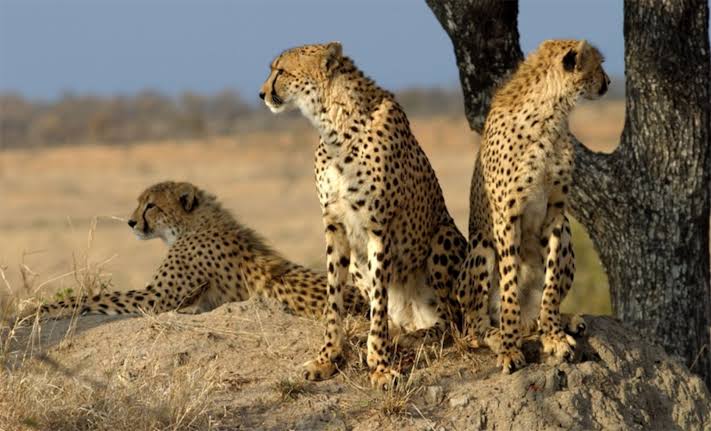
Cheetahs hunt the Serengeti’s open, short-grass plains in broad daylight, relying on raw speed rather than the cover and stealth other big cats depend on, making the park’s vast, largely treeless southeastern plains genuinely one of the best places anywhere in Africa to watch a hunt unfold in full view.
Why the Serengeti Suits Cheetahs So Well
Cheetahs depend on open sightlines to spot prey from a distance and clear ground to reach the extraordinary speeds their hunting style requires, conditions the Serengeti’s short-grass plains provide better than almost anywhere else in East Africa. This open terrain, largely free of the dense woodland that favours ambush predators like leopard, gives cheetahs a genuine competitive advantage within this particular ecosystem.
Where to Find Cheetahs in the Serengeti
The southeastern short-grass plains around Ndutu and Naabi Hill offer the most reliable cheetah sightings, particularly during the wildebeest calving season when abundant vulnerable prey draws consistent hunting activity. Cheetahs also range through the central Seronera area, though generally in lower densities than the open southern plains specifically favour.
Hunting Behaviour and Daytime Activity
Unlike lions and leopards, which hunt primarily at dawn, dusk, or through the night, cheetahs hunt almost exclusively during daylight hours, avoiding competition with other predators and relying on keen eyesight to spot prey across considerable open distance. This daytime hunting pattern makes cheetahs genuinely one of the more viewable predators for standard game drive schedules, since sightings don’t depend on the low-light conditions that limit lion and leopard activity.
Cheetah Speed and Hunting Technique
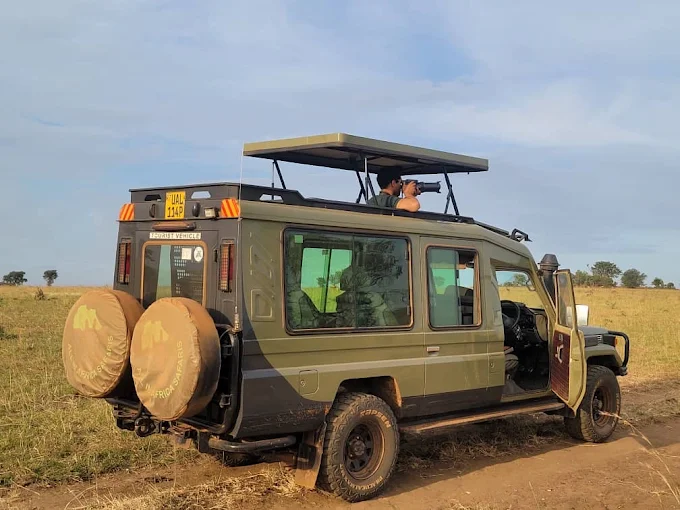
A hunting cheetah can reach speeds well over 100 kilometres per hour in short bursts, though this extraordinary speed comes at genuine physiological cost, and a chase rarely extends beyond a few hundred metres before the cat must abandon the pursuit or make the kill. Guides who understand this limitation position vehicles carefully once a cheetah begins stalking, giving guests the best chance of witnessing the full sequence without disturbing the hunt itself.
Cheetahs and the Serengeti’s Wildebeest Migration
The wildebeest migration’s calving season, when hundreds of thousands of vulnerable calves are born across the southern plains within a few concentrated weeks, draws genuinely intense cheetah hunting activity, making this specific window one of the most reliable times to witness a full chase from start to finish.
Cheetahs Compared to the Serengeti’s Other Big Cats
Cheetah sightings complement the park’s resident lion prides and leopard population, though each species occupies a genuinely distinct ecological niche shaped by differing hunting style, habitat preference, and daily activity pattern, giving a single game drive real potential for observing all three in strikingly different behavioural contexts.
Threats Cheetahs Face From Other Predators
Despite their speed advantage during a hunt, cheetahs are genuinely vulnerable to losing kills to lions and hyenas, and cheetah cubs face significant predation risk from these same larger competitors, a pressure that has shaped cheetah behaviour toward hunting in open areas where approaching danger can be spotted early. This competitive pressure is a major reason cheetah populations remain considerably lower than lion numbers across most shared ecosystems.
Best Time of Year for Cheetah Sightings
Cheetahs are visible in the Serengeti year-round given their resident status across the park’s open plains, though the calving season, roughly January to March on the southern plains, offers the most concentrated and dramatic hunting activity. See our regional best-time guide for how East Africa’s seasonal patterns generally affect game viewing.
Self-Drive vs Guided Safaris for Cheetah Viewing
Spotting a cheetah across the vast, subtly featured southern plains genuinely benefits from guide experience and current information on recent sightings, given how easily a resting cheetah can blend into low grass at a distance. Most visitors combine Serengeti with a wider guided Northern Circuit itinerary rather than attempting a dedicated self-drive visit specifically for cheetah.
Photographing Serengeti Cheetahs
The open plains cheetahs favour offer genuinely excellent photographic opportunities, particularly during an active hunt when a low, uninterrupted horizon provides a clean backdrop for capturing full-speed pursuit. A telephoto lens with a fast shutter speed is essential for freezing the motion of a chase, similar to the gear recommended in our camera gear guide.
Mother-Cub Dynamics and Cub Survival
Female cheetahs raise cubs alone, without the cooperative pride structure lions rely on, making cub survival genuinely precarious given the constant threat from lions and hyenas across the open plains. A mother teaching cubs to hunt is one of the more compelling behavioural sightings the Serengeti offers, though it requires genuine patience and often several days of tracking the same family group.
Combining Cheetah Viewing With a Wider Northern Circuit
The Serengeti is commonly paired with Ngorongoro Crater and Tarangire on a standard Northern Circuit itinerary, giving travelers genuine additional cheetah-viewing opportunities across Tanzania’s other open-plains ecosystems within a single well-planned trip.
What to Pack for a Serengeti Safari
Standard game drive gear – neutral clothing, sun protection, and binoculars – covers most of what the park requires. If your wider itinerary includes gorilla trekking, our gorilla trekking packing list covers that portion separately.
Conservation Status of Serengeti Cheetahs
Cheetah populations across Africa have faced genuine pressure from habitat fragmentation and competition with larger predators, though the Serengeti’s vast protected plains offer one of the continent’s more stable strongholds for the species. Ongoing research within the ecosystem continues to track individual cheetahs, contributing genuinely valuable data to wider conservation efforts across East Africa.
Comparing Serengeti Cheetahs to the Masai Mara
Kenya’s Masai Mara shares the same broader Serengeti-Mara ecosystem and offers genuinely comparable cheetah viewing, particularly given the shared migration and open-plains habitat straddling the international border, making either destination a strong choice depending on which side of the ecosystem your wider itinerary favours.
How Cheetah Body Structure Enables Their Speed
A cheetah’s entire physique is genuinely built around speed rather than power, with a lightweight frame, an unusually flexible spine that extends stride length, and semi-retractable claws that function more like running spikes than the fully retractable claws other cats use for climbing and grasping prey. This specialised anatomy comes at a real cost, since cheetahs are considerably weaker in a direct physical confrontation than lions, leopards, or hyenas, forcing them to rely almost entirely on outrunning rather than overpowering their prey.
Coalition Behaviour Among Male Cheetahs
Unlike solitary female cheetahs, male cheetahs frequently form small coalitions, often between brothers from the same litter, that hunt and defend territory together for years at a time. These coalitions genuinely improve individual survival odds and hunting success compared to a lone male, and spotting a coalition working together during a hunt offers a noticeably different viewing experience from watching a solitary female or a mother with cubs.
Vocalisations and How Cheetahs Communicate
Cheetahs lack the deep roar associated with lions and leopards, instead communicating through a distinctive high-pitched chirping sound, along with purrs and growls, reflecting their genuinely different position within the broader cat family’s evolutionary tree. This vocal difference is one of several traits, alongside their non-retractable claws, that set cheetahs apart from Africa’s other big cats in ways worth knowing before you visit.
Why Guides Value Early Morning Departures for Cheetah Sightings
Cheetahs often begin hunting shortly after sunrise, before the day’s heat sets in and while prey species are still actively grazing across open ground, making an early game drive departure genuinely valuable for travelers specifically hoping to witness a hunt. Guides who track recent cheetah movement closely can often position vehicles well ahead of an anticipated hunting attempt, though the unpredictable nature of a wild hunt means patience remains essential regardless of timing.
What Distinguishes a Cheetah From a Leopard at a Distance
First-time visitors sometimes confuse cheetahs and leopards from a distance, though the two are genuinely easy to tell apart once you know what to look for: cheetahs have simple round spots and a distinctive dark tear-mark running from the eye to the mouth, a lankier, more greyhound-like build, and a habit of sitting upright and alert on slightly raised ground, while leopards carry rosette-patterned spots and a stockier, more muscular frame built for climbing and ambush rather than sustained open-ground speed.
Frequently Asked Questions
Where in the Serengeti are cheetahs most reliably seen?
The southeastern short-grass plains around Ndutu and Naabi Hill, particularly during the wildebeest calving season from roughly January to March.
Do cheetahs hunt at night like lions?
No, cheetahs hunt almost exclusively during daylight hours, relying on keen eyesight and avoiding competition with nocturnal predators.
How fast can a hunting cheetah run?
Well over 100 kilometres per hour in short bursts, though the chase itself rarely extends beyond a few hundred metres.
Are cheetah cubs vulnerable to other predators?
Yes, genuinely so – lions and hyenas pose significant predation risk, and female cheetahs raise cubs alone without pride support.
Is the Serengeti or the Masai Mara better for cheetah viewing?
Both offer genuinely comparable viewing given the shared ecosystem, so the choice generally comes down to which side of the border your wider itinerary favours.
Ready to Plan Your Serengeti Safari?
Whether the Serengeti’s cheetahs, the wildebeest migration, or a full Northern Circuit itinerary is your priority, our team can build a Tanzania trip matched to your time and interests. Get in touch with our team below today and let’s start planning your complete Tanzania safari itinerary together.

No comment