
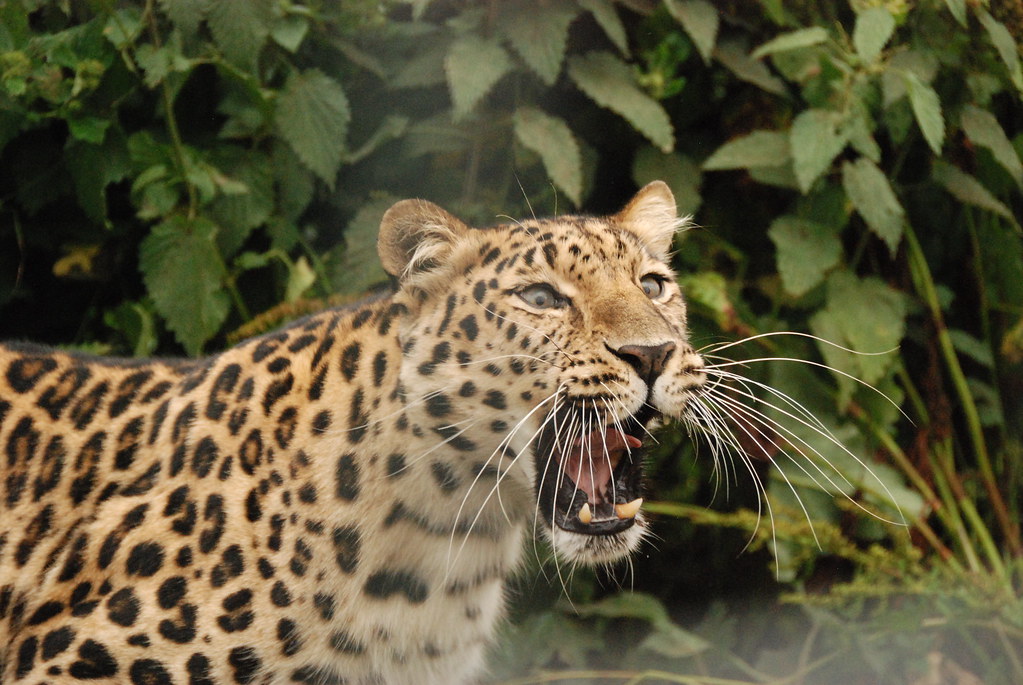

Leopards in Ngorongoro Crater are the caldera’s most elusive Big Five member, favouring the wooded slopes of the crater rim and the denser cover of Lerai Forest rather than the open grassland where the crater’s other Big Five species are more easily spotted from a vehicle.
Where to Find Leopards in Ngorongoro
Leopards favour Lerai Forest and the wooded lower slopes of the crater rim, avoiding the open grassland that lion, buffalo, and elephant prefer in favour of the cover and elevated vantage points that suit their ambush hunting style. Experienced guides know specific trees and forest edges worth checking on any given drive, though sightings remain genuinely rarer here than for the crater’s other Big Five species.
Why Leopards Are Harder to Find in Ngorongoro
Despite the crater’s overall wildlife density, leopards remain genuinely elusive here just as everywhere else, given their solitary, largely nocturnal habits and preference for dense cover over the open grassland that makes the crater’s other species so consistently visible. This contrast, high overall density but low leopard visibility, is part of what makes a genuine leopard sighting here feel like a real accomplishment.
Best Time of Day for Leopard Sightings
Leopards are most active around dawn, dusk, and after dark, making early morning and late afternoon game drives the strongest windows for a sighting in Ngorongoro, much as in any other leopard destination. Guides who work the crater regularly know to check Lerai Forest and the rim’s wooded slopes during these low-light windows when leopards are most likely to be resting visibly.
Ngorongoro’s Full Big Five Picture
Leopard is one of five species making Ngorongoro Crater one of the very few places in Africa where a genuine Big Five day is realistically achievable, alongside rhino, lion, elephant, and buffalo concentrated within the same compact crater floor.
Leopard Hunting Behaviour in Ngorongoro
Ngorongoro’s leopards hunt primarily at night, targeting antelope and smaller mammals within the crater’s wooded areas, before typically hoisting larger kills into tree branches to protect them from the crater’s exceptionally dense lion population and hyenas competing for the same prey base. This kill-caching behaviour, when spotted, offers one of the more reliable indirect signs of leopard presence.
The Crater’s Unique Geological Formation
Ngorongoro Crater, technically a caldera rather than a true crater, formed when a massive volcano estimated to have once stood taller than Kilimanjaro collapsed inward on itself roughly two to three million years ago. This geological event created the world’s largest inactive, intact, and unfilled volcanic caldera, and the crater rim’s wooded slopes provide exactly the cover leopards favour within this otherwise open landscape.
How Ngorongoro Compares to Other Leopard Destinations
The Serengeti’s Seronera Valley generally offers higher overall leopard density given its more extensively studied population and richer riverine forest cover, but Ngorongoro’s compact size means any leopard sighting here can be combined with the rest of the Big Five within the same single day.
Self-Drive vs Guided Safaris in Ngorongoro
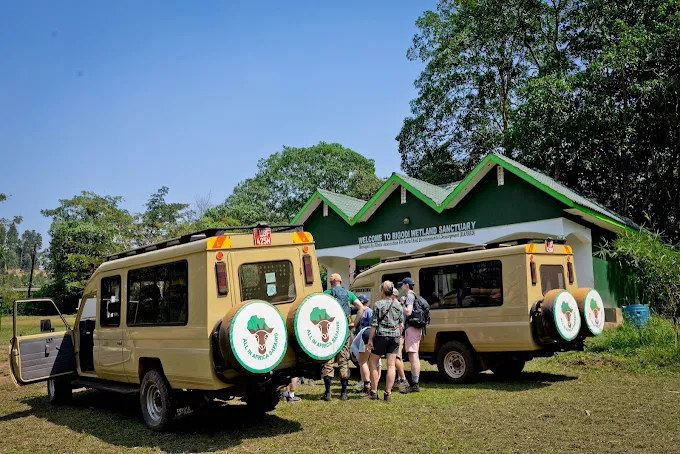
Self-driving on the crater floor is not permitted for independent tourists without a licensed guide, given the area’s protected status and the value of coordinated vehicle movement in such a compact space. A guided safari is essentially mandatory here, and experienced guides significantly improve leopard-sighting odds through current knowledge of the population’s typical movement.
Photographing Ngorongoro’s Leopards
Leopard sightings tend to be brief and often partially obscured by Lerai Forest’s dense canopy, so a fast telephoto lens and quick reflexes make a genuine difference to capturing a usable shot when the opportunity arises. Early morning and late afternoon light, when leopards are most active, also happens to offer the clearest crater rim views for any wider landscape shots.
Why Patience Matters More for Leopard Sightings
Unlike lion or buffalo, where a single sighting often means an easy, extended viewing opportunity given the crater’s overall density, leopard encounters here are frequently brief, sometimes lasting only seconds before the animal melts back into cover. Guides who work the crater regularly recommend treating any leopard encounter as a genuine bonus rather than a guaranteed part of the itinerary.
What to Pack for a Ngorongoro Safari
Standard game drive gear – neutral clothing, sun protection, and binoculars – covers most of what the crater requires, and a warm layer is worth packing given how cool mornings along the crater rim can feel at this altitude. If your wider East Africa itinerary includes gorilla trekking, our gorilla trekking packing list covers that portion separately.
Crater Descent and Logistics
Access to the crater floor is via a single steep descent road, with vehicles typically spending a full day exploring before ascending again in the afternoon, a logistical structure that shapes how most Ngorongoro visits are planned. Most visitors stay at a lodge along the crater rim, offering genuinely spectacular views over the crater floor below.
Combining Leopard Viewing With a Serengeti Extension
Most Tanzania itineraries pair Ngorongoro with the neighbouring Serengeti, given the two parks’ close proximity and complementary wildlife highlights, giving travelers both the crater’s compact Big Five circuit and the Serengeti’s vast, open-plains leopard search within a single well-planned trip. See our Big Five guide for how to sequence this combination.
Leopard Territorial Behaviour on the Crater Rim
Leopards are fiercely territorial, and individual leopards around Ngorongoro likely maintain home ranges shaped by the crater rim’s wooded slopes and Lerai Forest, with less overlap into the open grassland dominated by the crater’s other large herbivores. This territorial spacing is part of why leopard density here stays naturally lower than the crater’s famously concentrated lion, buffalo, and elephant populations.
Leopard Cubs and Breeding in Ngorongoro
Female leopards raise cubs alone, without support from a mate, keeping them hidden in dense forest cover for the first several weeks of life before gradually introducing them to short hunting excursions. Sightings of a mother with cubs are considerably rarer than adult sightings alone, given how carefully females protect young cubs from the very real threat posed by the crater’s exceptionally dense lion population.
Leopard Conservation Within the Ngorongoro Ecosystem
Leopards face less direct poaching pressure than species valued for ivory or horn, and the crater’s broader conservation infrastructure, including consistent ranger presence and the area’s protected caldera status, benefits leopard habitat alongside the rest of Ngorongoro’s protected wildlife. This overlapping conservation effort supports leopard populations even without species-specific research comparable to the crater’s famous rhino monitoring programme.
Best Lodges for Leopard-Focused Ngorongoro Visits
Properties along the crater rim near Lerai Forest genuinely simplify logistics for travelers specifically prioritising leopard sightings, cutting down on drive time to the areas where sightings are most likely. Discussing lodge location directly with your operator is worth doing if leopard viewing is a genuine priority alongside the crater’s more reliable Big Five species.
Setting Realistic Expectations for a Leopard Sighting
Given how rare leopard sightings genuinely are even in well-studied parks, Ngorongoro visitors specifically hoping for a leopard encounter should treat any sighting as a genuine bonus rather than a guaranteed part of the itinerary, while still enjoying the crater’s considerably more reliable lion, elephant, buffalo, and rhino viewing. Guides who work the crater regularly are usually upfront about this trade-off from the outset.
Getting to Ngorongoro Crater
Most visitors reach Ngorongoro by road from Arusha, a journey of roughly three to four hours, often combined with the drive onward to the Serengeti given the two parks’ close proximity. Lodges along the crater rim offer the most convenient access to the single descent road used for crater floor game drives each morning.
Visiting Responsibly: Supporting Ongoing Conservation
Every visitor to Ngorongoro contributes directly to the crater’s ongoing conservation funding through park fees and guided activity costs, supporting the same ranger patrols and monitoring programmes that protect leopard and the crater’s wider wildlife. See our Murchison Falls leopard guide and Tarangire leopard guide for how leopard habitat compares across Uganda and Tanzania’s different parks.
Frequently Asked Questions
Are leopards common in Ngorongoro?
They’re present but genuinely elusive, given their solitary, largely nocturnal habits, making sightings rarer than the crater’s more visible lion, elephant, and buffalo.
What’s the best area of the crater for leopard sightings?
Lerai Forest and the wooded lower slopes of the crater rim consistently produce the strongest leopard sightings within the caldera.
Is Ngorongoro or the Serengeti better for leopard sightings?
The Serengeti generally offers higher density, but Ngorongoro’s compact size means a leopard sighting here comes alongside the rest of the Big Five in one day.
Can I drive myself around the crater floor?
No, a licensed guide is required for crater floor access, both for conservation reasons and to navigate the area’s coordinated vehicle movement system.
Can I see the full Big Five in one day at Ngorongoro?
Yes, this is one of the very few places in Africa where a genuine Big Five day, leopard included, is realistically achievable within a single visit.
Ready to Plan Your Ngorongoro Safari?
Whether Ngorongoro’s elusive leopards, a full Big Five day, or a combination with the Serengeti is your priority, our team can build a Tanzania trip matched to your time and interests. Get in touch with our team below today and let’s start planning your complete safari together.

No comment