
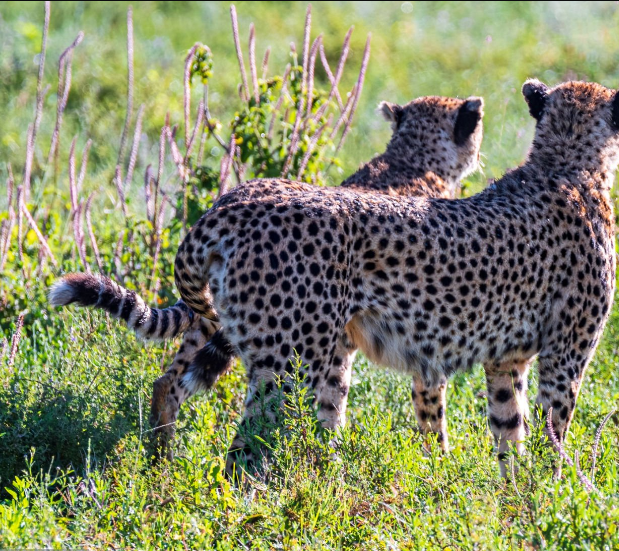
Cheetahs in the Masai Mara hunt across some of the most open, unobstructed grassland in East Africa, terrain that suits their speed-based hunting style perfectly and has made the Mara one of the best places on the continent to watch a genuine high-speed chase unfold.
Where to Find Cheetahs in the Masai Mara
Cheetahs favour the Mara’s open plains rather than the denser riverine woodland leopards prefer, since their entire hunting strategy depends on clear sightlines and open ground for a high-speed chase. The Mara Triangle and areas around Rhino Ridge and Paradise Plains have particularly strong reputations among guides for consistent cheetah sightings.
Why the Mara Suits Cheetahs So Well
Unlike leopards, which rely on stealth and ambush from cover, cheetahs hunt through explosive speed across open terrain, making them uniquely suited to the Mara’s expansive, largely unobstructed grassland. This same openness that benefits their hunting style also makes cheetahs themselves easier for visitors to spot than the ecosystem’s more secretive leopard population.
The Mara’s Famous Cheetah Families
Several of the Mara’s cheetah families have become genuinely famous among safari guides and repeat visitors, tracked and followed across multiple generations by researchers and tour operators alike. This individual recognition means experienced guides can often provide detailed background on a specific cheetah’s history, cubs, and territory during a sighting, adding real depth beyond simply observing the animal itself.
Cheetah Hunting Behaviour
Cheetahs hunt during daylight hours, unlike the largely nocturnal leopard, giving visitors a genuinely higher chance of witnessing an actual hunt rather than relying on luck to catch a predator already active. Their hunts are explosive but short, reaching speeds up to around 100 kilometres per hour in bursts lasting only seconds, targeting smaller, faster prey like Thomson’s gazelle that larger predators often can’t catch.
Cheetahs vs the Mara’s Other Predators
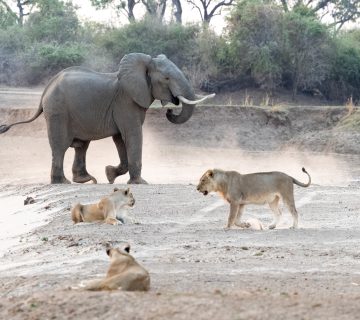
Cheetahs face genuine competition and predation risk from the Mara’s dense lion and hyena population, both of which will steal a cheetah’s kill or threaten cubs given the chance, making cheetahs generally more cautious and skittish around other predators than leopards or lions themselves. This dynamic is part of why cheetah mothers with cubs are especially vigilant, often abandoning a fresh kill entirely rather than risk a confrontation.
Best Time of Year for Cheetah Sightings
Cheetahs are visible in the Masai Mara year-round given their resident status, though the dry season, roughly June to October, generally offers easier visibility as vegetation thins across the open plains they favour. This window also overlaps with the wildebeest migration, adding Thomson’s gazelle and other smaller prey species to the mix that sustain resident cheetah families.
How the Mara Compares to the Serengeti for Cheetahs
Since the Mara and Serengeti form a single contiguous ecosystem across the Kenya-Tanzania border, cheetah populations move relatively freely between the two, and sightings on either side offer a broadly similar experience. The Serengeti’s greater overall size gives cheetahs more open plains to range across, though the Mara’s more concentrated wildlife density often makes sightings genuinely easier to locate.
Self-Drive vs Guided Safaris for Cheetah Viewing
Given how much cheetah behaviour depends on open sightlines and current knowledge of which specific families are active in a given area, a guided safari makes a genuine difference to your odds of witnessing an actual hunt rather than simply spotting a resting cheetah. Most visitors book the Mara as part of a fully guided Kenya circuit.
Photographing Masai Mara Cheetahs
Cheetahs perched on termite mounds surveying the plains, a classic pose used to scan for both prey and danger, offer some of the most recognisable and sought-after images in African wildlife photography. A telephoto zoom in the 100-400mm range covers most sightings well, though a hunt itself, when it happens, moves fast enough that a quick, practised hand genuinely matters.
Cheetah Conservation Status in the Mara
Cheetahs face genuine conservation pressure across Africa, including habitat loss and competition with larger predators, making the Mara-Serengeti ecosystem’s healthy population a significant conservation stronghold for the species. Ongoing research tracking individual cheetah families contributes meaningfully to broader understanding of cheetah behaviour and population dynamics across East Africa.
Cheetahs and the Wildebeest Migration
While cheetahs don’t migrate with the wildebeest herds themselves, the arrival of Thomson’s gazelle and other smaller antelope species alongside the migration adds genuine hunting opportunity during peak season, roughly July through October. Watching a cheetah hunt play out against the backdrop of the wider migration spectacle is one of the Mara’s genuinely unforgettable wildlife experiences.
What to Pack for a Masai Mara Safari
Standard game drive gear – neutral clothing, sun protection, and binoculars – covers most of what the Mara requires, along with a warm layer for surprisingly cool early morning drives. If your wider East Africa itinerary includes gorilla trekking elsewhere, our gorilla trekking packing list covers that portion separately.
Combining Cheetah Viewing With the Mara’s Big Five
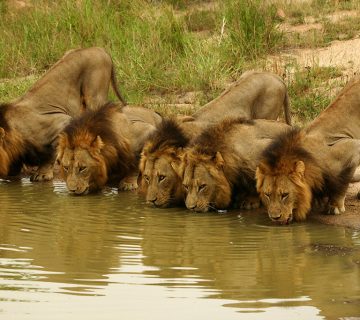
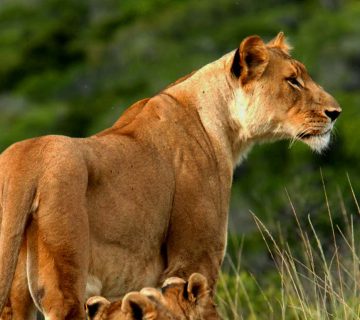
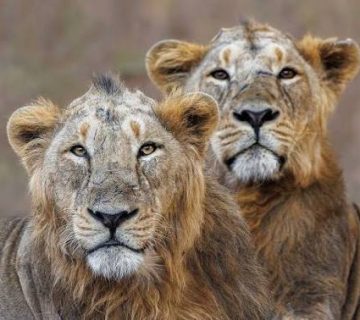
A single game drive focused on cheetah viewing often produces genuinely strong sightings of the reserve’s other wildlife along the same open plains, including lion, elephant, and buffalo, making the Mara one of the most efficient wildlife destinations in East Africa for travelers with limited time.
Cheetah Mothers and Cub Survival
Cheetah cub mortality is genuinely high in the Mara, with lions, hyenas, and even large birds of prey posing a real threat to young cubs left briefly unattended while their mother hunts. This vulnerability shapes much of cheetah behaviour, with mothers moving cubs frequently between hiding spots and remaining constantly alert to the movement of other predators across open terrain.
Coalition Males and Cheetah Social Structure
Unlike females, which are largely solitary except when raising cubs, male cheetahs in the Mara sometimes form small coalitions, typically of brothers from the same litter, that hunt and defend territory together for life. These coalitions hold a genuine advantage over solitary males in securing and defending territory against rival cheetahs, adding an interesting social dimension to the species beyond simple predator-prey dynamics.
Community Conservancies and Cheetah Habitat
The network of community-owned conservancies bordering the core Masai Mara National Reserve has become genuinely important for cheetah conservation, extending open grassland habitat and reducing the human-wildlife conflict that can arise when cheetahs range beyond protected boundaries. These conservancies often permit lower vehicle density than the core reserve, an important consideration given how easily cheetah hunts can be disrupted by too many vehicles crowding a single sighting, and they pair naturally with a wider Big Five circuit most travelers build into a Mara itinerary.
Vehicle Etiquette Around Cheetah Sightings
Given how sensitive cheetahs are to disturbance during a hunt, responsible operators maintain a respectful distance and limit the number of vehicles at any single sighting, since too much pressure can cause a cheetah to abandon a hunt entirely. Choosing a guide and operator known for this kind of responsible wildlife viewing genuinely improves both your own experience and the cheetah’s actual hunting success.
Combining Cheetah Viewing With a Hot Air Balloon Safari
Hot air balloon safaris, launched at dawn from several camps within the Mara, offer a genuinely different perspective on the reserve’s open plains where cheetahs hunt, drifting silently above the grassland as the sun rises. While not guaranteed to pass directly over a hunting cheetah, the aerial view of the ecosystem’s scale is widely rated among visitors as one of the most memorable single experiences of an entire Kenya safari.
Getting to the Masai Mara
Most visitors reach the Masai Mara via a scenic domestic flight from Nairobi, cutting travel time to under an hour compared to a considerably longer overland drive. Multiple airstrips within and around the reserve allow flexible positioning close to whichever specific conservancy or sector best matches your wider wildlife priorities, including the open plains cheetahs favour.
Frequently Asked Questions
Are cheetahs easier to spot than leopards in the Mara?
Generally yes, given their preference for open terrain and daytime activity, compared to leopards’ secretive, largely nocturnal habits in denser cover.
How fast can a Masai Mara cheetah run?
Up to around 100 kilometres per hour in short bursts, though these sprints last only seconds given the physical toll of running at such speed.
Do lions and hyenas threaten cheetahs in the Mara?
Yes, both will steal a cheetah’s kill or threaten cubs given the chance, making cheetahs generally more cautious around the reserve’s dominant predators – see our Tsavo lion guide for a look at Kenya’s other major lion population by contrast.
What’s the best time of year to see a cheetah hunt?
The dry season, roughly June to October, offers easier visibility, and the migration period adds extra prey species that increase hunting activity.
Is the Mara or Serengeti better for cheetah sightings?
Both offer genuinely comparable viewing given the shared ecosystem – see our Serengeti guide for how that side of the ecosystem compares more broadly.
Can I see cheetahs alongside leopards in the same trip?
Yes, both are present in the Mara, though our Masai Mara leopard guide covers how the two species’ very different hunting styles shape where and when you’re likely to spot each.
Ready to Plan Your Masai Mara Safari?
Whether Masai Mara cheetahs, the wildebeest migration, or a full Kenya Big Five circuit is your priority, our team can build a trip matched to your time, budget, and interests. Get in touch with our team below today and let’s start planning your safari together.

No comment