
Zebras of Lake Mburo National Park: Uganda’s Only Zebra Population
Lake Mburo National Park holds Uganda’s only population of plains zebra, making it a genuinely unique stop on a Uganda itinerary for travelers who want to see this iconic striped grazer without needing to fly to Kenya or Tanzania – and given the park’s compact size and convenient position on the road to Bwindi, it’s an easy, worthwhile addition to almost any southwestern Uganda route.
Why Lake Mburo Is Uganda’s Only Zebra Destination
Lake Mburo’s drier, more open savannah woodland provides exactly the grassland habitat zebra depend on, a landscape that’s genuinely rarer in Uganda compared to the country’s more heavily forested and wetland-dominated parks further north and west. This specific habitat niche is why zebra populations never established in Uganda’s other national parks, making Lake Mburo the sole reliable destination for this species within the country.
Where to Find Zebra in Lake Mburo
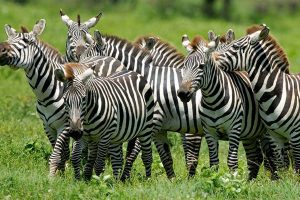
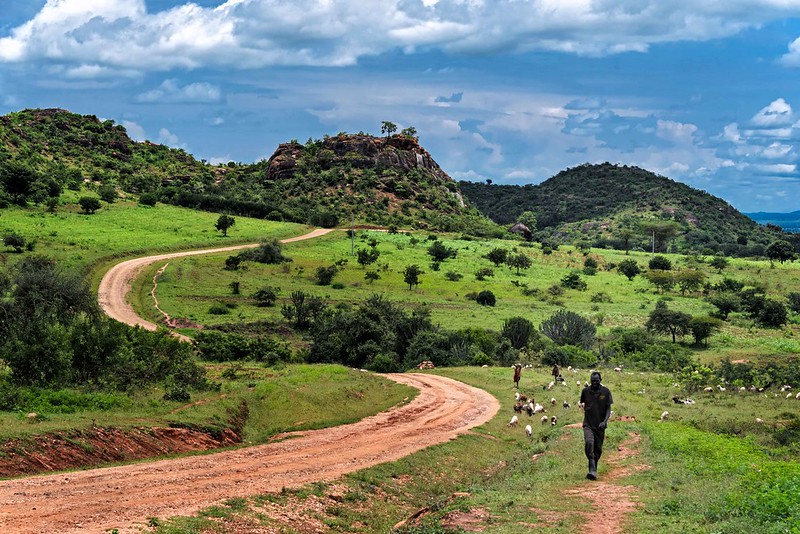
Zebra herds range across the park’s open grassland areas, often mixing with impala, eland, and buffalo in shared grazing areas, particularly around the park’s rolling hills and acacia woodland. Sightings here are genuinely reliable given the park’s relatively compact size compared to Uganda’s larger savannah parks, making a single morning or afternoon game drive a strong bet for good zebra viewing.
Lake Mburo’s Compact Size: A Genuine Advantage
Unlike Uganda’s larger parks, where wildlife can be spread across vast distances, Lake Mburo’s relatively small size concentrates sightings within easy reach of a single game drive, making it possible to see zebra, impala, eland, and buffalo without the long transit times larger parks require. This makes Lake Mburo a genuinely efficient half-day or full-day stop for travelers with limited time.
Zebra Behaviour and Herd Structure
Plains zebra live in family groups led by a dominant stallion, with distinctive stripe patterns unique to each individual, much like a human fingerprint, helping researchers and guides identify specific animals over time. Watching a herd move and graze together offers genuine insight into their complex social structure, considerably more organised than the loose, shifting groups some other grazing species form.
Lake Mburo’s Other Wildlife
Beyond zebra, Lake Mburo holds healthy populations of eland, Africa’s largest antelope species, along with impala, buffalo, and a variety of smaller antelope species, giving the park real depth beyond its signature zebra draw. Leopard are present too, though genuinely elusive, while the park notably lacks elephant and lion, giving it a distinctly different, more relaxed game-viewing character than Uganda’s larger Big Five destinations.
Activities Unique to Lake Mburo
Lake Mburo permits activities not available in Uganda’s larger parks given the absence of lion and reduced elephant presence, including guided walking safaris and mountain biking through zebra and antelope territory, genuinely unique ways to experience African wildlife up close. Boat cruises on Lake Mburo itself add hippo and crocodile viewing alongside excellent birdlife along the shoreline.
Best Time of Year for Zebra Sightings
Zebra are visible in Lake Mburo year-round given their resident status, though the dry seasons, roughly June to August and December to February, offer easier visibility as vegetation thins across the park’s grassland. The park’s relatively small size means seasonal variation matters less here than in Uganda’s larger parks, where water availability more dramatically shifts wildlife distribution.
Getting to Lake Mburo National Park
Lake Mburo sits conveniently along the main road between Kampala and Bwindi Impenetrable National Park, roughly three to four hours from the capital, making it a natural stopover for travelers heading toward gorilla trekking rather than a dedicated separate trip. This positioning is part of why Lake Mburo features in so many longer Uganda itineraries as a scenic, wildlife-rich break in a longer overland journey.
Combining Lake Mburo With Gorilla Trekking
Given its position en route to Bwindi, Lake Mburo pairs naturally with gorilla trekking, letting travelers break up the long drive south with a genuinely worthwhile wildlife stop rather than treating the journey as pure transit time. This combination has become one of the more popular ways to add extra value to a standard gorilla trekking itinerary.
Self-Drive vs Guided Safaris in Lake Mburo
Given the park’s compact size and good road network, self-driving is genuinely more feasible here than in Uganda’s larger, more remote parks, though a guided safari still adds real value for spotting and identifying the park’s varied antelope species. Most visitors combine a guided game drive with the park’s unique walking safari or boat cruise options.
Photographing Lake Mburo’s Zebra
Zebra’s bold black-and-white striping photographs particularly well against the park’s golden grassland, especially in the warm light of early morning or late afternoon game drives. A mid-range zoom covers most sightings comfortably, since zebra herds in Lake Mburo often allow vehicles to approach at a comfortable, unhurried distance.
What to Pack for a Lake Mburo Safari
Standard game drive gear – neutral clothing, sun protection, and binoculars – covers most of what the park requires, and comfortable walking shoes are worth packing given the park’s unique walking safari option. If your wider itinerary includes gorilla trekking, our gorilla trekking packing list covers that portion separately.
Lake Mburo Compared to Kenya and Tanzania’s Zebra Populations
Travelers already familiar with zebra sightings in Kenya’s Masai Mara or Tanzania’s Serengeti will find Lake Mburo’s zebra population considerably smaller in scale, though the park’s compact size and easy access make it a genuinely convenient way to complete a zebra sighting within Uganda specifically, without requiring a separate country’s itinerary just for this one species.
Community Conservation Around Lake Mburo
Communities bordering Lake Mburo increasingly participate in conservation and tourism revenue-sharing programmes, similar to models used around Uganda’s larger parks, helping reduce human-wildlife conflict along the park’s boundaries. This community engagement has been part of what’s allowed Lake Mburo’s zebra and antelope populations to remain stable despite the park’s relatively small protected area compared to Uganda’s larger reserves.
Lake Mburo’s History as a National Park
Lake Mburo was gazetted as a national park in 1983, following a complex history that included a period of reduced protected status during the 1980s before full national park protection was restored. This history is part of why the park’s boundaries and wildlife management approach differ somewhat from Uganda’s older, more established parks like Murchison Falls and Queen Elizabeth.
Birdwatching at Lake Mburo
Beyond zebra and its other mammals, Lake Mburo holds a genuinely impressive bird list for its size, including species associated with both its savannah grassland and the lake itself, making it a worthwhile stop for birders travelling through en route to gorilla trekking. The lake’s papyrus-lined shores in particular support species less commonly seen in Uganda’s other national parks.
Eland: Africa’s Largest Antelope
Lake Mburo’s eland population is among the more accessible in Uganda, given the species’ preference for exactly the open grassland habitat the park provides, and eland sightings here often accompany zebra within the same mixed grazing areas. Standing considerably taller than impala or other common antelope, eland add a genuine sense of scale to Lake Mburo’s wildlife-viewing experience beyond zebra alone.
Combining Lake Mburo With a Wider Uganda Circuit
Beyond its role as a stopover en route to Bwindi, Lake Mburo also works as part of a longer circuit including Murchison Falls or Kibale’s chimp trekking, giving travelers a genuinely varied Uganda experience spanning zebra, Big Five wildlife, and forest primates within a single well-planned trip. See our Uganda Big Five guide for how operators typically sequence itineraries of this scope.
Frequently Asked Questions
Is Lake Mburo the only place to see zebra in Uganda?
Yes, it’s Uganda’s sole reliable zebra destination, given the park’s uniquely suited open grassland habitat compared to the country’s other, more forested or wetland-dominated parks.
Does Lake Mburo have lion or elephant?
No, the park notably lacks both – for lion, nearby Queen Elizabeth’s tree-climbing prides are the closest reliable option on a typical southwestern Uganda circuit.
How long should I spend at Lake Mburo?
A half-day or full-day stop is typical, given the park’s compact size, making it a natural break in a longer journey toward Bwindi rather than a multi-day destination.
Can I walk safely among the wildlife at Lake Mburo?
Yes, guided walking safaris are a signature Lake Mburo activity, made possible by the absence of lion and reduced elephant presence compared to Uganda’s larger parks.
Is Lake Mburo worth visiting on the way to gorilla trekking?
Genuinely yes – its position directly on the route to Bwindi makes it an efficient, worthwhile stop rather than a detour, adding real wildlife value to the journey south.
Can I see rhino at Lake Mburo?
No, rhino are not present – Uganda’s only rhino population is at Ziwa Rhino Sanctuary, a separate stop further north on most Uganda itineraries.
Ready to Plan Your Lake Mburo Safari?
Whether Uganda’s only zebra population, a unique walking safari, or a stop en route to gorilla trekking is your priority, our team can build an itinerary matched to your interests and timeframe. Get in touch with our team below today and let’s start planning your Uganda safari together.

No comment