
Leopards of Kidepo Valley National Park
Leopards in Kidepo Valley National Park are the park’s most elusive Big Five member, favouring the wooded fringes of the Narus Valley and the rockier terrain scattered across this remote northeastern corner of Uganda, where genuinely low visitor numbers mean sightings feel like a rare, hard-won reward rather than a routine tick on the checklist.
Where to Find Leopards in Kidepo
Leopards favour the denser wooded areas bordering the Narus Valley and the rocky kopjes scattered across the park, avoiding the open grassland that lion and buffalo prefer in favour of the cover and elevated vantage points that suit their ambush hunting style. Experienced guides know specific rocky outcrops and tree lines worth checking on any given drive, though sightings remain genuinely rarer here than for the park’s other Big Five species.
Why Kidepo’s Leopards Are Especially Hard to Spot
Kidepo’s remoteness means considerably less accumulated guide knowledge and tracking data exists here compared to Uganda’s more visited southern parks, making leopard sightings even less predictable than in destinations like Murchison Falls or Queen Elizabeth. Their solitary, largely nocturnal nature compounds this further, meaning patient, well-guided game drives are genuinely essential for any realistic chance of a sighting.
Best Time of Day for Leopard Sightings
Leopards are most active around dawn, dusk, and after dark, making early morning and late afternoon game drives the strongest windows for a sighting in Kidepo, much as in any other leopard destination. Where available through park-affiliated lodges, night game drives offer genuinely improved odds given how much more active leopards become after dark.
Kidepo’s Full Big Five Picture
Leopard is one of four Big Five species reliably found in Kidepo, alongside elephant, buffalo, and lion, with rhino requiring a separate trip to Ziwa Rhino Sanctuary to complete a full Uganda circuit.
How Kidepo Compares to Murchison Falls for Leopards
Both Murchison Falls and Kidepo hold genuinely elusive leopard populations, but Murchison’s larger visitor infrastructure and more established tracking knowledge give it a slight edge in overall sighting predictability, while Kidepo trades that for genuine wilderness and considerably lower visitor numbers.
Getting to Kidepo Valley National Park
The overland drive from Kampala takes a full day or more given the distance and road conditions in Uganda’s remote northeast, which is why most visitors choose a scenic domestic flight instead, cutting travel time to under two hours. This flight option is genuinely worth the added cost for most itineraries, freeing up extra time for additional game drives once you actually arrive.
Self-Drive vs Guided Safaris in Kidepo
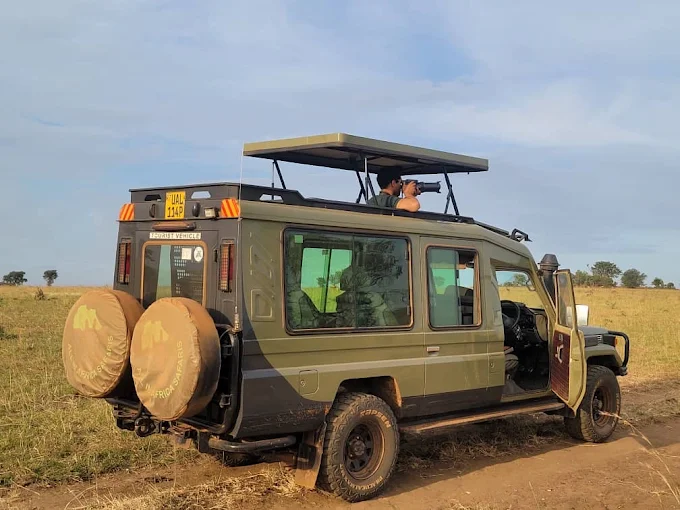
Given how elusive leopards are anywhere, and Kidepo’s remoteness and less developed road network on top of that, a guided safari makes a genuinely significant difference here more than for almost any other species. Most visitors arrive as part of a fully guided itinerary rather than attempting the logistics and tracking independently.
Photographing Kidepo’s Leopards
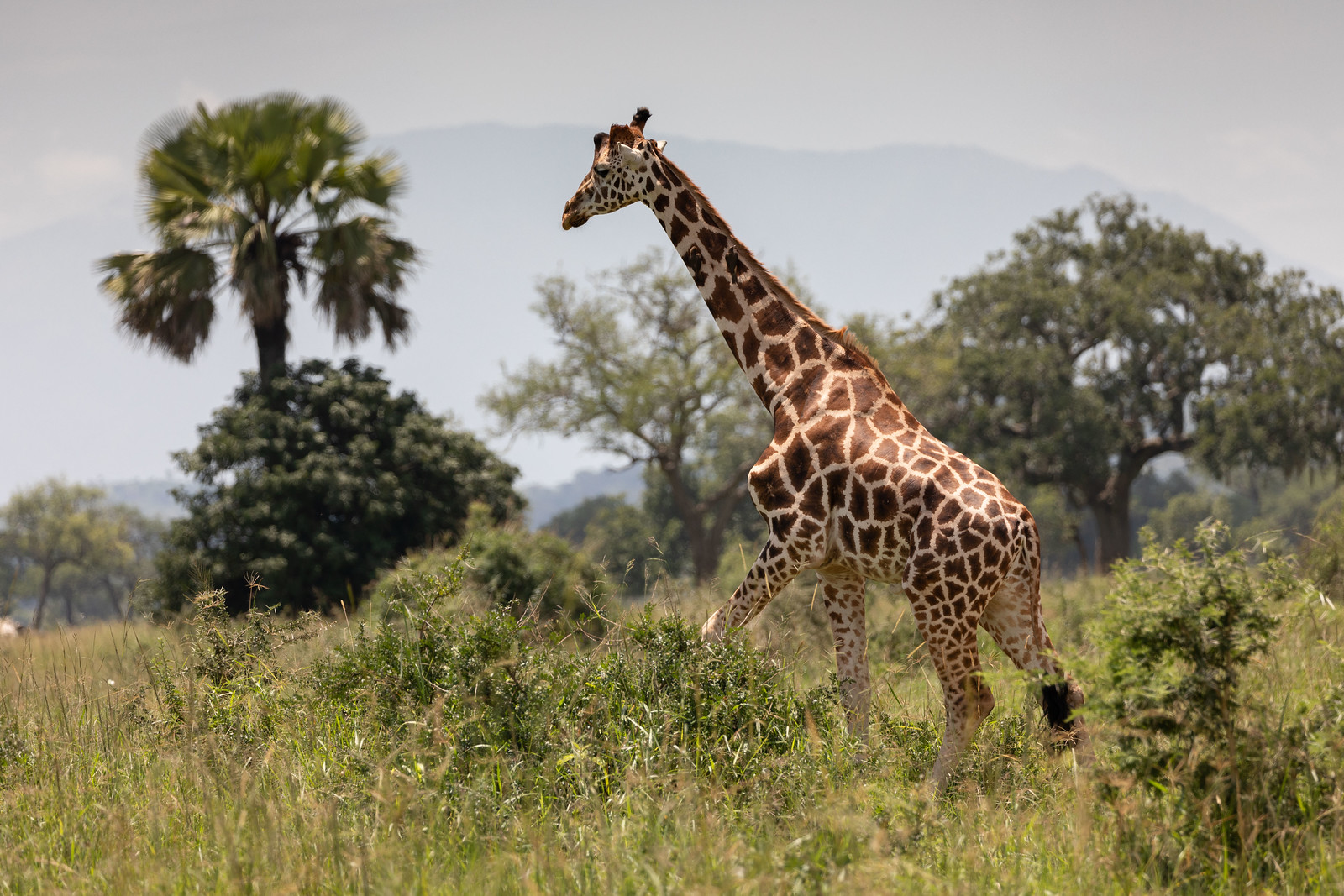
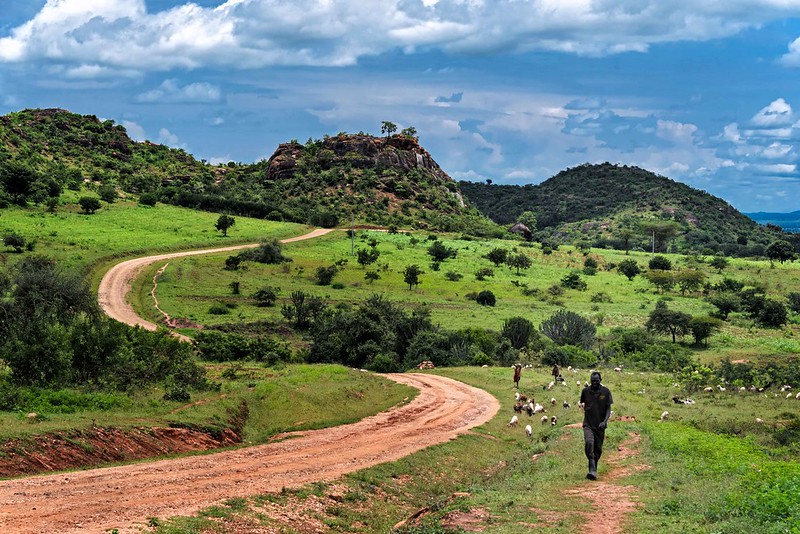
Kidepo’s dramatic mountain backdrop, framed by the Morungole and Lonyili ranges, adds genuine visual interest beyond the leopard itself when a sighting does occur, and a fast telephoto lens is essential given how brief and often partially obscured these encounters tend to be. Early morning and late afternoon light, when leopards are most active, also happens to offer the most striking conditions for landscape photography across the wider park.
What to Pack for a Kidepo Safari
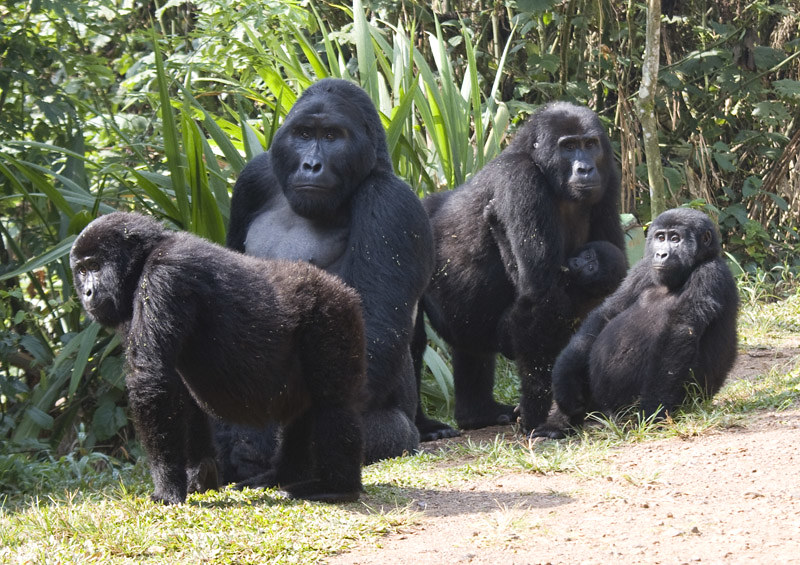
Standard game drive gear applies, though given the park’s remoteness, packing slightly more redundancy – extra water, sun protection, and any personal medication – is sensible given the greater distance from major towns and services. If your wider Uganda itinerary includes gorilla trekking, our gorilla trekking packing list covers that portion of your preparation separately.
Kidepo’s Karamojong Communities
The Karamoja region surrounding Kidepo is home to the Karamojong people, semi-nomadic cattle herders whose traditional way of life has changed relatively little compared to more heavily developed parts of Uganda, offering genuine cultural encounters alongside the park’s wildlife. Community visits arranged through the park give travelers insight into a distinctly different Ugandan culture from the communities near Bwindi and Queen Elizabeth further south.
Species Found in Kidepo but Nowhere Else in Uganda
Kidepo’s dry, semi-arid savannah supports several species not found in Uganda’s other national parks, including cheetah, ostrich, and greater and lesser kudu, giving the park a genuinely distinct wildlife character beyond leopard and the standard Big Five checklist. This ecological overlap with Kenya’s drier northern landscapes is part of what makes Kidepo feel like a different country in miniature.
Setting Realistic Expectations for Leopard Sightings
Given how rare leopard sightings genuinely are even in well-studied parks, Kidepo visitors specifically hoping for a leopard encounter should treat any sighting as a genuine bonus rather than a guaranteed part of the itinerary, while still enjoying the park’s considerably more reliable lion, elephant, and buffalo viewing. Guides who work the park regularly are usually upfront about this trade-off from the outset.
Combining Kidepo Leopard Viewing With a Wider Uganda Circuit
Travelers building a longer trip sometimes combine Kidepo with Kibale’s chimp trekking or Murchison Falls’ Big Five circuit, giving a single extended Uganda itinerary genuinely comprehensive coverage spanning the country’s most remote wilderness alongside its more accessible highlights.
Leopard Conservation in Kidepo
Leopards face less direct poaching pressure than species valued for ivory or horn, but Kidepo’s leopards benefit from the same broad conservation recovery that has helped the park’s lion, elephant, and buffalo populations rebound since the political instability of the 1970s and 80s. Ongoing ranger presence and anti-poaching patrols across the park protect leopard habitat alongside the rest of Kidepo’s wildlife, even without species-specific leopard research comparable to more studied populations elsewhere.
Leopard Territorial Behaviour in Kidepo’s Landscape
Leopards are fiercely territorial, and individual leopards in Kidepo likely maintain considerably larger home ranges than their counterparts in denser, more resource-rich habitats further south, given the park’s more arid, semi-open terrain. This wider spacing between individuals is part of why leopard density here, even in good habitat pockets, stays naturally lower than in parks with denser riverine forest cover.
Leopard Hunting Behaviour in a Drier Ecosystem
Kidepo’s leopards hunt primarily at night, targeting antelope and smaller mammals adapted to the park’s drier savannah, before typically hoisting larger kills into tree branches to protect them from lions and hyenas competing for the same prey base. This kill-caching behaviour, when spotted, offers one of the more reliable indirect signs of leopard presence in an area even when the leopard itself isn’t currently visible.
Best Lodges for Leopard-Focused Kidepo Safaris
A small number of lodges operate within or near Kidepo, and those offering night game drives specifically improve the odds of a leopard encounter given how much more active leopards become after dark. Discussing night-drive availability directly with your operator is worth doing before booking if leopard sightings are a genuine priority for your Kidepo visit.
Bird Watching Alongside Leopard Tracking
Kidepo holds an impressive bird list for its size, including several species found nowhere else in Uganda thanks to its drier, semi-arid habitat overlapping with East Africa’s wider dryland bird communities. Serious birders often combine dedicated birding time with standard game drives, adding genuine value beyond leopard and Big Five sightings for travelers with a broader wildlife interest during quieter stretches between predator sightings.
Wildlife Density vs Genuine Wilderness: Setting Expectations
First-time Kidepo visitors sometimes arrive expecting the same rapid-fire sightings common in Kenya’s Masai Mara, and it’s worth setting realistic expectations before travelling – Kidepo’s reward is the quality and exclusivity of each sighting, and the genuine sense of untouched wilderness, rather than sheer volume of animals seen per hour. This is especially true for leopard specifically, given how elusive the species is even in far more heavily studied parks elsewhere in East Africa.
Frequently Asked Questions
Are leopards common in Kidepo?
They’re present but genuinely elusive, and given Kidepo’s remoteness and lower guide density compared to southern parks, sightings are rarer here than at Murchison Falls or Queen Elizabeth.
What’s the best time of day to see a leopard in Kidepo?
Early morning and late afternoon, when leopards are most active, offer the strongest odds, and night game drives where available improve chances further.
How does Kidepo compare to Murchison Falls for leopard viewing?
Murchison’s larger visitor infrastructure gives it a slight edge in sighting predictability, while Kidepo offers genuine wilderness and dramatically lower visitor numbers.
Should I set realistic expectations for a Kidepo leopard sighting?
Yes, treat any leopard sighting as a genuine bonus – Kidepo’s more reliable draws are its lion, elephant, and buffalo populations.
Can I combine Kidepo with gorilla trekking on the same trip?
Technically yes, though the combination requires extensive travel time given Kidepo’s position in the far northeast versus Bwindi’s location in the southwest.
Ready to Plan Your Kidepo Safari?
Whether Kidepo’s genuine wilderness, its elusive leopards, or a combination with Uganda’s more accessible southern parks is your priority, our team can build an itinerary matched to your interests and timeframe. Get in touch with our team below today and let’s start planning your complete Uganda safari together.

No comment