
Queen Elizabeth National Park is best known nationally for its tree-climbing lions, but its elephant population, concentrated around the Kazinga Channel and the park’s open crater-studded plains, is just as central to what makes a Queen Elizabeth safari genuinely rewarding, and often ends up being the highlight travelers remember most vividly.
Where to Find Elephants in Queen Elizabeth National Park
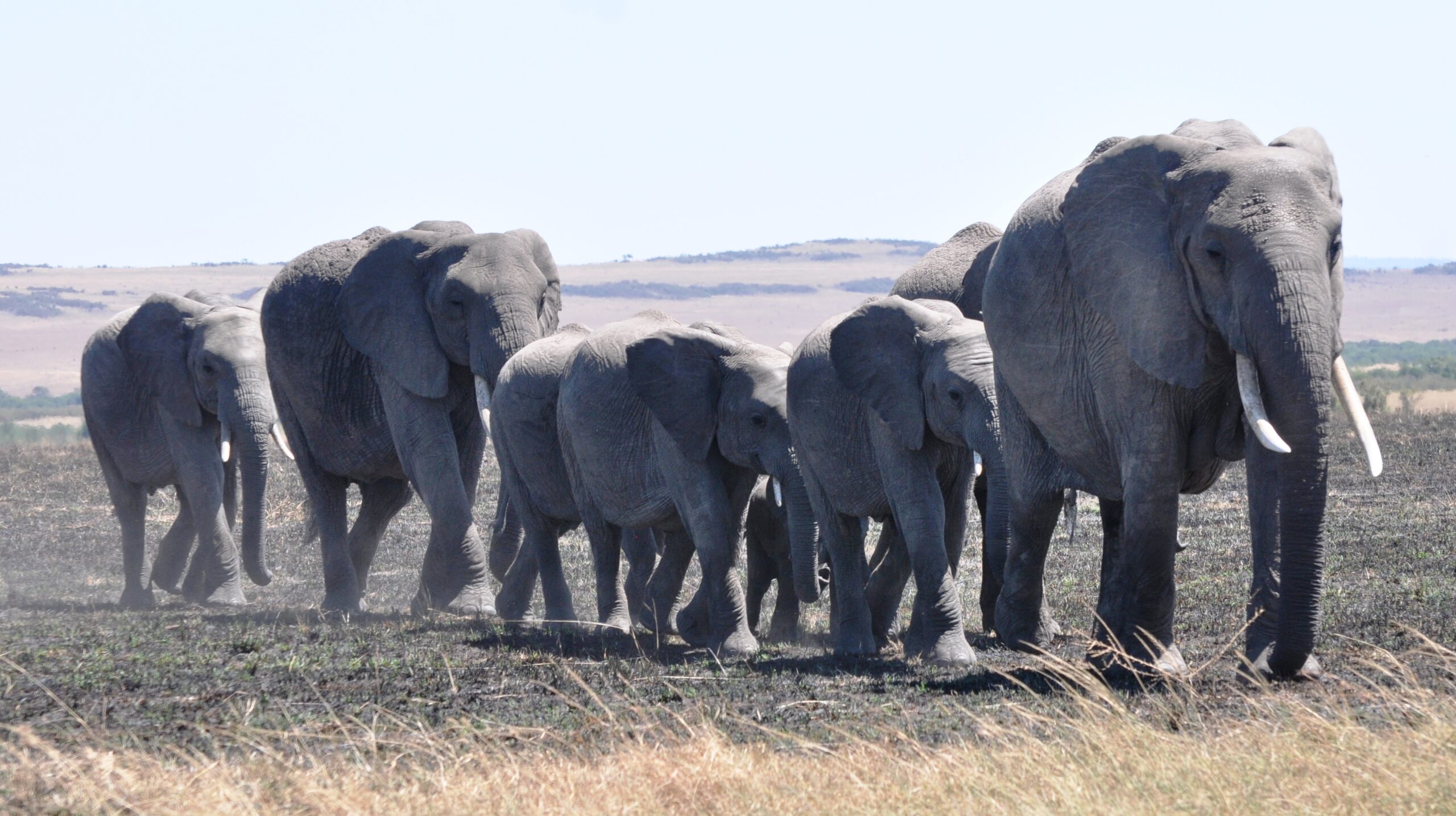
Elephant herds move widely across Queen Elizabeth’s varied terrain, from the open Kasenyi plains in the north to the denser vegetation bordering the Kazinga Channel, the waterway connecting Lake Edward and Lake George through the heart of the park. The channel itself is one of the most reliable elephant-viewing spots in the park, since herds regularly come down to drink and bathe along its banks throughout the day.
The Kazinga Channel Boat Cruise
Beyond standard game drives, the Kazinga Channel boat cruise offers a genuinely different elephant-viewing perspective, with herds visible at close range from the water alongside one of Africa’s highest hippo concentrations and strong Nile crocodile numbers. Combined, the cruise regularly produces some of the park’s most memorable wildlife encounters in a single, relatively short outing, often cited by returning guests as the standout activity of their entire Uganda trip.
Elephant Herd Behaviour Around the Crater Lakes
Queen Elizabeth’s landscape is dotted with volcanic crater lakes, remnants of the region’s geological history, and elephants frequently move between these smaller water sources and the main channel depending on season and herd size. Watching a family group navigate between these distinct landscape features over the course of a longer game drive offers real insight into how elephants read and use their environment strategically throughout the day, adapting their route based on water availability, shade, and grazing quality as conditions shift.
Elephants and Queen Elizabeth’s Tree-Climbing Lions
Queen Elizabeth’s Ishasha sector, famous for its tree-climbing lion prides, also holds its own elephant population, sharing the same savannah-woodland mosaic that makes the sector’s lions so distinctive. See our guide to Uganda’s lion populations for how Queen Elizabeth’s predators compare to Murchison Falls further north.
Best Time of Year for Elephant Sightings
Uganda’s dry seasons, roughly December to February and June to August, bring the most concentrated elephant viewing around the Kazinga Channel and remaining water sources, as thinning vegetation improves overall visibility. The wet season disperses herds more widely across the park’s crater lakes and open plains, offering a different, greener character to the same core sightings.
Queen Elizabeth’s Full Big Five Picture
Elephant is one of four Big Five species reliably found in Queen Elizabeth, alongside lion, buffalo, and leopard, with rhino requiring a separate visit to Ziwa Rhino Sanctuary to complete a full Uganda circuit. See our Uganda Big Five guide for how Queen Elizabeth fits into a wider country-wide itinerary.
How Queen Elizabeth Compares to Murchison Falls for Elephants
Both parks hold healthy elephant populations, but Queen Elizabeth’s Kazinga Channel offers a boat-based viewing option genuinely comparable to Murchison Falls’ own Nile cruise, while Murchison’s larger overall size tends to support bigger individual herds. Many longer Uganda itineraries include both parks specifically to experience each park’s distinct take on elephant viewing.
Self-Drive vs Guided Safaris for Elephant Viewing
Self-driving is possible in Queen Elizabeth, but a guided safari makes a genuine difference to coordinating game drives with the separate boat cruise schedule, and local knowledge of current herd movement around the channel improves sighting odds meaningfully over independent exploration. Most visitors combine a guided morning or afternoon game drive with a separate cruise slot for the most efficient use of a day in the park.
Photographing Elephants at the Kazinga Channel
The boat cruise offers a lower, water-level photography angle that a standard vehicle-based game drive simply can’t replicate, particularly valuable for capturing elephants bathing or drinking at the channel’s edge. Early morning and late afternoon cruises both offer strong light, though morning departures tend to catch elephants at their most active before the heat of the day sets in.
Combining Queen Elizabeth With Gorilla Trekking
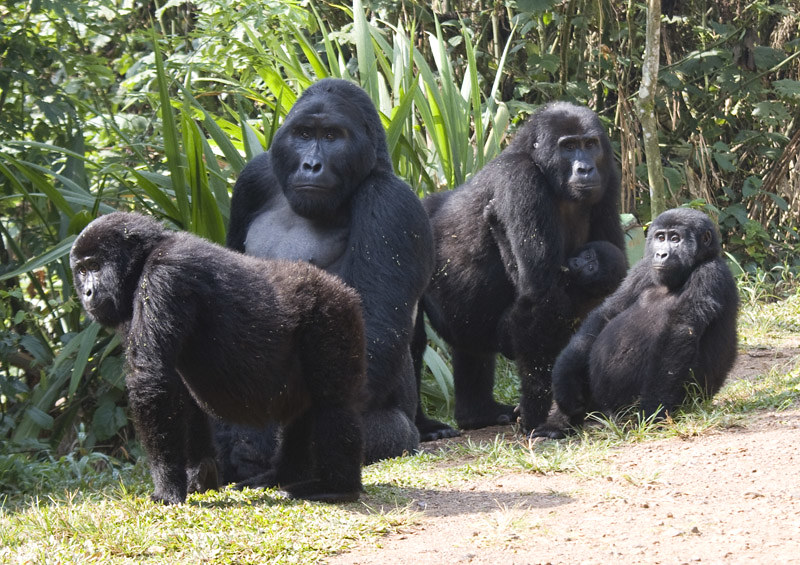
Queen Elizabeth sits within a reasonable drive of Bwindi Impenetrable National Park, making it one of the more natural pairings for travelers combining Big Five game drives with mountain gorilla trekking on the same Uganda trip. This combination is one of the most popular itineraries we build, since the two parks sit closer together than Murchison Falls does to Bwindi.
What to Pack for a Queen Elizabeth Safari
Standard game drive gear – neutral clothing, sun protection, and binoculars – covers most of what the park requires, and a light rain jacket is worth packing for the boat cruise given occasional spray. If your itinerary also includes gorilla trekking, our gorilla trekking packing list covers that portion separately.
Elephant Conservation and Human-Wildlife Conflict
Queen Elizabeth’s location, surrounded by dense farming communities on several sides, makes human-elephant conflict a genuinely pressing conservation issue, with crop-raiding elephants sometimes coming into direct conflict with neighbouring farmers. Electric fencing projects along key boundary sections and community compensation schemes have both been deployed as part of the ongoing effort to reduce this conflict while keeping elephant corridors intact between the park and surrounding protected areas.
Elephant Families and Social Structure
Queen Elizabeth’s elephant herds follow the same matriarchal social structure found across East Africa, with an experienced older female leading related females and their calves, while adult bulls range more independently or in loose bachelor groups. Watching a family group navigate the transition between open plains and the denser vegetation bordering the Kazinga Channel offers genuine insight into how elephants read and respond to changing terrain throughout a single day.
Wildlife Beyond Elephants at the Kazinga Channel
The channel itself supports one of the densest hippo concentrations anywhere in Africa, along with strong Nile crocodile numbers and excellent birdlife along its papyrus-lined banks. This concentration of wildlife around a single, relatively narrow waterway is part of why the boat cruise consistently ranks among visitors’ favourite activities in the entire park, regardless of how the accompanying game drives go.
Best Lodges for Elephant Viewing
Properties positioned along the Kazinga Channel itself or overlooking the Kasenyi plains generally offer the most convenient access to the park’s strongest elephant territory, cutting down on drive time before and after game drives. Discussing lodge location specifically with your operator, rather than choosing purely on comfort level, is worth doing if elephant viewing is a genuine priority on your Queen Elizabeth stay, since even a short additional drive each morning can meaningfully cut into your effective game-viewing time.
Frequently Asked Questions
Is the Kazinga Channel cruise better than a game drive for elephants?
Both are genuinely complementary rather than competing – the cruise offers closer, water-level encounters, while game drives cover more varied terrain across the wider park.
How many days should I spend in Queen Elizabeth for elephants and lions?
Two to three days is typical, allowing time for both a Kazinga Channel cruise and game drives across the Kasenyi plains and Ishasha sector for the park’s famous tree-climbing lions.
Can I combine Queen Elizabeth with Murchison Falls on the same trip?
Yes, many longer Uganda itineraries include both parks, giving travelers a fuller picture of the country’s elephant populations and overall wildlife diversity across two distinct landscapes.
Is Queen Elizabeth better than Kenya’s parks for elephant viewing?
It offers a genuinely different experience rather than a strictly better or worse one – the Kazinga Channel’s boat-based viewing is unique to Queen Elizabeth, while Kenya’s Amboseli and Tsavo each offer their own distinct elephant-viewing character.
How does Queen Elizabeth compare to Kidepo for a wilder experience?
Kidepo Valley, in Uganda’s remote northeast, offers a considerably wilder, less-visited feel than Queen Elizabeth, though at the cost of a much longer journey to reach – the trade-off is worth considering based on how much you prioritise accessibility versus genuine remoteness.
Crater Lakes and the Kasenyi Plains
Beyond the Kazinga Channel itself, Queen Elizabeth’s Kasenyi plains offer more traditional open-savannah game driving, where elephant herds move alongside kob, buffalo, and the park’s resident lion prides across genuinely dramatic volcanic scenery dotted with crater lakes. Some of these crater lakes carry high salt concentrations and support little visible wildlife directly, but their striking blue-green colour against the surrounding green plains makes them a worthwhile photography stop even without a wildlife sighting attached.
Seasonal Elephant Movement Within the Park
Queen Elizabeth’s elephants shift their range meaningfully between seasons, favouring areas closer to the Kazinga Channel and other permanent water during the driest months, then dispersing more widely across the crater lake region and Kasenyi plains once seasonal rains replenish smaller, temporary water sources. Guides who work the park regularly track these seasonal patterns closely, adjusting recommended game drive routes accordingly throughout the year.
Ready to Plan Your Queen Elizabeth Safari?
Whether elephants at the Kazinga Channel, the park’s famous tree-climbing lions, or a full Big Five circuit is your priority, our team can build an itinerary matched to your interests, timeframe, and travel style. Get in touch with our team below today and let’s start planning your Uganda safari together.

No comment