
Elephants of Amboseli National Park: The Big Tuskers
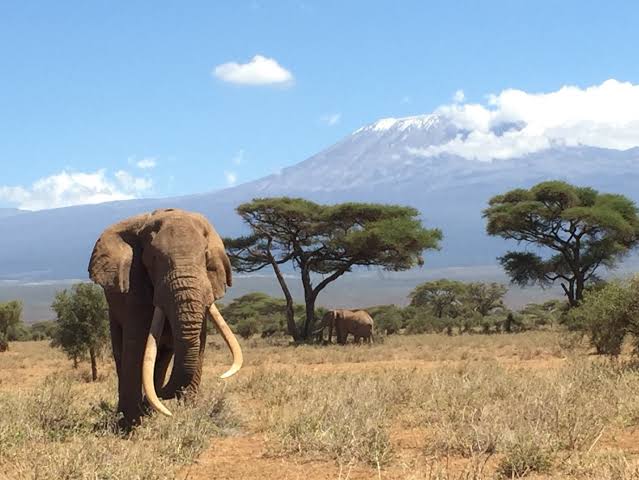
Amboseli National Park is famous for one specific thing above all else – enormous elephant herds photographed against the backdrop of Mount Kilimanjaro, Africa’s tallest mountain rising just across the Tanzanian border. It’s one of the most recognisable safari images in the world, and Amboseli’s elephants are the reason it exists, drawing photographers and first-time safari-goers back to the same swamp-edge viewpoints year after year.
Why Amboseli Is Kenya’s Premier Elephant Destination
Amboseli sits in the rain shadow of Kilimanjaro, and its swamps, fed by underground water filtering down from the mountain’s glaciers, create a permanent, reliable water source that sustains large elephant herds even through Kenya’s driest months. This dependable water supply is exactly why Amboseli’s elephant population has remained so consistently large and well-studied compared to parks more dependent on seasonal rainfall.
The Big Tuskers of Amboseli
Amboseli is one of the last strongholds of Africa’s “big tuskers” – older bull elephants whose tusks grow so large they nearly reach the ground, a genetic trait increasingly rare across the continent after decades of poaching selectively removed the largest-tusked individuals from most populations elsewhere. Amboseli’s tuskers survived partly due to sustained, dedicated conservation efforts and partly through simple luck of genetics persisting in a well-protected population.
The Amboseli Elephant Research Project
Amboseli is home to one of the longest continuously running elephant research projects in the world, tracking individual elephants and family lines across multiple generations since the 1970s. This research has produced some of science’s deepest understanding of elephant social behaviour, memory, and family bonds, and many of Amboseli’s elephants are individually known and named by researchers who have followed their lineages for decades.
Best Time and Place for Kilimanjaro Backdrop Photos
Kilimanjaro is most visible in the early morning, before clouds typically build around the peak later in the day, making dawn game drives the best window for the classic elephant-and-mountain photograph Amboseli is famous for. The dry season, roughly June to October and January to February, also offers clearer skies overall, improving your odds of an unobstructed mountain view to pair with elephant sightings.
Amboseli’s Other Big Five Wildlife
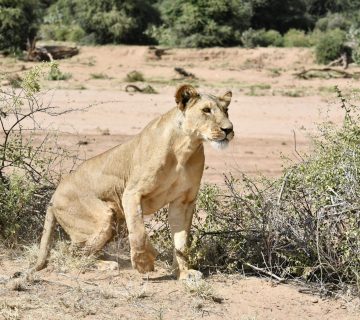
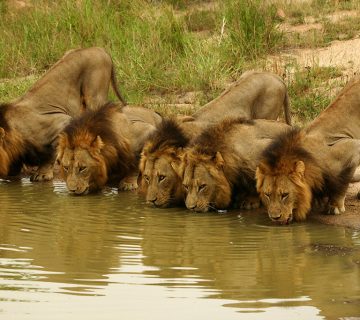
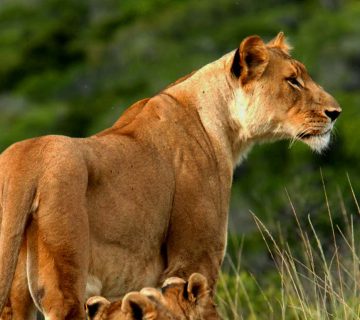
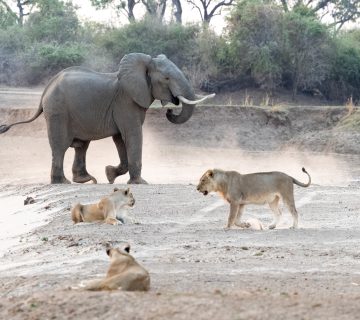
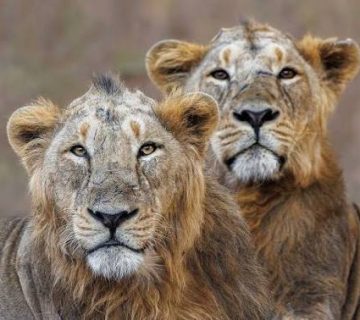
Beyond elephants, Amboseli holds lion, buffalo, and leopard, though its open, swampy terrain suits elephant viewing better than it does the more secretive leopard, which favours the park’s smaller wooded patches. Rhino are not resident in Amboseli itself, so travelers wanting a complete Big Five circuit typically combine it with the Masai Mara or Lake Nakuru elsewhere in Kenya.
How Amboseli Compares to Other Elephant Destinations
Uganda’s Murchison Falls National Park and Tanzania’s Tarangire both offer strong elephant sightings too, but neither pairs the experience with a backdrop as globally recognisable as Kilimanjaro. Amboseli’s elephants also benefit from that decades-long research tracking, giving knowledgeable guides genuine insight into individual animals and family histories that few other parks can match.
Elephant Herd Behaviour at Amboseli
Amboseli’s swamps draw multiple family herds together throughout the day, particularly during the hottest hours when elephants wade into the water to drink, bathe, and cool off – a genuinely dramatic sight with dozens of elephants visible in a single swamp at once. Matriarchs lead each family group, with related females and calves forming tight social units that can be observed interacting, playing, and caring for young at close range from a respectful vehicle distance, often for extended periods given how reliably the herds return to the same swamp areas throughout the day.
Conservation Challenges Facing Amboseli’s Elephants
Despite Amboseli’s conservation success, its elephants face genuine ongoing pressure from human-wildlife conflict as agricultural land encroaches on traditional migration corridors linking the park to surrounding conservancies and Tanzania’s border region. Community conservancy programs surrounding the park have become an increasingly important part of the conservation strategy, compensating local communities for coexisting with elephants and reducing the incentive for land conversion that would fragment critical habitat needed for the population’s long-term survival.
Best Time of Year to Visit Amboseli
Amboseli’s elephants are visible year-round given the swamps’ permanent water supply, though the dry season offers the clearest Kilimanjaro views and the most concentrated wildlife viewing as animals gather around remaining water sources. The wet season brings lush green scenery and excellent birdlife, at the cost of a higher chance of cloud obscuring the mountain backdrop for much of the day, particularly in the afternoon hours.
Photographing Amboseli’s Elephants
A wide-angle lens captures the classic elephant-and-mountain composition, while a mid-range zoom works well for closer herd behaviour shots at the swamp edges. Early morning offers both the clearest mountain visibility and the softest light, making it consistently the strongest window for photography regardless of what specific shot you’re after, whether that’s a wide landscape composition or a tighter portrait of an individual bull.
What to Pack for an Amboseli Safari
Standard game drive gear – neutral clothing, sun protection, and binoculars – covers most of what Amboseli requires. If your wider itinerary extends into gorilla trekking in Uganda or Rwanda, our gorilla trekking packing list covers that portion separately, alongside our regional visa requirements guide for planning a multi-country East Africa trip.
Self-Drive vs Guided Safaris in Amboseli
Amboseli’s relatively compact size and well-established road network make self-driving more approachable here than in some of Kenya’s larger parks, though a guided safari still meaningfully improves your odds of catching Kilimanjaro at its clearest, since experienced guides know which specific viewpoints and times of day work best. Guides also bring the accumulated knowledge of Amboseli’s individually tracked elephant families, adding real context to sightings that an independent visitor would simply miss.
Community Conservancies Around Amboseli
Several community-owned conservancies border Amboseli’s official park boundary, extending protected habitat for elephants and other wildlife while channeling tourism revenue directly to local Maasai communities. Staying at a conservancy lodge rather than exclusively inside the park itself often allows for activities like guided walking safaris and night game drives that the core national park doesn’t permit, adding genuine variety to a longer Amboseli stay.
Elephant Migration Corridors and Cross-Border Movement
Amboseli’s elephants aren’t confined to the park itself – many move seasonally between Amboseli, surrounding conservancies, and habitat across the Tanzanian border near Kilimanjaro, following traditional corridors that predate the modern park boundaries by generations. Protecting these corridors from agricultural and settlement encroachment is one of the most pressing conservation priorities in the wider Amboseli ecosystem today, since fragmented corridors directly threaten the long-term viability of the very herds that make the park famous.
Amboseli’s Swamps: The Heart of the Ecosystem
The park’s permanent swamps, fed by Kilimanjaro’s underground water table, support not just elephants but a dense concentration of hippo, buffalo, and waterbird life, making the swamp edges some of the most consistently productive game-viewing spots in the entire park regardless of season. Watching elephants wade chest-deep into these swamps to feed on aquatic vegetation is a distinctly Amboseli sight rarely matched at other East African elephant destinations.
Combining Amboseli With Tsavo
Amboseli and Tsavo, Kenya’s largest national park, are often combined into a single itinerary given their relative proximity in the country’s south, offering elephant-focused Amboseli alongside Tsavo’s dramatic red-earth landscapes and its own distinctive elephant population, famously tinted red from the park’s iron-rich soil, which they coat themselves in during regular dust and mud baths. This pairing gives travelers two genuinely different elephant-viewing experiences within a single, efficiently routed trip through Kenya’s southern safari circuit.
Frequently Asked Questions
Can I always see Mount Kilimanjaro from Amboseli?
No – cloud cover, particularly later in the day, frequently obscures the peak, which is why early morning game drives offer the best realistic odds of a clear view.
Are Amboseli’s big tuskers still alive today?
Several of Amboseli’s most famous big tuskers have passed away from natural causes in recent years, but the population continues to produce large-tusked bulls thanks to sustained protection and the genetic lineage research has tracked for decades.
How does Amboseli compare to the Masai Mara for a first Kenya safari?
Amboseli offers a more compact, elephant-and-scenery-focused experience, while the Mara delivers broader predator density and migration drama – many itineraries include both for a fuller picture of Kenya’s wildlife diversity, as covered in our Big Five guide.
Can I combine Amboseli with gorilla trekking on the same trip?
Not directly within Kenya, since gorilla trekking requires travel to Uganda, Rwanda, or Congo – see our gorilla trekking FAQ for how to combine a Kenya elephant safari with a separate primate-focused leg elsewhere in the region.
Is Amboseli worth visiting if I’ve already seen elephants elsewhere?
Yes – the Kilimanjaro backdrop and the sheer scale of Amboseli’s swamp-based herds make it a genuinely distinct experience from elephant sightings at Murchison Falls or other East African parks, even for well-travelled safari-goers.
Ready to Plan Your Amboseli Safari?
Whether Amboseli’s elephants and Kilimanjaro views, a wider Kenya Big Five circuit, or both is your priority, our team can build an itinerary matched to your time, budget, and travel interests. Get in touch with our team below and let’s start planning your Kenya safari today.

No comment