
Why Do Elephants Have Such Wrinkled Skin?
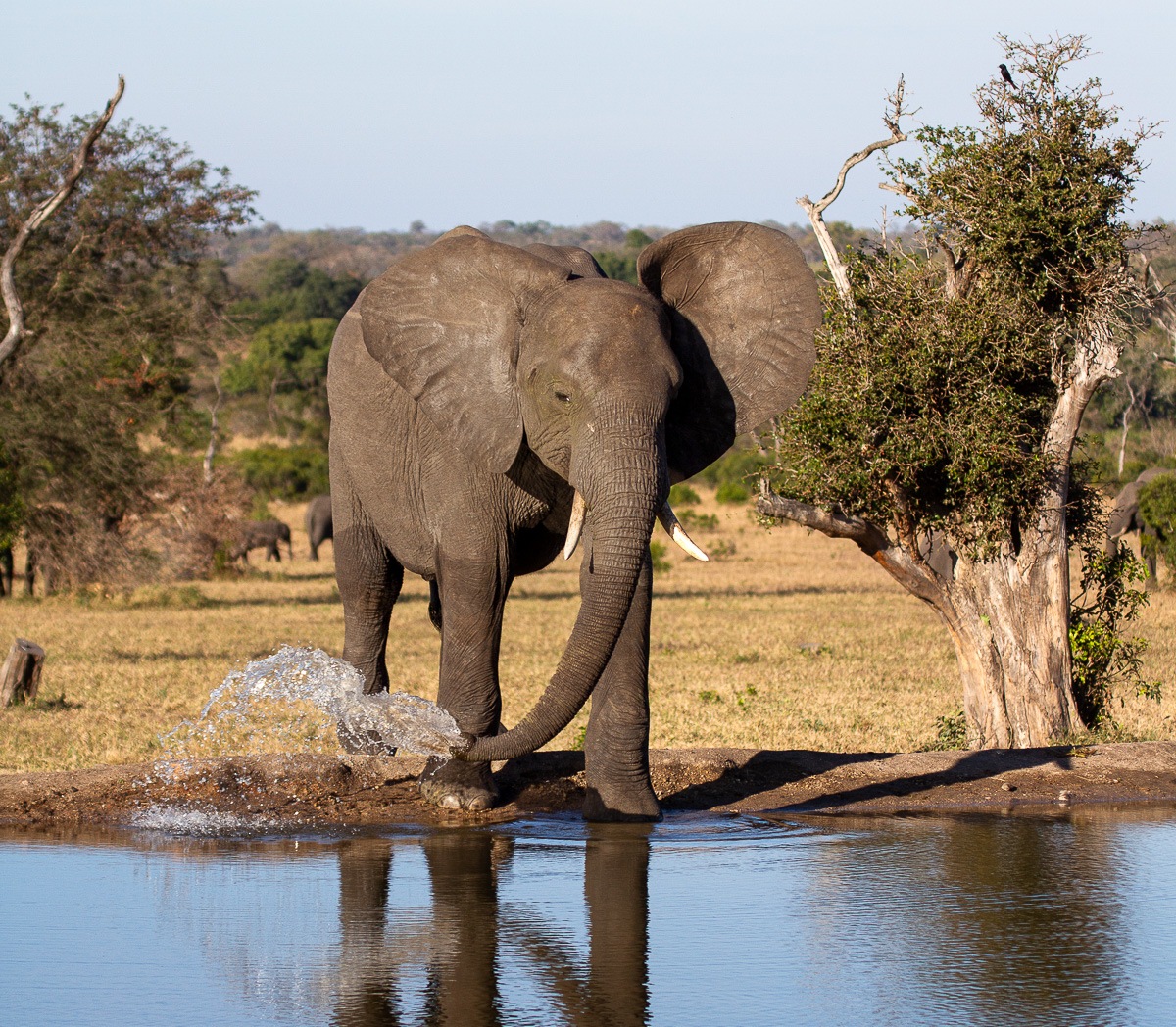
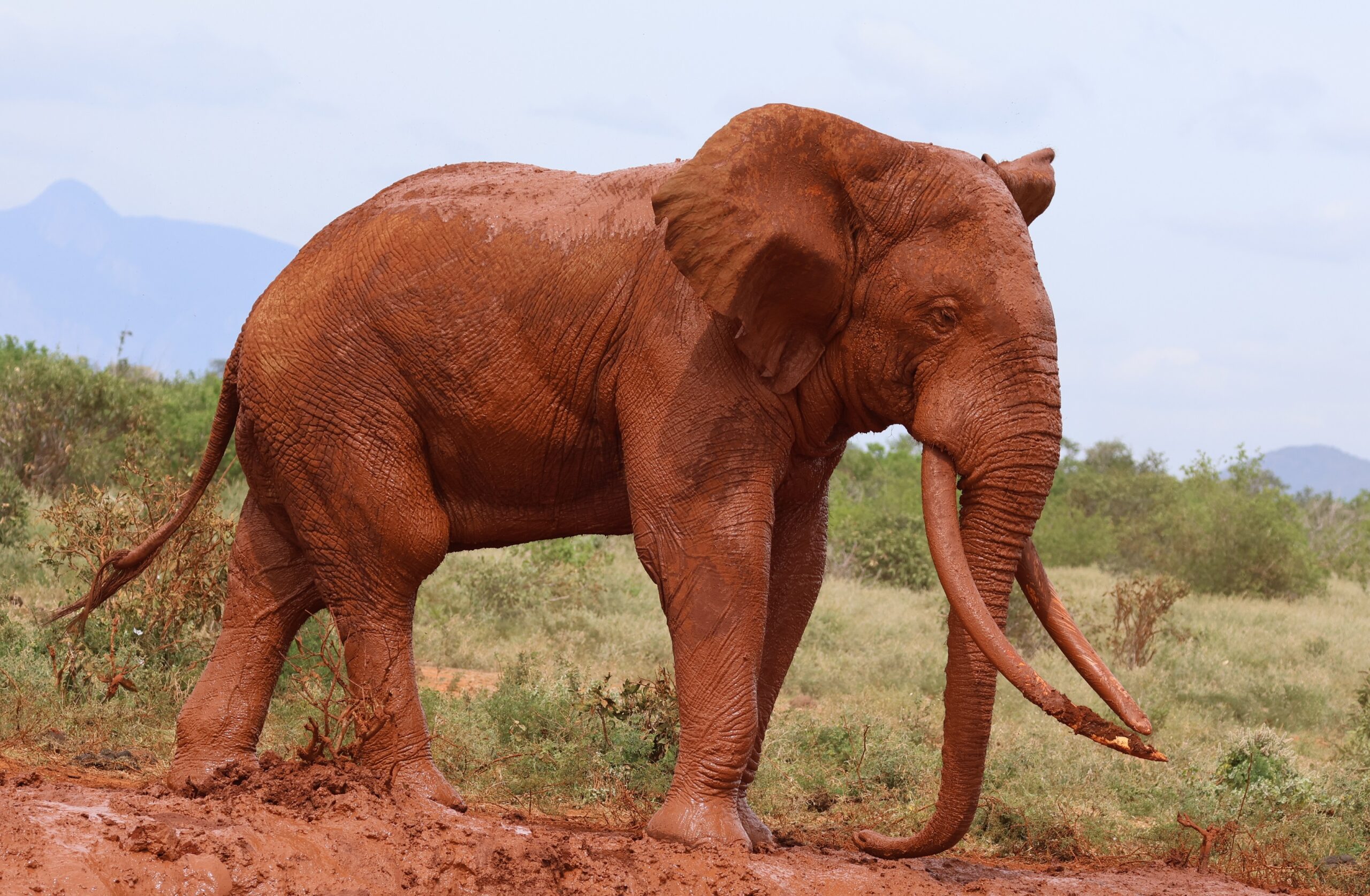
Elephant skin is genuinely covered in deep wrinkles and fissures specifically because this uneven surface increases total surface area and traps moisture considerably more effectively than smooth skin could, a real functional cooling and hydration adaptation rather than simply a byproduct of the animal’s advanced age or considerable size.
Why Increased Surface Area Genuinely Improves Elephant Cooling Efficiency
Researchers studying elephant skin structure have genuinely found the deep folds and wrinkles increase total skin surface area by a considerable margin compared to what smooth skin covering the same body would provide, meaning wrinkled skin genuinely gives elephants measurably more surface area for heat dissipation and evaporative cooling, a real thermoregulatory advantage particularly important given the species’ considerable body mass and the challenge of shedding heat efficiently at that scale.
How Skin Fissures Genuinely Trap and Retain Moisture Longer Than Smooth Skin Could
Beyond surface area alone, the specific crack-like fissure pattern covering elephant skin genuinely holds water and mud considerably longer than smooth skin would retain moisture, meaning a single mud bath or water spray genuinely provides extended cooling benefit as moisture gradually evaporates from these retained pockets over a considerably longer period than it would from an even, unwrinkled surface.
Why This Moisture Retention Genuinely Matters Given Elephant Skin’s Limited Natural Protection
Despite its considerable thickness, elephant skin genuinely lacks the kind of protective oil glands and dense hair coverage many other mammals rely on to prevent water loss and sun damage, meaning the wrinkle-based moisture retention system genuinely compensates for this structural limitation, letting the skin hold onto applied water and mud considerably longer than the skin’s own natural oil production alone could manage.
How Elephant Wrinkle Depth Genuinely Varies Across Different Body Regions
Elephant skin wrinkling genuinely varies considerably in depth and pattern across different body regions, with areas experiencing the most direct sun exposure and movement stress, including around the joints and trunk, typically displaying the deepest, most pronounced wrinkling, meaning wrinkle pattern genuinely correlates with functional need rather than occurring uniformly across the entire body regardless of local physiological demand.
Why Mud Bathing and Dust Bathing Genuinely Work in Direct Partnership With This Skin Structure
Given how effectively wrinkled skin retains applied mud and water, elephant mud and dust bathing behaviour genuinely works in direct physiological partnership with the skin’s structural adaptation, since the behaviour itself wouldn’t provide nearly the same extended cooling and protective benefit without skin genuinely structured to retain the applied material rather than letting it simply run off or dry and flake away quickly.
How Researchers Believe Wrinkled Skin Also Genuinely Provides Some UV Protection
Beyond cooling and moisture retention, researchers studying elephant skin have found evidence suggesting the wrinkled surface, combined with the skin’s naturally dark pigmentation, genuinely provides some meaningful protection against direct sun damage, with the folded structure creating shaded micro-areas across the skin’s surface that reduce total direct UV exposure compared to a flat, fully exposed surface would receive.
Where to Observe Elephant Mud and Dust Bathing in East Africa
Elephant mud bathing behaviour, which directly illustrates the skin’s moisture-retention function, is genuinely reliable to observe across Murchison Falls National Park and Tsavo National Park, the latter famous for its red-dust-coated elephant herds.
Best Time of Year for Elephant Mud Bathing Viewing
Elephant mud and dust bathing behaviour occurs year-round given its ongoing thermoregulatory necessity, though hot, dry conditions often increase visible frequency. See our regional best-time guide for how seasonal patterns generally affect wider game viewing.
Photographing Elephant Skin Texture and Mud Bathing
Capturing the considerable detail of wrinkled elephant skin, particularly during or after a mud bath, offers genuinely striking close-range photographic opportunities. See our camera gear guide for broader equipment recommendations.
What to Pack for Elephant-Focused Game Drives
Standard game drive gear – neutral clothing, sun protection, and binoculars – covers most of what elephant viewing requires. If your wider itinerary includes gorilla trekking, our gorilla trekking packing list covers that portion separately.
Why Elephant Skin Genuinely Remains Considerably Sensitive Despite Its Thickness
Despite being among the thickest skin of any land mammal, elephant skin genuinely retains considerable sensitivity, with the animal capable of detecting a fly landing on its surface, meaning the wrinkled, thickened structure genuinely provides protective and functional benefit without sacrificing the tactile sensitivity elephants rely on for various social and environmental interaction purposes.
How Calf Skin Genuinely Differs From Adult Wrinkle Development
Elephant calves genuinely begin life with considerably smoother, less wrinkled skin than adults display, with the deeper fissure pattern developing gradually as the calf grows and the skin surface area requirement for effective cooling increases alongside overall body size, meaning wrinkle depth genuinely correlates with age and size rather than being fully present from birth.
Why This Skin Adaptation Genuinely Reflects a Broader Pattern Among Large-Bodied Mammals
The surface-area-to-volume challenge wrinkled elephant skin addresses genuinely reflects a broader physical principle affecting large-bodied animals generally, since body volume increases faster than surface area as size grows, meaning larger animals genuinely face proportionally greater difficulty shedding heat, a challenge wrinkled skin’s increased effective surface area directly helps offset for the elephant specifically.
Comparing Elephant Skin Adaptation to Rhino’s Different Solution
Where elephants rely on wrinkled skin surface area for cooling, rhinos genuinely favour mud wallowing and considerably thicker but comparatively smoother skin, illustrating how two of Africa’s largest herbivores arrived at somewhat different structural solutions to broadly similar thermoregulatory and skin-protection challenges.
Why Guides Value Explaining This Skin Adaptation to Visitors
Given how easily wrinkled elephant skin is dismissed as simply a sign of old age, experienced guides genuinely value explaining the real functional cooling and moisture-retention purpose behind the texture, adding real appreciation for a physical feature many visitors otherwise overlook entirely.
Combining Elephant Skin Observation With a Wider Wildlife Circuit
Elephant skin and mud-bathing behaviour observation pairs naturally with a broader wildlife-focused itinerary, giving travelers genuine scientific depth alongside standard elephant sightings.
Why Elephant Skin Colour Genuinely Shifts Depending on Recent Environment
Beyond wrinkle structure, elephant skin genuinely appears to change colour depending on the local soil type an individual has recently bathed in, with Tsavo’s elephants famously appearing red from the park’s iron-rich volcanic soil, meaning skin colour genuinely reflects recent environmental interaction rather than any fixed pigmentation difference between populations, a detail that occasionally confuses visitors expecting a single uniform elephant colour across different parks.
How Skin Parasites Genuinely Interact With the Wrinkle Structure
The considerable fissures and folds covering elephant skin genuinely provide habitat for various external parasites, and researchers studying elephant skin ecology have found the same wrinkle structure providing cooling and moisture benefit also genuinely creates microhabitat conditions parasites can exploit, meaning the adaptation genuinely carries some trade-off cost alongside its considerable thermoregulatory advantage, not unlike how oxpecker-assisted parasite removal helps large mammals manage the same kind of skin-surface parasite burden.
Why This Skin Adaptation Genuinely Connects to Broader Elephant Water-Seeking Behaviour
Given how directly mud and water application depend on the skin’s moisture-retention structure to be worthwhile, elephant daily movement patterns genuinely factor in reliable access to mud or water sources, connecting the skin adaptation directly to broader behaviours like well-digging during drought, since maintaining functional skin cooling genuinely remains a priority even when standing water becomes scarce.
Why Researchers Continue Studying Elephant Skin for Broader Biomimetic Applications
Beyond pure wildlife biology interest, engineers and materials scientists have genuinely studied elephant skin’s wrinkle-based surface area and moisture-retention structure as potential inspiration for biomimetic material design, exploring whether similar surface patterning might improve cooling efficiency or moisture management in engineered materials, meaning this specific piece of elephant physiology carries genuine cross-disciplinary research interest well beyond wildlife science alone in this particular field.
Why This Detail Genuinely Rewards a Closer Look During Any Elephant Sighting
Given how much genuine functional biology underlies what might otherwise seem like an incidental cosmetic feature, taking a moment to look closely at elephant skin texture during a sighting, particularly noting how wrinkle depth varies across different parts of the body, genuinely offers visitors a small but scientifically meaningful window into one of the species’ most understated but functionally important adaptations.
Frequently Asked Questions
Why is elephant skin so wrinkled?
The deep folds increase total surface area and trap moisture considerably more effectively than smooth skin, aiding cooling and hydration.
Does elephant skin actually help with sun protection too?
Yes, likely so – the folded structure combined with dark pigmentation creates shaded micro-areas that reduce direct UV exposure.
Why do elephants mud bathe so often?
Wrinkled skin retains applied mud and water considerably longer than smooth skin would, extending the cooling benefit of each bath.
Is elephant skin as thick as it looks despite being sensitive?
Yes – despite being among the thickest of any land mammal, elephants can still detect something as light as a fly landing on it.
Where can I see elephant mud bathing on safari?
Murchison Falls National Park and Tsavo National Park, famous for its red-dust elephants, both offer strong opportunities.
Ready to Plan Your Uganda Safari?
Whether observing elephant behaviour firsthand, wider wildlife viewing, or a full Uganda itinerary is your priority, our team can build a trip matched to your interests. Get in touch with our team below today and let’s start planning your complete Uganda safari itinerary together.



No comment