
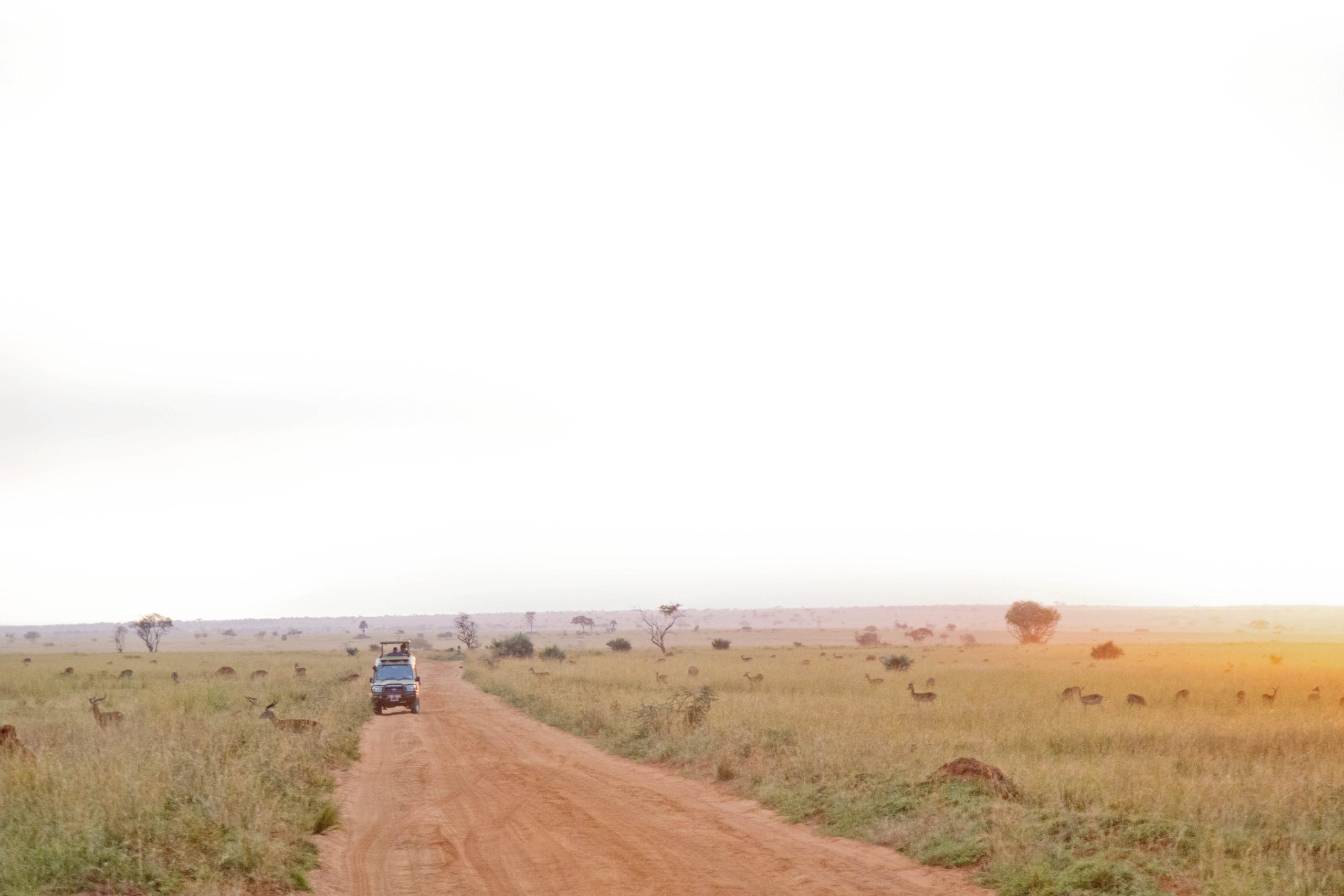
What Is the Short Rains Season and How Does It Affect Safari Plans?
The short rains season is one of the most misunderstood periods for planning an African safari. Many travellers assume that rain automatically means poor wildlife viewing, difficult travel conditions and cancelled activities. In East Africa, however, the short rains can create excellent opportunities for wildlife photography, birdwatching, quieter game drives and more flexible safari budgets. The experience depends on where you travel, which activities you plan to enjoy and how well your itinerary accounts for changing weather.
Across much of Kenya and northern Tanzania, the short rains generally arrive around October or November and continue into December, although the timing varies between destinations and from one year to another. Uganda and Rwanda also experience rainfall during this period, but their equatorial climates, highlands and tropical forests produce different local weather patterns. Some areas receive brief afternoon showers, while others can experience heavier or more persistent rainfall.
For safari travellers, understanding this season makes it easier to choose suitable destinations, pack the right equipment and set realistic expectations. A November safari in the Serengeti may offer green scenery and excellent opportunities to observe wildlife, while a gorilla trekking excursion in Bwindi Impenetrable National Park may involve slippery forest trails. Both experiences can be rewarding, but each requires a different approach to planning.
Understanding the Short Rains Season in East Africa
East Africa is commonly associated with two main rainy periods. The long rains usually occur between March and May, while the short rains generally fall between October and December. These are broad regional patterns rather than fixed dates, and local conditions can differ considerably.
The short rains are often associated with the seasonal movement of atmospheric rain belts across the region. Changes in wind patterns, moisture and regional weather systems influence when rainfall begins, how frequently it occurs and how much precipitation a particular area receives.
The word short refers primarily to the relative duration of this rainy season compared with the longer wet period experienced in many parts of the region. It does not guarantee that every shower will be brief or that rainfall will always be light. Some days remain sunny from morning to evening, while others bring thunderstorms, heavy showers or several periods of rain.
The landscape responds quickly when the rains arrive. Dry grasslands begin to turn green, shrubs produce fresh growth, seasonal streams carry water and trees develop new foliage. Dust that has accumulated during the dry months settles, creating clearer air and a fresh appearance across many safari destinations.
For wildlife, the returning rain brings fresh grazing and improved access to water. Herbivores may spread across the plains as new feeding areas become available, while predators continue to follow their prey. The distribution of animals can change as the landscape becomes more productive, which means guides may need to adjust their routes and search strategies.
The short rains also influence visitor numbers. Some travellers prefer the predictable conditions of the dry season, especially when they have limited time or want to concentrate on specific wildlife events. Those willing to accept occasional rain may find quieter lodges, less crowded viewing areas and a different atmosphere in the parks.
When Do the Short Rains Usually Occur?
October is often a transition month in Kenya and Tanzania. Many safari destinations remain relatively dry during the early part of the month, while clouds and showers may become more frequent as the month progresses. The exact timing depends on the destination and the weather patterns of that year.
November is traditionally associated with the short rains in much of the region. In some places, rainfall arrives in short afternoon or evening showers, leaving mornings suitable for game drives and other outdoor activities. In other locations, rain can persist for longer periods, particularly when local topography influences weather conditions.
December often brings a mixture of rain and sunshine. Some areas begin drying out, while others continue receiving regular showers. Holiday travel also increases around Christmas and New Year, so accommodation availability and prices may rise even though the weather remains changeable.
These patterns should be treated as planning guidelines rather than guarantees. Rainfall has become difficult to predict precisely in many parts of East Africa, and the start or end of a rainy period can vary. An itinerary should therefore be based on the destination’s typical climate, current local advice and the flexibility available in the travel schedule.
Travellers visiting several countries should avoid assuming that every destination will experience the same weather. The Maasai Mara, Serengeti, Bwindi Impenetrable Forest, Queen Elizabeth National Park and Volcanoes National Park have different landscapes and local climates. A regional itinerary can encounter sunshine in one location and heavy rain in another on the same day.
How the Short Rains Affect Wildlife Viewing
Wildlife viewing remains possible throughout the short rains season, but conditions can differ from those experienced during the dry months. The main changes involve vegetation, animal distribution, water availability and the condition of roads and tracks.
During the dry season, shorter grass and reduced foliage can make animals easier to spot. Wildlife may gather around permanent water sources, allowing guides to concentrate their search around rivers, lakes and waterholes. As rain returns, fresh vegetation becomes more abundant and animals may spread across larger areas.
This does not mean wildlife disappears. Elephants, buffaloes, giraffes, zebras, antelopes, lions, leopards and many other species remain active throughout the year. The challenge is that taller grass, thicker bushes or more dispersed herds can make some sightings less predictable.
Experienced guides respond by studying tracks, listening for alarm calls, checking known wildlife areas and using their understanding of animal behaviour. They may spend more time searching for particular species or change routes when recent rain affects visibility or road conditions.
Rain can also create opportunities to observe animal behaviour that visitors might overlook during a dry-season safari. Animals may feed on fresh grass, drink from temporary pools or move through landscapes that have changed significantly over a few weeks. Predators continue hunting, although individual sightings always depend on chance and location.
The most important point is that the short rains do not guarantee either better or worse wildlife viewing. They change the conditions under which wildlife is observed. Travellers who allow sufficient time for game drives and remain flexible are generally better placed to enjoy the experience.
The Great Migration During the Short Rains
The short rains are particularly relevant to travellers planning a Great Migration safari in Tanzania and Kenya. The migration is a continuous movement of wildebeest, zebras and other grazing animals across the Serengeti and Maasai Mara ecosystem in response to rainfall, grazing conditions and the availability of fresh grass.
November often coincides with the movement of many wildebeest herds from the northern Serengeti and surrounding areas towards the central and southern Serengeti. The precise route and timing vary with rainfall and the availability of pasture. Herds do not follow a rigid calendar, so their location cannot be guaranteed simply by booking a safari for a particular month.
Travellers visiting the Serengeti during the short rains may encounter large herds moving across the plains, grazing in newly green areas or travelling between seasonal feeding grounds. The changing landscape can create excellent photographic conditions, especially when animals are seen against dark storm clouds or beneath breaks of sunlight.
However, November is not generally the most reliable period for planning a safari specifically around the famous Mara River crossings. Those crossings are most commonly associated with the migration’s northern movements during the middle and later parts of the year, although timing varies. Anyone whose main priority is a river crossing should plan around the expected location of the herds and understand that even during the main season, sightings are never guaranteed.
The short rains can also form part of the transition towards the southern Serengeti’s calving period. The major concentration of wildebeest births usually occurs later, around January and February, extending into March in some years and locations. Travellers interested in newborn animals and the predators that follow the herds may therefore consider a trip that continues into the following months.
In Kenya’s Maasai Mara, wildlife viewing remains rewarding during the short rains, but the movement of migratory herds can influence where the largest concentrations are found. Resident wildlife, including elephants, giraffes, buffaloes, lions and other predators, can still provide excellent game-drive experiences.
For a migration-focused itinerary, selecting the correct region is more important than simply choosing a month described as a good safari season. A knowledgeable local operator can help match the travel dates to the most likely location of the herds.
The Short Rains and Gorilla Trekking in Uganda and Rwanda
Gorilla trekking is available throughout the year in Uganda and Rwanda, but rainfall affects trail conditions, walking comfort and the amount of time visitors may spend moving through the forest.
In Uganda, Bwindi Impenetrable National Park and Mgahinga Gorilla National Park protect mountain gorillas in high-altitude forest environments. Bwindi’s steep slopes, dense vegetation and narrow trails can become muddy and slippery after rain. Mgahinga also has mountainous terrain, so wet conditions can make sections of the trek more physically demanding.
Rwanda’s Volcanoes National Park offers mountain gorilla trekking in a landscape of bamboo forest, montane vegetation and volcanic slopes. Although trekking routes vary, rain can make the ground slippery and increase the effort required to walk through the forest.
The short rains do not automatically make gorilla trekking unsuitable. Treks take place in different weather conditions, and the gorillas continue living in their natural habitat regardless of the season. The duration and difficulty of a trek depend on the gorilla group’s location, terrain, vegetation and the conditions encountered on the day.
Travellers should carry waterproof clothing, sturdy hiking boots with good grip, gardening-style gloves for handling vegetation and a small waterproof bag for cameras and personal belongings. Walking poles can be useful on steep or slippery trails, particularly for travellers who are less confident on uneven ground.
A local trekking guide and park staff provide instructions about the route, safety and gorilla viewing. Following their guidance is essential, especially when rain reduces visibility or makes certain sections of the trail difficult.
The short rains can be attractive for travellers who prefer greener landscapes and may be able to travel outside the busiest holiday periods. However, accommodation and gorilla permits still require advance planning. A quieter season does not mean that permits can always be obtained at the last minute.
Anyone with mobility limitations should discuss the likely physical demands with the tour operator before booking. The objective is to select a suitable trekking sector, arrange appropriate assistance where available and prepare for the possibility of wet, uneven ground.
How Rain Affects Game Drives and Safari Roads
Road conditions are among the most practical considerations during the short rains. Many safari destinations use unpaved roads and tracks, which can change significantly after heavy rainfall.
In dry conditions, some tracks are dusty but relatively firm. When rain arrives, the same roads can become muddy, slippery or deeply rutted. Low-lying sections may collect water, while drainage channels and seasonal streams can temporarily affect access.
The impact varies between parks. Some main roads remain accessible throughout the rainy season, while smaller tracks become difficult to use. The condition of a route also depends on its maintenance, soil type, drainage, traffic and the intensity of recent rainfall.
A four-wheel-drive safari vehicle is useful for many destinations, but four-wheel drive does not eliminate every risk. Deep mud, flooded crossings and unstable ground may require the driver to choose another route or wait until conditions improve. Attempting to cross flooded roads or streams can be dangerous, and responsible drivers will not take unnecessary risks simply to maintain a schedule.
Rain may cause a game drive to change direction, begin later or finish earlier than planned. In some circumstances, a guide may decide that a particular track is unsuitable and focus on another section of the park. Such changes are part of responsible safari management rather than a sign that the trip has failed.
Travellers should avoid planning long road transfers immediately before a flight when the route passes through areas that may be affected by heavy rain. Building in a buffer gives the itinerary more resilience if driving times increase.
When choosing accommodation, ask whether the lodge or camp remains accessible during wet weather, whether transfers are included and whether alternative routes are available. Remote camps can offer excellent experiences, but their location may make them more dependent on road conditions.
Does the Short Rains Season Affect Safari Prices?
The short rains can offer good value for travellers who have flexibility with their dates. Some lodges and safari operators introduce seasonal rates during quieter periods, particularly in November. Reduced demand can also make it easier to find accommodation in certain locations than during the busiest months.
However, lower prices are not guaranteed across every destination or property. Seasonal pricing depends on the lodge, its location, the type of accommodation, local demand and the dates of travel. December can be more expensive around Christmas and New Year, when families and international visitors travel during the holidays.
The same applies to safari packages. A trip that includes several national parks, domestic flights, private transfers and high-end lodges may remain costly even during a quieter season. Gorilla permits, park fees, vehicle costs and other fixed expenses can account for a substantial part of the total budget.
Travellers should compare the complete package rather than focusing only on the advertised nightly accommodation rate. A lower lodge price may not represent a meaningful saving if the property requires expensive transfers or sits far from the activities planned for the trip.
Ask operators to explain which services are included, whether park fees are covered, how accommodation changes affect the price and what happens if severe weather makes a planned activity impossible. Clear terms help prevent misunderstandings.
A flexible budget can also make it possible to choose better-positioned accommodation or extend a stay in a destination where wildlife viewing is particularly rewarding. The goal is not simply to travel when prices are lowest, but to obtain good value for the experience you want.
Why the Short Rains Are Excellent for Photography
The short rains can create some of East Africa’s most attractive safari photography conditions. Fresh vegetation brings green tones to landscapes that may have appeared dry and dusty only a few weeks earlier. Clouds add texture to the sky, while changing sunlight creates opportunities for dramatic compositions.
Photographers often appreciate the contrast between dark storm clouds, sunlit grasslands and wildlife moving across the plains. A shower followed by sunshine can produce reflections in temporary pools, rainbows over open landscapes and soft light that differs from the harsh midday conditions of a clear dry-season day.
Dust is often less noticeable after rainfall, which can improve the atmosphere in photographs. Green vegetation also provides a different background for elephants, zebras, giraffes, buffaloes and other animals.
Bird photography can be especially rewarding during the broader wet-season period. Migratory birds from other regions begin arriving in East Africa, while resident species may display breeding colours or increased activity. Wetlands, lakes, woodland and grassland habitats can all provide useful opportunities, depending on the destination and the species being sought.
Photography during the short rains requires preparation. Waterproof camera covers, dry bags, lens cloths and protective storage help prevent equipment from being damaged by moisture. Batteries should be kept dry, and lenses need careful cleaning when humidity causes condensation.
Photographers should also avoid making every decision around the weather forecast. A cloudy morning may still produce excellent light, while a sudden break in the clouds can create a short opportunity for dramatic images. Patience and flexibility are particularly valuable during this season.
Birdwatching Opportunities During the Short Rains
The short rains are an appealing period for birdwatchers because East Africa receives migratory species from Europe and parts of Asia. These visitors join the region’s resident birds, increasing the variety of species that may be encountered in suitable habitats.
The best birdwatching location depends on the species being targeted. Wetlands can attract waterbirds, while savannah parks provide opportunities to observe raptors, grassland species and birds associated with open woodland. Forest reserves offer different communities, including turacos, hornbills, sunbirds and many other species.
Uganda is particularly attractive to travellers interested in combining birdwatching with a broader wildlife safari. Its range of habitats includes forests, wetlands, lakeshores, grasslands and river systems. Rwanda also offers forest and wetland birding opportunities, while Kenya and Tanzania provide a wide range of habitats across their national parks and conservation areas.
Rain can influence bird activity, visibility and access to certain locations. Some birds become more active when conditions are suitable for feeding, while dense vegetation can make species more difficult to see. A specialist birding guide can identify calls, recognise seasonal visitors and select locations that match a traveller’s interests.
Travellers should allow sufficient time for birdwatching rather than expecting to identify many species during a standard game drive. A dedicated excursion with an experienced guide can be more productive, particularly for visitors hoping to find particular birds.
What to Pack for a Short Rains Safari
Packing for the short rains requires a balance between protection from wet weather and comfort during warm conditions. Heavy clothing is rarely necessary for the entire day, but a waterproof outer layer can make a substantial difference when a shower arrives during a game drive or forest trek.
A lightweight waterproof jacket is useful for walking activities, while quick-drying trousers and shirts help travellers remain comfortable if clothing becomes damp. In cooler highland destinations, warm layers are important for early mornings and evenings. Temperatures can be noticeably lower in mountain forests than on open savannah plains.
Waterproof walking boots with good grip are recommended for gorilla trekking, forest walks and other activities on uneven ground. Travellers should allow time to break in new boots before departure. Comfortable shoes for lodge use are also useful, especially when paths around the property become wet.
A small daypack can hold drinking water, snacks where permitted, personal medication, a rain jacket and other essentials. Waterproof bags or dry sacks help protect passports, phones, cameras and other valuables. Binoculars should be stored securely when not in use.
Insect repellent, sunscreen, a hat and reusable water bottles remain useful even during the rainy season. Clouds do not eliminate ultraviolet exposure, and warm conditions can still lead to dehydration. Travellers should also follow local advice about mosquito precautions and any recommended vaccinations or medication for their destinations.
For gorilla trekking, gardening gloves can protect hands when moving carefully through vegetation, while walking poles may improve balance on steep trails. The park or trekking operator can provide guidance on any additional equipment appropriate for the chosen route.
Packing should reflect the itinerary rather than the season alone. A traveller spending several nights in luxury lodges on the savannah will have different requirements from someone combining gorilla trekking, chimpanzee tracking and long road transfers through the highlands.
How to Plan a Safari During the Short Rains
A successful short-rains safari begins with choosing destinations that match your priorities. If you want to observe large concentrations of wildlife, discuss the expected seasonal distribution of animals with an experienced local operator. If photography and birdwatching are your main interests, consider locations with varied habitats and allow enough time for unhurried excursions.
Avoid placing too many activities into a single day. A schedule that depends on perfect weather, exact departure times and long transfers can become stressful when roads are wet or a shower delays an activity. A more realistic itinerary leaves room for adjustments without sacrificing the main experiences.
Where possible, spend at least two nights in important wildlife destinations rather than arriving for one game drive and immediately leaving. Additional time gives the guide more opportunities to search for wildlife and allows you to enjoy the destination even if weather affects one excursion.
Build flexibility into domestic flights and international departure arrangements. If a safari includes remote parks, gorilla trekking and a final flight home, avoid relying on a long road transfer on the same day as an international flight. An overnight stay near the departure airport may provide a safer and more comfortable arrangement.
Check accommodation access before paying a deposit, particularly if the property is located far from the main road. Ask whether the lodge operates throughout the short rains and what alternative arrangements are available if heavy rainfall affects transfers.
Travellers should also clarify the operator’s cancellation and amendment terms. Ordinary rain does not usually mean that a safari must be cancelled, but exceptional weather may affect particular routes or activities. Understanding the conditions in advance makes it easier to respond sensibly if plans change.
Travel insurance should cover the activities planned and the relevant risks, including medical emergencies and appropriate travel disruption where available under the policy. Read the terms carefully because coverage varies between insurers and policies.
Which East African Destinations Are Worth Considering?
The Serengeti is a strong option for travellers interested in open grasslands, large herds and the seasonal movements of the Great Migration. During the short rains, the landscape can become greener, and wildlife may be spread across different feeding areas. The best region to visit depends on the expected location of the herds and the particular wildlife experiences you want.
Kenya’s Maasai Mara remains a rewarding destination for general game viewing, resident wildlife and photographic safaris. Seasonal movement affects the concentration of migratory herds, so travellers should not assume that the entire Great Migration will be present throughout the year. Other Kenyan destinations, including Amboseli and selected conservancies, may suit visitors looking for elephants, varied landscapes or quieter wildlife experiences.
Uganda offers a different combination of savannah wildlife, forests and wetlands. Queen Elizabeth National Park provides opportunities for game drives and boat trips in suitable conditions, while Murchison Falls National Park combines wildlife viewing with the Nile River and varied habitats. Bwindi and Mgahinga are options for travellers interested in mountain gorillas, although wet forest trails require appropriate preparation.
Rwanda is well suited to travellers combining mountain gorilla trekking with other experiences. Volcanoes National Park offers gorilla trekking, while Akagera National Park provides savannah wildlife viewing, including opportunities to search for the Big Five. Nyungwe National Park is known for forest experiences, including chimpanzee tracking and birdwatching. Rainfall and terrain differ between these destinations, so each activity should be planned separately.
A multi-country safari can work well during the short rains, but it should not be built around the assumption that every destination will have identical weather. Allow enough time for transfers, check the likely conditions at each stop and prioritise the experiences that matter most to you.
Is the Short Rains Season Suitable for Families?
Families can enjoy a short-rains safari when the itinerary reflects the ages, interests and comfort levels of everyone travelling. The greener scenery, quieter viewing areas in some destinations and opportunities for birdwatching can make this period appealing.
The main considerations are road conditions, the duration of game drives and the activities included. Young children may find long transfers uncomfortable, especially if rain increases driving time. Families should choose accommodation with suitable facilities and allow breaks between activities.
Gorilla trekking requires particular attention because minimum age requirements apply and the terrain can be demanding. Parents should confirm current park rules and assess whether each family member is eligible and physically prepared for the planned excursion.
A family itinerary should not rely on every day being sunny. Pack spare clothing, waterproof layers and suitable footwear, and choose activities that remain enjoyable when the weather changes. Lodge-based experiences, cultural visits and shorter excursions may provide useful alternatives if a planned outdoor activity needs to be adjusted.
Is the Short Rains Season Right for Your Safari?
The short rains can be a good choice for travellers who value green scenery, photography, birdwatching and the possibility of travelling outside the busiest safari periods. They can also offer opportunities to experience East Africa’s wildlife under changing conditions rather than seeing the parks only during the dry season.
The season may be less suitable for travellers with very limited time, rigid schedules or a strong preference for dry roads and easier walking conditions. Those planning a specific wildlife event should consider its seasonal timing rather than assuming that the short rains are automatically the best or worst period to visit.
For gorilla trekking, the key question is whether you are prepared for potentially slippery forest trails. For a Great Migration safari, it is whether the location of the herds is likely to match your travel dates. For a photography or birdwatching trip, the changing landscapes and arrival of migratory birds may be major advantages.
There is no single answer that applies to every East African safari. Weather varies by country, park, altitude and year, while wildlife movements follow ecological conditions rather than fixed tourist calendars. A well-planned itinerary takes these differences into account, uses realistic transfer times and leaves room for local guides to respond to conditions.
With suitable clothing, a capable guide, sensible scheduling and realistic expectations, the short rains can provide a rewarding safari experience. Rather than treating rain as a reason to avoid East Africa, travellers can use the season to discover greener landscapes, changing wildlife patterns and a different side of the region’s national parks.







No comment