The River Bend That Seemed Completely Ordinary
One of the biggest lessons I have learned from spending time in the African wilderness is that nature rarely announces its best moments in advance.
Sometimes you drive for hours searching for wildlife and find very little. Other times, an ordinary stop beside a river turns into an experience you remember for years.
This particular afternoon began with no expectations at all.
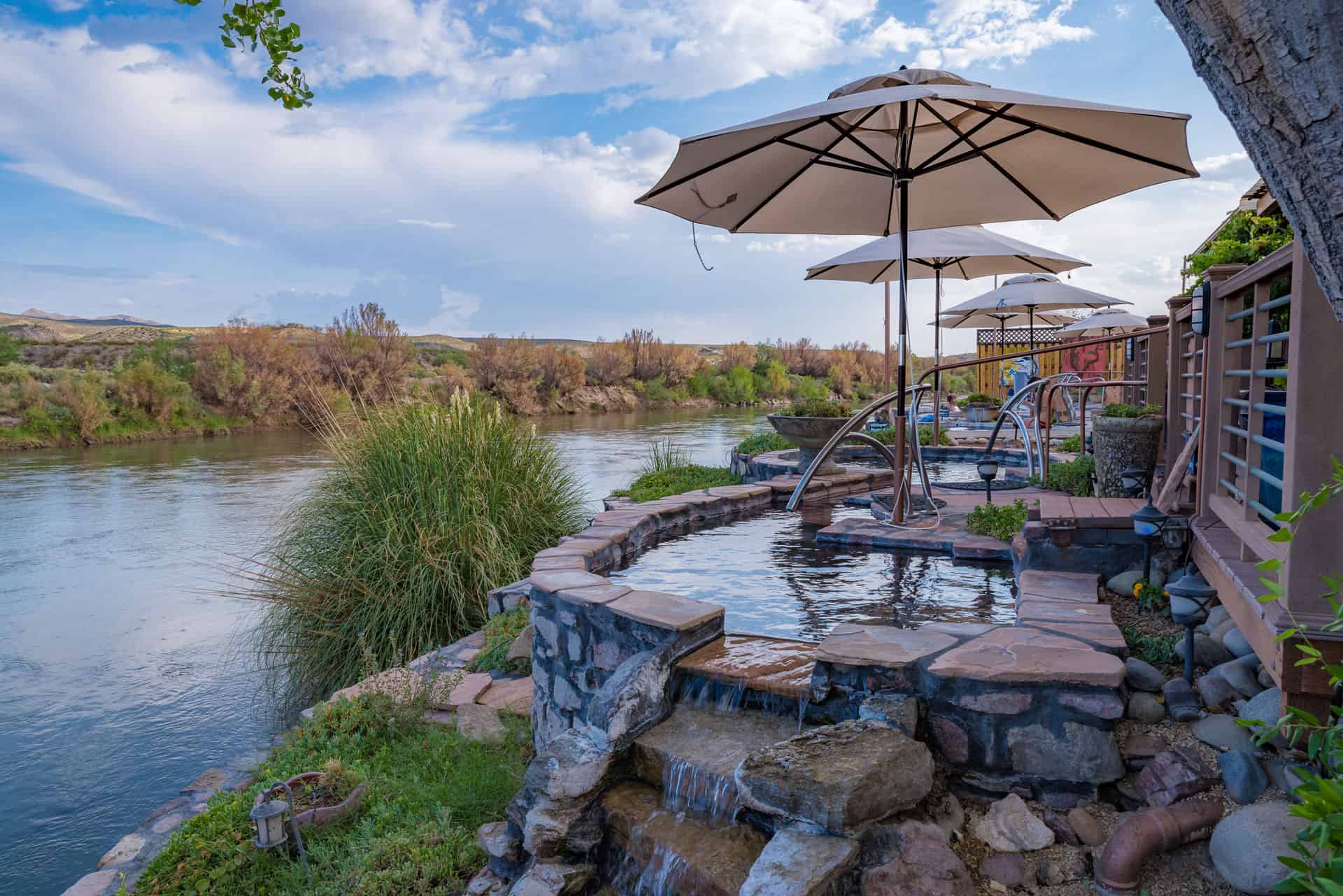
We had been exploring a wide stretch of savannah when our guide decided to stop near a river bend. The landscape was beautiful but quiet. The river curved gently through the grasslands, disappearing behind dense vegetation before emerging again further downstream. A few birds moved along the muddy banks while insects hovered above the water.
Nothing about the scene suggested that we were about to witness one of the most fascinating zebra encounters of the trip.
The river looked peaceful. The grasslands seemed empty. For several minutes, there was almost no movement anywhere.
A Landscape Shaped by Water
Rivers have a way of controlling life in the wild, even when they appear calm.
For animals living in Africa’s savannah ecosystems, water influences nearly everything. It determines where herds travel, where predators hunt, and where fresh vegetation grows. Entire wildlife movements can revolve around access to reliable water sources.
Looking at the river that afternoon, it was easy to understand why animals would be drawn to it.
The surrounding grass was greener than areas further away. Birdlife was noticeably more active. Tracks along the muddy edges showed that many different species had visited recently.
Although the river seemed quiet at that moment, it clearly played an important role in the lives of the animals that shared the landscape.
The Dust on the Horizon
The first sign that something was happening appeared far in the distance.
At first, I thought it was simply wind lifting dust from the plains. The cloud was faint and barely visible against the horizon. Our guide noticed it immediately.
He raised his binoculars and watched for a few moments before pointing towards the movement.
As the dust settled slightly, shapes began to emerge. A herd of zebras was moving across the grasslands.
At first, they were little more than black and white dots against the golden landscape. Gradually, their forms became clearer. More animals appeared behind them, then more still. The herd was much larger than it had initially seemed.
They Were Heading Somewhere
The closer the zebras came, the more obvious it became that they were not simply grazing.
Animals feeding on the savannah tend to move slowly and unpredictably. They stop frequently, lower their heads to graze, then wander in different directions.
This herd behaved differently. They moved with purpose.
The animals maintained a steady pace, and their direction rarely changed. Mothers stayed close to their foals while adults remained aware of the positions of other members of the herd.
It felt as though they had a destination in mind. That destination turned out to be the river directly in front of us.
When the Herd Reached the Water
As the first zebras arrived at the riverbank, something interesting happened. They stopped.
After walking with such determination across the plains, the sudden hesitation seemed unexpected.
The leading animals approached the water’s edge and stared into the river. Some stepped forward before retreating again. Others stood motionless, studying the crossing.
The rest of the herd gathered behind them. What had been a moving river of striped bodies suddenly became a waiting crowd.
The delay lasted much longer than I expected.Minutes passed. Nothing happened. The zebras simply watched the water.
Understanding the Hesitation
From a human perspective, the crossing looked easy.
The river was not especially wide. The water appeared relatively calm. There seemed to be no immediate danger.The zebras clearly saw things differently.
Wild animals rarely approach rivers without caution. Water crossings can be dangerous even when predators are absent. Muddy banks can cause falls. Hidden holes beneath the surface can lead to injuries. Strong currents may be difficult for young animals to navigate.
Then there is the threat that every experienced zebra understands. Rivers are often home to crocodiles.
A crossing that appears safe can become dangerous within seconds. The herd’s hesitation reflected generations of survival instincts.
One Decision Changed Everything
For nearly fifteen minutes, the situation remained unchanged. Then a single zebra stepped forward. The animal moved carefully down the bank and entered the water.
Nothing dramatic happened. No predator emerged. No sudden movement disturbed the river.The zebra continued walking.
What happened next revealed just how connected the herd was. Almost immediately, other zebras followed. The uncertainty that had held the group in place disappeared. Within moments, dozens of animals were entering the river.
The Crossing Comes Alive
The quiet river suddenly exploded with activity.
Water splashed beneath pounding hooves. Young foals pressed tightly against their mothers. Adults moved steadily through the crossing, maintaining awareness of both the river and the animals around them.
The scene looked chaotic from a distance.
Up close, it was surprisingly organised.
Family groups remained together. Mothers constantly monitored their young. The herd moved as a collection of connected individuals rather than a random gathering of animals.
What impressed me most was how naturally the zebras seemed to cooperate.
There was no confusion.
There was no panic.
Every animal appeared to understand its place within the movement of the herd.
The Youngest Zebras Faced the Greatest Challenge
The foals attracted much of my attention during the crossing.
Unlike the adults, they lacked experience.
The river looked larger from their perspective. The current felt stronger. The uneven ground beneath the water created additional challenges for shorter legs.
Several youngsters hesitated as they entered the river. Each time, their mothers remained close.
Watching these interactions revealed how important family bonds are within zebra society.
The foals relied heavily on adult guidance. The adults responded with patience and protection. It was impossible not to admire the trust between them.
More Than a River Crossing
As the crossing continued, I realised I was watching much more than a group of animals moving from one side of a river to the other.
The event revealed how zebras survive in the wild. Their caution showed an awareness of danger. Their social bonds demonstrated the importance of cooperation.
Their willingness to move together reflected a strategy refined over thousands of years of evolution. Every action served a purpose.
Every behaviour contributed to the success of the herd. The crossing was not simply a journey across water. It was a lesson in survival.
The Moment Passed as Quickly as It Arrived
Eventually, the first zebras climbed the opposite bank.
Others followed until the entire herd had crossed.
For a few moments, the animals stood together on the far side of the river. Water dripped from their striped coats while the late afternoon sunlight illuminated the landscape around them.
Then they continued walking. Slowly, the herd disappeared into the grasslands.
The dust settled behind them. The sounds of splashing faded. The river returned to silence.
Why I Still Remember That Afternoon
The most remarkable part of the experience was how ordinary it seemed when it began.
There was no indication that anything special was about to happen. The river bend looked no different from countless others found across Africa’s protected areas.
Yet within a short period, it revealed an entire story about wildlife behaviour, survival, and social relationships.
The zebras did not perform for visitors.
They were simply carrying out an essential part of their daily lives. That authenticity is what made the experience so memorable.
Long after the herd disappeared from view, I kept thinking about the crossing. The caution at the riverbank, the confidence of the first zebra to enter the water, the determination of the mothers guiding their foals, and the quiet cooperation that allowed the entire herd to move safely to the other side.
By the time we drove away, the river looked exactly as it had when we arrived.
The difference was that I no longer saw it as an ordinary river bend.
I saw it as a place where countless wildlife stories unfold every year, often unnoticed, as animals continue the timeless journeys that have shaped life on the African savannah for generations.