Shoebill Courtship: Uganda’s Strangest Love Story
Love in the wild can be really cand loud. A lot of birds sing songs, dance around, or build nests to get a mate. The shoebill is different. It lives in Uganda’s wetlands and has a very quiet and patient way of finding love. Not many people get to see this. Shoebill Courtship: Uganda’s Strangest Love Story is not some weird thing that animals do. It is a story about trust and being committed to each other. It happens far away from where people live.
The shoebill is a special bird in Uganda. People who like birds come from around the world to see it. They go to places like Mabamba Swamp hoping to catch a glimpse of this old-looking bird. A lot of visitors want to take pictures of its bill or its sharp stare. Only a few lucky people get to see the shoebill when it is looking for a mate. When they do, they see a side of the shoebill that’s gentle and affectionate.
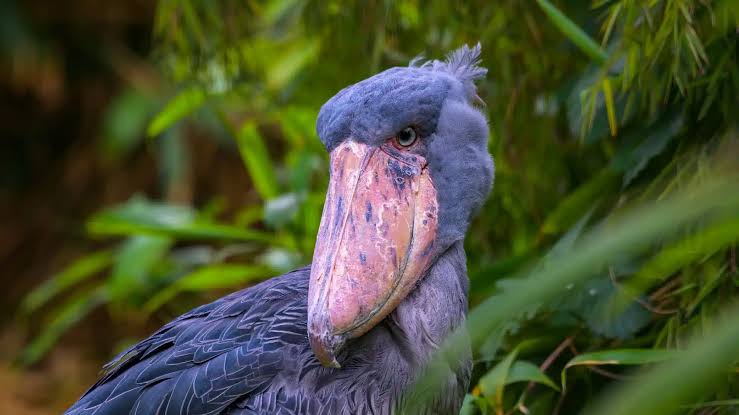
The shoebill is a unique bird. It is five feet tall and has wings that are over eight feet wide. Its big shoe-shaped bill makes it look fierce. It moves around very calmly. Even though it looks scary, the shoebill spends most of its time quietly hunting for food like lungfish, catfish, and frogs.
Shoebills like to be alone. They live in areas with lots of plants and water, and they do not like to be around other birds. This makes it hard for them to find a mate.
Because there are not places where shoebills can live and there are not many shoebills, every time a pair of shoebills has babies it is very important for the species.
Ugandas wetlands are where the shoebills live.
The country has some of the places for shoebills in Africa. The wetlands have a lot of food and places for the shoebills to nest without being bothered by people. This is where the shoebills fall in love.
When it is time for the shoebills to have babies the male and female shoebill start to look for each other. They do not make a lot of noise. Put on a big show. Instead they just watch each other from away.
The male shoebill and the female shoebill walk slowly towards each other. They stop a lot. Look at each other. They are very careful. Make sure they like each other.
It takes a time for the male shoebill and the female shoebill to get to know each other. They do this over days or even weeks. This is because shoebills are naturally quiet and do not like to be, around birds.
For people who take pictures of animals it might seem like nothing is happening when the shoebills first meet.. Really the shoebills are just getting to know each other and learning to trust each other.
A Language Without Songs
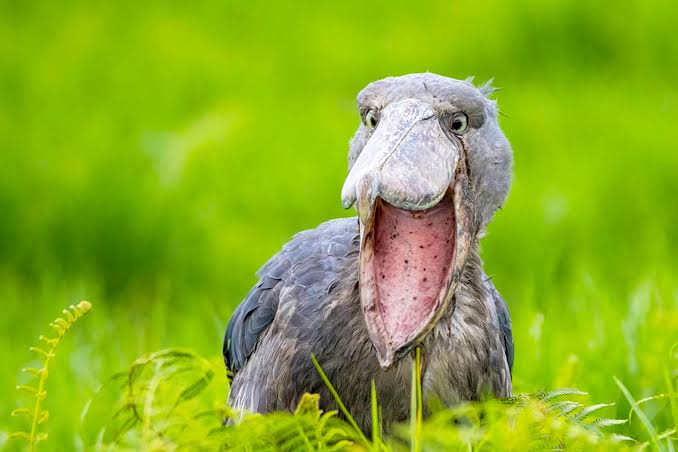
Most birds sing to find love.. Shoebills are different. They make a lot of noise by clattering their bills together. It sounds like a machine gun. They do this to talk to each other.
This strange behavior helps shoebills in ways. find a mate. It helps them stay together. them show birds that this is their home. It also helps them let their partner know they are near.
Shoebills also make sounds and move their bodies to talk to each other. This is how they show love.
The Dance of Patience
They move slowly and carefully. A male shoebill might bow to the female. He might stretch his neck. He might lower his head. Then stand up again. Sometimes the two birds mirror each other. This helps them get closer.
Shoebills do not rush into love. They take their time. They might dance for days. This teaches us that good relationships take time.
Building a Future Together
When two shoebillsre in love they start building a nest. They use sticks and plants from the wetlands. The nest is big and strong. It can hold the birds and their babies.
The male shoebill collects the sticks. The female shoebill arranges them. They both keep adding to the nest. This helps them work together.
A Gift Beyond Flowers
Many birds give food to their loved ones. Shoebills do this too. The male shoebill might catch a fish. Give it to the female. This shows he is a hunter. It also helps her get ready to have babies.
When shoebills give food it shows they care. It is not a competition.
Raising the Next Generation
The female shoebill lays eggs. Both birds take turns sitting on the eggs. They keep them safe from predators and bad weather. On days they bring water to the eggs. They also bring plants to keep the eggs from getting too hot.
Shoebills are good parents. They work hard to keep their babies safe.
A Difficult Choice
Sometimes shoebills have babies.. Usually only one survives. The strongest baby gets all the food. This might seem mean.. It is just how it is in the wild.
Shoebills do this to help their babies survive. They want least one to grow up.
Lessons Hidden in the Marsh
Watching shoebills can teach us things. the good relationships take time. that we should work together. that we should respect each other.
These things are important, for people too. Not just shoebills.
The shoebill is a bird. It does not rush into things.
The Challenges Facing Modern Romance
Shoebills cannot just move to a home if they have problems. People are hurting their homes. We are destroying the wetlands. This makes it hard for shoebills to find love.
We need to protect the wetlands. This will help the shoebills. It will help them have babies. It will help them survive.
Ugandas Conservation Success
Uganda has become one of Africas leading destinations for conservation and responsible ecotourism.
Communities near wetlands increasingly understand that living shoebills create sustainable income through birdwatching tourism.
Guides, canoe operators, lodge owners and conservation organizations all benefit from protecting habitats.
Visitors who choose tours contribute directly to these conservation efforts.
Their presence helps show that healthy wetlands have lasting value without needing to be destroyed.
Why Birdwatchers Feel Inspired
Many people come hoping for the photograph.
They leave with something
Watching two shoebills quietly interact over hours changes expectations about wildlife.
These experiences encourage observation and greater appreciation for natures quieter moments.
A Symbol of Ugandas Wild Heritage
The shoebill has become one of Ugandas recognizable wildlife ambassadors.
Its unique look attracts attention but its behavior creates lasting admiration.
Every successful breeding pair represents hope for a species that depends on wetlands and careful conservation.
Communities working together with researchers continue protecting habitats while educating visitors about responsible wildlife viewing.
Their efforts ensure future generations may continue seeing one of Africas remarkable birds.
A Quiet Love Story Worth Protecting
Shoebill Courtship: Ugandas Strangest Love Story reminds us that the strongest relationships often grow quietly. There are no feathers flashing through the sky or endless songs filling the air. Instead there is patience, mutual trust, shared work and remarkable devotion hidden among Ugandas wetlands.
Every bow, every bill clatter every placed reed tells part of a relationship built over time. These birds show that commitment is measured through actions repeated day after day.
As wetlands continue facing growing pressure protecting the shoebill means preserving more, than an unusual bird. It means safeguarding one of natures remarkable love stories one that continues unfolding in the quiet marshes of Uganda for those willing to watch patiently.
Through conservation, education and responsible tourism we can help ensure this extraordinary romance continues for generations yet to come.