The Solitary Life of the Shoebill Stork
I will never forget seeing a shoebill stork standing by itself in a wetland. The shoebill stork was still, and it was really tall. The shoebill stork seemed calm. This is a picture that will stay with me forever. I feel lucky to have seen the shoebill stork. Many birds like to be in groups.. The shoebill stork is different. The shoebill stork likes to be alone. It moves slowly through the wetlands with a lot of patience. The shoebill stork is very confident.
The Solitary Life of the Shoebill Stork is not a fun fact about the shoebill stork. It is a reminder that we do not always need to be around people to be strong. Sometimes we can do things when we are alone. We can think clearly. Work hard without any distractions.
A Bird Unlike Any
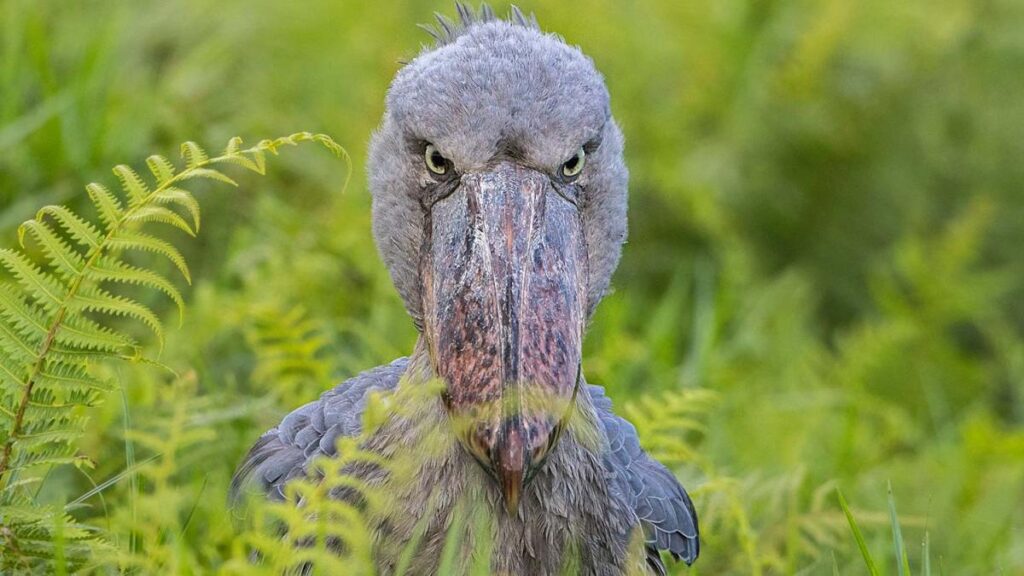
The shoebill stork is a very special bird. It is one of the unique birds in the world. The shoebill stork is tall. Between four and five feet. It has a bill that looks like a shoe. This is why it is called the shoebill stork. The shoebill stork has blue feathers and piercing eyes. It moves slowly. The shoebill stork looks like a bird from a time ago.
The shoebill stork is not like other birds. It has its own family. The shoebill stork is more like pelicans and hamerkops than other storks. This makes the shoebill stork more interesting.
The shoebill stork lives in the freshwater marshes of East and Central Africa, also the shoe bill to live in Uganda, South Sudan, Zambia, Rwanda, Tanzania and the Democratic Republic of the Congo. it also loves the papyrus swamps. The swamps have everything the shoebill stork needs. find food and a place to nest. The swamps are also very quiet and private.
The shoebill stork is a bird. It does not make a lot of noise like birds, is calm and peaceful. This is because it lives in a place.
Why Shoebills Prefer Solitude
One of the interesting things about the shoebill stork is that it likes to be alone. Being alone is not a thing for the shoebill stork. It is a way for the shoebill stork to survive. i has been doing this for thousands of years.
The shoebill stork hunts for food by waiting. The shoebill stork waits by the water until it sees something to eat. If there were shoebill storks in the same place they would compete with each other.. The shoebill stork likes to be alone. This way the shoebill stork can find food without any problems.
The shoebill stork likes to eat lungfish, catfish, eels, frogs, snakes and lizards. Sometimes the shoebill stork even eats crocodiles. The shoebill stork needs to be very careful when it hunts. The shoebill stork needs to focus on its surroundings. Being alone helps the shoebill stork do this.
The shoebill stork also likes to have a territory. This helps the shoebill stork during breeding season. The shoebill stork can find a place, to nest. The nest is hidden among the plants. This keeps the shoebill stork safe.
Masters of Patience
You know some birds are really good at waiting. The shoebill is one of them.
This bird can stay completely still for thirty minutes or more just watching the water. It looks like a statue. It is ready to move at any moment.
When the time is right the shoebill moves fast. Its strong bill catches its prey before it can get away.
This way of hunting teaches us something. Just because you are moving around a lot does not mean you will get what you want. Sometimes it is better to wait and watch.
Nature likes it when we are prepared not just when we are moving around.
Silence Has Its Strength
These days people are always busy. We are told to talk post more and always be connected.
The shoebill is different.
It is quiet. That does not mean it is not paying attention. The bird hears every sound in the swamp from the water moving to the fish swimming underneath the plants.
Because the shoebill is quiet it notices things that others might miss.
A lot of people have their ideas when they are alone and quiet not when they are busy. Writers, photographers, scientists and artists often do their work when they are not being bothered.
Being quiet gives us space to think clearly.
Life in the Wetlands
Shoebills need wetlands that’re healthy all year round.
The marshes with plants give them a place to hide from predators, a safe place to build their nests and plenty of food. The plants that float on the water help the fish population and the thick reeds give the birds a place to hide.
These wetlands are also home to other animals, like frogs, insects, reptiles, mammals and hundreds of other bird species.
When the wetlands are destroyed, because of farming, pollution or other human activities the shoebills lose their home.. It is not just the shoebills many other animals are affected too.
So we need to protect these wetlands because they are home to thousands of living things.
A Careful Hunter
The shoebill is a precise hunter. It does not chase its prey like some other birds do.
It usually stands near the plants that float on the water, where the fish like to hide.
When it feels something moving the bird strikes, using its bill to catch the fish.
The bill is like a scoop it helps the bird grip the fish and the sharp hook at the end helps it handle big fish.
After catching its prey the shoebill often shakes off the plants before swallowing its food whole.
Every move the bird makes is efficient. Every action has a purpose.
Breeding Requires Temporary Partnership
Shoebills usually live alone. When it is time to breed they find a partner.
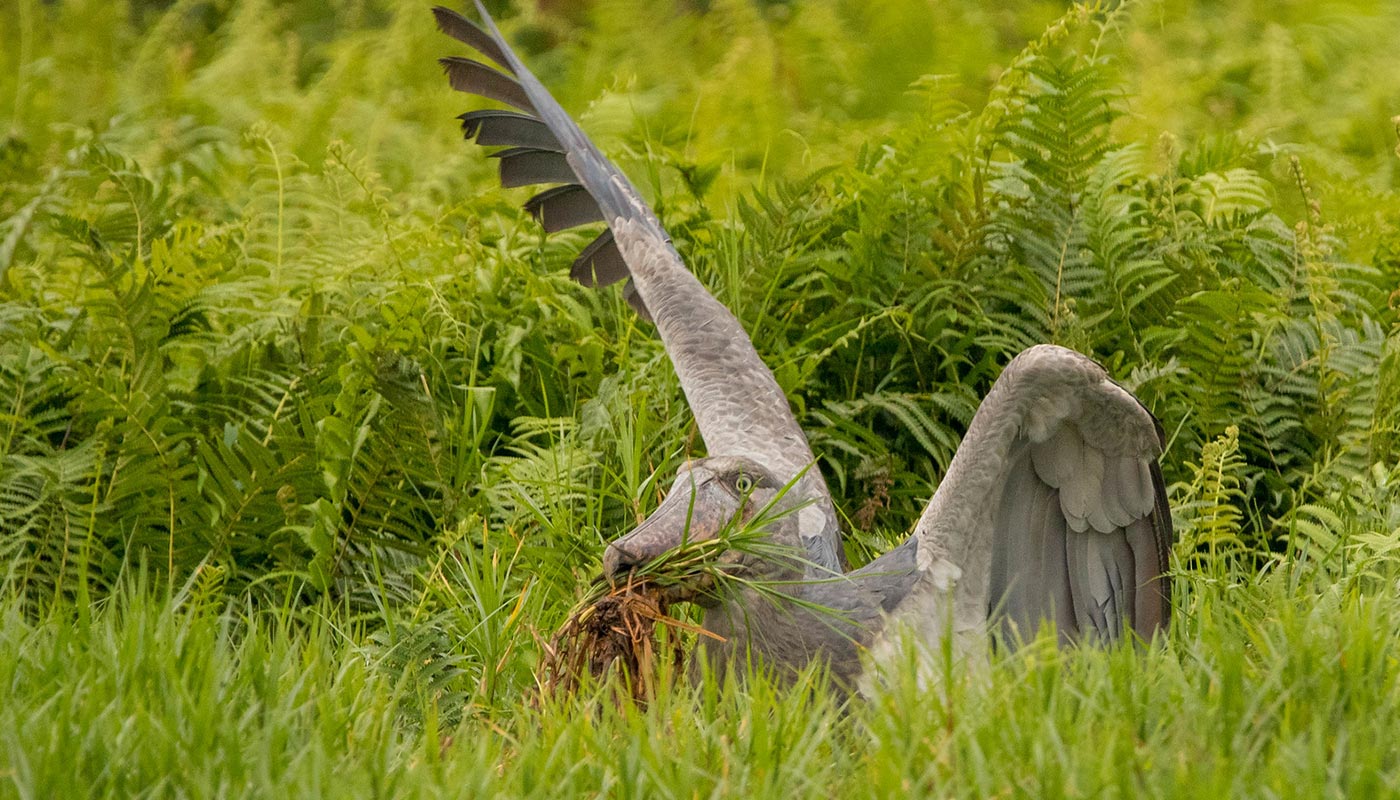
The male and female work together to build a nest from reeds and plants that grow in the water. They build their nest on a platform that floats on the water, which keeps predators away.
The female lays one to three eggs. Both parents take turns keeping the eggs safe and cool.
When the babies hatch the parents work together to feed them and keep them safe.
Once the babies are old enough they leave the nest and the adults go back to living alone.
Even birds that like to be alone know that sometimes they need to work
Lessons From Independence
Some people are scared of being alone because they think it means they will be lonely.
The shoebill shows us that being alone can be a good thing.
When we are alone we can learn, grow and be creative.
Students need time to study without distractions.
People who start their businesses often work long hours alone before they are successful.
Athletes practice for hours without anyone watching. That is how they get better.
A lot of progress happens when we are alone and quiet.
The shoebill shows us that being independent and confident go together.
Threats Facing Shoebills
The shoebill has been around, for a time but it is facing some big threats.
The biggest danger is that its home, the wetlands is being destroyed.
People are draining the wetlands to farm build houses and factories. Pollution is also changing the water, which means there are fish for the shoebills to eat.
Climate change is also a problem because it affects how much rain falls and that changes the water level in the wetlands.
Some people are also taking eggs and babies from the wild, which hurts the population.
Because shoebills do not have babies it takes a long time for them to recover when their population goes down.
Now some organizations are working with people to protect the shoebills and their homes.
Ugandas Amazing Shoebill Population
Uganda is a place to see shoebills in their natural home.
People come from around the world to visit wetlands like Mabamba Swamp near Lake Victoria.
They want to see these birds.
Early in the morning visitors can take a canoe ride to see the shoebills.
They can watch the birds hunting quietly among the papyrus reeds.
This helps the communities and encourages people to protect the environment.
When people care about the birds and their home everyone wins.
Tourism helps people make money so they want to keep the wetlands safe for the future.
The Power of Waiting
Waiting is not something people do much anymore.
People want to talk to each other away they want results now and they want to make progress fast.
Shoebills teach us that good things often take time.
The bird does not rush it waits and watches then it acts.
Many good things in life are like this.
Learning a language takes a long time.
Building trust with someone takes time too.
Having a career does not happen overnight it takes work.
Waiting is not doing nothing it is getting ready.
Respecting Peoples Space
Shoebills also teach us to respect each others space.
They keep a distance from each other so they can survive.
People need space too.
Time alone helps us feel better think and remember what we want.
When people have space their relationships get stronger.
Being alone is good when we also have time with others.
Hope for the Future
People are working hard to protect the shoebills.
They are keeping the wetlands safe teaching people about the birds and doing research.
Tourism is also helping to protect the shoebills.
The government, conservation groups and local people are all working together.
Every time we protect a wetland we help make sure that people in the future can see a shoebill.
Every time we do something to help it shows that we can make a difference.
The story of the shoebill teaches us a lot.
It shows us that we do not need to be the center of attention all the time that waiting can be good and that being quiet and determined can help us overcome challenges.
Seeing a shoebill in a wetland can change the way we think about nature.
The bird is not trying to get attention it is just living its life.
It succeeds because it is focused, patient and has a purpose.
We need to protect the wetlands and the shoebills.
Their future depends on us taking care of the Earth.
We can learn from the shoebill to appreciate the moments trust ourselves and remember that strength comes from within.
So let us try to be, like the shoebill and take care of the Earth and its amazing creatures like the shoebill.