Shoebill vs Pelican: Untangling an Ancient Family Tree
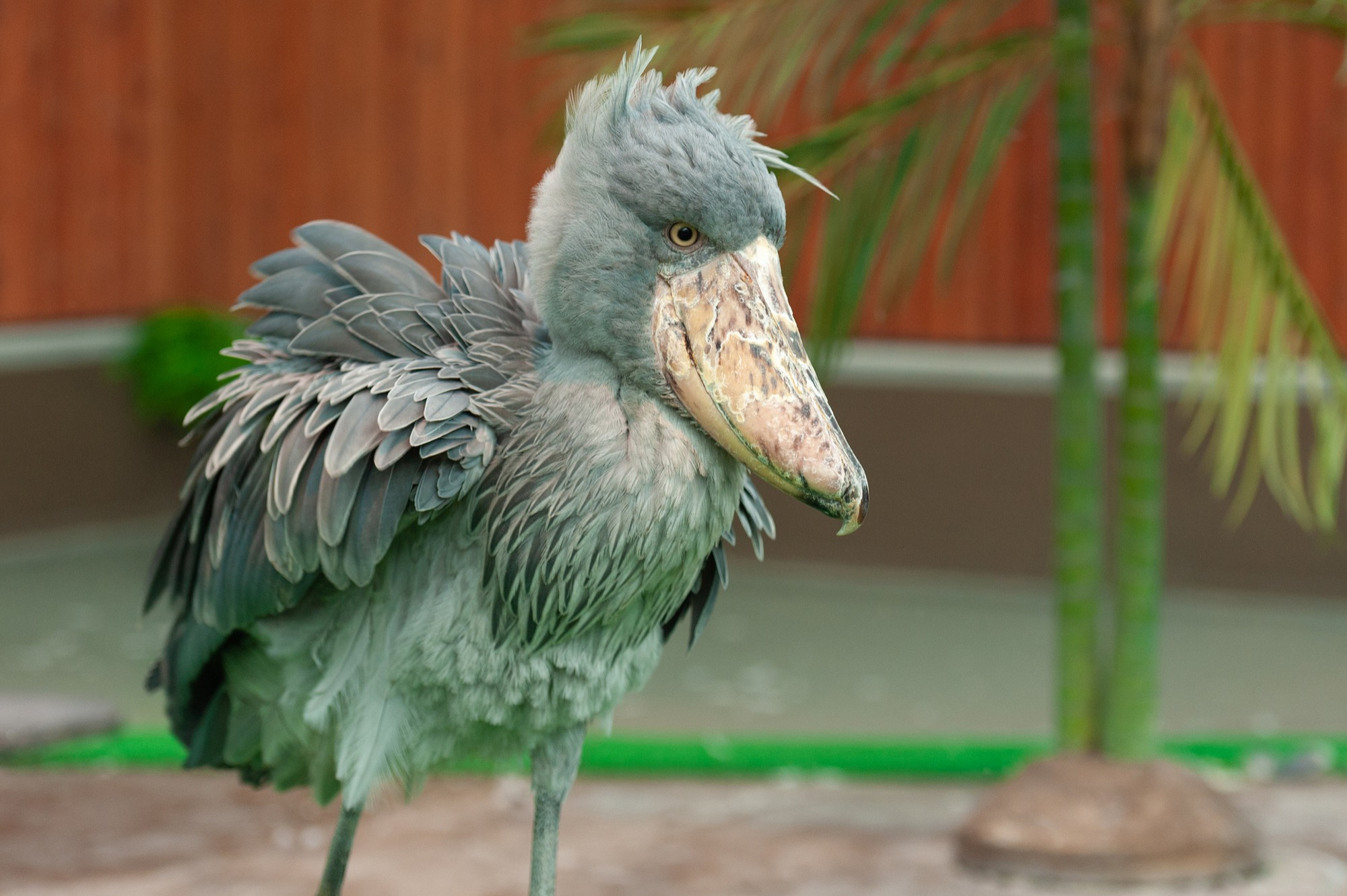
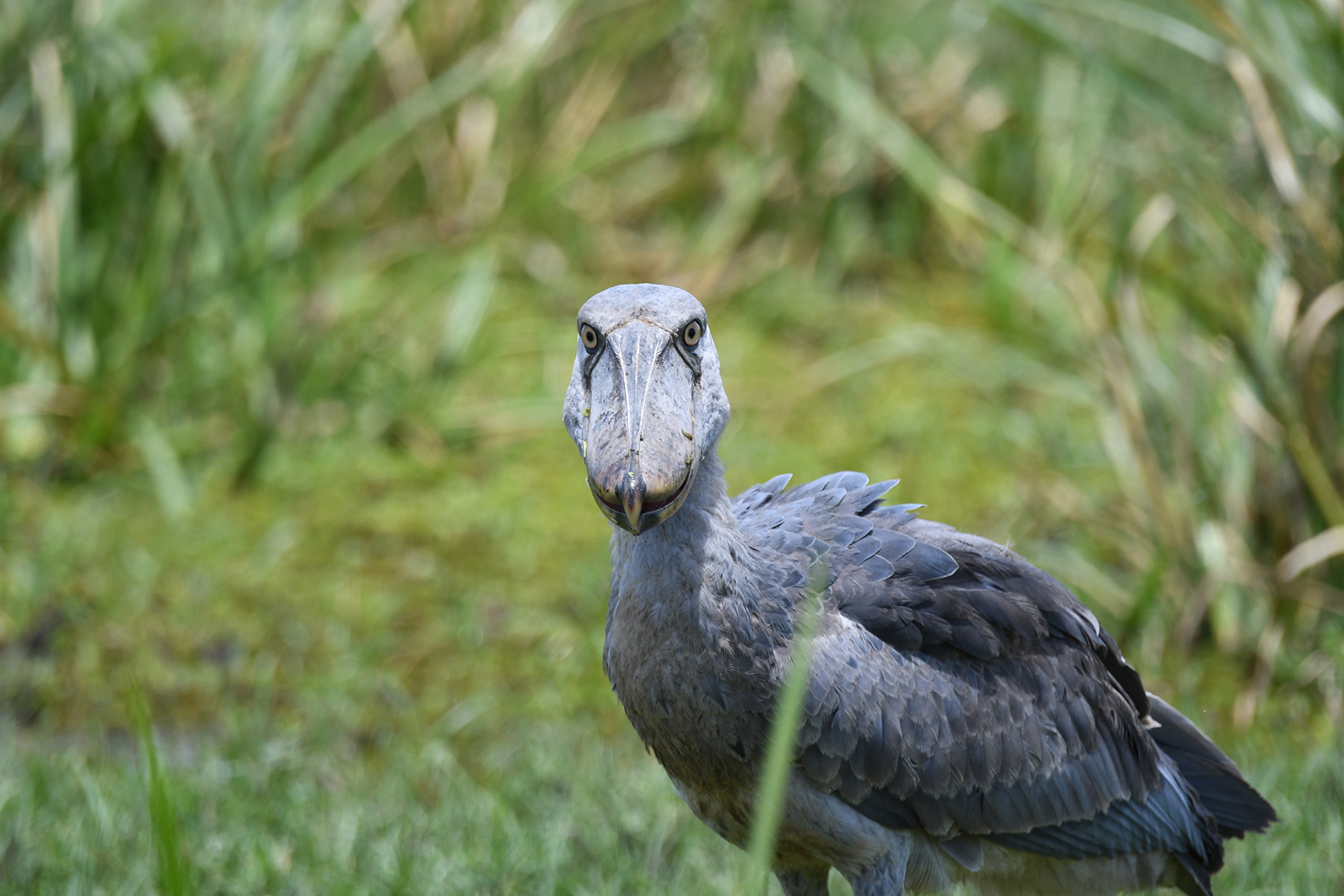
When people see a Shoebill for the first time, they often find it hard to believe that such a bird really exists. The Shoebill is very tall; it has a shoe-shaped bill; it stares at you with its piercing eyes, and it moves very slowly. This makes the Shoebill seem like a bird from a time ago, not a modern bird. On the other hand, Pelicans look like birds we know; they glide over lakes and coastlines with ease, and they use their special throat pouches to catch fish from the water.
At first, these two birds seem different. The Shoebill looks like a bird from a time ago, and it likes to be alone. The Pelican is a bird, and it looks very elegant. Science has found a surprising connection between the Shoebill and the Pelican. Their ancestors were. This tells us a fascinating story about how animals change over time, adapt to their surroundings, and survive for millions of years.
Shoebill vs Pelican: Untangling an Ancient Family Tree invites us to look beyond how things seem and discover the stories that nature hides.
Looking Beyond First Impressions
Nature is always reminding us that how things look can be misleading. Birds that do not seem related at all might actually have an ancestor and birds that look similar might have evolved separately to solve the same problems.
For a time scientists were not sure where the Shoebill fit in the bird family tree. Some thought it was closely related to storks because it has legs and lives in wetlands. Others thought it was like herons because of the way it hunts.
Then scientists started using DNA analysis and this changed everything. The DNA studies showed that the Shoebill is actually closely related to the Pelican than to storks or herons. This was a surprise and it changed the way scientists classified birds. It also showed how powerful genetics can be in finding relationships that we cannot see by looking at the birds.
This lesson is not for biology. If we look carefully we can often find truths that we missed at glance.
The Ancient Origins of Water Birds
A time ago the ancestors of the water birds we see today lived in habitats that were very different from the ones we see now. The wetlands were bigger or smaller depending on the climate rivers changed course. Lakes formed and disappeared.
As the habitats changed the bird populations adapted in ways. Some birds evolved into the Pelicans we know today they became lighter they could fly efficiently and they developed amazing fishing techniques. Other birds followed a path and over time they became the modern Shoebill perfectly suited for catching prey in the dense marshes of Africa.
Even though the Shoebill and the Pelican have different lifestyles now their shared ancestry is still visible, in their DNA.
Evolution Is About Adaptation
Evolution is not about being perfect. It is about having the characteristics that help a species survive and have babies in its environment.
The pelicans did well because they became flyers. They could travel distances and hunt with their friends.
The shoebills did well because they were hunters. They could stand still for a time and then strike very fast.
Each bird did well because its strategy was good for its home.
Similarities Hidden Beneath the Surface
Even though shoebills and pelicans look very different scientists found that they have some things in common. This shows that they are connected through evolution.
Both birds have strong bills that are good for catching fish. Their bills work differently. They are both very good at what they do.
If you look closely at their bones you can see that they are similar too.
Both birds live in freshwater. Eat fish. Shoebills like to eat lungfish and catfish. Pelicans mostly eat fish that they catch near the surface of the water.
These similarities show that shoebills and pelicans share an ancestor that lived a long time ago.
The Shoebills Unique Journey
While pelicans live in parts of the world shoebills only live in freshwater swamps in Africa.
This is why shoebills evolved to be good at living in this kind of environment.
The swamps are very dense. It is hard to move around.. Shoebills are good at moving slowly and quietly. They can stand still for a time and wait for food to come to them.
A shoebill can stand still for half an hour or more watching the water for any movement. Then it will strike fast.
This way of hunting helps the shoebill save energy and catch its food.
It also teaches us that we do not always have to be moving to get what we want. Sometimes it is better to wait and watch.
Pelicans Chose a Different Path
Pelicans evolved to be good flyers. They can travel distances to find food.
Many pelicans work together to hunt. They surround the fish. Then scoop them up in their big throats.
Their bones are light and their wings are broad so they can fly efficiently.
This shows that two related birds can develop lifestyles but still be connected through their ancestry.
Success in nature comes in forms.
Science Continues to Refine the Family Tree
The study of bird evolution is always changing.
As scientists find fossils and learn more about DNA they can better understand how birds evolved.
The relationship between shoebills and pelicans is an example of how science changes as we learn more.
A time ago scientists classified birds based on how they looked.
Now scientists can look at the DNA of birds. Compare it to other birds.
This gives us a picture of how birds are related.
Every Discovery Starts With Curiosity
Many important scientific discoveries start with a question.
Why do two birds look similar?
Why do two bird behave differently even though they live in the place?
Why do genetics sometimes not match how a bird looks?
These questions make scientists want to learn more. This is how we learn about the world.
Being curious is one of the things about being human.
Lessons We Can Learn From Evolution
The story of shoebills and pelicans teaches us some lessons.
First every living thing has a history that is inside its genes. The animals we see today are the result of millions of years of survival and adaptation.
Second we should appreciate the differences between living things. Shoebills and pelicans are different. They are both successful in their own way.
People often think that there is one way to be successful.. Nature shows us that this is not true.
Different environments need strengths.
Some animals are successful because they are fast.
Others are successful because they are patient.
Some work well in teams.
Others work alone.
There is no one formula, for success.
Protecting Ancient Lineages
The shoebill has a small area where it lives which makes it really important to protect it.
We need to take care of the shoebill.
Wetlands are being. This is a big problem for the shoebill and other birds that live in these areas.
People are also hurting these birds by polluting and disturbing their homes.
When we protect the wetlands we are helping the shoebill and many other animals that live there.
Pelicans are also having a time in some places because their homes are being destroyed and they are not finding enough food.
This is a problem for them when they try to have babies.
We need to protect all these animals and the places where they live.
This will help keep all the types of animals safe and healthy.
If we lose one type of animal it is gone forever. We can never get it back.
We can help by supporting protected areas and being responsible when we visit these places.
We can also help by working with the people who live near these animals and by supporting projects that help protect them.
This way we can make sure that the shoebill and other amazing birds will continue to thrive and inspire people in the future.
Appreciating Natures Hidden Connections
One of the things about learning about animals is finding out how they are all connected.
The connection between the shoebill and the pelican is really interesting. It shows us that nature is full of surprises.
Things that seem strange often have a history that we do not know about.
When we learn about these connections we start to appreciate how complicated and amazing life on Earth is.
Every animal is part of a bigger story that goes back thousands and thousands of years.
When we understand these connections we start to feel humble and curious. We want to protect the natural world even more.
The story of the shoebill and the pelican reminds us that every animal has a cool history no matter what it looks like or where it lives.
When we take the time to learn about these connections we find out that evolution is not about changing it is about being strong and adapting to the world.
It is, about the ways that life keeps going and growing over time.
Time you see a shoebill or a pelican remember that they are connected in a way that goes back millions and millions of years.
This shows us that the best stories are often the ones we do not expect.
The story of the shoebill and the pelican encourages us to keep asking questions to keep learning and to keep protecting the animals that connect us to the past.