
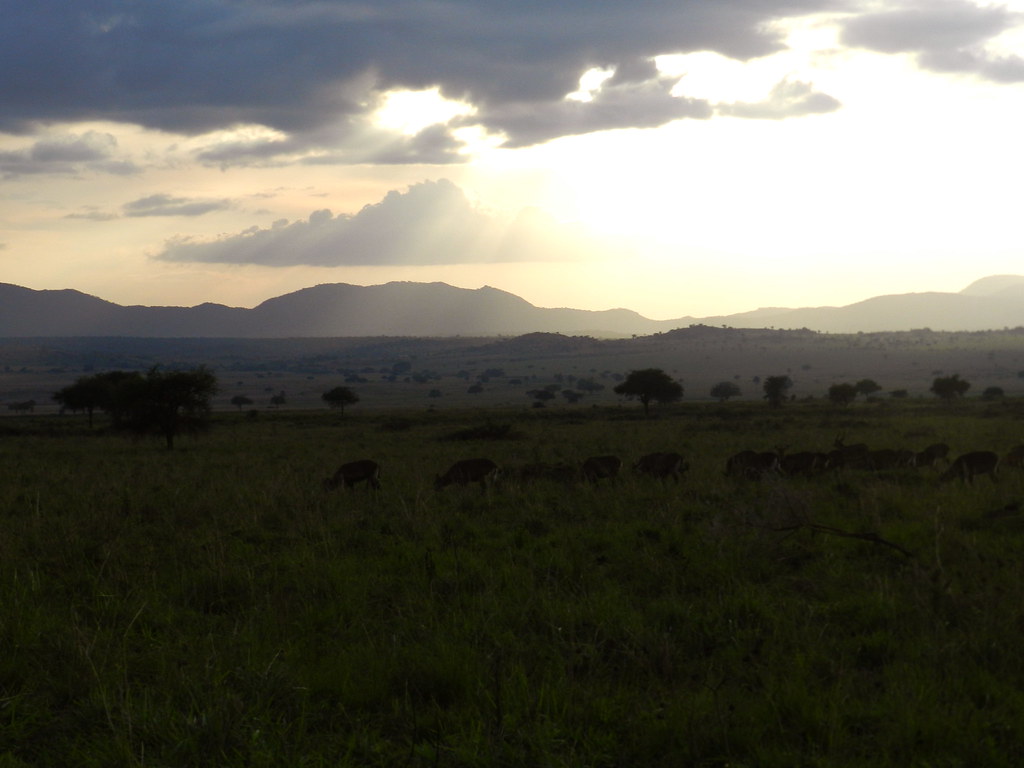
Safari in July and August: Peak Season Planning Advice
July and August are among the most popular months for an East African safari. Across much of Uganda, Rwanda, Kenya and Tanzania, the dry season creates favourable conditions for wildlife viewing, outdoor activities and travel between national parks. Vegetation becomes less dense in many savannah habitats, some water sources begin to shrink, and animals may become easier to locate around rivers, lakes and permanent waterholes.
These months are especially attractive to travellers hoping to see the Great Wildebeest Migration, trek mountain gorillas, observe chimpanzees in tropical forests or enjoy a traditional Big Five safari. They also coincide with summer holidays in Europe and North America, making them convenient for families, couples and travellers who must take annual leave during a particular period.
However, the popularity of July and August comes with important trade-offs. Accommodation rates are often higher, the best safari camps can sell out months in advance, and gorilla trekking permits may be difficult to secure for preferred dates. Popular wildlife sightings can also attract several safari vehicles, particularly in well-known migration areas.
Planning a safari during these months requires more than choosing a destination and booking a flight. You need to consider wildlife movements, accommodation locations, transport arrangements, park access, activity availability and your overall budget. A well-planned itinerary can help you enjoy the advantages of the dry season without spending unnecessarily or rushing between destinations.
Why July and August Are Peak Safari Months
The main reason July and August attract so many visitors is the combination of favourable weather and important wildlife experiences. In many East African savannah destinations, these months fall within the long dry season. Rainfall is generally lower than during the long rains, and tracks may be easier to navigate as they dry out.
Wildlife viewing often improves as vegetation becomes less dense. Animals that were spread across large areas during the rainy season may concentrate around permanent water sources, depending on the park and recent rainfall. This can help guides locate elephants, buffaloes, antelopes and predators. Shorter grass can also improve visibility across open plains.
The timing is particularly important for the Great Wildebeest Migration. Large herds move through the Serengeti ecosystem in Tanzania and the Maasai Mara ecosystem in Kenya throughout the year. During July and August, some herds may be in the northern Serengeti or the Maasai Mara, creating opportunities to witness river crossings when conditions align.
Gorilla trekking is another major attraction. Uganda’s Bwindi Impenetrable National Park and Mgahinga Gorilla National Park, along with Rwanda’s Volcanoes National Park, generally experience more favourable trekking conditions during the drier months. Rain remains possible in these mountain forests, but trails may be less muddy than during the main rainy season.
The demand for these experiences increases competition for accommodation, permits and flights. Travellers who wait until the last minute may have to accept a less convenient lodge, a different trekking date or an alternative destination. Booking early provides more choices and makes it easier to design a safari around your priorities.
July or August: Which Month Should You Choose?
July and August offer many of the same advantages, but the best choice depends on your travel dates, budget and wildlife interests.
July is a strong option for travellers who want to visit during the early part of the main migration season in northern Tanzania and Kenya. Some herds may be moving through the northern Serengeti, and river crossings can occur when the animals reach suitable crossing points. The exact timing varies from year to year, so a July safari should not depend on a guaranteed crossing.
August is also excellent for migration-focused travel. Herds may be spread across the northern Serengeti and Maasai Mara, and river crossings can occur in either area. However, not all herds cross the river, and some may remain in one location for days before moving. The presence of crocodiles, predators and large herds creates opportunities for dramatic wildlife viewing, but nature does not follow a fixed timetable.
For gorilla trekking, both months generally offer favourable conditions in Uganda and Rwanda. The difference between July and August is usually less important than permit availability, the location of your accommodation and the trekking sector you choose.
Prices can be high in both months. Some properties may have different rates or availability depending on exact dates, school holidays and demand. Travellers with flexible schedules should compare early July, late August and September rather than assuming that every day within the peak season costs the same.
If you have fixed dates, book around those dates as early as possible. If you have flexibility, compare the wildlife opportunities and total costs of several possible travel windows before making a decision.
The Great Wildebeest Migration in July and August
For many travellers, the Great Wildebeest Migration is the main reason to visit East Africa during July and August. This annual movement involves wildebeest, zebras and other grazing animals travelling through the Serengeti ecosystem in search of fresh grass and water.
The migration does not begin or end on a particular date. Rainfall, grazing conditions and the movement of individual herds influence where the animals travel. As a result, the best location for a migration safari can change from one week to another.
Tanzania’s Northern Serengeti
The northern Serengeti is an important area to consider in July and August. Some migration herds move through this region as they travel towards the Kenya-Tanzania border. The Mara River can become a major obstacle, and crossings may occur when herds attempt to reach fresh grazing on the other side.
River crossings can be spectacular, with wildebeest gathering along the banks, entering the water and climbing out on the opposite side. Crocodiles inhabit the river, while lions, leopards and other predators may take advantage of the abundance of prey in the wider ecosystem.
However, a river crossing is never guaranteed. Herds can approach the river and turn back, cross at a different point or remain away from the river altogether. Travellers should choose the northern Serengeti because they want to experience the migration and its broader wildlife, not solely because they expect to witness one specific crossing.
Camp location matters enormously. A property close to the areas used by the herds can reduce unnecessary driving and provide more time for wildlife viewing. Ask your operator which areas are most appropriate for your dates and how the camp’s location supports the planned activities.
Kenya’s Maasai Mara
The Maasai Mara National Reserve and surrounding conservancies are also major destinations during July and August. Depending on rainfall and herd movements, wildebeest and zebras may arrive from Tanzania in significant numbers during this period.
The Mara offers more than migration crossings. Its resident wildlife includes lions, elephants, buffaloes, leopards, cheetahs, giraffes, zebras and numerous antelope species. Even when the herds are concentrated elsewhere, the reserve can provide rewarding game drives.
The challenge is demand. Accommodation in prime migration areas can become expensive, and popular camps may sell out far in advance. During busy periods, several vehicles may gather around a major sighting, especially when a crossing is underway.
Private conservancies bordering the reserve can offer a different experience, depending on the property and its rules. Some allow activities such as guided walking safaris or night drives that are not generally permitted in the main reserve. These activities are not available everywhere, so check what your accommodation actually includes.
A strong Maasai Mara itinerary should allow several game drives rather than relying on a single excursion. This gives you more opportunities to follow wildlife movements and enjoy the reserve even if no river crossing occurs during your stay.
How Long Should You Spend Following the Migration?
For a migration-focused safari, three or four nights in a suitable area can provide a reasonable opportunity to explore the ecosystem. A longer stay may be worthwhile for photographers or travellers who want more time to follow herd movements.
Shorter visits can still be rewarding, but they provide fewer opportunities to respond to changing conditions. If a herd is several hours away or moves overnight, a brief stay may end before you reach the most productive area.
It is also worth considering a combination of destinations. A northern Tanzania itinerary could include the Serengeti and Ngorongoro Conservation Area, while a Kenya trip might combine the Maasai Mara with another wildlife destination. However, avoid adding so many stops that you spend most of your holiday travelling.
The most useful question to ask your operator is not whether you will see a river crossing, but how the itinerary is designed to maximise your chances of experiencing the migration while still offering excellent wildlife viewing if no crossing takes place.
Uganda in July and August: Gorilla Trekking and Big Game Safaris
Uganda is an excellent choice for travellers who want to combine mountain gorillas, chimpanzees and traditional savannah wildlife. July and August generally offer favourable conditions for exploring several of the country’s major national parks, although local weather and road conditions can still change.
Bwindi Impenetrable National Park
Bwindi is one of the world’s most important destinations for mountain gorilla trekking. Visitors walk through dense forest with trained guides and trackers to locate an assigned gorilla family. The experience provides an opportunity to observe the animals in their natural habitat while supporting conservation and local tourism.
July and August are popular months because the trails may be less muddy than during the long rains. Nevertheless, Bwindi is a rainforest, and rain can occur even during the dry season. The terrain can be steep, uneven and physically demanding, so visitors should bring hiking boots with good grip, waterproof clothing, long trousers and gloves for protection from vegetation.
Gorilla trekking permits are limited, making early booking essential. Travellers should secure permit availability before finalising the rest of the itinerary, particularly if they need to trek on a specific date or prefer a particular sector of the park.
Accommodation location is also important. Bwindi has several trekking sectors, and the sector assigned for your trek influences where you should stay. Booking a lodge on the wrong side of the park can result in unnecessary driving before the trek begins.
Mgahinga Gorilla National Park
Mgahinga Gorilla National Park offers another opportunity to see mountain gorillas in Uganda. The park forms part of the Virunga conservation landscape, which includes protected mountain habitats across Uganda, Rwanda and the Democratic Republic of the Congo.
The scenery is different from Bwindi, with volcanic mountains, bamboo forest and montane vegetation. Gorilla trekking remains physically demanding, and visitors should be prepared for steep slopes and changing weather.
Mgahinga can be attractive to travellers who want to combine gorilla trekking with golden monkey tracking or other activities available in the area. The suitability of each activity depends on current park arrangements, permit availability and the length of the trip.
As with Bwindi, permits and accommodation should be organised well in advance during July and August. Travellers should also allow enough time for transfers from other destinations.
Murchison Falls National Park
Murchison Falls National Park is one of Uganda’s leading savannah wildlife destinations. Its landscapes include open grasslands, woodland, riverine vegetation and the Victoria Nile. Visitors may see elephants, giraffes, buffaloes, antelopes and predators during game drives.
A boat cruise on the Nile offers a different perspective on the park’s wildlife. Hippos, crocodiles and waterbirds can often be observed along the river, while the journey towards the falls provides impressive views of the surrounding landscape.
July and August can offer favourable conditions for game drives as the dry season develops. Wildlife distribution changes with water availability, so guides may focus on areas where animals are more likely to gather. Sightings are never guaranteed, but spending several drives in the park improves the opportunity to observe a variety of species.
Queen Elizabeth National Park
Queen Elizabeth National Park combines savannah, wetlands, lakes and woodland habitats. It is home to elephants, buffaloes, hippos, antelopes and numerous bird species. Lions and leopards are also present, although their visibility depends on location, timing and luck.
The Kazinga Channel boat cruise is one of the park’s major attractions, providing opportunities to observe wildlife gathered along the banks. Visitors may also explore the Kasenyi plains and other areas with experienced guides.
Travellers interested in tree-climbing lions may visit the Ishasha sector in the southern part of the park. These lions are not guaranteed to be seen in trees, and reaching Ishasha should be planned according to the wider route rather than as a promise of a particular sighting.
Uganda is particularly suitable for travellers who want a varied safari. A route combining savannah game drives with gorilla or chimpanzee trekking can be rewarding, but the itinerary should include realistic transfer times and sufficient rest between demanding activities.
Rwanda in July and August: Gorilla Trekking and Volcano Scenery
Rwanda is another strong option for a July or August safari, especially for visitors whose main priority is mountain gorilla trekking. The country offers a compact route between the capital, volcanic mountains, rainforest and savannah habitats.
Volcanoes National Park
Volcanoes National Park is Rwanda’s principal gorilla trekking destination. The park protects mountain gorillas in a landscape of volcanic slopes, bamboo forest and montane vegetation. July and August generally fall within a favourable trekking period, although mist, rain and cool temperatures remain possible.
Visitors join a guided trek to locate an assigned gorilla family. The walking distance and difficulty depend on the group’s location and movements. Some treks may be relatively manageable, while others require several hours on steep or muddy terrain.
Booking permits early is important because demand is high during these months. Accommodation should be selected with the trek’s starting point and planned transfers in mind. Travellers should also bring warm layers for early mornings, waterproof clothing and boots suitable for uneven ground.
Nyungwe National Park
Nyungwe National Park offers a different forest experience, with chimpanzee tracking, birdwatching and guided walks. The park protects montane rainforest and supports a wide range of wildlife, including several primate species.
Although July and August are generally favourable months for outdoor travel in the region, forest weather can change quickly. Travellers should still prepare for damp trails and occasional rain.
Nyungwe can be combined with other Rwanda destinations, but road journeys across the country can take longer than expected. Allow enough time to travel between the forest, Volcanoes National Park and Kigali rather than planning an overly compressed route.
Akagera National Park
Akagera National Park provides Rwanda’s main savannah safari experience. Its mix of grassland, woodland, lakes and wetlands supports elephants, buffaloes, giraffes, antelopes and predators. Birdlife is also a major attraction.
Game drives allow visitors to explore different habitats, while a boat trip on Lake Ihema can provide opportunities to observe hippos, crocodiles and waterbirds. Wildlife sightings depend on conditions and the animals’ movements, so allow sufficient time for more than one excursion.
Akagera can be a useful addition for travellers who want to combine gorilla trekking with a traditional safari without travelling across several countries. Rwanda’s relatively compact geography can simplify the itinerary, but permit dates and accommodation availability should still guide the order of travel.
What to Expect From the Weather
July and August are generally dry months across many East African safari regions, but conditions vary considerably by altitude and location. Travellers should not assume that the entire region will be hot, dry and cloudless throughout their trip.
In open savannah parks, days can be warm and sunny, while early mornings and evenings may be cool. The temperature can drop noticeably in open safari vehicles before sunrise. A warm layer is particularly useful for early game drives and for visitors travelling through highland areas.
Mountain forests are different. Bwindi, Mgahinga and Volcanoes National Park can experience rain throughout the year. Trails may be less muddy during the dry season, but waterproof clothing and proper hiking boots remain essential.
The Serengeti and Maasai Mara can have dry conditions that improve visibility, although occasional showers are still possible. The weather can also influence wildlife movement, so recent rainfall may affect where the migration herds are located.
Packing should reflect the full itinerary. A traveller combining the Serengeti with gorilla trekking needs both lightweight clothing for warm game drives and suitable equipment for cool, wet forest conditions.
Why Peak-Season Prices Are Higher
July and August are among the busiest travel months in several East African safari destinations. The combination of favourable weather, school holidays and seasonal wildlife attractions increases demand for accommodation, guides, flights and permits.
Many safari lodges have a limited number of rooms. Camps located near popular migration routes or within easy reach of major wildlife-viewing areas can sell out early. As availability decreases, travellers may be left with more expensive accommodation or properties farther from the locations they want to explore.
Gorilla trekking permits create another constraint. The number of visitors allowed to trek to a particular gorilla family is limited, so permits cannot simply be added when demand increases. If your dates are fixed, waiting until a few weeks before departure can make the trip difficult to organise.
Peak-season pricing does not mean every component costs the same amount everywhere. Rates vary by property, room category, length of stay, booking terms and exact dates. Some operators may offer better value through carefully designed packages, but travellers should compare what each quotation includes.
A low headline price can be misleading if it excludes park fees, permits, transfers, meals or activities. Request a clear breakdown and confirm whether all the services required for the itinerary are included.
How Far in Advance Should You Book?
For July and August, starting your planning six to twelve months in advance is sensible, particularly for a safari focused on the Great Migration or gorilla trekking. Some travellers secure suitable arrangements closer to departure, but flexibility becomes increasingly important when booking late.
Gorilla permits should be one of the first items to confirm. Once the trekking date is secured, accommodation and transport can be organised around the relevant park sector. If you are combining gorillas with a savannah safari, confirm the order of activities before purchasing flights that cannot easily be changed.
For the Maasai Mara and northern Serengeti, accommodation location should be considered early. Camps in high-demand areas may sell out before less strategically positioned properties. If the migration is the main priority, ask how the camp’s location supports access to likely wildlife areas during your dates.
Domestic flights and transfers should also be organised with realistic connection times. A safari itinerary often includes road journeys, small aircraft and activities that operate on fixed schedules. A delay can affect more than one part of the trip if there is no buffer between arrangements.
Travellers with fixed annual leave should communicate their dates and priorities clearly to their operator. Those with flexible schedules may be able to compare early July, late August or September to find a better balance of conditions, price and availability.
How to Control Your Budget During Peak Season
A July or August safari does not have to be a luxury holiday, but it requires realistic budgeting. Accommodation, transport, park fees and specialist activities all contribute to the total cost, and peak-season demand can make some options expensive.
One way to control spending is to choose fewer destinations. Visiting two parks properly may provide a better experience than trying to cover four or five destinations with expensive transfers between them. Longer stays can also reduce the pressure to move every day.
Travellers can compare budget, mid-range and luxury accommodation, but should assess each property’s location, service and access to wildlife. The least expensive lodge may not be the best value if it adds long drives to every game drive. A moderately priced property in a suitable location can sometimes offer a better overall experience.
Shared or group safaris may reduce the cost of transport when available, while private safaris offer greater flexibility over pace and activities. The right choice depends on your budget, group size and preferred travel style.
Consider travelling at the beginning or end of the peak period if your dates allow. June and September can offer favourable conditions in many destinations, sometimes with different levels of demand. However, local weather, migration movements and accommodation rates should still be checked for the exact itinerary.
Avoid cutting essential elements to reach an unrealistic budget. A suitable vehicle, knowledgeable guide, reliable accommodation and properly arranged permits contribute directly to the quality and safety of the trip.
How to Avoid Crowded Wildlife Sightings
Peak season can bring several safari vehicles to well-known wildlife sightings, especially when a predator is active or a river crossing is underway. This does not mean every game drive will be crowded, but travellers should understand that popular parks attract many visitors during July and August.
Choosing the right accommodation can help. Camps located in less congested areas or within private conservancies may offer a different experience, depending on the destination and rules governing activities. A private conservancy can sometimes provide access to walking safaris or night drives, while national parks may have stricter activity regulations.
The timing of game drives also matters. Early departures can help visitors reach productive areas before the busiest periods, although wildlife does not follow a timetable and other vehicles may have the same plan.
Travellers should also discuss vehicle arrangements with their operator. A private vehicle allows greater control over pace and time at sightings, while shared vehicles may be more economical but require compromise. Ask how many travellers will share the vehicle and whether luggage space is sufficient.







No comment