



How Elephants Mourn Their Dead
Elephants genuinely return to and linger over the bones of dead herd members, touching skulls and tusks with their trunk and feet in a manner researchers have documented consistently enough across decades of field observation that “elephant grief” is now taken seriously as genuine behaviour rather than a sentimental exaggeration projected onto the species by observers.
What Researchers Have Actually Documented
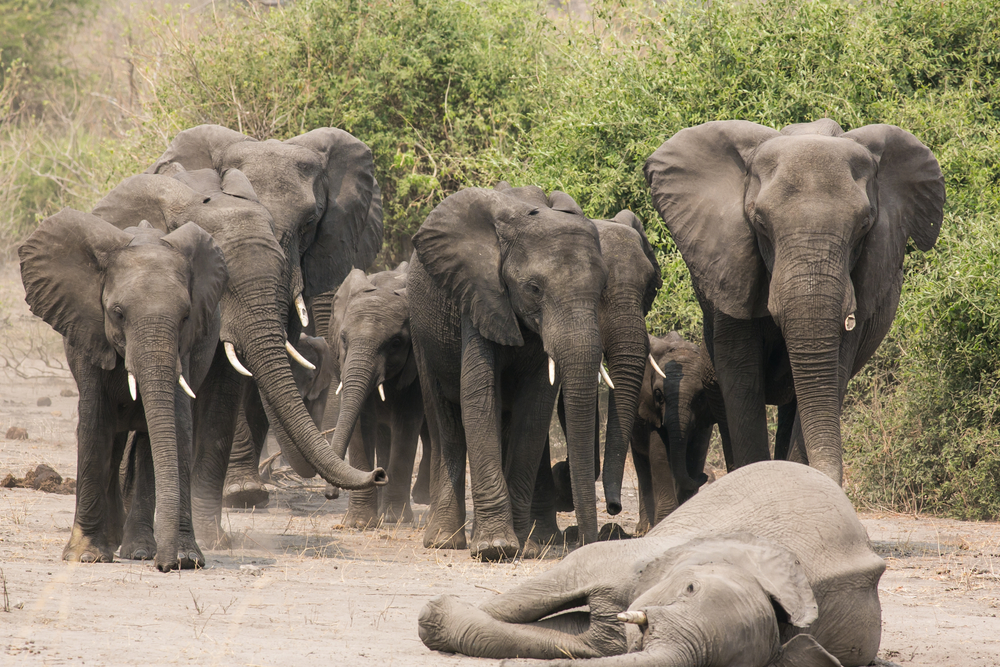
Field biologists studying elephant behaviour, most extensively through decades of work by researchers including Cynthia Moss and Joyce Poole in Kenya, have recorded elephants approaching a dead herd member’s body or skeletal remains and engaging in genuinely distinctive behaviour: standing quietly beside the remains for extended periods, gently touching bones and tusks with the trunk tip, and in some documented cases covering a body with branches and soil, behaviour that goes considerably beyond simple curiosity about an unfamiliar object.
Why Elephants Specifically Investigate Bones and Tusks
Elephants have been observed handling the skulls and tusks of dead elephants with a genuinely different quality of attention than they show toward the bones of other species, including buffalo or rhino, spending considerably longer investigating elephant remains specifically and sometimes carrying a tusk or bone fragment some distance before setting it down, behaviour researchers interpret as evidence elephants can distinguish their own species’ remains from other bones encountered in the landscape, a genuinely rare capacity documented in very few non-human animals.
The “Elephant Graveyard” Myth vs the Genuine Behaviour
The popular idea of elephants travelling to a single traditional dying ground is genuinely a myth, unsupported by field evidence, and almost certainly originated from the accumulation of bones at reliable water or feeding sites where sick or elderly elephants naturally congregate before death, rather than any deliberate pilgrimage. The real, well-documented behaviour, elephants investigating and lingering over remains they encounter, is genuinely interesting enough on its own without needing the exaggerated graveyard myth attached to it.
Do Elephants Actually Grieve, or Just Investigate?
Researchers remain genuinely careful about applying human emotional language directly to elephant behaviour, since we can’t access an elephant’s internal experience, but the behavioural pattern, extended attention specifically to elephant remains, gentle rather than exploratory touching, and visible agitation including vocalisation and reduced feeding when a family member dies nearby, is genuinely consistent with what would be called grief in a species we could ask directly. Matriarchs and close family members show particularly pronounced responses, while more distantly related elephants passing the same remains typically show less sustained interest, a pattern suggesting the response is at least partly tied to social bond strength rather than being a uniform reaction to any elephant death.
How Calves Learn to Respond to Death Within the Herd
Young elephants are genuinely observed watching adult family members’ response to a death, and researchers believe this social learning shapes how a calf will itself eventually respond to loss within the herd as it matures, another example of the extensive observational learning that runs through nearly every aspect of elephant social behaviour, from tool-adjacent problem solving to long-distance communication.
Why This Behaviour Matters for Understanding Elephant Cognition
The consistency and specificity of this behaviour, distinguishing elephant remains from other species, showing differentiated response based on relationship closeness, and persisting across multiple, independently studied elephant populations, has become genuinely significant evidence in the broader scientific debate about which animal species possess some form of death awareness, placing elephants alongside a very short list of species, including some primates and cetaceans, where researchers take this question seriously.
Where This Behaviour Has Been Documented in East Africa
This behaviour has been most extensively studied in Kenya’s Amboseli elephant population, one of the world’s longest continuously studied wild elephant groups, though the underlying behaviour is understood to be genuinely widespread across healthy elephant populations elsewhere in East Africa, including the Serengeti.
Best Time of Year for Elephant Viewing
Elephants are visible year-round given resident populations across East Africa’s major parks. See our regional best-time guide for how East Africa’s seasonal patterns generally affect wider game viewing.
What to Pack for Elephant-Focused Game Drives
Standard game drive gear – neutral clothing, sun protection, and binoculars – covers most of what elephant viewing requires. If your wider itinerary includes gorilla trekking, our gorilla trekking packing list covers that portion separately.
Photographing Elephant Family Bonds
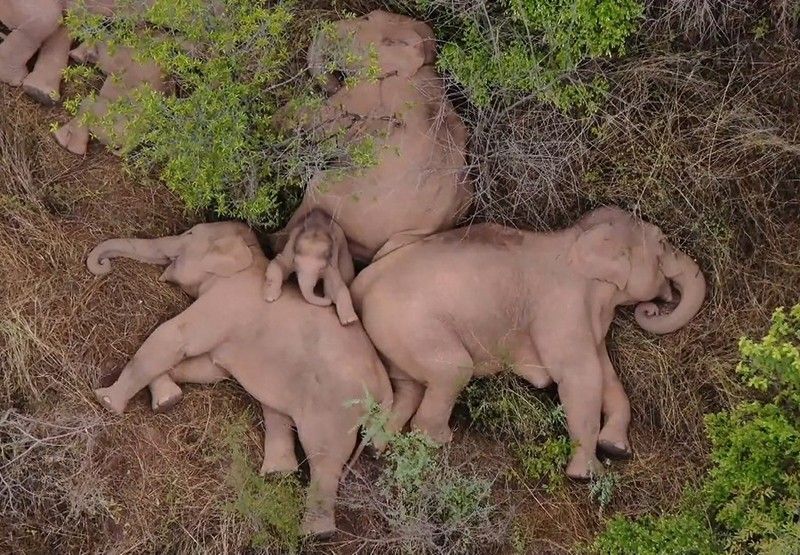
Even outside the specific context of mourning behaviour, capturing the physical closeness and touching between related elephants, trunk contact, standing in physical contact while resting, offers a genuinely compelling window into the same social bonds underlying the mourning behaviour itself. See our camera gear guide for broader equipment recommendations.
The Specific Vocalisations Recorded Around a Death
Researchers have recorded genuinely distinctive infrasound rumbles and louder vocalisations from elephants gathered around a dying or recently deceased family member, calls acoustically distinct from typical contact or alarm rumbles and occurring specifically in this context, adding a vocal dimension to the physical touching and lingering behaviour that’s been the more visually documented part of the pattern. Some researchers have described these specific calls as genuinely occurring nowhere else in an elephant’s normal vocal repertoire, strengthening the case that the response is a distinct behavioural category rather than a generic reaction applied to any unusual situation.
How the Matriarch’s Death Specifically Affects a Herd
Because matriarchs hold decades of accumulated knowledge about water sources, safe migration routes, and how to respond to specific threats, her death represents a genuinely different order of loss for a herd than a younger elephant’s death, and researchers have documented measurably worse outcomes, including reduced calf survival and less effective predator response, in herds that lose an experienced matriarch, meaning the mourning behaviour observed around a matriarch’s remains likely reflects both social bond and genuine practical loss of leadership knowledge simultaneously.
Documented Cases of Elephants Assisting a Dying Herd Member
Beyond behaviour around already-dead elephants, researchers have documented cases of herd members genuinely attempting to support a collapsing or severely weakened individual, positioning themselves alongside the animal and using their trunk and body to help keep it upright, behaviour that, while not always successful in preventing death, demonstrates a level of coordinated concern extending beyond passive observation into genuine attempted intervention.
Why Skepticism About Animal Emotion Research Matters Here
Serious researchers studying this behaviour genuinely maintain scientific caution about over-interpreting elephant actions in human emotional terms, since consistent behaviour patterns don’t automatically prove a specific internal emotional state, and some of the popular media coverage of “grieving elephants” has genuinely overstated what the peer-reviewed research actually claims. The more careful, evidence-based position is that elephants display behaviour functionally consistent with grief and death-awareness, a genuinely significant finding on its own without needing further embellishment to be scientifically remarkable.
Comparing Elephant Mourning to Other Documented Cases in Nature
Beyond elephants, researchers have documented broadly comparable death-related behaviour in a small number of other species, including certain primates and cetacean species like orca, though elephants remain among the most extensively studied and best-documented cases specifically within the African context, making Amboseli’s long-term elephant research genuinely significant to the wider global scientific understanding of animal death-awareness.
Why Guides Approach This Topic With Genuine Care
Experienced guides who discuss elephant mourning with travelers generally do so carefully, presenting the documented behaviour honestly rather than either dismissing it or overselling it into anthropomorphised sentiment, an approach that mirrors the same evidence-based framing applied to other genuinely sophisticated elephant behaviour like long-distance infrasound communication.
A Behaviour Worth Discussing Rather Than Witnessing
Given how rarely a death or mourning event actually coincides with a scheduled safari, most travelers encounter this topic through conversation with a knowledgeable guide rather than direct observation, making it genuinely worth asking your guide about it specifically rather than simply hoping to witness it firsthand during any standard game drive itself.
Frequently Asked Questions
Do elephants really mourn their dead?
The documented behaviour, extended attention and gentle touching specifically toward elephant remains, is genuinely consistent with grief, though researchers remain careful about definitively confirming the internal emotional experience.
Is the “elephant graveyard” a real place?
No, genuinely a myth – it likely originated from bone accumulation at reliable water or feeding sites rather than any deliberate pilgrimage.
Can elephants tell their own species’ bones apart from other animals?
Yes, evidence genuinely suggests so – elephants investigate elephant remains with distinctly more sustained attention than bones of other species.
Do all elephants react the same way to a death?
No, close family members and matriarchs show more pronounced responses than more distantly related elephants encountering the same remains.
Where has this behaviour been most studied?
Kenya’s Amboseli elephant population, one of the world’s longest continuously studied wild elephant groups, though the behaviour is understood to be widespread.
Ready to Plan Your East Africa Safari?
Whether observing elephant family behaviour firsthand, the Big Five, or a full East Africa itinerary is your priority, our team can build a trip matched to your interests. Get in touch with our team below today and let’s start planning your complete safari itinerary together.

No comment