
How Do Mongoose Survive Snake Venom?
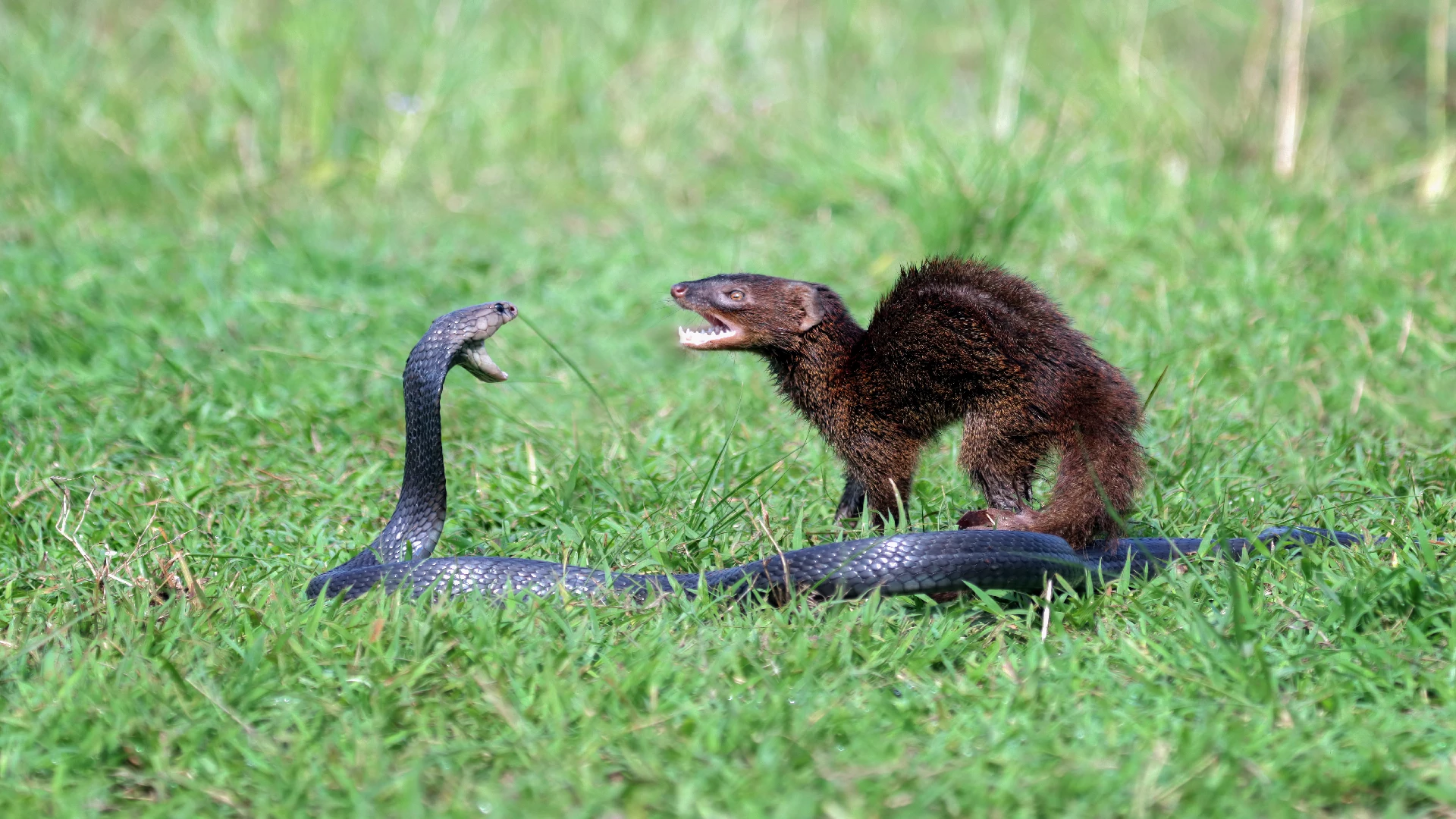
Mongoose genuinely survive venomous snakebites during predation attempts through a specific genetic mutation in their nerve receptors that blocks venom from binding effectively, a molecular-level defence combined with exceptional speed and agility that together let several mongoose species actively hunt snakes considerably more dangerous, weight for weight, than almost any other African predator would willingly confront.
Why the Mongoose’s Genetic Resistance Genuinely Works at the Molecular Level
Snake venom, particularly the neurotoxic type produced by cobra and similar species, genuinely works by binding to specific nerve cell receptors and disrupting normal muscle and nerve function, but mongoose genuinely possess a mutated version of this exact receptor that venom molecules genuinely cannot bind to effectively, meaning the toxin simply fails to produce its normal paralytic effect regardless of how much venom actually enters the mongoose’s system during a bite.
How Researchers Actually Discovered This Genuine Resistance Mechanism
Scientists studying venom resistance across multiple predator species genuinely identified the specific receptor mutation responsible for mongoose venom immunity through detailed genetic analysis, finding the same general resistance strategy, altering the venom’s target receptor rather than neutralising the toxin itself once it enters the bloodstream, has genuinely evolved independently in several other venom-resistant species facing similar predation pressure from venomous prey across different continents.
Why This Resistance Isn’t Genuinely Complete Immunity
Despite this genuine genetic advantage, mongoose resistance isn’t total immunity, and a sufficiently large venom dose, particularly from repeated bites during an extended confrontation, can still genuinely overwhelm the mongoose’s resistance and cause serious harm, meaning the adaptation genuinely raises the mongoose’s survival threshold considerably rather than making the animal completely invulnerable to any snake encounter regardless of circumstances.
How Speed and Reflexes Genuinely Complement the Venom Resistance
Beyond molecular resistance, mongoose genuinely rely on exceptional speed and reflexes to minimise the number of actual bites received during a confrontation, darting in and out of a snake’s striking range repeatedly to tire and disorient the reptile before delivering a fatal bite to the head or neck, meaning the genetic resistance functions as a genuine safety margin rather than the sole factor determining hunting success against dangerous venomous prey.
Why Banded Mongoose Genuinely Hunt Cooperatively Rather Than Alone
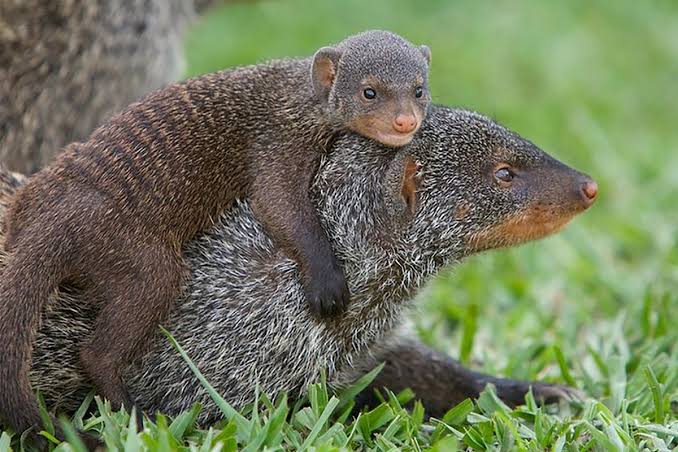
Several East African mongoose species, including the banded mongoose, genuinely hunt and forage in cooperative groups rather than solitarily, a social structure that provides genuine collective vigilance and defence benefit beyond snake-hunting specifically, though when a group does encounter a venomous snake, coordinated harassment from multiple individuals simultaneously genuinely increases the odds of a successful, safer kill compared to a single mongoose confronting the same snake alone.
How Mongoose Genuinely Target a Snake’s Most Vulnerable Point
Experienced mongoose genuinely aim their killing bite specifically at a snake’s head or the base of the skull, a targeted strike that reflects learned or instinctive understanding of where a decisive bite will most effectively end the confrontation quickly, minimising the total time and number of exchanged strikes during which the mongoose remains at any residual risk from the snake’s venom.
Where to Observe Mongoose Behaviour in East Africa
Banded mongoose troops are genuinely reliable to observe across Queen Elizabeth National Park, offering genuine opportunities to see cooperative foraging behaviour, though actual snake confrontations remain an opportunistic, unpredictable sighting rather than a reliably plannable activity.
Best Time of Year for Mongoose Viewing
Mongoose are visible year-round given resident troop territories. See our regional best-time guide for how seasonal patterns generally affect wider game viewing.
Photographing Mongoose Behaviour
Capturing a mongoose troop’s cooperative foraging behaviour offers genuinely engaging photography opportunities beyond a standard solitary portrait. See our camera gear guide for broader equipment recommendations.
What to Pack for Small-Carnivore-Focused Game Drives
Standard game drive gear – neutral clothing, sun protection, and binoculars – covers most of what mongoose viewing requires. If your wider itinerary includes gorilla trekking, our gorilla trekking packing list covers that portion separately.
Why This Same Resistance Mechanism Genuinely Appears in Unrelated Species Elsewhere
Researchers studying venom resistance evolution have found genuinely similar receptor mutations in several unrelated species facing comparable venomous-prey predation pressure, including honey badger and certain snake species themselves that prey on other venomous snakes, a genuine example of convergent evolution where unrelated lineages independently arrive at broadly the same molecular solution to the same underlying survival challenge.
How Mongoose Diet Extends Well Beyond Snakes Specifically
Despite the species’ popular reputation as dedicated snake hunters, mongoose genuinely maintain a considerably broader diet including insects, small rodents, birds, and eggs, meaning snake predation represents just one component, sometimes a relatively minor one depending on local prey availability, of the species’ overall varied and opportunistic feeding strategy rather than a primary dietary focus.
Why Young Mongoose Genuinely Need to Learn Safe Snake-Hunting Technique
Despite possessing the genetic venom resistance from birth, young mongoose genuinely still need to learn proper hunting technique and risk assessment through observation and practice, since genetic resistance alone doesn’t guarantee a successful, safe kill without also developing the speed, timing, and targeting skill experienced adults have refined through repeated successful hunts.
Comparing Mongoose Venom Resistance to Honey Badger’s Similar Adaptation
Much like honey badger, which shares a broadly comparable, independently evolved venom resistance, mongoose demonstrate how unrelated African carnivore lineages have separately arrived at similar molecular solutions when facing consistent predation opportunity involving dangerous venomous prey, a genuinely striking example of convergent evolutionary pressure shaping unrelated species toward the same underlying adaptation.
Why Guides Value Explaining This Adaptation to Visitors
Given how rarely visitors witness a snake encounter directly, experienced guides genuinely value explaining the mongoose’s remarkable venom resistance whenever the topic arises, adding real appreciation for a small, often underestimated predator capable of confronting prey most other animals would instinctively avoid entirely.
Combining Mongoose Viewing With a Wider Small-Predator Circuit
Mongoose behaviour viewing pairs naturally with a broader small-predator-focused itinerary, giving travelers genuine appreciation for East Africa’s often-overlooked smaller carnivore species.
Why Communal Alarm Behaviour Genuinely Protects the Whole Mongoose Troop
Beyond cooperative snake-hunting, banded mongoose troops genuinely maintain shared vigilance and a distinctive alarm-calling system similar in underlying principle to vervet monkey predator-specific alarm calls, with different vocalisations genuinely triggering different defensive responses depending on whether an approaching threat is an aerial predator or a ground-based one, meaning the same troop that hunts snakes cooperatively also defends itself against a broader range of threats through coordinated communication.
How Mongoose Genuinely Compare to Other Snake-Eating African Species
Beyond mongoose, several other African species, including certain bird species and secretary birds specifically, genuinely prey on snakes despite lacking the mongoose’s genetic venom resistance, relying instead on specialised physical technique, powerful stomping strikes or careful positioning, to avoid ever being bitten in the first place, a genuinely different strategy for managing the same dangerous prey category.
Why This Venom Resistance Research Genuinely Matters Beyond Wildlife Biology
Beyond its ecological interest, researchers studying mongoose venom resistance genuinely believe understanding exactly how the mutated receptor blocks venom binding could eventually inform antivenom research or snakebite treatment development for humans, meaning this specific piece of East African wildlife biology carries genuine potential medical relevance considerably beyond simple natural history curiosity, similar to how understanding other African species’ unique physiology has occasionally informed broader scientific research.
How Mongoose Behaviour Differs Considerably Between Species
Not every mongoose species genuinely hunts snakes with the same frequency or confidence, with some smaller, more solitary species genuinely favouring insects and small vertebrates over the real risk snake predation still carries even with genetic resistance in place, meaning the popular image of mongoose as universal, fearless snake hunters genuinely applies more accurately to certain specific species and individuals than to the roughly thirty distinct mongoose species genuinely found across the African continent as a whole.
Why This Level of Behavioural Variation Genuinely Matters for Visitor Expectations
Given how much genuine behavioural variation exists across mongoose species, visitors hoping specifically to witness a snake confrontation should genuinely temper expectations, since most mongoose sightings on a standard safari involve foraging or social behaviour rather than the dramatic venomous-snake encounters the species’ reputation often leads first-time visitors to anticipate.
Frequently Asked Questions
Are mongoose genuinely immune to snake venom?
Not completely immune – a genetic mutation blocks venom from binding effectively, raising their survival threshold considerably rather than granting total immunity.
How does the venom resistance actually work?
A mutated nerve receptor that venom molecules can’t bind to effectively, meaning the toxin fails to produce its normal paralytic effect.
Do mongoose hunt snakes alone or in groups?
Species like banded mongoose often hunt cooperatively, with coordinated group harassment improving the odds of a safer, successful kill.
Is snake-hunting a mongoose’s main food source?
No – their diet is considerably broader, including insects, rodents, birds, and eggs, with snakes just one opportunistic component.
Where can I see mongoose behaviour on safari?
Queen Elizabeth National Park offers genuine opportunities to observe banded mongoose troops and their cooperative foraging behaviour.
Ready to Plan Your Uganda Safari?
Whether observing mongoose behaviour firsthand, wider small-predator viewing, or a full Uganda itinerary is your priority, our team can build a trip matched to your interests. Get in touch with our team below today and let’s start planning your complete Uganda safari itinerary together.



No comment