
Experiential Lion Tracking in Uganda: A Complete Guide
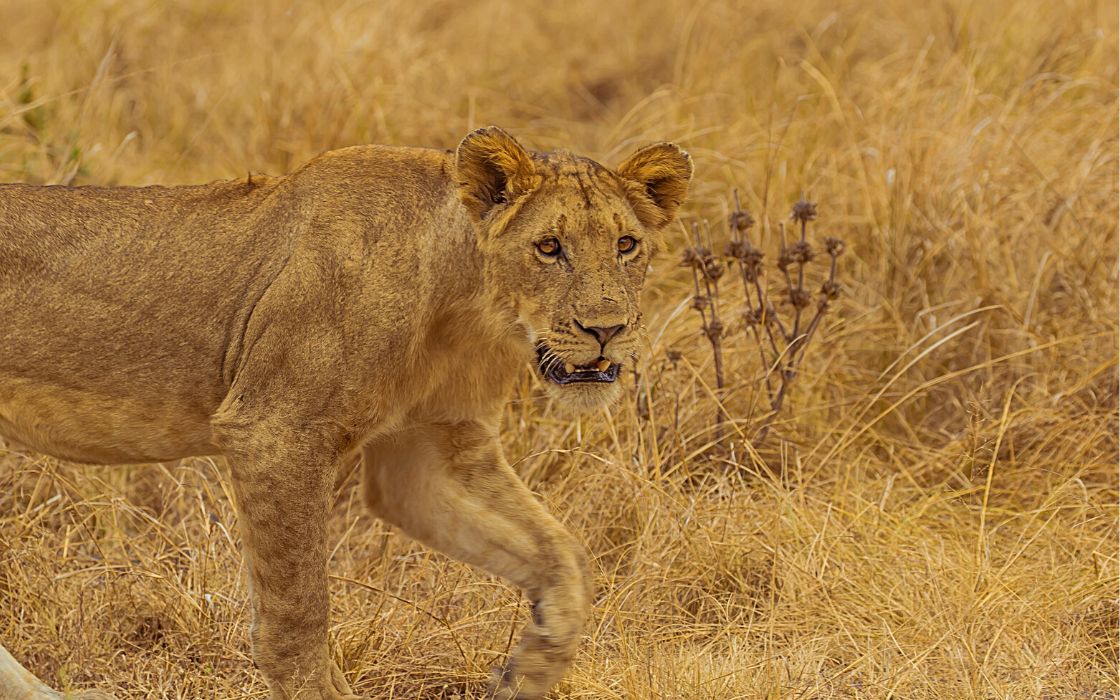
Experiential lion tracking lets visitors join researchers using radio telemetry equipment to locate specific collared lions on foot, a considerably more hands-on activity than a standard game drive sighting, giving participants genuine insight into how conservation research actually happens on the ground in Uganda’s parks, day after day, season after season.
Why Experiential Lion Tracking Differs From a Standard Game Drive Sighting
A standard game drive relies on spotting lions visually from a vehicle, often guided by other drivers’ radio reports or simple luck, whereas experiential tracking uses a handheld telemetry receiver to follow a specific collared lion’s radio signal directly, meaning participants understand not just where a lion is, but how researchers actually find that information in the first place.
This distinction matters to travelers who have already done a standard game drive elsewhere and want a considerably different, more educational angle on the same species, rather than simply repeating a passive viewing experience they’ve already had on a previous trip.
How Radio Collars Make This Activity Possible
Selected lions within Uganda’s tracked populations wear GPS or VHF radio collars fitted by wildlife veterinarians during a carefully managed darting procedure, and these collars transmit a signal researchers, and tracking participants, can follow using a directional antenna and receiver, converting an otherwise invisible animal’s location into an audible beeping signal that grows stronger as trackers approach.
Collar fitting itself happens under strict veterinary protocols, with the darting procedure carefully calculated to minimise stress and recovery time, and collars include a release mechanism that allows them to drop off automatically after a set period, meaning the equipment itself is designed with the animal’s long-term welfare as a central, non-negotiable consideration throughout its working life.

Why This Activity Requires Walking Rather Than Vehicle-Based Searching
Because collared lions move through dense bush and terrain a vehicle cannot always access, experiential tracking happens largely on foot alongside an armed ranger and researcher, meaning participants experience the physical challenge and heightened alertness of actual field research rather than the passive observation a game drive typically involves.
This on-foot approach means participants move considerably more slowly and deliberately than a vehicle would, pausing frequently to take directional bearings with the receiver, a methodical pace that closely mirrors how researchers themselves conduct routine monitoring work throughout the year, session after session.
How Researchers Use This Tracking Data Beyond the Tourism Experience
The same tracking activity visitors participate in generates real conservation data, territory boundaries, movement patterns, and pride composition, that researchers use to inform broader population management decisions, meaning participant fees fund research that continues long after any individual tracking session ends. This data feeds into the same broader population monitoring covered in our guide on Queen Elizabeth’s lion population.
This dual purpose, tourism revenue and genuine scientific data collection, distinguishes experiential tracking from a purely recreational activity, giving participants a tangible sense that their visit contributes directly to ongoing conservation work rather than simply consuming a wildlife experience.
Why Group Sizes Stay Small for This Activity
Given the genuine need to move quietly and maintain safety around a wild predator on foot, experiential tracking groups stay considerably smaller than a typical game drive vehicle’s capacity, meaning the activity offers a more intimate, personalised experience than most other safari activities can match.
Smaller groups also mean the researcher leading the session can spend considerably more time explaining the science behind each step, from reading the receiver’s signal strength to interpreting subtle tracks and signs along the way, a level of direct engagement difficult to replicate in a larger group setting.
How Weather and Time of Day Affect Tracking Success
Tracking success depends considerably on weather conditions and time of day, since lions typically rest during the hottest midday hours, meaning tracking sessions schedule around early morning or late afternoon windows when target animals are more likely to be active and moving, improving the odds of an actual sighting once the signal leads trackers to the right location.
Wind direction and dense vegetation can also interfere with signal reception, meaning experienced trackers sometimes need to circle a wider area to get a clear directional bearing, a realistic part of the process that helps participants appreciate why real field research rarely, if ever, proceeds in a perfectly straight line toward its target.
Why Safety Briefings Matter More for This Activity Than a Standard Game Drive
Given the genuine proximity tracking on foot can involve, experienced rangers deliver detailed safety briefings before every session, covering how to behave if a collared lion is located at close range, a more involved safety protocol than the vehicle-based distance a standard game drive naturally maintains automatically. This careful approach parallels the safety standards our guide on rhino tracking at Ziwa describes for that park’s own walking-based activity.
How Experiential Tracking Compares to Ishasha’s Tree-Climbing Lion Sightings
Where Ishasha’s tree-climbing lions offer a reliable, more passive viewing experience from a vehicle, experiential tracking offers a considerably more active, unpredictable experience that trades sighting certainty for genuine participation in the research process itself. Travelers weighing both options can also review our guide on male lion pride dynamics for context on the social structures researchers are actively studying through this same tracking data.
Best Time of Year for Experiential Lion Tracking
Dry season months offer more predictable tracking conditions given clearer terrain and more concentrated wildlife movement around remaining water sources. See our regional best-time guide for how these seasonal patterns affect wider trip planning.
Why Booking Experiential Tracking Requires More Advance Planning
Given the limited number of researchers and collared lions available for tracking sessions on any given day, this activity requires booking considerably further in advance than a standard game drive, and confirming availability directly with the park authority or your operator well before your trip matters considerably.
Because the activity depends heavily on both researcher availability and a collared lion actually being within reasonable trackable range on a given day, some operators recommend building a buffer day into the itinerary specifically for this activity, allowing a genuine second attempt on a different day if the first session doesn’t lead to an actual, confirmed sighting of the target animal.
Photographing an Experiential Lion Tracking Session
Capturing the moment a tracking signal leads to an actual sighting rewards photographers prepared for a considerably more spontaneous, unscripted encounter than a typical game drive allows. See our camera gear guide for equipment recommendations suited to fast-moving, on-foot wildlife photography.
Because sightings during a tracking session happen at ground level rather than from an elevated vehicle seat, photographers get a considerably different, more immersive perspective than the typical safari vehicle vantage point offers, a genuine creative advantage well worth planning specific camera settings around well in advance of the actual session.
What to Pack for Experiential Lion Tracking
Given the activity’s genuine walking component, sturdy closed shoes and comfortable, neutral-toned clothing matter considerably more here than for a standard vehicle-based game drive. See our gorilla trekking packing list for broader walking-safari gear recommendations that apply equally well here.
A hat and sunscreen matter considerably more than on a shaded vehicle-based drive, since tracking sessions involve extended periods of direct sun exposure while moving on foot through open terrain, and staying properly hydrated throughout the entire session matters considerably given the physical activity involved.
Combining Experiential Lion Tracking With a Wider Uganda Safari
Experiential lion tracking pairs naturally with a wider Queen Elizabeth National Park itinerary, letting travelers combine this hands-on research experience with more traditional game drives and boat cruises within the same broader visit, alongside the buffalo herds our guide on defensive circle formations covers in the same shared territory.
Frequently Asked Questions
What is experiential lion tracking?
It’s a guided activity using radio telemetry to locate collared lions on foot alongside researchers and rangers.
How does this differ from a normal game drive?
Standard drives rely on visual spotting from a vehicle, while tracking actively follows a specific collared lion’s radio signal on foot.
Is experiential lion tracking safe?
Yes – it’s conducted with armed rangers and detailed safety briefings given the closer proximity involved.
Does tracking data actually help conservation research?
Yes – the same data collected during tracking sessions informs broader population management decisions.
Should I book experiential tracking in advance?
Yes – limited researcher and collared-lion availability means advance booking matters considerably more than for a standard game drive.
Ready to Plan Your Uganda Safari?
Whether experiential lion tracking, traditional game drives, or a wider Queen Elizabeth itinerary is your priority, our team can build a trip matched to your interests. Get in touch with our team below today and let’s start planning your complete Uganda safari together.

No comment