
Best Time to See Lions in Queen Elizabeth National Park
Queen Elizabeth National Park offers strong lion sightings across most of the year, though the dry season months improve odds considerably by concentrating prey, and therefore lions, more predictably around remaining water sources and open terrain where visibility runs noticeably better than during the rains, day after day.
Why Dry Season Months Offer the Most Predictable Lion Sightings
During Uganda’s drier months, vegetation across Queen Elizabeth thins out considerably, and prey animals concentrate around the park’s remaining water sources, meaning lions follow this concentrated prey base into more predictable, open areas where visibility for visitors runs considerably better than during the lush, dense growth of the rainy season.
Uganda experiences two distinct dry periods each year rather than a single extended season, meaning travelers have two separate windows to target for optimal lion-viewing conditions rather than one narrow annual opportunity, a genuine planning advantage compared to destinations with only a single dry season each year to work around, particularly for travelers with fixed, less flexible vacation dates and limited scheduling room to move things around.
How the Wet Season Still Offers Rewarding, If Less Predictable, Sightings
Given how resident Queen Elizabeth’s lion prides are, sightings remain possible year-round even during wetter months, though longer grass and more dispersed prey make spotting somewhat less predictable, meaning visitors traveling during the rains should set realistic expectations while still anticipating a reasonable chance of encounters. The wet season brings its own compensating rewards, lush green landscapes, dramatic cloud formations, and considerably fewer other vehicles at any given sighting, meaning photographers and travelers less fixated purely on guaranteed lion encounters often find the wet season rewarding for entirely different reasons.
Why Early Morning Game Drives Offer the Best Daily Lion-Viewing Window
Lions hunt and move most actively during the cooler hours around dawn and dusk, resting through the hottest part of the midday sun, meaning early morning game drives offer considerably better odds of catching lions active and moving rather than resting motionless in shade during the heat of the day.
This daily activity pattern holds true regardless of season, meaning the early-morning advantage applies just as strongly during dry season peak visitation as it does during quieter shoulder months, making departure time just as important a planning factor as the season itself, regardless of which specific months you ultimately choose for your visit.

How Ishasha’s Tree-Climbing Lions Follow Slightly Different Seasonal Patterns
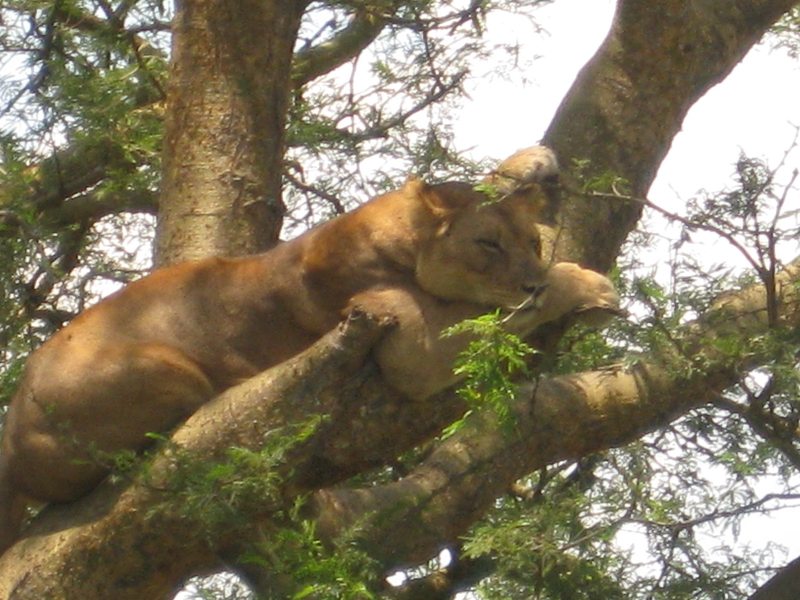
The tree-climbing lions of Ishasha climb into fig trees year-round, though this behaviour intensifies during hotter, drier periods when the elevated branches offer relief from biting insects and ground-level heat, meaning the dry season improves not just general sighting odds but specifically the tree-climbing behaviour itself. Travelers specifically prioritising this behaviour can review our guide on experiential lion tracking for how researchers monitor collared individuals within this same population.
Why Calving Season Adds a Distinct Reason to Time Your Visit
While lion births occur throughout the year rather than clustering into a single defined season, prides with young cubs tend to stay closer to denning areas during the first few months, meaning visitors have a reasonable chance of encountering cubs during almost any visit, though sightings of very young cubs remain less predictable than adult sightings overall. This same unpredictability applies to how population figures fluctuate given natural birth and mortality rates within the park.
How Rainfall Patterns Vary Between Queen Elizabeth’s Two Main Sectors
Because Ishasha and Kasenyi sit in somewhat different microclimates within the wider park, rainfall and vegetation conditions don’t always align perfectly between the two sectors, meaning checking current conditions specifically for your chosen sector matters more than relying on general park-wide seasonal averages alone.
Ishasha’s location closer to the Rwenzori foothills means it can experience somewhat different rainfall timing than the flatter Kasenyi plains further north, and experienced operators track these sector-specific patterns closely when advising clients on optimal timing for either destination within the same broader park.
Why Shoulder Season Months Offer a Practical Compromise
Travelers visiting during the transitional shoulder months between the main dry and wet seasons often find a reasonable middle ground, moderate vegetation cover, reasonable prey concentration, and fewer crowds than peak dry season brings, a practical compromise worth serious consideration for visitors with flexible travel dates and no fixed month in mind.
Accommodation rates also tend to run somewhat lower during these shoulder windows compared to peak dry season pricing, meaning budget-conscious travelers willing to accept slightly less predictable sightings gain a meaningful cost advantage without sacrificing reasonable overall wildlife-viewing quality during their stay.
How Queen Elizabeth’s Lion Viewing Compares Seasonally to Other Parks
Where Ngorongoro Crater’s contained geography makes lion sightings reliable almost regardless of season, Queen Elizabeth’s more open, migratory-influenced ecosystem means seasonal timing matters somewhat more here than in a fully enclosed crater environment.
Why Booking Your Safari Around Peak Dry Season Requires Earlier Planning
Given how popular the dry season months are among travelers specifically prioritising reliable lion sightings, accommodation and vehicle availability book up considerably faster during this peak window, meaning booking well in advance matters more if your travel dates are fixed to these specific months. This same booking pressure affects the buffalo herds our guide on seasonal movement patterns covers, since both species draw the same peak-season visitors into the very same park sectors each year.
Getting to Queen Elizabeth National Park
Most visitors reach the park by road from Kampala or as part of a wider Uganda circuit including Kidepo Valley or Bwindi, with domestic flights also available to nearby airstrips for travelers prioritising time efficiency.
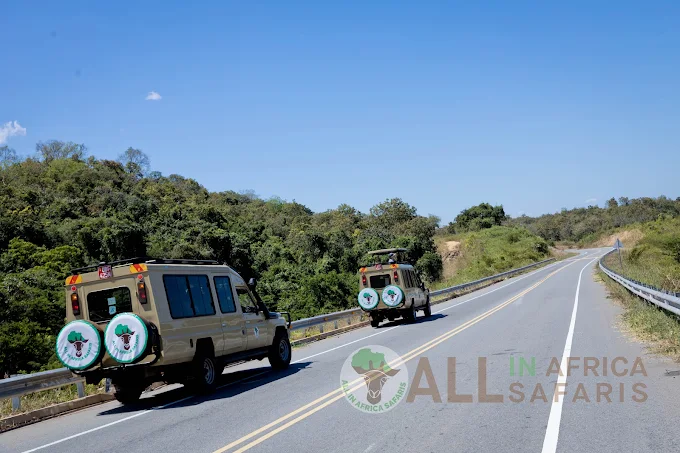
Road conditions vary considerably between seasons, with the drier months offering smoother, more reliable driving conditions than the sometimes muddy, slower going the rains can bring, an additional practical reason seasonal timing matters beyond wildlife-viewing considerations alone. Travelers with tighter schedules benefit most from the domestic flight option regardless of season, since it removes road-condition variability from the itinerary entirely, freeing up more actual time for game drives rather than transit time.
Photographing Lions Across Different Seasons
Dry season’s clearer sightlines and golden, dust-lit light reward photographers differently than the rich, saturated greens of the wet season. See our camera gear guide for equipment recommendations suited to both seasonal conditions.
Overcast wet season skies provide softer, more even lighting that some photographers actually prefer over the harsher contrast dry season midday sun can create, meaning the “better” season for photography depends as much on personal creative preference as it does on raw wildlife-viewing predictability alone.
What to Pack Depending on When You Visit
Wet season visits demand considerably more robust rain gear and waterproofing than a dry season trip requires. See our gorilla trekking packing list for broader guidance on seasonal layering that applies equally well to a Queen Elizabeth safari.
Dust protection for camera equipment matters considerably more during dry season game drives, given how much loose fine dust vehicles kick up on unpaved roads during the driest months, while wet season visitors should prioritise waterproof bags and covers instead for that same equipment.
Combining Seasonal Lion Viewing With a Wider Uganda Itinerary
Queen Elizabeth’s lion viewing pairs naturally with a wider Uganda safari circuit, and the buffalo herds our guide on defensive circle formations covers follow broadly similar seasonal patterns within the same shared ecosystem.
Travelers combining Queen Elizabeth with gorilla trekking further south need to weigh both destinations’ seasonal patterns together, since Uganda’s two dry seasons benefit both activities similarly, meaning a well-timed trip can optimise conditions for lions, gorillas, and general road travel simultaneously rather than compromising on any single element.
Frequently Asked Questions
What is the best time of year to see lions in Queen Elizabeth National Park?
Dry season months offer the most predictable sightings given concentrated prey and clearer visibility.
Can you see lions during the wet season?
Yes – resident prides remain year-round, though longer grass makes spotting somewhat less predictable.
What time of day is best for lion sightings?
Early morning game drives offer the best odds of catching lions active during cooler hours.
Does the dry season affect Ishasha’s tree-climbing behaviour?
Yes – tree-climbing intensifies during hotter, drier periods when branches offer relief from heat and insects.
Should I book earlier for a dry season visit?
Yes – peak dry season popularity means accommodation and vehicles book up considerably faster.
Ready to Plan Your Uganda Safari?
Whether timing your trip for peak dry season lion sightings or planning around a wider seasonal itinerary, our team can help you choose the right dates. Get in touch with our team below today and let’s start planning your complete Uganda safari together.

No comment