
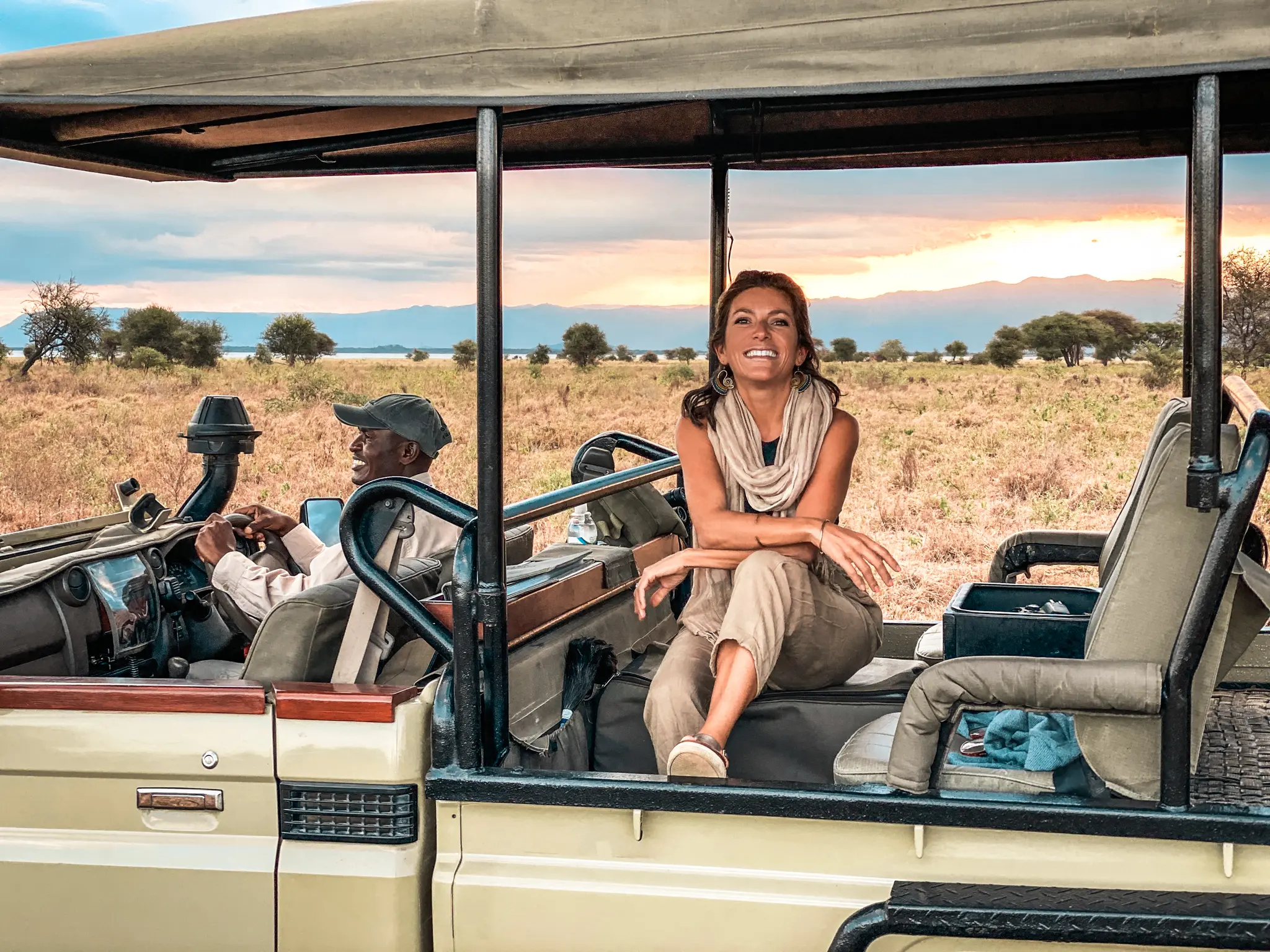
East Africa in May: Low Season Pros and Cons
May is one of the most interesting months to consider when planning a safari in East Africa. It falls within the long rainy season in much of Uganda, Rwanda, Kenya and Tanzania, creating a mix of advantages and challenges for travellers. National parks often look greener, birdlife can be excellent, visitor numbers are generally lower in many safari areas, and some accommodation providers offer attractive low-season rates. At the same time, heavy rain can affect road conditions, forest trails, wildlife visibility and access to certain lodges.
For travellers who want to explore East Africa without the crowds and higher prices associated with the main safari season, May can be a worthwhile choice. It is particularly appealing to visitors who enjoy photography, birdwatching, gorilla trekking, cultural experiences and flexible travel plans. The month can also offer interesting wildlife experiences in Tanzania as the Great Migration moves through the Serengeti ecosystem.
However, May is not automatically the cheapest or best month for every type of holiday. Some seasonal camps close temporarily, certain routes become difficult after heavy rain, and the thick vegetation can make animals harder to spot in some habitats. Travellers who have only a few days, want predictable weather or hope to see a specific wildlife event need to plan carefully.
The main question is not whether May is a good or bad month to visit East Africa. It is whether the benefits of lower demand, green landscapes and possible savings outweigh the weather-related limitations for the type of trip you want.
Understanding East Africa’s Low Season in May
The term low season generally refers to a period when tourist demand is lower than during the busiest travel months. In many East African safari destinations, April and May fall within this period because the long rains can make travel less predictable. Some lodges reduce their rates, tour operators may offer seasonal packages, and popular parks can feel quieter than they do during the middle of the year.
May is often considered the later part of the long rainy season, but conditions vary considerably across the region. Some places continue to receive frequent heavy showers, while others experience improving conditions towards the end of the month. Rainfall also differs with altitude, distance from the coast, local terrain and the particular weather pattern in a given year.
Uganda and Rwanda can experience substantial rainfall in May, especially in forested and mountainous areas. Kenya’s Maasai Mara and other savannah regions may have muddy tracks and thick vegetation, while parts of northern Kenya can be drier than areas farther south or west. Tanzania’s conditions also vary between the Serengeti, Ngorongoro, Tarangire, the southern parks and the Indian Ocean coast.
This regional variation makes it important to plan around individual destinations rather than treating East Africa as one weather zone. A traveller visiting Bwindi for gorilla trekking will face different conditions from someone exploring the Serengeti by vehicle or relaxing on the Kenyan coast.
May also has no fixed starting point for the end of the rains. A dry spell can occur early in the month, while heavy showers may continue late into May in another year. Weather forecasts and advice from local operators can help with practical planning, but no itinerary should depend on a guarantee of sunshine.
The Pros of Visiting East Africa in May
Lower Accommodation Rates and Potential Safari Savings
One of the main reasons travellers consider May is the possibility of saving money. Some lodges, tented camps and safari operators reduce prices during the low season to attract visitors when demand is lower. Depending on the property and destination, these offers can make a safari more accessible to travellers who would otherwise struggle with peak-season costs.
The greatest savings are not necessarily available everywhere. Some accommodation providers maintain their rates, while others close temporarily instead of operating throughout the rainy season. International flights, park entry fees, conservation charges and specialist permits may also remain unchanged. For this reason, a lower lodge price does not always translate into an equally large reduction in the total cost of the holiday.
Travellers should request a full quotation that includes accommodation, transport, activities, park fees, meals and any required permits. Comparing the total cost of a May trip with the cost of travelling in June, July or August provides a more reliable picture than comparing nightly room rates alone.
It is also worth asking whether a quoted discount applies to the complete itinerary or only selected accommodation nights. Some offers may require a minimum stay or apply only to particular room categories. Checking the conditions before paying a deposit helps avoid misunderstandings.
For travellers with flexible dates, May can provide an opportunity to enjoy comfortable accommodation and private guiding at a more manageable cost. The key is to confirm the value of the offer and make sure the weather-related trade-offs are acceptable.
Fewer Tourists in Many Parks
May can be attractive to travellers who prefer quieter destinations. The main safari season often draws visitors who want dry weather, easier road access and the best chance of seeing wildlife in open vegetation. During the rainy season, some travellers postpone their holidays, reducing demand at certain parks and lodges.
A quieter park can create a more relaxed experience. You may encounter fewer safari vehicles at particular sightings, enjoy a less crowded lodge environment and have more time to discuss animal behaviour with your guide. Birdwatchers and photographers may appreciate being able to spend longer observing a subject without the pressure of a busy viewing area.
Lower visitor numbers do not mean that every national park will be empty. Some destinations remain popular throughout the year, and visitor levels depend on holidays, special events, accommodation availability and the type of activity being offered. Gorilla trekking, for example, operates under a permit system, so the number of people on a trek is controlled independently of the general safari season.
Nevertheless, travellers who value tranquillity may find May more appealing than the busiest months. It can be a good time to slow down, spend longer in one destination and enjoy the natural environment without trying to fit every attraction into a short itinerary.
Beautiful Green Landscapes
Rain transforms much of East Africa’s countryside. Dry grasslands become greener, trees develop fresh foliage, wetlands fill with water and hillsides take on a rich colour. The scenery can be especially striking in Uganda and Rwanda, where rolling hills, forests and volcanic landscapes create dramatic contrasts.
In the savannah parks of Kenya and Tanzania, the green season offers a different visual experience from the golden landscapes associated with the dry months. Clouds can build over open plains, shafts of sunlight may break through after showers, and temporary pools can reflect the surrounding vegetation.
This scenery is valuable for travellers who enjoy landscape photography or simply want to experience the region in a less familiar form. A safari does not have to be defined entirely by large mammals. The changing colours, fresh vegetation and atmosphere after rainfall can make even an ordinary journey between destinations memorable.
The green landscape also creates excellent conditions for nature-focused experiences. Walking in suitable areas with a guide, observing wetlands, visiting waterfalls and exploring forest environments can become particularly rewarding when the countryside is fresh and full of life. Specific activities still depend on safety, local access and weather conditions.
Excellent Birdwatching Opportunities
May can be a rewarding month for birdwatchers across East Africa. Wetlands, lakeshores, forest edges and grasslands support a wide variety of resident birds, while some destinations may still hold migratory species during the seasonal transition. Increased vegetation and breeding activity can make bird behaviour particularly interesting to observe.
Uganda is especially appealing because of its range of habitats, including tropical forests, savannah, papyrus wetlands and the shores of Lake Victoria. Travellers may combine birdwatching with a wildlife safari in Queen Elizabeth National Park, a visit to Murchison Falls National Park or time around wetlands and lakes.
Rwanda also offers varied bird habitats, from the forests of Nyungwe National Park to the wetlands of Akagera and the landscapes around the volcanic mountains. In Kenya and Tanzania, savannah species, waterbirds and forest birds provide opportunities for different types of birding trips.
The quality of a birdwatching experience depends on the habitat, season, guide and amount of time available. Travellers who want to identify specific species should consider hiring a specialist bird guide rather than relying exclusively on a general game-drive itinerary.
Rain can interrupt outdoor observation, so a flexible schedule is useful. Waterproof clothing, binocular protection and suitable footwear help make excursions more comfortable. For dedicated birdwatchers, however, the range of habitats and seasonal activity can make May a worthwhile month to travel.
Interesting Wildlife Photography
The low season offers photographic opportunities that differ from those available during the dry months. Green grass, fresh leaves, dramatic skies and soft light can produce images with richer colours and more varied backgrounds. Rain may also create reflections, mist and atmospheric scenes that are difficult to capture in a dry landscape.
In forest environments, mist around the trees and mountains can create a strong sense of depth. This can be especially appealing in Bwindi Impenetrable National Park and Volcanoes National Park, where the landscape itself is an important part of the gorilla trekking experience.
Savannah photography can also be rewarding. Wildlife may appear against green vegetation rather than dusty ground, and the changing weather can produce striking light during early morning and late afternoon drives. Photographers should be patient because animals may be harder to locate when vegetation is thick.
The main challenge is protecting equipment from moisture. A waterproof camera cover, dry bag, lens cloth and spare batteries are useful additions to a rainy-season packing list. Travellers should also avoid allowing photography to distract them from their guide’s instructions, particularly when observing large mammals or trekking in forest terrain.
For photographers who prefer clear skies, dry grass and unobstructed views, the main dry season may be a better fit. For those who appreciate atmosphere, colour and varied landscapes, May can provide a distinctive alternative.
Gorilla and Chimpanzee Trekking Remains Possible
Uganda and Rwanda offer gorilla and chimpanzee trekking throughout the year, subject to permit availability and park operating arrangements. May is not a month when these experiences automatically stop. Visitors can still enter the forest with trained guides and trackers to search for primates, although wet conditions can make the physical experience more demanding.
In Bwindi Impenetrable National Park, mountain gorilla trekking involves walking through dense vegetation, sometimes across steep slopes and uneven ground. Rain can make trails slippery and muddy, so waterproof hiking boots with good grip are important. Gaiters, gardening gloves and a rain jacket can improve comfort during the trek.
Volcanoes National Park in Rwanda also offers mountain gorilla trekking in a high-altitude environment where rain and mist can occur frequently. Travellers should be prepared for changing temperatures and should not assume that a trek will be short or that the gorillas will be found close to the starting point.
Chimpanzee tracking in Kibale National Park and Nyungwe National Park is another option. Forest trails can become slippery, but the experience offers an opportunity to observe primate behaviour in a natural environment. A guide helps visitors understand calls, movement through the canopy and feeding activity.
The rainy season may offer a quieter atmosphere, but visitors should not assume that permits will always be easier to obtain or cheaper. Gorilla permits and chimpanzee permits are governed by their own pricing and availability rules. Check the current requirements and secure permits before finalising the rest of the itinerary.
An Opportunity to Experience Local Culture
May can also be a suitable month for combining wildlife experiences with cultural visits. East Africa has diverse communities, traditional food, music, crafts, agricultural practices and historical sites that can add depth to a safari.
In Uganda, visitors may explore Kampala, visit cultural centres, learn about local food traditions or spend time in communities near national parks. In Rwanda, a trip can include Kigali’s museums and memorial sites, craft markets and community-based experiences. Kenya and Tanzania also offer cultural activities connected to local history, pastoral traditions and contemporary life.
Cultural experiences can provide flexibility when rain affects an outdoor activity. A city visit, craft workshop or indoor cultural experience may be easier to arrange than a long excursion on a muddy road. However, activities should be selected respectfully, with attention to community consent and the benefits received by local participants.
A well-designed itinerary can balance wildlife, scenery and cultural experiences instead of depending entirely on game drives. This approach is particularly useful during the rainy season because it gives travellers meaningful alternatives when the weather changes.
The Cons of Visiting East Africa in May
Heavy Rain Can Affect Travel Plans
The biggest disadvantage of travelling in May is the uncertainty created by rainfall. Some days may have short showers followed by sunshine, while others can bring prolonged rain. The amount of rain also varies between destinations, making it difficult to predict conditions across a multi-country itinerary.
Rain can affect more than the comfort of a game drive. It may slow road transfers, make walking trails difficult, restrict access to remote accommodation or lead to changes in scheduled activities. Travellers moving between parks should allow enough time for journeys and avoid arranging important connections too tightly.
If an itinerary includes a domestic flight, international departure or gorilla trek, a sensible buffer can reduce the stress caused by delays. An extra night near an airport or close to a major activity may cost more initially, but it can provide valuable protection against unexpected changes.
Travellers should ask their operator what contingency arrangements are available. A reliable operator should explain which activities can continue in wet weather, which routes may be affected and how alternative plans are handled.
Muddy Roads and Difficult Access
Many safari roads are unpaved, and heavy rain can make some tracks slippery or difficult to navigate. This is particularly relevant in remote areas where road maintenance is limited and access depends on local weather conditions.
A journey that appears short on a map may take much longer when the road is muddy. Some tracks may become temporarily impassable, requiring a different route or a change in the planned schedule. The situation can vary even within one park, depending on drainage, elevation and the type of soil.
Choosing a suitable safari vehicle and an experienced driver is important. Four-wheel drive capability can help in challenging conditions, but it does not make every road safe or passable. Drivers must assess conditions carefully and avoid risky crossings or sections where a vehicle could become stuck.
Before booking a remote camp, confirm whether its access road is normally used during May and whether the property remains open throughout the rainy season. Ask about transfer times and whether additional transport arrangements may be required. These details are particularly important when travelling with children, older visitors or anyone who may find long, bumpy journeys uncomfortable.
Wildlife Can Be Harder to Spot
Wildlife remains present during the rainy season, but sightings can be less predictable in some habitats. Fresh grass and thick vegetation provide animals with more places to hide, while the availability of water and grazing allows many species to spread across larger areas.
During the dry season, animals in certain ecosystems may gather around limited water sources. This can make them easier to locate and can produce concentrated viewing opportunities. In May, game drives may involve longer periods of searching before finding particular species.
This does not mean that every safari will have poor wildlife viewing. Resident animals continue to use the parks, and experienced guides can locate them by interpreting tracks, calls, movement and habitat. Some areas may also offer excellent sightings despite the rain.
Travellers should be cautious about booking a very short safari if seeing specific animals is their main goal. Spending several nights in a suitable park generally provides more opportunities than visiting multiple destinations for only one night each. A flexible itinerary is more useful than a promise that a particular animal will be seen.
Some Lodges and Camps May Close
Certain safari camps operate seasonally and may close during periods of lower demand or difficult access. Others remain open but reduce the number of rooms or services available. This means that travellers may have fewer accommodation choices in some remote locations during May.
A property appearing in an online search does not automatically mean that it is operating on the dates you want. Confirm availability directly through your safari operator or the accommodation provider, and ask whether the property is fully staffed and accessible during the rainy season.
The closure of one camp may also affect the wider route. If an accommodation option is unavailable, the replacement may be farther from the wildlife-viewing area, increasing driving time or changing the balance of the itinerary.
This is another reason to plan with someone who understands seasonal operations. A good itinerary should use accommodation that is open, accessible and appropriate for the activities planned during your visit.
Forest Trekking Can Be Physically Demanding
Gorilla and chimpanzee trekking can be more challenging when trails are wet. Mud, steep ground, slippery roots and dense vegetation may increase the effort required to move through the forest. Conditions can change during a single trek, especially when rain begins after visitors have entered the forest.
Travellers should be honest about their fitness and mobility before booking. Those who have concerns should ask about the expected terrain, the availability of porter services and any relevant assistance options. Porters can help carry daypacks and provide practical support on difficult sections, although they cannot remove every physical challenge.
Suitable footwear and clothing are essential. Waterproof boots with good grip, long trousers, gloves and a rain jacket are generally more useful than ordinary trainers and lightweight clothing. A walking stick may be helpful for some travellers if permitted and appropriate for the activity.
The weather should not automatically discourage visitors from trekking, but it should be part of the decision. Allow enough time to rest after a strenuous excursion and avoid scheduling a long drive or flight immediately afterwards where possible.
Beach Conditions May Be Less Predictable
Travellers who want to combine a safari with Zanzibar, the Kenyan coast or another Indian Ocean destination should examine the beach portion of the trip separately. Coastal weather does not always follow the same pattern as conditions inland, and May can be wet in several popular beach destinations.
Rain does not necessarily mean that a beach holiday will be ruined. There may still be warm periods suitable for relaxing, sightseeing or enjoying a resort. However, cloudy skies, showers and changing sea conditions can affect activities that depend on sunshine and calm water.
Boat trips, diving, snorkelling and other marine activities may be affected by local weather and sea conditions. Travellers should confirm seasonal expectations with the accommodation provider or activity operator before booking non-refundable excursions.
If spending long days in the sun and enjoying consistently calm water are the main priorities, consider whether another month would be more suitable. If the beach is intended as a relaxed extension to a wildlife trip and the traveller is flexible, May may still be worth considering.
Where to Go in East Africa in May
Uganda: Wildlife and Primate Experiences
Uganda is a versatile choice for travellers interested in combining savannah wildlife, forests and primates. The country’s range of habitats means that an itinerary can include several different experiences without relying on one type of activity.
Queen Elizabeth National Park offers game drives and boat trips along the Kazinga Channel. Visitors may encounter elephants, buffaloes, hippos, antelopes and a variety of birds. Lions and leopards are also present, although sightings depend on the area and conditions. Rain can affect some tracks, so the schedule should allow flexibility.
Murchison Falls National Park combines savannah, woodland and the Victoria Nile. Game drives provide opportunities to search for elephants, giraffes, buffaloes, antelopes and predators, while a boat trip offers a different view of the river and its wildlife. The journey to and around the park may take longer if roads are affected by heavy rain.
For travellers whose priority is mountain gorillas, Bwindi Impenetrable National Park and Mgahinga Gorilla National Park remain options. Chimpanzee tracking in Kibale can also be included. May suits travellers who are prepared for wet trails and who value forest experiences as much as open-savanah game drives.
Uganda is particularly suitable for visitors who want a varied itinerary, but avoid trying to cover too many distant destinations in a short period. A smaller number of well-chosen stops can make the journey more comfortable during the rainy season.
Rwanda: Gorilla Trekking and Green Mountain Scenery
Rwanda is appealing for travellers who want mountain gorilla trekking, forest experiences and a relatively compact travel route. Volcanoes National Park is the main destination for gorilla trekking, while Nyungwe National Park offers chimpanzee tracking and other forest activities. Akagera National Park provides a savannah experience with opportunities to see several large mammal species.
May can bring lush scenery and atmospheric views around the volcanic mountains. However, trails may be muddy and conditions can change quickly at higher elevations. Travellers should bring waterproof clothing, suitable hiking boots and enough time to complete their activities without rushing.
Akagera can complement a forest-based itinerary with game drives and boat trips, subject to local weather and operating conditions. Kigali can also provide cultural and historical experiences that add variety to the trip.
Rwanda’s relatively compact geography can help reduce some long-distance transfers, but mountainous roads and wet conditions still require realistic travel times. It is sensible to plan the route around confirmed permits and accommodation availability.
Kenya: Savannah Parks and Quiet Wildlife Viewing
Kenya’s national parks and reserves remain attractive in May, particularly for travellers who prefer quieter conditions and are comfortable with the possibility of rain. The Maasai Mara supports a wide range of wildlife, including lions, elephants, buffaloes, leopards, cheetahs, zebras and numerous antelope species.
The long rains can make some tracks muddy, and thick grass may reduce visibility. Travellers should confirm that their chosen camp is open and that access routes are suitable for the dates of travel. Private conservancies and alternative parks may offer different combinations of accommodation, wildlife and road conditions.
Amboseli is known for its elephants and views towards Mount Kilimanjaro when the weather is clear. Clouds can obscure the mountain, particularly during wet periods, so travellers should treat the view as a possibility rather than a guarantee.
Other Kenyan destinations may be suitable depending on the route and rainfall. The best choice should be based on the traveller’s interests, the current condition of access roads and the availability of accommodation, rather than the assumption that every park performs equally well in May.
Tanzania: The Serengeti and Great Migration
Tanzania can be particularly interesting in May for travellers following the Great Migration. As the rains and grazing conditions change, large herds of wildebeest and zebra move through the Serengeti ecosystem. The exact location of the herds changes from year to year, so a successful itinerary needs to consider the expected movement rather than relying on a fixed calendar.
During May, herds may move through the central and western Serengeti, with the western corridor becoming increasingly relevant as the season progresses. The wildebeest rut can also occur around this period, although the precise timing and location vary. Early Grumeti River crossings are possible in some years, but they should not be promised as a guaranteed sighting.
The advantage of visiting in May is the chance to explore a greener Serengeti with fewer visitors in some areas. The disadvantage is that rainfall can affect roads and seasonal camps. Some remote properties may close, and travel between locations may take longer than expected.
Travellers should choose a camp based on its location, operating dates and access conditions. If the migration is the main reason for the trip, ask for current seasonal guidance before deciding where to stay. A well-positioned camp can be more valuable than an itinerary that attempts to cover too many parts of the park.
Ngorongoro Conservation Area may also fit into a northern Tanzania itinerary, depending on the length of the trip and road conditions. Tarangire can be rewarding in different seasons, but its wildlife distribution changes through the year. The route should be designed around realistic travel times and current operating conditions.
Is May a Good Month for the Great Migration?
May can be a worthwhile month for following the Great Migration, particularly in Tanzania, but expectations should be realistic. The migration is a year-round movement of animals through the Serengeti ecosystem and, later in the year, into Kenya’s Maasai Mara. It is not a single event that takes place at the same location every year.
In May, herds may be moving from the central Serengeti towards the western corridor. Rainfall, fresh grazing and the availability of water influence their movement. Large groups of wildebeest can be impressive to observe even when no river crossing is taking place.
The first Grumeti River crossings may occur around this period in some years, but timing is unpredictable. Travellers should not book a May safari on the assumption that they will certainly witness a crossing. River crossings depend on the location of the herds, the movement of individual groups and conditions at the river.
If your main goal is to see the famous Mara River crossings, later months are generally more appropriate, although crossings are never guaranteed. For a May trip, a broader focus on the migration, resident predators, scenery and wildlife behaviour is a more reliable approach.
How to Plan a Safari in May
A successful May safari begins with choosing the right destinations for your priorities. Decide whether your main interest is gorilla trekking, chimpanzees, the Big Five, the Great Migration, birdwatching or a combination of these experiences. The route should follow those priorities rather than trying to visit every major attraction in the region.
Keep transfers realistic. Rain can slow travel on unpaved roads, so avoid building a schedule that depends on every journey taking the minimum estimated time. If you are flying between destinations, leave a reasonable buffer before an international departure. If you are trekking, avoid placing a demanding activity immediately before a long transfer where possible.
Confirm accommodation operations before paying. Ask whether the lodge is open in May, whether the access road is reliable, and whether all planned activities are running. For remote properties, ask about alternative arrangements if heavy rainfall affects access.
Work with a safari operator who understands seasonal conditions and can explain the trade-offs clearly. The operator should be able to discuss likely road conditions, the location of wildlife, available accommodation and possible changes to the itinerary. No responsible planner can guarantee clear weather or specific animal sightings, but local knowledge can help reduce avoidable problems.
For gorilla and chimpanzee trekking, confirm permit availability before committing to other arrangements. Pack appropriate footwear, rain protection and clothing for wet conditions. For savannah safaris, choose a suitable vehicle and allow enough time in each park to improve your chances of seeing wildlife.
Finally, check cancellation terms and understand what happens if weather affects an activity or transfer. Clear arrangements provide peace of mind and make it easier to respond sensibly if plans need to change.
What to Pack for East Africa in May
Pack for warm weather, rain and changing temperatures. A lightweight waterproof jacket is useful for game drives and city visits, while a rain cover or dry bag can protect your daypack and electronics. Quick-drying clothing is practical because wet garments may take longer to dry in humid conditions.
For gorilla or chimpanzee trekking, bring sturdy hiking boots with good grip, long trousers, gaiters if preferred, and gardening gloves for protection from vegetation. A change of clothing can be useful after a wet trek. Travellers visiting high-altitude areas should also pack warmer layers because mornings and evenings can be cool.
For game drives, neutral-coloured clothing, a hat, sunglasses and sunscreen remain useful even during the rainy season. Insect repellent is also worth packing. Binoculars improve wildlife and birdwatching experiences, while photographers should bring waterproof protection for cameras and lenses.
Keep important documents and electronic equipment in waterproof pouches. Bring any personal medication you normally require and make sure you have suitable travel insurance for your activities and itinerary. Travellers should check current entry, health and vaccination requirements for each country before departure.
Who Should Visit East Africa in May?
May is best suited to travellers who value flexibility and are comfortable with the possibility of rain. Wildlife photographers, birdwatchers, repeat safari visitors and travellers interested in primates may find the month particularly rewarding. People who prefer quieter parks and are looking for potential accommodation savings may also appreciate the low-season atmosphere.
It can also suit travellers who want to experience East Africa beyond the classic dry-season safari. Green landscapes, active birdlife, forest trekking and cultural visits provide a different perspective on the region.
May may be less suitable for travellers who have very limited time, dislike muddy trails or need highly predictable travel conditions. People whose main priority is easy game viewing in open savannah may prefer the drier months. Families, older travellers and visitors with mobility limitations can still travel in May, but should choose comfortable accommodation, shorter transfers and activities that match their abilities.
The right decision depends on the balance between cost, weather and the experiences you want. If you can accept a degree of uncertainty, May can offer excellent value and a quieter way to explore the region. If you need the most reliable conditions for a once-in-a-lifetime wildlife itinerary, compare May carefully with the drier months before committing.
East Africa in May is not simply a cheaper version of the peak season. It is a different travel experience, with greener scenery, seasonal wildlife opportunities and fewer visitors in some destinations, balanced against rain, muddy roads and changing access conditions. Travellers who plan around those realities can enjoy a rewarding safari without expecting every day to follow a fixed schedule.







No comment