
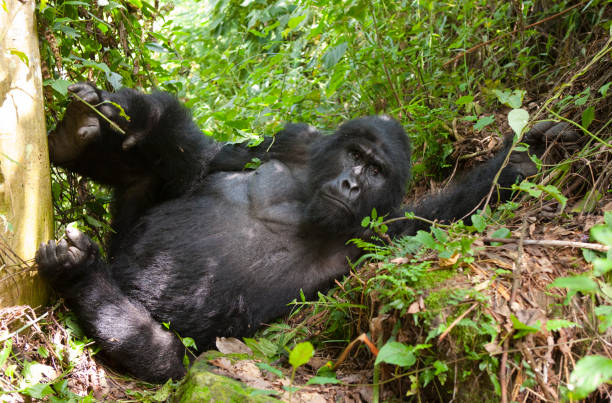
A 6-Week Training Plan for Your Gorilla Trek
Imagine standing at the entrance to Uganda’s Bwindi Impenetrable National Park, watching the morning mist rise above the forest. Your ranger explains that the mountain gorilla family is several hours away, beyond a steep hillside and a series of muddy trails.
You adjust your hiking boots, take a drink of water and begin walking. Within an hour, the forest becomes steeper, and you realise why physical preparation matters.
Following a 6-week gorilla trekking training plan can help improve walking stamina, leg strength, balance and confidence before visiting mountain gorillas in Uganda or Rwanda.
You do not need to be a professional athlete. However, gorilla trekking involves unpredictable walking distances, uneven terrain and sometimes considerable climbing.
This practical six-week programme is designed for generally healthy adults who can already walk comfortably for around 20–30 minutes. Beginners can reduce the suggested durations, while experienced hikers may need less preparation.
1. How Fit Do You Need to Be for Gorilla Trekking?
Gorilla trekking requires a reasonable level of physical fitness, but the difficulty varies.
In Bwindi, visitors may walk through thick rainforest, muddy valleys and steep hillsides.
Rwanda’s Volcanoes National Park also includes mountainous terrain, bamboo vegetation and high-elevation trails.
Some gorilla families are relatively close to the starting point, while others require several hours of hiking.
Main Physical Challenges
| Challenge | Why Training Helps |
|---|---|
| Long forest walks | Improves endurance |
| Steep uphill slopes | Strengthens legs and improves stamina |
| Slippery downhill paths | Develops balance and control |
| Uneven ground | Builds ankle and hip stability |
| Carrying equipment | Improves walking comfort |
| High elevation | Makes pacing and fitness important |
Your training should concentrate on walking rather than running fast.
2. What Should You Achieve in Six Weeks?
The goal is to become more comfortable walking for extended periods over varied terrain.
For many generally healthy adults, a useful target is being able to complete a two- to three-hour practice hike with breaks.
This does not guarantee an easy gorilla trek, but it improves preparedness.
Six-Week Training Overview
| Week | Main Focus | Longest Suggested Walk |
|---|---|---|
| 1 | Establish walking routine | 30–40 minutes |
| 2 | Improve endurance | 45–60 minutes |
| 3 | Introduce hills | 60–75 minutes |
| 4 | Strength and uneven ground | 90 minutes |
| 5 | Practise a longer hike | 2–3 hours |
| 6 | Recover and maintain fitness | 45–60 minutes |
These are flexible targets, not mandatory fitness tests. Adjust them to your starting ability.
3. Week One: Build a Walking Habit
The first week introduces consistent activity without excessive strain.
Walk for approximately 20–30 minutes on four days.
Choose a comfortable pace that allows you to speak in complete sentences.
On another day, practise a slightly longer walk of 30–40 minutes.
Include two brief strength sessions, with rest or gentle stretching on other days.
Week One Schedule
| Day | Activity |
|---|---|
| Monday | 20-minute walk |
| Tuesday | Gentle strength exercises |
| Wednesday | 25-minute walk |
| Thursday | Rest |
| Friday | 30-minute walk |
| Saturday | 30–40-minute walk |
| Sunday | Rest or gentle stretching |
Focus on establishing a routine rather than achieving a particular speed.
4. Week Two: Increase Walking Endurance
During the second week, increase your walking time gradually.
Aim for several walks lasting 30–40 minutes.
Add one longer walk of approximately 45–60 minutes if the first week felt comfortable.
Try walking on gentle slopes instead of remaining entirely on flat roads.
Continue strengthening your legs twice weekly.
Pay attention to breathing, posture and foot comfort.
If you develop unusual pain or excessive fatigue, reduce the workload.
5. Week Three: Introduce Hills and Stairs
Mountain gorilla trekking often involves climbing.
This makes hill training particularly useful.
Find a safe slope near your home and practise walking uphill at a steady pace.
Walking stairs can provide an alternative when suitable outdoor hills are unavailable.
Begin with short sessions rather than attempting a difficult climb immediately.
Suggested Activities
- Three moderate walks of 30–45 minutes.
- One hill or stair session of 15–20 minutes.
- One longer walk of 60–75 minutes.
- Two light strength sessions.
- At least one recovery day.
Walk downhill carefully rather than rushing.
The goal is to develop endurance and control.
6. Week Four: Improve Balance and Leg Strength
By week four, you should be becoming more comfortable with regular walking.
Now focus on controlled movement over different surfaces.
Practise on safe, uneven paths where you can avoid falls.
Continue hill walking and gradually increase the duration of your longest hike towards 90 minutes.
Useful Strength Exercises
| Exercise | Suggested Starting Amount |
|---|---|
| Chair squats | 8–12 repetitions |
| Low step-ups | 8–10 per leg |
| Standing calf raises | 10–15 repetitions |
| Supported single-leg balance | 15–30 seconds per side |
| Wall push-ups | 8–12 repetitions |
| Gentle core exercises | 8–12 repetitions |
Complete one or two comfortable sets initially.
Use a stable support for balance exercises, and stop movements that cause pain.
7. Week Five: Complete a Practice Gorilla Trek
Week five is the main preparation week.
Plan one longer outdoor hike lasting approximately two to three hours, including breaks, if your fitness allows.
Choose a route with moderate hills and different walking surfaces.
Wear the hiking boots and clothing you intend to use during your safari.
Carry a small backpack containing water, snacks and a rain jacket.
What to Practise
Pay attention to how your legs feel during uphill sections.
Check whether your boots cause rubbing or blisters.
Practise drinking water and eating snacks during suitable breaks.
Try using a walking pole.
Observe how comfortable you feel when descending.
The practice hike should build confidence, not leave you exhausted or injured.
8. Week Six: Reduce Training Before Travel
The final week is about maintaining fitness and allowing your body to recover.
Avoid attempting a new, unusually difficult hike.
Continue comfortable walks of approximately 30–45 minutes.
A single 45–60-minute walk may be suitable early in the week.
Keep strength sessions light and allow adequate recovery before departure.
If you are travelling internationally, remember that flights, road transfers and changes in routine may also contribute to fatigue.
Arriving rested is more useful than arriving sore from excessive training.
9. Why Leg Strength Matters
Strong leg muscles support climbing, descending and standing on uneven ground.
The quadriceps, hamstrings, glutes and calves are particularly important.
Controlled chair squats and step-ups can help develop these muscles.
However, strength exercises should match your current abilities.
You do not need heavy gym equipment to prepare for a gorilla trek.
Regular walking and simple bodyweight exercises provide a practical starting point for many travellers.
10. How to Train for Slippery Forest Trails
Bwindi’s forest paths can become muddy during rainy weather.
Even during drier months, shaded areas may remain damp.
Practise walking on safe natural paths with uneven surfaces.
Use trekking poles if they improve your stability.
Avoid deliberately practising on dangerous, slippery slopes.
The aim is to improve foot placement and balance without creating unnecessary injury risks.
11. Should You Train With a Backpack?
Yes, but keep the weight manageable.
During the later weeks, practise walking with a small backpack containing items similar to your trekking equipment.
This helps you assess comfort and shoulder strain.
There is no need to carry unnecessarily heavy loads.
Porters are available at gorilla trekking locations and can help carry belongings.
Hiring a porter can be particularly helpful on steep or muddy trails.
12. How Should You Prepare for Altitude?
Mountain gorilla habitats occur at elevations that may make exercise feel more demanding.
Walking fitness can improve your ability to manage exertion, but it does not guarantee protection against altitude illness.
If possible, avoid rushing directly from a long international journey into a demanding trek.
Allow time to rest before trekking.
Visitors with heart, lung or other relevant medical conditions should seek professional travel-health advice.
Never assume that completing six weeks of training removes altitude-related risks.
13. What if You Have Asthma, Diabetes or Knee Problems?
People with medical conditions may still be able to enjoy gorilla trekking, but training requirements should be personalised.
Discuss your plans with a qualified healthcare professional before beginning this programme.
For asthma, ensure you have an appropriate management plan and prescribed medication.
For diabetes, consider how exercise affects blood glucose and discuss necessary precautions with your care team.
For knee problems, strengthening and balance activities may help, but painful exercises should not be forced.
A physiotherapist may recommend a modified programme.
14. What Should You Eat and Drink During Training?
Good nutrition supports exercise and recovery.
Eat regular balanced meals containing carbohydrates, protein, vegetables and other nutritious foods.
Drink enough water during walking sessions, especially in warm weather.
For longer practice hikes, carry snacks and water.
Avoid trying unfamiliar supplements or extreme diets before travelling.
People taking medication that affects hydration or blood glucose should follow personalised medical advice.
15. What Equipment Should You Test?
Your training period is an opportunity to become familiar with trekking equipment.
Equipment Checklist
| Equipment | Training Purpose |
|---|---|
| Hiking boots | Check fit and grip |
| Hiking socks | Reduce friction |
| Walking pole | Practise balance |
| Rain jacket | Test movement and comfort |
| Small backpack | Assess carrying comfort |
| Water bottle | Practise hydration |
| Long trousers | Check flexibility |
Do not leave breaking in new boots until the morning of your trek.
Comfortable footwear can make a considerable difference.
16. What Happens if You Cannot Complete the Training Plan?
Do not panic.
Six weeks is a useful preparation period, not a guarantee of fitness.
A shorter or gentler programme can still improve confidence.
If you struggle with walking, discuss your requirements with your safari operator before booking.
Buhoma is often considered a potentially more approachable Bwindi sector, although no gorilla family or route is guaranteed to be easy.
Park authorities may consider fitness concerns during group allocation.
Porter support or pre-arranged carrying assistance may be available, depending on the location.
17. Common Training Mistakes to Avoid
One common mistake is attempting too much too quickly.
Suddenly increasing walking distance can cause muscle soreness or injury.
Another is concentrating only on uphill walking while ignoring downhill control.
Visitors also sometimes buy expensive hiking boots but never test them.
Avoid These Mistakes
- Starting with long, difficult hikes.
- Ignoring persistent pain.
- Training only on flat roads.
- Neglecting recovery days.
- Wearing untested footwear.
- Carrying unnecessarily heavy equipment.
- Assuming fitness guarantees a short gorilla trek.
Consistency is more valuable than extreme effort.
18. How to Know You Are Better Prepared
By the end of six weeks, you may notice several improvements.
Walking for an hour may feel more comfortable.
Moderate hills may require fewer rest breaks.
You may feel steadier on uneven ground and more confident using your boots and trekking pole.
However, readiness is individual.
A traveller who cannot comfortably complete the longer sessions should not force the programme.
Your personal health, ranger guidance and actual trail conditions remain the deciding factors.
Prepare for the Journey, Not Just the Gorillas
A six-week gorilla trekking training plan can improve stamina, strength and confidence before travelling to Uganda or Rwanda.
The best preparation combines regular walking, gentle hill training, balance exercises and adequate recovery.
You do not need to become an athlete.
Instead, concentrate on making your body more comfortable with the kinds of movements you may experience in the forest.
Remember that gorilla families move freely, so no training programme guarantees a short hike.







No comment