Best National Parks in Uganda.
Best National Parks in Uganda: Without a doubt, Uganda is among the world’s top travel destinations because of its breathtaking natural beauty and unforgettable attractions. Take in the glassy lakes, expansive savannas, snow-peaked mountains, and dense misty forests, as well as the amazing natural features that led Sir Winston Churchill to refer to it as “the Pearl of Africa.”
The most popular tourist attraction in Uganda is the distinctive mountain gorillas, which draw a lot of tourists. However, Uganda is a true safari destination since it offers a wide range of adventure opportunities.
Bwindi Impenetrable National Park
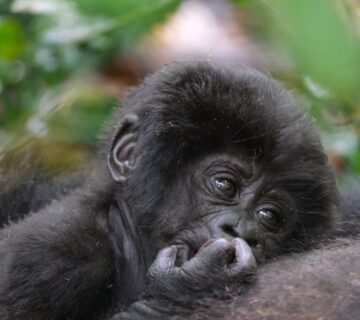
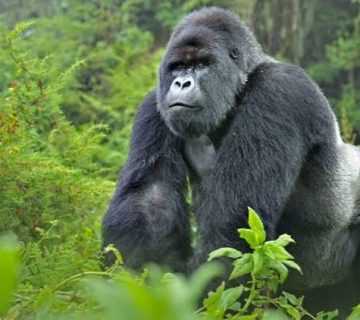
Because it is home to half of the world’s surviving mountain gorillas, Bwindi Impenetrable National Park is the best safari destination for gorilla trekking. Situated on the edge of the Rift Valley in southwest Uganda, the park is made up of mist-covered hillsides covered with one of the country’s oldest and most biologically diversified rainforests, which is over 25,000 years old.
Nonetheless, with more than 400 plant species, the Bwindi Impenetrable Forest appears to be one of Africa’s most abundant ecosystems. More than 650 mountain gorillas, or almost half of the world’s population, are estimated to exist, along with 350 bird species and about 120 animal species.
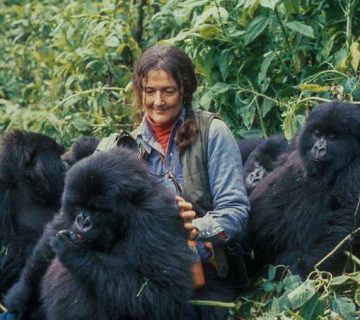
22 habituated gorilla families and groups make up Bwindi, which is divided into four gorilla sectors: Buhoma, Nkuringo, Rushaga, and Ruhija. You must first get a gorilla permit in order to interact with these rare mountain gorillas. Gorilla permits for Uganda can be bought directly from “UWA” or through reliable travel agencies.
Permits for gorilla trekking cost $800 per person every trek, whereas Gorilla Habituation, which includes four hours of time spent with gorillas, costs $1,500 per person per trek.
Queen Elizabeth National Park
With thousands of visitors, Queen Elizabeth National Park is the most popular safari destination offered by Uganda Wildlife Safaris. This is due to the fact that Queen Elizabeth is one of the rare tree-climbing lions that can be found in the park.
Despite this, Queen Elizabeth 11 is the name of the park, which was established in 1954 and is located in western Uganda. Furthermore, Queen Elizabeth National Park boasts a diversified ecology that includes expansive savannah, shaded, humid woods, glittering lakes, and fertile marshes. This makes it the perfect place for big game, chimpanzees, and other primates, as well as approximately 600 different species of birds.
Hippopotamus, topi, waterbuck, warthog, giant forest hog, Nile crocodile, leopard, spotted hyena, chimpanzee, lion, African buffalo, Uganda Kobs, and tree climbing lions are among the animals that may be seen in Queen Elizabeth National Park. From Kampala or Entebbe, it takes roughly five to six hours to drive to the park.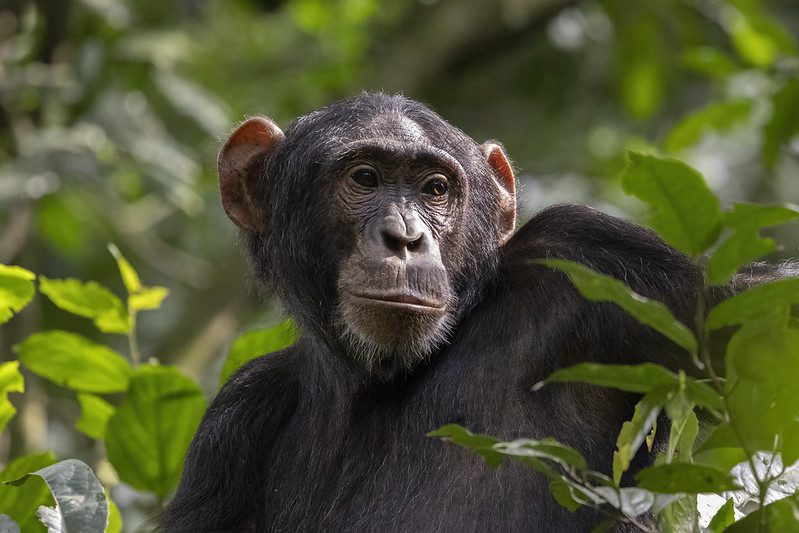
Rwenzori Mountains National Park is one of Uganda’s best national parks.
Originally called the “Mountain of the Moon,” Rwenzori Mountain is a UNESCO World Heritage Site located in western Uganda, close to the Uganda-Congo border. with actuality, this mountain is Africa’s third highest peak, and the lower slopes are covered with luxuriant montane forest, bamboo, and moorland. More than 70 animal species, 217 bird species, including 19 endemics of the Albertine Rift, and some of the rarest vegetation in the world may be found in the park.
Murchison Falls National Park
The world’s most powerful waterfall, which is pushed through a tiny gorge and creates immense pressure that shakes the surrounding rocks, is the focal point of Murchison Falls National Park, Uganda’s largest national park. Additionally, it covers an area of about 3890 square kilometers, which is home to over 451 bird species and 76 animal species. From Kampala or Entebbe, it takes four to five hours to get there by car.
Waterbucks, warthogs, hyenas, buffaloes, Uganda Kobs, elephants, hartebeests, oribi, and giraffes are among the animals that may be seen in Murchison Falls National Park. The rare shoe bill stork, sandpipers, silver birds, yellow-billed stork, Weaver birds, long-tailed nightjar, black-billed barbet, yellow-fronted tinkerbird, rock pratincole, osprey, long-toed plover, grey-headed kingfisher, veracious dove, red-winged grey warbler, Senegal thick-knee, saddle-billed stork, read-throated bee-eater, secretary bird, African jacana, giant heron, and many more are among the birds to be seen.
Kibale National Park
Because Kibale National Park is home to the largest concentration of chimpanzees in Africa—more than 1,500—and Uganda, which has 5,000 chimpanzees overall, it is well-known as the kingdom of primates. The park, which spans over 795 square kilometers and is mostly covered by lush evergreen forest, is situated in western Uganda and offers a variety of landscapes. It is home to around 375 kinds of birds, 70 mammal species, 13 notable primate species, including the chimpanzee, and both lowland and montane forests.
Items to bring on a vacation to Uganda include:
During your Uganda safari hiking, nature walks, gorilla trekking, bird viewing, and chimpanzee trekking, keep long-sleeved shirts with you to protect you from the sun and insects.
Dress in muted hues such as light brown, khaki, and green.
Keep a cozy fleece jacket or sweater with you.
Sandals and hiking shoes that are comfortable
Waterproof hiking boots that are lightweight
Long socks made of cotton.
Robust gardening gloves
Sunglasses
An umbrella
A safari cap with a wide brim
Why Bwindi’s 25,000-Year-Old Forest Genuinely Makes It One of Africa’s Oldest Living Ecosystems
Since this age genuinely places Bwindi among the continent’s most ancient continuously existing rainforests, understanding this history genuinely adds depth to a gorilla trek beyond the wildlife encounter itself, connecting visitors to an ecosystem that predates most human civilization. All in Africa Safaris can share more of Bwindi’s ecological history during your visit.
How Queen Elizabeth’s Tree-Climbing Lions Genuinely Make It a Standout Among Uganda’s Savannah Parks
Since this specific behavior genuinely occurs in only a handful of locations worldwide, Queen Elizabeth’s inclusion on any best-parks list genuinely reflects a truly unique wildlife phenomenon rather than simply general game-viewing quality.
Why Rwenzori’s Combination of Snow and Rainforest Genuinely Makes It Uganda’s Most Ecologically Varied Park
Since few parks anywhere genuinely combine glacial peaks with lowland montane forest, Rwenzori’s dramatic elevation range genuinely offers a breadth of ecosystems within a single park that most other Ugandan destinations can’t match. All in Africa Safaris can arrange a Rwenzori visit to experience this dramatic ecological range.
How Murchison Falls’ Raw Power Genuinely Makes It a Must-See Beyond Its Wildlife Population
Since the Nile genuinely forces itself through a narrow gorge here with tremendous force, the falls themselves genuinely deliver a sensory spectacle distinct from the wildlife viewing that otherwise defines most of Uganda’s parks.
Why Kibale’s Primate Diversity Genuinely Extends Well Beyond Its Famous Chimpanzee Population
Since the park genuinely hosts 13 distinct primate species, travelers focused solely on chimpanzee trekking genuinely miss a broader primate showcase that dedicated wildlife enthusiasts find equally rewarding to explore. All in Africa Safaris can highlight Kibale’s full range of primate species beyond chimpanzees.
How Choosing Muted Clothing Colors Genuinely Improves Wildlife Viewing Across Every Park on This List
Since bright colors genuinely startle animals more readily than khaki or green tones, packing muted clothing genuinely applies as useful advice across gorilla trekking, game drives, and birding alike, not just one specific activity.
Why Combining Multiple Parks From This List Genuinely Builds the Most Complete Uganda Safari Experience
Since each park genuinely offers a distinct ecosystem and wildlife focus, travelers who combine several genuinely experience Uganda’s full range rather than a narrow slice defined by a single destination. All in Africa Safaris can design a multi-park itinerary spanning Uganda’s best destinations.
How the Drive Times Between Kampala and Each Park Genuinely Shape Realistic Itinerary Planning
Since travel times genuinely range from four to nine hours depending on the destination, understanding these distances genuinely helps travelers sequence a multi-park trip efficiently rather than backtracking unnecessarily across the country.
Why Packing a Sturdy Umbrella Genuinely Complements Rain Jackets Across Uganda’s Varied Park Climates
Since weather genuinely shifts unpredictably across Uganda’s different ecosystems, carrying both an umbrella and rain jacket genuinely gives travelers flexible protection suited to whichever specific activity or park they’re visiting that day.
How Comfortable Hiking Sandals Genuinely Serve as a Useful Complement to Full Boots on Multi-Park Trips
Since some activities genuinely demand less rugged footwear than a full gorilla trek, packing both sandals and boots genuinely lets travelers match footwear to the specific demands of each park’s activities. All in Africa Safaris can advise on footwear needs across your multi-park Uganda itinerary.
Why Sir Winston Churchill’s “Pearl of Africa” Description Genuinely Still Resonates Across This Park List
Since this historic characterization genuinely captures the sheer diversity spanning glaciers, savannah, and rainforest within one country, the phrase genuinely remains an apt summary for travelers deciding which of Uganda’s parks to prioritize.
Planning Your Uganda National Parks Adventure
From gorilla-rich Bwindi to the powerful Murchison Falls, genuinely Uganda’s parks each offer a distinct reason to visit. All in Africa Safaris can turn this overview into a fully confirmed itinerary tailored to your travel dates.