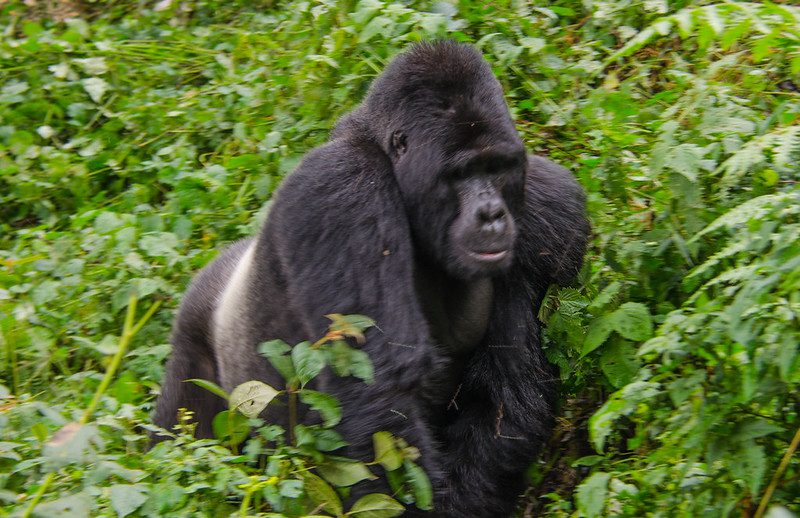
Mountain gorilla conservation through mountain gorilla trekking.
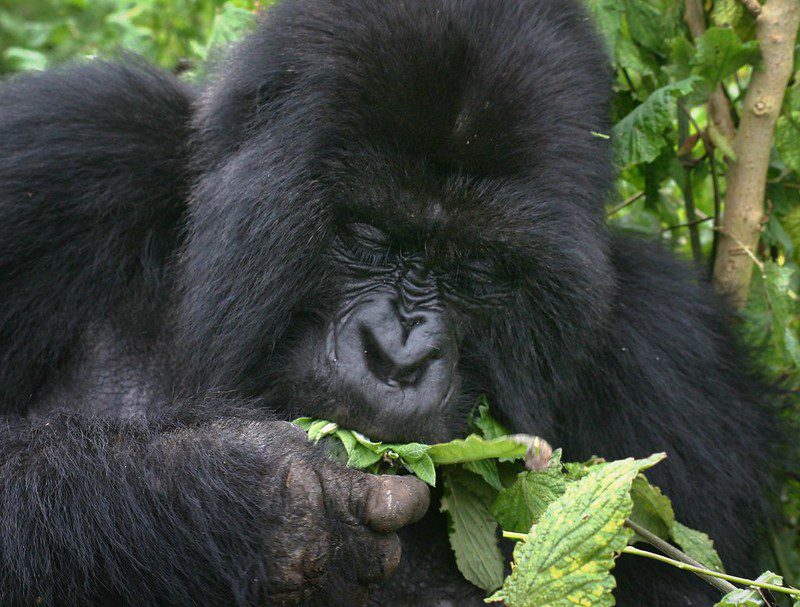
Mountain gorilla conservation through mountain gorilla trekking: For those who enjoy primates, mountain gorilla trekking is a means of conserving the renowned mountain gorillas rather than an entertaining activity.
Trekkers who participate in the activity get the opportunity to witness the magnificent gorillas, take in the wooded mountain, and partake in a variety of other thrilling activities within the mountain gorilla habitat. In doing so, the hikers are contributing to the conservation of these magnificent primates.
However, how exactly can mountain gorilla trekking aid in the conservation of gorillas? We describe below how your mountain gorilla trekking trip can significantly contribute to mountain gorilla conservation.
Making the community more aware
Communities are made aware of the value of gorillas to human life and the environment through the money raised from mountain gorilla trekking. As a result, the gorillas are now accepted by the community, which has led to ongoing conservation efforts.
Rangers in Training
The funds from mountain gorilla trekking are used to support the services of skilled rangers who care for, acclimate, monitor, and follow up with the gorillas, among other tasks. This allows the rangers to care for the gorillas and guarantee their constant protection.
Putting gorilla protection laws into practice
Certain policies and interventions that aid in the conservation of mountain gorillas are put into place with the money raised by mountain gorilla trekking. Among other things, interventions include allowing gorilla habitats to be cleared, catching individuals who are intruding on them, and carrying out studies that will benefit the primates.
Gorillas’ access to veterinary care
The Uganda Wildlife Authority can offer veterinary care to the gorillas with the money raised from mountain gorilla trekking activities, improving the gorillas’ overall health and quality of life. Additionally, this veterinary care aids in the early detection of gorilla diseases and, consequently, the development of early therapies.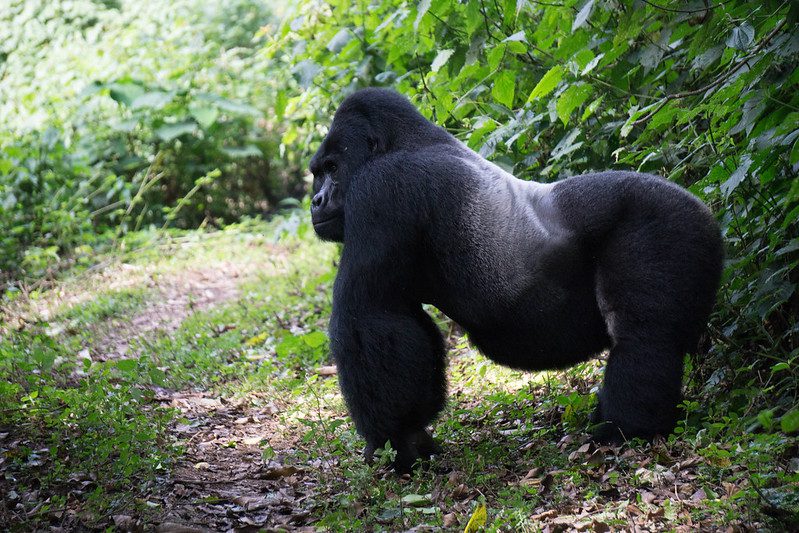
Conservation of mountain gorillas through mountain gorilla hiking
Research on Gorilla Trekking Safari
Research that enhances the conservation of mountain gorillas and their habitat has also been made possible by funds raised from mountain gorilla trekking trips. Great interventions that have significantly improved mountain gorilla survival have emerged as a result of these various studies.
enabled communities to take part in initiatives that promote the survival of gorillas
The money raised from mountain gorilla trekking initiatives is utilized to enable local populations to take part in gorilla survival-promoting activities. Among other things, these actions involve planting trees and helping to preserve the habitat of mountain gorillas. The lives of mountain gorillas are well-protected by community efforts.
The practice of hiking into mountain gorilla habitat in pursuit of the primates is known as mountain gorilla trekking. They spend an hour with the mountain gorillas after they locate them. Depending on where you are trekking, these encounters often take place over the course of five to eight hours of the day, beginning at seven in the morning and lasting until the afternoon or evening. According to trekkers, the Democratic Republic of the Congo is the most difficult place to trek; yet, hiking in Uganda is more difficult than trekking in Rwanda.
There is a charge associated with each mountain gorilla trekking excursion, which ranges from $400 to $1500 USD. Each country has a separate permit fee. The lowest fees are 400 USD in the Democratic Republic of the Congo, 800 USD in Uganda, and 1500 USD in Rwanda.
Low season discount: The Uganda Wildlife Authority now offers discounted low season gorilla tracking permits during April, May, and November – $600 for foreign non-residents and $500 for foreign residents (standard rates apply the rest of the year). Low season permits cannot be rescheduled, so book early through a licensed tour operator.
The mountain gorillas and their habitats are protected and conserved thanks to the hikers’ payment of permits.
Therefore, go to a mountain gorilla park right now to work with others to save the world’s mountain gorillas.
Why This Conservation Model Genuinely Works
Unlike conservation approaches relying purely on restriction and enforcement, tying gorilla survival directly to tourism revenue creates a genuine economic incentive for local communities and governments alike to actively protect rather than exploit gorilla habitat. All in Africa Safaris can explain how your specific trekking booking contributes to this funding model.
How Permit Revenue Is Actually Distributed
Beyond ranger salaries and veterinary care, a meaningful percentage of permit revenue typically flows directly to community development projects in areas bordering the parks, a distribution structure that extends conservation benefits well beyond the gorillas themselves.
Why Mountain Gorillas Were Once on the Brink of Extinction
Understanding that mountain gorilla populations dropped to critically low numbers decades ago before conservation tourism took hold gives genuine context for why this funding model matters so much today, transforming a near-catastrophic decline into one of conservation’s genuine success stories.
What Makes Trained Rangers So Essential to Survival Rates
Beyond simple observation, rangers monitor gorilla health daily, intervene during medical emergencies, and protect families from poaching threats, work that requires genuine specialized training funded directly through trekking revenue.
Why Community Buy-In Matters More Than Enforcement Alone
Communities that once viewed gorillas as competition for agricultural land increasingly see them as a genuine economic asset worth protecting, a shift in perspective that conservation tourism revenue has directly enabled over recent decades.
How Veterinary Intervention Has Changed Gorilla Survival Odds
Since mountain gorillas remain highly susceptible to human respiratory diseases and other health threats, the veterinary programs funded by trekking permits genuinely catch and treat conditions that would otherwise threaten entire family groups.
Why Comparing Permit Costs Across Countries Matters
Understanding that Uganda, Rwanda, and Congo all price permits differently while funding similar conservation goals helps travelers make an informed choice about where to trek, since each country’s fee structure reflects local economic and conservation priorities. All in Africa Safaris can help you compare these options against your specific budget and priorities.
What Research Funded by Trekking Has Actually Discovered
Studies supported by trekking revenue have informed everything from disease prevention protocols to habitat management practices, meaning your permit fee contributes to a genuinely evolving body of scientific knowledge protecting the species long-term.
Why Reforestation Efforts Matter Alongside Direct Protection
Community tree-planting initiatives funded through this model help restore and expand gorilla habitat beyond current park boundaries, addressing the long-term land availability challenge that pure anti-poaching enforcement alone cannot solve.
How Your Individual Trek Fits Into This Larger System
Every trekking permit purchased directly funds this entire conservation ecosystem, meaning individual travelers become genuine stakeholders in mountain gorilla survival simply by choosing to trek responsibly through an established operator. All in Africa Safaris can help you understand exactly how your booking contributes to this ongoing effort.
Why Trekking Difficulty Varies Meaningfully by Country
Congo’s reputedly more demanding terrain, Uganda’s mountainous Bwindi trails, and Rwanda’s comparatively more accessible Volcanoes National Park each offer genuinely different physical experiences worth weighing against your own fitness level when choosing a destination.
What Happens During the Hour With the Gorillas
This carefully limited observation window balances the profound value of the encounter against minimizing stress and disease transmission risk to the gorilla family, a conservation-first design worth appreciating during your visit.
Why This Success Story Still Requires Ongoing Support
Despite genuine population growth over recent decades, mountain gorillas remain endangered, meaning continued trekking tourism and the funding it provides remains genuinely essential rather than a completed conservation achievement.
How to Choose a Trek That Genuinely Supports Conservation
Booking through established, reputable operators who work directly with official park authorities ensures your permit fee reaches the conservation programs it’s meant to fund, rather than being diverted through less transparent channels.
Why Anti-Poaching Patrols Remain a Genuine Priority
Despite significant progress, poaching threats haven’t disappeared entirely, meaning the funding trekking provides for regular ranger patrols continues to play a genuinely essential role in protecting gorilla families from snares and illegal hunting activity.
How Habitat Protection Extends Beyond Park Boundaries
Since gorillas occasionally range beyond official park lines into community land, conservation programs funded through trekking revenue increasingly work to protect habitat corridors and buffer zones, not just the core protected area itself.
Why Long-Term Monitoring Data Matters for Conservation Success
Decades of ranger-collected data on individual gorilla families, their health, behavior, and population trends, provides the evidence base that lets conservationists measure genuine progress and adjust strategies as new challenges emerge.
What Travelers Can Do Beyond Simply Booking a Trek
Respecting all park guidelines, choosing operators genuinely committed to conservation practices, and supporting community-based tourism initiatives all extend your positive impact beyond the permit fee alone. All in Africa Safaris can point you toward these deeper ways to support the conservation mission during your visit.
Why This Model Offers Lessons for Other Endangered Species
Conservationists studying mountain gorilla recovery increasingly look to this trekking-funded approach as a potential model for other endangered species tourism, meaning the impact of your visit extends into broader conservation thinking beyond gorillas alone.
Why Physical Preparation Supports Conservation Goals Too
Arriving genuinely fit and prepared for a demanding trek reduces the likelihood of needing rescue assistance or cutting a trek short, indirectly easing the burden on ranger resources that could otherwise be devoted entirely to gorilla monitoring and protection.
Planning Your Conservation-Focused Gorilla Trek
From ranger training to veterinary care and community reforestation, mountain gorilla trekking funds a genuinely comprehensive conservation ecosystem that has helped pull this species back from the brink. All in Africa Safaris can turn this understanding into a fully confirmed trekking itinerary, connecting you directly with the conservation story your visit helps write.