
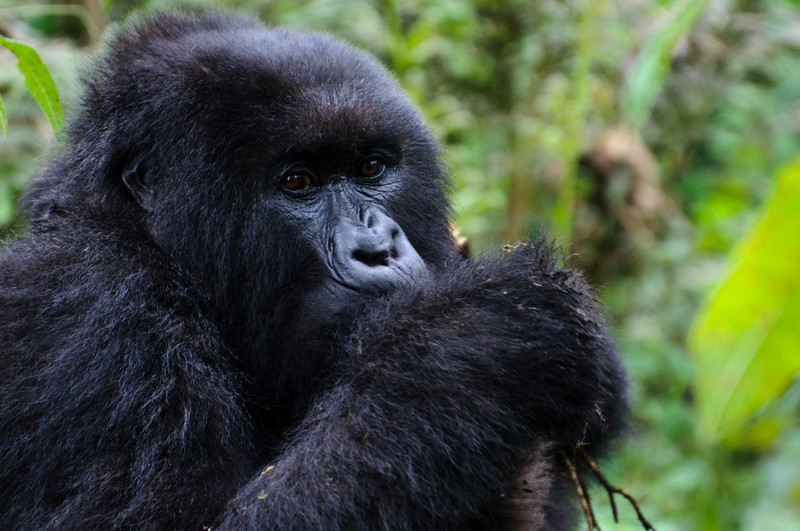
Africa’s most accessible gorilla trekking and Rwanda’s distinctive landscape and kind people provide unforgettable experiences. This is a country known for its outstanding biodiversity, volcanoes, and highland rainforests that are home to gorillas. A Rwanda gorilla trekking trip complements other East African sites such as Uganda, Kenya, and Tanzania.
Rwanda is more than just green and hills; it is also home to the primate-rich Nyungwe Forest National Park, where raucous chimps frolic and the sky is filled with a variety of birds. And in low-lying eastern Rwanda, Akagera National Park provides big game viewing in a diversified savannah setting, including safari heavyweights such as lions and elephants. Here are some of the top reasons to go on a Rwanda safari:
Soul-stirring encounters with mountain gorillas and wildlife.
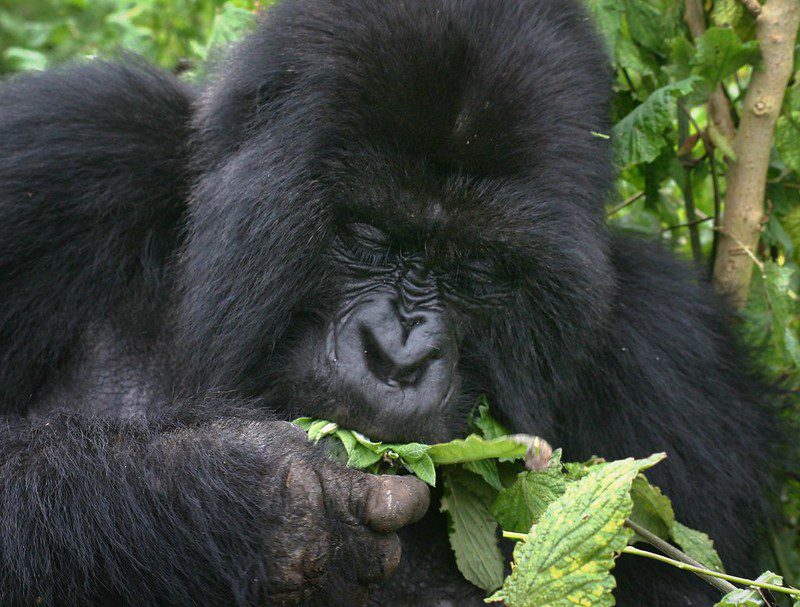
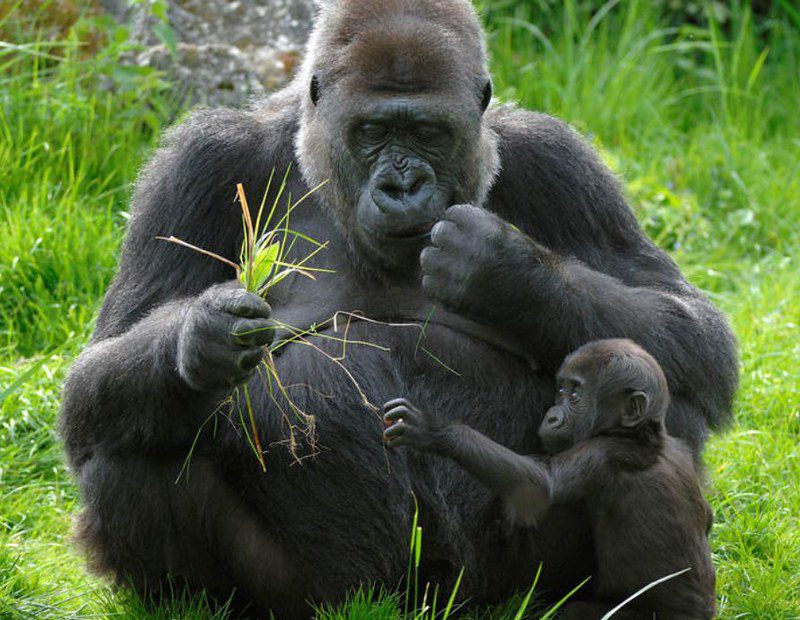
Rwanda is home to some of the world’s best primates, set against the backdrop of undulating hills, forest canopies, and breathtaking mountain peaks. With Rwanda home to more than half of the world’s remaining mountain gorilla population, it’s no surprise that most wildlife enthusiasts visit the country to track and see these critically endangered animals up close.
Kigali: The Modern Heartbeat of Rwanda
Kigali is clean and safe, having recovered from its turbulent past to become one of Africa’s friendliest towns and the ideal starting location for a Rwanda safari. This is Rwanda’s pulsating heart, with busy retail centers in the city center featuring boutiques and coffee shops, as well as active marketplaces. The city is spread across numerous hills and offers plenty to keep you busy for a few days.
Sustainable Gorilla Safaris
The late Dian Fossey spent 20 years studying the behavior of the endangered mountain gorilla on the bamboo-covered slopes of Rwanda’s Virunga Volcanoes, as did the filmmakers who filmed Gorillas in the Mist. You may now not only have one of the most remarkable animal experiences on Earth but also actively participate in the massive efforts to rescue the species by going gorilla trekking and meeting with local scientists in their innovative research facilities.
Convenient travel is easy to combine with other destinations.
The key selling point of a Rwanda safari is that it offers the simplest and most accessible gorilla trekking. After landing in Kigali, you are only a few hours away from the famed Volcanoes National Park and its habituated but still wild gorilla families for true and breathtaking Rwandan gorilla treks. Rwanda may also be paired with other well-known safari locations, such as Kenya and Tanzania, with their huge open plains and Zanzibar’s white-sand beaches.
Booking Your Gorilla Trekking Permit
Rwanda issues a strictly limited number of gorilla trekking permits per day across Volcanoes National Park’s habituated gorilla families, meaning permits routinely sell out months in advance during peak season. All in Africa Safaris can secure your permit well ahead of your travel dates, a critical first step given how far in advance demand typically outpaces supply.
Best Time for Gorilla Trekking in Rwanda
The dry seasons, June to September and December to February, offer the firmest trails through Volcanoes National Park’s steep, forested slopes, while the wetter months bring muddier conditions alongside noticeably thinner crowds. Because Rwanda’s gorilla families remain trackable year-round regardless of season, many travelers weigh trail comfort against crowd levels rather than worrying about sighting reliability itself.
Physical Demands of Gorilla Trekking
Treks through Volcanoes National Park can range from a relatively short walk to several hours of steep, sometimes strenuous hiking through dense vegetation, depending on where the assigned gorilla family happens to be on trekking day. A reasonable baseline fitness level makes the experience considerably more enjoyable, and porters are available to carry packs and offer a helping hand on steeper sections for travelers who want the extra support.
What to Pack for Gorilla Trekking
Sturdy waterproof hiking boots, gardening-style gloves for gripping vegetation, and long trousers and sleeves to protect against nettles and biting insects form the core of a sensible gorilla trekking packing list. A rain jacket is worth packing regardless of season, given Volcanoes National Park’s higher elevation and its tendency toward sudden showers even during the drier months.
Combining Gorilla Trekking With Nyungwe and Akagera
A well-rounded Rwanda itinerary often pairs Volcanoes National Park’s gorilla trekking with Nyungwe Forest’s chimpanzee trekking and canopy walk, and Akagera National Park’s classic savanna game drives, giving travelers three genuinely distinct wildlife experiences within a single compact country. All in Africa Safaris can help sequence all three destinations efficiently, minimizing road time across Rwanda’s relatively short internal distances.
Gorilla Habituation Experience
Beyond the standard one-hour gorilla visit, Rwanda also offers a longer Gorilla Habituation Experience in a designated section of Volcanoes National Park, allowing visitors to spend up to four hours with a gorilla family still becoming accustomed to human presence, guided by researchers and trackers. This option runs on a smaller daily quota than standard trekking permits, so travelers specifically interested in the deeper experience should book especially early.
Why Rwanda’s Trekking Is Considered So Accessible
Volcanoes National Park’s proximity to Kigali, only a few hours’ drive rather than a full day’s journey required to reach some primate-trekking destinations elsewhere in Africa, is a major part of what makes Rwanda’s gorilla trekking so logistically straightforward compared to alternatives. Combined with well-developed roads and a compact overall country size, Rwanda allows travelers to fit gorilla trekking into a shorter overall trip than would typically be possible in a larger, more spread-out destination.
Nyungwe Forest’s Canopy Walk and Chimpanzee Trekking
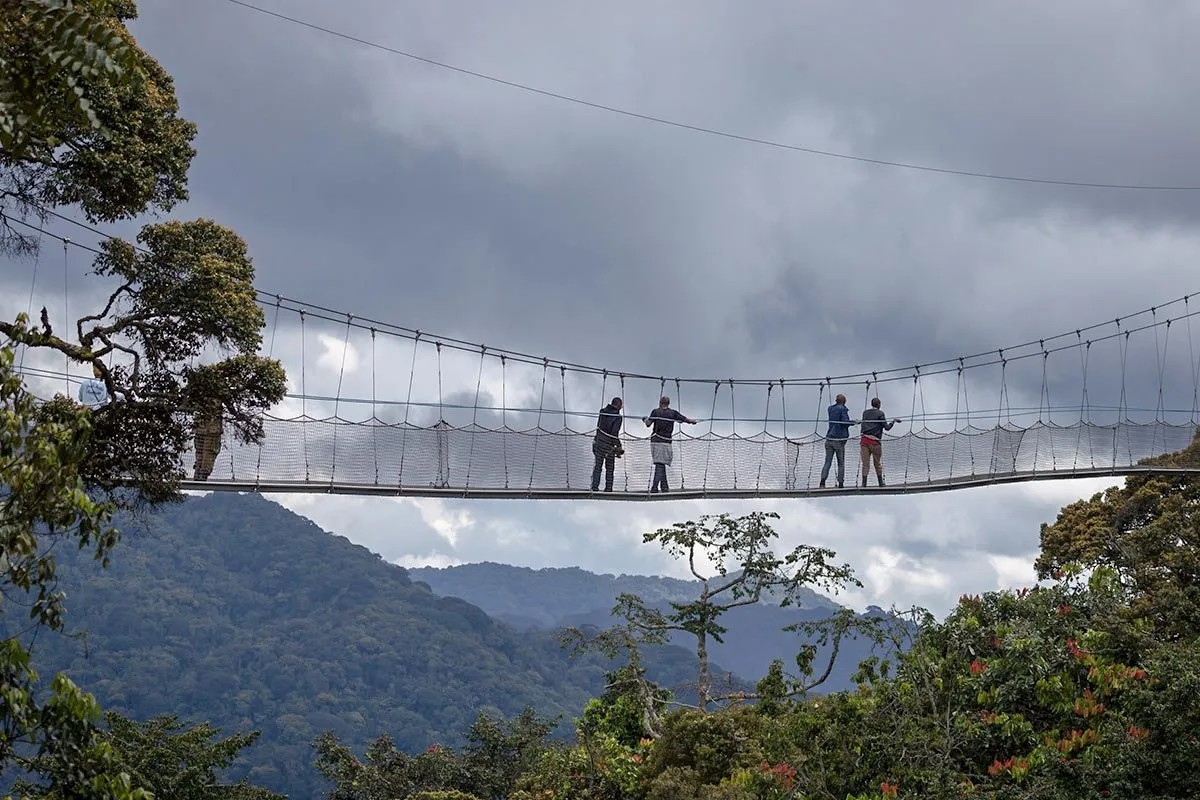
Nyungwe Forest National Park adds a genuinely different primate and forest experience to a Rwanda itinerary, combining chimpanzee trekking with East Africa’s only canopy walkway, a suspended bridge offering views over the forest canopy from a genuinely different vantage point than a ground-level trek. Birders also find Nyungwe rewarding given its status as one of Africa’s most biodiverse montane forests, worth an extra day for travelers with time beyond the core gorilla trekking itinerary.
Akagera National Park: Rwanda’s Big Game Answer
For travelers who assume Rwanda is only about primates, Akagera National Park’s savanna landscape and Big Five wildlife, including reintroduced lions and rhinos, offers a genuinely different, more classic safari experience in the country’s low-lying east. Boat safaris on Lake Ihema, within the park, add a further dimension distinct from the vehicle-based game drives found in most of East Africa’s savanna parks.
Planning a Complete Rwanda Safari
A well-rounded Rwanda itinerary of seven to nine days typically allows time for gorilla trekking in Volcanoes National Park, a day or two in Nyungwe Forest, and a couple of days at Akagera, without feeling rushed between the country’s genuinely distinct regions. All in Africa Safaris can help build this kind of complete circuit, sequencing permits, transport, and accommodation into a single coordinated Rwanda itinerary.
Why Kigali Deserves More Than a Transit Stop
Many travelers treat Kigali purely as an arrival and departure point, but the city’s genuine transformation over the past two decades, clean streets, a thoughtful genocide memorial, and a genuinely vibrant café and arts scene, rewards at least a full day of exploration before or after the trekking portion of a Rwanda trip. A city tour combined with a visit to the Kigali Genocide Memorial offers important historical context that deepens an understanding of modern Rwanda beyond its wildlife reputation.
Comparing Rwanda and Uganda Gorilla Trekking
Both countries offer genuinely world-class gorilla trekking, but Rwanda’s shorter drive from its capital and generally better-maintained roads make its logistics somewhat more straightforward than Uganda’s Bwindi, which requires a longer journey from Kampala or Entebbe. Travelers weighing both options often base their decision on overall itinerary, combining Rwanda’s accessible gorilla trekking with a beach or Serengeti extension, versus Uganda’s broader mix of primates, savanna parks, and the Nile in a single country.
Responsible Tourism and Gorilla Conservation
Rwanda’s gorilla trekking permit fees fund a substantial share of the country’s conservation and community development programs, directly supporting the recovery of a mountain gorilla population that has grown steadily since Dian Fossey’s original research decades ago. Choosing to trek in Rwanda is, in a very direct sense, a way of supporting one of Africa’s clearest conservation success stories, a point worth appreciating alongside the trek’s obvious wildlife appeal.
Where to Stay Around Volcanoes National Park
Accommodation near Volcanoes National Park ranges from simple guesthouses to some of Africa’s most exclusive luxury lodges, several positioned with direct views of the Virunga volcanoes themselves, giving travelers a genuine range of budget options for their gorilla trekking base. Most properties arrange early-morning transport directly to the park’s trekking briefing point, a logistical detail worth confirming when booking regardless of which accommodation tier you choose.
A Trip That Rewards Careful Planning
Between limited daily permits, seasonal trail conditions, and the genuine physical demands of the trek itself, a Rwanda gorilla safari rewards travelers who plan ahead rather than arriving with a loosely improvised itinerary. All in Africa Safaris can handle that planning directly, from permit booking through accommodation and the logistics of combining Volcanoes National Park with Nyungwe and Akagera into one complete, well-paced Rwanda trip.



No comment