
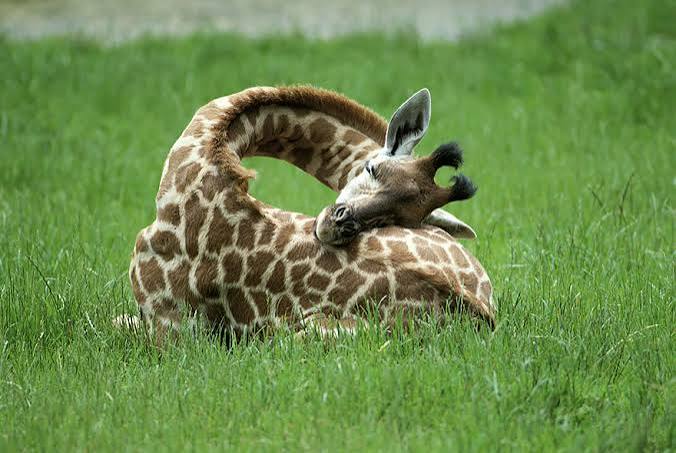






Why Do Giraffes Have Such High Blood Pressure?
Giraffes genuinely maintain blood pressure roughly twice as high as a human’s, a physiological necessity required to pump blood the considerable vertical distance up the neck to the brain, and the species has evolved a genuinely remarkable set of cardiovascular adaptations that prevent this extreme pressure from causing the organ damage it would inflict on almost any other mammal.
Why Pumping Blood to a Giraffe’s Brain Genuinely Requires Such Extreme Pressure
A giraffe’s brain genuinely sits several metres above its heart, meaning the heart must generate considerably more force than any other land mammal’s to overcome gravity and deliver adequately oxygenated blood all the way up the neck, and researchers measuring giraffe blood pressure have found readings genuinely reaching roughly double typical human blood pressure, a level that would cause severe organ damage, stroke risk, and heart failure in almost any other mammal species over time.
How the Giraffe Heart Itself Is Genuinely Built Differently to Handle This Demand
Giraffe hearts genuinely feature considerably thicker, more muscular walls than a comparably sized mammal’s heart would need, an adaptation that provides the raw pumping force required to generate and sustain such elevated pressure, and researchers have found the giraffe heart’s left ventricle in particular displays genuinely distinctive thickening directly correlated with the pressure demands of pumping blood up the neck’s considerable vertical distance.
Why Tight Skin Genuinely Functions Like a Natural Compression Garment
A giraffe’s skin, particularly around the legs, genuinely fits considerably tighter against the underlying tissue than most other mammals, functioning much like a compression garment that prevents blood and fluid from pooling excessively in the lower limbs despite the extreme pressure the cardiovascular system generates, meaning the skin itself genuinely serves a real physiological function beyond simple protection or thermoregulation.
How Specialised Blood Vessel Structure Genuinely Prevents Brain Damage When the Head Lowers
When a giraffe lowers its head to drink, genuinely dropping the brain several metres in a matter of seconds, a specialised network of blood vessels called the rete mirabile genuinely acts as a pressure-regulating buffer, preventing the sudden pressure surge that would otherwise occur and potentially cause serious brain injury, meaning this vascular adaptation genuinely functions as a critical safety mechanism managing the dramatic pressure swings a giraffe’s daily head movements create.
Why Giraffe Blood Vessel Walls Are Genuinely Thicker Than in Most Other Mammals
Beyond the heart and specialised head vessels, a giraffe’s blood vessels throughout the body genuinely feature considerably thicker, more resilient walls than typical mammalian blood vessels, an adaptation that allows the vascular system to withstand the sustained high pressure without the vessel damage and aneurysm risk such pressure would otherwise create in a more typically structured circulatory system.
How Researchers Believe This System Evolved Genuinely Gradually Alongside Neck Length
Evolutionary biologists studying giraffe cardiovascular adaptation believe the heart, blood vessel, and skin modifications genuinely developed gradually alongside the neck’s increasing length over evolutionary time, meaning the considerable cardiovascular specialisation visible in modern giraffes genuinely represents a coordinated, multi-system evolutionary response rather than a single isolated adaptation, since neck elongation alone without these supporting cardiovascular changes would have made the resulting blood pressure demands genuinely unsurvivable
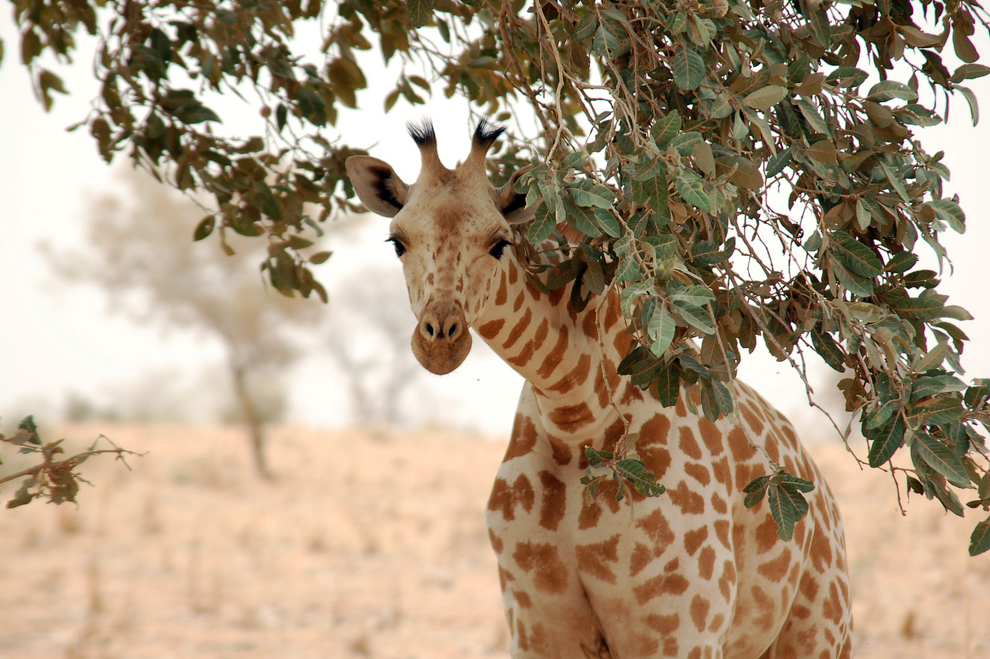
Why This Research Genuinely Interests Human Medical Scientists Too
Given how effectively giraffes manage extreme blood pressure without the organ damage such levels would cause in humans, researchers studying human hypertension and cardiovascular disease have genuinely taken interest in giraffe cardiovascular biology, hoping insights into the species’ natural pressure-management adaptations might eventually inform human medical understanding of blood pressure regulation and related organ protection mechanisms.
Where to Observe Giraffe Behaviour in East Africa
Giraffes are genuinely reliable to observe across Murchison Falls National Park and Lake Mburo National Park, both hosting strong resident populations.
Best Time of Year for Giraffe Viewing
Giraffes are visible year-round given resident populations. See our Uganda best-time guide for how the country’s broader seasons shape wider trip planning.
Photographing Giraffes Drinking or Lowering Their Heads
Capturing the dramatic head-lowering posture required to drink offers genuinely interesting behavioural photography that directly illustrates the cardiovascular challenge the species manages daily. See our camera gear guide for broader equipment recommendations.
What to Pack for Giraffe-Focused Game Drives
Standard game drive gear – neutral clothing, sun protection, and binoculars – covers most of what giraffe viewing requires. If your wider itinerary includes gorilla trekking, our gorilla trekking packing list covers that portion separately.
Why the Splayed-Leg Drinking Posture Genuinely Adds a Further Cardiovascular Consideration
Beyond the vascular pressure-buffering system, the wide, splayed-leg posture giraffes must adopt to drink genuinely also affects blood distribution throughout the body, and researchers believe this posture change itself may factor into the overall physiological adjustment the giraffe cardiovascular system manages during the brief but genuinely demanding drinking process.
How Newborn Giraffe Calves Genuinely Face a Somewhat Different Cardiovascular Challenge
Newborn giraffe calves, genuinely already standing several feet tall at birth, must immediately manage a considerable, though proportionally smaller, version of the same cardiovascular demand adults face, and researchers studying calf physiology have found the necessary heart and vessel adaptations are genuinely present from birth rather than developing gradually as the calf grows, meaning the cardiovascular specialisation is genuinely innate rather than something that develops only with maturity.
Why This Adaptation Genuinely Makes Giraffes a Unique Case Study in Mammalian Physiology
Among all land mammals, giraffes genuinely represent the most extreme documented case of sustained high blood pressure management without associated organ damage, making the species a genuinely unique natural case study that continues attracting considerable ongoing research interest well beyond typical wildlife biology, extending into comparative and human cardiovascular medicine specifically.
Comparing Giraffe Cardiovascular Adaptation to Elephant Physiology
Where elephants face their own considerable physiological challenges related to sheer body mass and heat management, giraffes represent a genuinely distinct evolutionary challenge centred specifically on vertical blood distribution, illustrating how differently two of Africa’s largest herbivores have needed to adapt their internal physiology to accommodate fundamentally different body proportions.
Why Guides Value Explaining This Adaptation to Visitors
Given how easy it is to overlook the considerable physiological demand behind a giraffe simply standing or lowering its head to drink, experienced guides genuinely value explaining the cardiovascular science behind the behaviour, adding real appreciation for one of the animal kingdom’s most remarkable examples of physiological adaptation.
Combining Giraffe Physiology Awareness With a Wider Wildlife Circuit
Giraffe cardiovascular behaviour observation pairs naturally with a broader wildlife-focused itinerary, giving travelers genuine scientific depth alongside standard giraffe sightings.
Why Necking Contests Genuinely Add a Further Cardiovascular Stress Test
During necking contests, males genuinely swing their heavy heads and necks with considerable force while blood pressure remains under the same extreme baseline demand, meaning the cardiovascular system must handle both the standard vertical pressure challenge and the additional physical stress of combat simultaneously, a genuinely demanding combined load few other cardiovascular systems in the animal kingdom would tolerate without serious injury.
How This System Genuinely Compares to How Human Astronauts Manage Similar Pressure Challenges
Interestingly, researchers studying giraffe cardiovascular adaptation have genuinely drawn comparisons to the compression garments and physiological countermeasures human astronauts use to manage blood pressure and circulation changes in altered gravity conditions, since both cases genuinely involve engineering, whether evolved or human-designed, to prevent blood pooling and pressure-related complications under unusual physiological demand.
Why Giraffe Lung Capacity Genuinely Complements the Cardiovascular Adaptation
Beyond the circulatory system itself, giraffes genuinely possess proportionally large lung capacity relative to body size, an adaptation that supports the considerable oxygen demand a heart working this hard against such elevated pressure genuinely requires, meaning the species’ overall respiratory and cardiovascular systems have genuinely evolved together as one fully integrated package rather than the heart adaptation existing in complete isolation from supporting respiratory capacity elsewhere in the body.
Why This Level of Physiological Specialisation Genuinely Limits Giraffe Adaptability
Given how precisely tuned the giraffe cardiovascular system genuinely is to its specific neck-length demand, researchers note the species genuinely has less physiological flexibility to adapt to dramatically different body proportions than a less specialised mammal might, meaning the considerable evolutionary investment in this particular cardiovascular solution genuinely comes with the trade-off of being locked into a body plan that depends on these specific adaptations continuing to function correctly.
Frequently Asked Questions
How high is a giraffe’s blood pressure really?
Roughly double a typical human’s, a level required to pump blood the considerable vertical distance up the neck to the brain.
How does a giraffe’s body prevent this pressure from causing organ damage?
A combination of a thick-walled heart, tight compression-like skin, and thicker blood vessel walls throughout the body.
What happens when a giraffe lowers its head to drink?
A specialised network of blood vessels called the rete mirabile buffers the sudden pressure surge, preventing brain injury.
Do giraffe calves face the same cardiovascular challenge at birth?
Yes – the necessary heart and vessel adaptations are genuinely present from birth rather than developing gradually with growth.
Where can I see giraffes on safari?
Murchison Falls National Park and Lake Mburo National Park both offer genuine opportunities to observe strong resident populations.
Ready to Plan Your Uganda Safari?
Whether observing giraffe behaviour firsthand, wider wildlife viewing, or a full Uganda itinerary is your priority, our team can build a trip matched to your interests. Get in touch with our team below today and let’s start planning your complete Uganda safari itinerary together.




No comment