




Why Do Rhinos Have Such Poor Eyesight?
Rhinos genuinely possess famously poor eyesight, unable to reliably distinguish a stationary human from a tree at distances beyond roughly 30 metres, a genuine sensory limitation the species compensates for through exceptional hearing and an even more acute sense of smell, meaning rhino behaviour genuinely relies on a completely different sensory hierarchy than most other large African mammals depend on.
Why Rhino Vision Is Genuinely So Limited Compared to Other Megafauna
Researchers studying rhino sensory biology have found the species genuinely possesses considerably lower visual acuity than most other large African herbivores, with poor distance vision and limited ability to distinguish fine detail or subtle movement beyond a fairly short range, a genuine anatomical limitation rooted in the structure and positioning of the rhino eye rather than simply reflecting reduced attentiveness or alertness.
How Exceptional Hearing Genuinely Compensates for This Visual Limitation
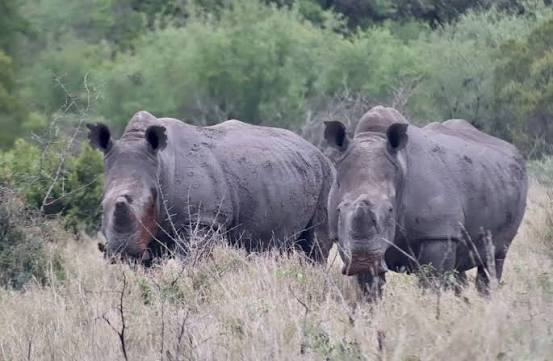
Rhinos genuinely possess considerably more acute hearing than their poor eyesight might suggest, with large, mobile ears capable of rotating independently to pinpoint sound direction, meaning a rhino relies heavily on auditory cues to detect approaching threats or other rhinos well before visual confirmation becomes possible, a genuine sensory compensation strategy that shapes much of the species’ overall behavioural response to its surrounding environment.
Why Smell Genuinely Serves as the Rhino’s Primary and Most Reliable Sense
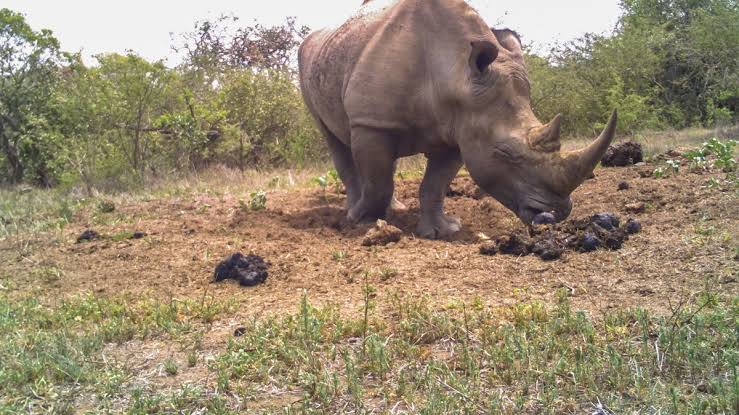
Beyond hearing, a rhino’s sense of smell genuinely represents the species’ most developed and reliable sensory tool, with the animal capable of detecting scent information from considerable distance and using this information to identify other rhinos, assess territorial boundaries through midden scent marking, and detect potential threats, meaning smell genuinely functions as the rhino’s dominant sensory channel rather than vision playing the primary role most other large mammals depend on.
How This Sensory Hierarchy Genuinely Shapes Rhino Defensive Behaviour
Given the species’ limited visual range, rhinos genuinely rely heavily on scent and sound detection to identify threats before they come within visual range, and once a potential danger is detected through these primary senses, a rhino will often charge directly toward the perceived threat’s general location rather than the actual precise position, since visual confirmation genuinely remains unreliable at the distances involved, a behavioural pattern that partly explains why rhino charges can sometimes appear somewhat imprecise or poorly aimed to human observers.
Why Poor Eyesight Genuinely Doesn’t Prevent Rhinos From Being Considerably Dangerous
Despite the visual limitation, rhinos remain genuinely capable of causing serious injury during a charge, since the combination of considerable body mass, genuine speed capability, and acute hearing and smell means the species can locate and close distance on a threat effectively even without relying on precise visual targeting, meaning poor eyesight genuinely doesn’t translate into reduced danger the way it might for a species depending more heavily on vision for effective threat response.
How Oxpecker Birds Genuinely Provide a Practical Supplement to Rhino Vision
Given the species’ visual limitations, the alarm-call benefit oxpecker birds provide genuinely carries particular practical value for rhinos specifically, since the birds’ visual detection and alarm reaction can effectively supplement the rhino’s own reduced ability to visually spot an approaching threat, making the oxpecker relationship genuinely more consequential for rhino safety than for large mammal species with sharper independent eyesight.
Where to Observe Rhino Behaviour in East Africa
Rhinos are genuinely reliable to observe across Lake Nakuru National Park and Ol Pejeta Conservancy, both hosting protected rhino populations with strong tracking and viewing infrastructure.
Best Time of Year for Rhino Viewing
Rhinos are visible year-round given resident populations within protected sanctuary areas. See our regional best-time guide for how seasonal patterns generally affect wider game viewing.
Photographing Rhino Behaviour
Capturing a rhino’s ear positioning as it tracks a sound, or the animal actively scenting the air, offers genuinely interesting behavioural photography beyond a standard resting portrait. See our camera gear guide for broader equipment recommendations.
What to Pack for Rhino-Focused Safaris
Standard game drive gear – neutral clothing, sun protection, and binoculars – covers most of what rhino viewing requires. If your wider itinerary includes gorilla trekking, our gorilla trekking packing list covers that portion separately.
Why Guides Genuinely Adjust Viewing Protocols Given This Sensory Reality
Experienced guides genuinely account for a rhino’s poor eyesight and heightened reliance on smell and hearing when planning viewing distance and vehicle positioning, since approaching from a downwind direction or making unexpected noise genuinely risks triggering a startled defensive response considerably more easily than with species relying more heavily on vision, meaning safe rhino viewing protocol genuinely differs from the approach used with more visually dependent wildlife.
How Rhino Poor Eyesight Genuinely Compares Between Black and White Rhino Species
Both black and white rhino genuinely share this same fundamental visual limitation, meaning the sensory hierarchy favouring smell and hearing over vision applies consistently across both African rhino species despite their considerable differences in size, diet, and typical habitat preference.
Why This Sensory Profile Genuinely Reflects the Rhino’s Evolutionary History
Researchers studying rhino evolutionary biology believe the species’ reduced visual acuity genuinely reflects a considerable evolutionary trade-off, with limited historical predation pressure on adult rhinos, given their genuine size and horn-based defence, reducing the evolutionary pressure toward sharper eyesight compared to smaller, more visually dependent prey species facing constant predator detection demands.
Comparing Rhino Sensory Reliance to Elephant’s More Balanced Sensory Profile
Where elephants genuinely maintain a more balanced combination of reasonably good eyesight alongside exceptional hearing and smell, rhinos represent a genuinely more extreme sensory specialisation, leaning almost entirely on smell and hearing while largely sacrificing visual acuity, a meaningful distinction between two of Africa’s largest herbivore species despite their broadly similar overall body size.
Why Guides Value Explaining This Sensory Limitation to Visitors
Given how often visitors assume rhino behaviour reflects poor attentiveness rather than a genuine sensory limitation, experienced guides genuinely value explaining the species’ actual sensory hierarchy, adding real appreciation for how effectively rhinos navigate their environment despite this considerable visual constraint.
Combining Rhino Viewing With a Wider Big Five Circuit
Rhino sensory behaviour observation pairs naturally with a broader Big Five itinerary, giving travelers genuine behavioural depth alongside the standard sighting.
Why Wind Direction Genuinely Matters Considerably to Rhino Threat Detection
Given how heavily rhinos depend on smell for threat detection, wind direction genuinely plays a critical role in how effectively the species can identify approaching danger, with a rhino positioned downwind of an approaching threat genuinely far more likely to detect it early than one facing an upwind approach, meaning experienced trackers and guides carefully factor wind direction into how they plan any close approach to observed rhino.
How Poor Eyesight Genuinely Affects Rhino Mother-Calf Interaction
Given the reduced reliability of visual tracking, rhino mothers genuinely maintain close physical proximity to calves and rely heavily on vocalisation and scent contact to monitor a calf’s location, a considerably closer physical bond than species with sharper eyesight might require, since visual monitoring alone genuinely wouldn’t provide sufficiently reliable calf-tracking given the mother’s own sensory limitations.
Why Vehicle Approach Technique Genuinely Differs When Tracking Rhino Specifically
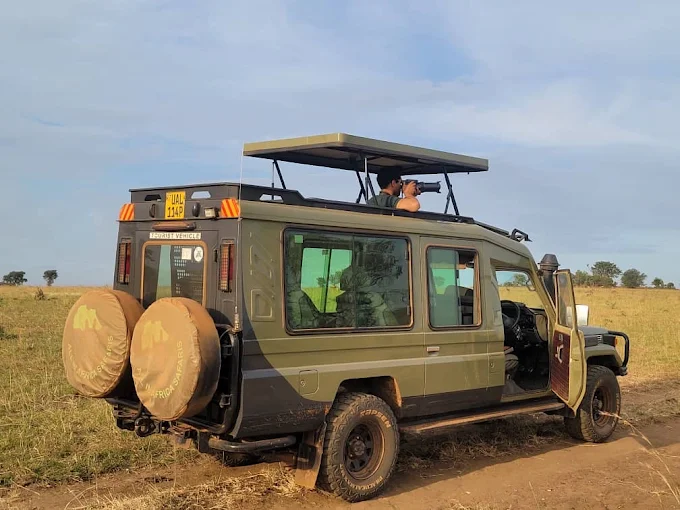
Given rhino sensory reliance, experienced guides genuinely approach a rhino sighting with more deliberate engine noise management and downwind positioning consideration than they might apply for more visually dependent species, since a sudden, unexpected sound or unfavourable wind carrying human scent genuinely risks triggering a startled response considerably more easily than a rhino simply seeing an approaching vehicle from a comfortably safe distance would in the first place.
Why This Sensory Limitation Genuinely Deserves More Attention From Visitors
Given how much a rhino’s actual moment-to-moment behaviour genuinely reflects this specific sensory hierarchy rather than any generic wildlife instinct, understanding the smell-and-hearing-first reality genuinely helps visitors better interpret why a rhino reacts the way it does to a given stimulus, transforming what might otherwise seem like genuinely unpredictable behaviour into a considerably more explainable response rooted directly in the species’ actual sensory experience of its immediate surroundings.
Frequently Asked Questions
How poor is a rhino’s eyesight really?
Genuinely limited – they struggle to reliably distinguish a stationary human from a tree beyond roughly 30 metres.
How do rhinos compensate for their poor vision?
Through exceptional hearing and an even more developed sense of smell, which together form the species’ primary sensory tools.
Does poor eyesight make rhinos less dangerous?
No, genuinely not – considerable body mass and acute hearing and smell still let them locate and close on threats effectively.
Do black and white rhino have the same visual limitation?
Yes – both species share this fundamental sensory profile despite their differences in size, diet, and habitat.
Where can I see rhinos on safari?
Lake Nakuru National Park and Ol Pejeta Conservancy both host protected populations with strong viewing infrastructure.
Ready to Plan Your Kenya Safari?
Whether observing rhino behaviour firsthand, wider Big Five viewing, or a full Kenya itinerary is your priority, our team can build a trip matched to your interests. Get in touch with our team below today and let’s start planning your complete Kenya safari itinerary together.


No comment