
Klipspringers genuinely balance on precipitous rocky outcrops using a combination of uniquely rounded, rubbery hooves and a distinctive habit of standing on tiptoe, adaptations that let this small antelope confidently navigate cliff faces and boulder terrain most other African herbivores would find genuinely impossible to traverse safely.
Why Klipspringer Hooves Are Genuinely Unlike Any Other Antelope’s
Unlike the pointed, splayed hooves most antelope species rely on for stable footing across flat grassland, klipspringers genuinely possess small, rounded, almost cylindrical hooves with a considerably thicker, more rubbery sole, an adaptation that concentrates the animal’s weight onto a genuinely tiny contact surface, functioning much like a climbing shoe’s specialised sole to maximise grip on narrow rock ledges and uneven stone surfaces.
How Standing on Tiptoe Genuinely Improves Balance on Narrow Footholds
Klipspringers genuinely stand and move on the very tips of their hooves rather than the flatter contact most other antelope use, a posture that, combined with the hoof’s rounded shape, lets all four feet genuinely converge onto an area barely larger than a coin when necessary, allowing the animal to balance confidently on rock outcrops and ledges considerably too narrow for any other antelope species to use as secure footing.
Why This Rocky Habitat Specialisation Genuinely Provides a Real Predation Advantage
By confidently occupying genuinely steep, broken rocky terrain most predators struggle to navigate at speed, klipspringers gain a considerable predation advantage, since a pursuing predator attempting the same cliff-face escape route genuinely risks a fall or injury that the klipspringer’s specialised hooves and lighter body weight allow it to avoid, meaning habitat specialisation itself functions as a genuine defensive strategy independent of speed or direct confrontation.
How Klipspringer Pairs Genuinely Maintain Lifelong Monogamous Bonds Within Rocky Territory
Much like dik-dik, klipspringers genuinely form monogamous pairs that defend a shared rocky territory together for life, a social structure that researchers link to the species’ small size and the naturally limited carrying capacity of suitable rocky habitat, meaning a single defensible territory genuinely can only support one breeding pair rather than a larger group, similar to the ecological logic shaping several other small East African antelope species.
Why Klipspringer Fur Genuinely Provides an Additional Practical Advantage
Beyond hoof adaptation, klipspringers genuinely possess an unusual, hollow-shafted fur coat that provides considerable insulation against the temperature extremes common on exposed rocky outcrops, protecting against both intense daytime sun exposure and genuinely cold overnight temperatures at higher elevation, an adaptation that complements the hoof-based climbing ability by letting the species comfortably occupy exposed terrain other antelope would find thermally punishing.
How Klipspringers Genuinely Use Elevated Rocky Positions for Vigilance Too
Beyond escape capability, klipspringers genuinely use their elevated rocky habitat for the same kind of predator-detection vigilance advantage other species achieve through height, meaning the species’ rock-dwelling lifestyle genuinely combines defensive escape terrain and superior sightline into a single integrated survival strategy rather than these functioning as two entirely separate behavioural adaptations.
Where to Observe Klipspringers in East Africa
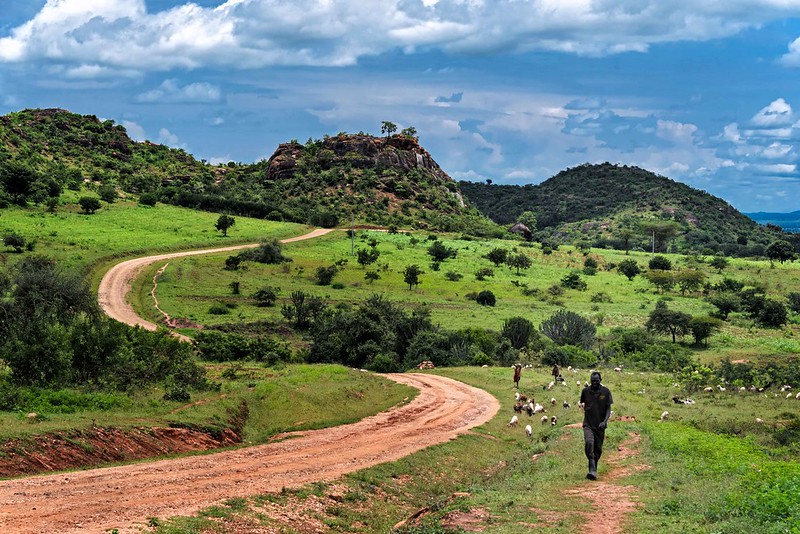
Klipspringers are genuinely reliable to observe across Kidepo Valley National Park’s rocky outcrops, one of the more accessible locations to witness the species’ distinctive balancing ability firsthand.
Best Time of Year for Klipspringer Viewing
Klipspringers are visible year-round given their resident, territorial pairing. See our Uganda best-time guide for how the country’s broader seasons shape wider trip planning.
Photographing Klipspringers on Rocky Outcrops
Capturing a klipspringer perched confidently on a narrow rock ledge offers genuinely striking photographic composition given the dramatic terrain the species typically occupies. See our camera gear guide for broader equipment recommendations.
What to Pack for Rocky-Terrain Wildlife Viewing
Standard game drive gear – neutral clothing, sun protection, and binoculars – covers most of what klipspringer viewing requires. If your wider itinerary includes gorilla trekking, our gorilla trekking packing list covers that portion separately.
Why Klipspringer Scent Marking Genuinely Works Alongside the Rocky Habitat Strategy
Like several other small monogamous antelope, klipspringer pairs genuinely maintain territory boundaries through scent marking via a preorbital gland, and given how physically defined rocky outcrop territory naturally is compared to open grassland, this scent-marking behaviour genuinely helps establish clear boundaries even across terrain where visual boundary markers would be considerably harder to maintain consistently.
How Klipspringer Jumping Ability Genuinely Complements Their Balance Skill
Beyond static balance, klipspringers genuinely possess considerable jumping ability relative to their small size, capable of leaping between rock outcrops separated by genuine gaps a less specialised animal simply couldn’t cross, meaning the species’ overall rocky terrain mastery genuinely combines both precise static balance and dynamic leaping capability rather than relying on either skill set in isolation.
Why Klipspringer Alarm Calls Genuinely Carry Effectively Across Rocky Terrain
Klipspringers genuinely produce a sharp, whistling alarm call that carries effectively across the acoustically reflective rocky terrain they typically inhabit, a vocalisation adapted to alert a mate or nearby individuals across the kind of broken, echo-prone landscape where visual contact between paired individuals isn’t always guaranteed given the terrain’s considerable complexity.
Comparing Klipspringer Rock Specialisation to Dik-Dik’s Grassland Monogamy
While both species genuinely share a broadly similar monogamous social structure, dik-dik occupy dense grassland and bush habitat rather than rocky outcrops, meaning the two species arrived at comparable social solutions through genuinely different habitat specialisations, each shaped by the specific territorial carrying capacity their respective preferred terrain naturally provides.
Why Guides Value Explaining Klipspringer Hoof Adaptation to Visitors
Given how effortless klipspringer balance appears at first glance, experienced guides genuinely value explaining the specialised rounded hoof structure behind the behaviour, adding real appreciation for a physical adaptation easily missed without specific pointing out during a brief sighting.
Combining Klipspringer Viewing With a Wider Kidepo Circuit
Klipspringer viewing pairs naturally with Kidepo’s other distinctive wildlife, including cheetah and ostrich, within the same overall visit to this remote, less-visited park.
Why Klipspringer Digestive Efficiency Genuinely Supports Life on Nutrient-Poor Rocky Terrain
Rocky outcrop habitat genuinely offers considerably less vegetation than open grassland, meaning klipspringers have evolved a genuinely efficient digestive system capable of extracting sufficient nutrition from the sparse, often tough vegetation growing between rocks and along cliff ledges, an adaptation that complements the hoof-based climbing ability by ensuring the specialised habitat choice remains nutritionally viable rather than simply providing safety at the cost of adequate food access.
How Klipspringer Body Proportions Genuinely Differ From Typical Antelope Build
Beyond hoof structure, klipspringers genuinely possess a somewhat stockier, more compact body proportion than most other small antelope, a build that researchers believe provides a genuinely lower centre of gravity better suited to maintaining balance on precarious footing, meaning the species’ overall rock-climbing specialisation extends beyond the hooves alone into broader structural body adaptation.
Why Klipspringer Calves Genuinely Learn Balance Through Extended Practice
Young klipspringers genuinely aren’t born with fully developed rock-navigation skill, instead spending considerable time practising balance and jumping technique on progressively more challenging terrain under parental supervision, a gradual skill-development period broadly comparable to how young eland and other athletically specialised antelope species require practice time before fully mastering their own distinctive physical capabilities.
Why Klipspringer Distribution Genuinely Remains Patchy Across East Africa
Because the species depends so completely on suitable rocky outcrop habitat, klipspringer distribution across East Africa genuinely remains considerably patchier than most other antelope species, occurring only where the right kind of rocky terrain exists rather than spreading continuously across broader savannah landscape, meaning finding klipspringer specifically requires knowing which parks genuinely contain the right kind of rocky habitat rather than simply expecting the species anywhere open grassland happens to be present nearby.
Why This Habitat Specialisation Genuinely Makes Klipspringer Sightings Feel Rewarding
Given how habitat-restricted the species genuinely is, spotting a klipspringer confidently perched on a rocky outcrop tends to feel genuinely more rewarding to experienced safari-goers than more commonly encountered savannah species, a genuine rarity factor that, combined with the visually striking balance display itself, makes the sighting a genuine highlight for visitors who truly understand what they’re actually looking at in that moment.
Frequently Asked Questions
What makes klipspringer hooves so different from other antelope?
Small, rounded, rubbery hooves that concentrate weight onto a tiny contact surface, maximising grip on narrow rock ledges.
Why do klipspringers stand on tiptoe?
It lets all four feet converge onto an area barely larger than a coin, allowing balance on ledges too narrow for other antelope.
Do klipspringers live in pairs like dik-dik?
Yes, genuinely so – they form lifelong monogamous pairs that defend a shared rocky territory together.
Can klipspringers jump between rock outcrops?
Yes – they possess considerable jumping ability relative to their small size, capable of crossing genuine gaps between rocks.
Where can I see klipspringers on safari?
Kidepo Valley National Park’s rocky outcrops offer one of the more accessible locations to observe the species.
Ready to Plan Your Uganda Safari?
Whether observing klipspringer behaviour firsthand, wider Kidepo wildlife, or a full Uganda itinerary is your priority, our team can build a trip matched to your interests. Get in touch with our team below today and let’s start planning your complete Uganda safari itinerary together.

No comment