



Ostriches of Kidepo Valley National Park
Ostrich stride across Kidepo Valley National Park’s open Narus Valley plains, the world’s largest living bird species adding yet another genuinely unique element to a park already famous as Uganda’s only destination for cheetah, making Kidepo’s wildlife checklist unmistakably different from anywhere else in the country.
Why Kidepo Is Uganda’s Only Ostrich Destination
Ostrich depend on genuinely open, expansive grassland habitat unavailable across Uganda’s more forested and wetland-dominated national parks, making Kidepo’s dramatic Narus Valley plains the country’s sole location where this species can reliably be seen. This distinction, shared with Kidepo’s unique cheetah population, reflects the park’s genuinely different ecological character compared to the rest of Uganda’s protected areas.
The World’s Largest Bird in Kidepo’s Landscape
Ostrich are the largest living bird species on Earth, with adult males standing well over two metres tall and capable of running at genuinely remarkable sustained speeds despite their flightless status. This combination of size and speed makes ostrich sightings against Kidepo’s dramatic mountainous backdrop one of the park’s more visually distinctive wildlife encounters.
Where to Find Ostrich in Kidepo
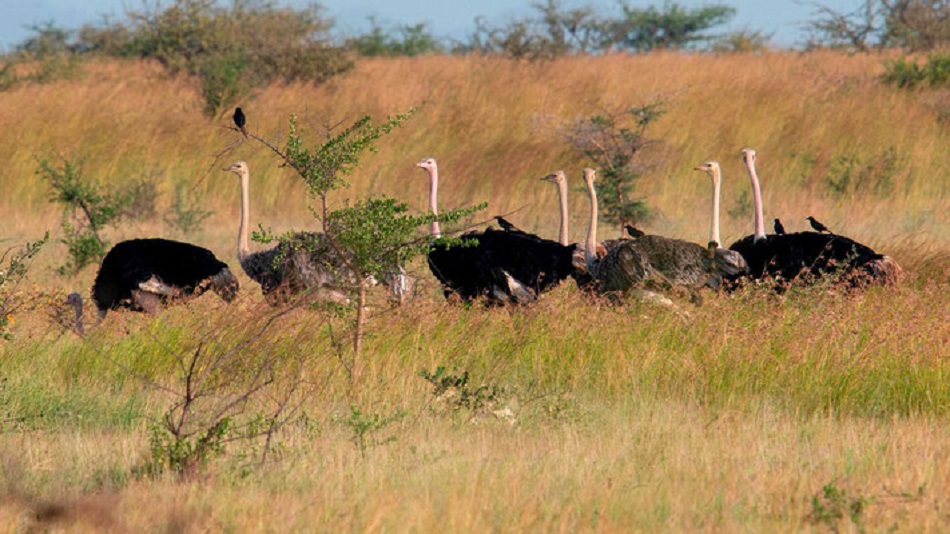
Ostrich range across the Narus Valley’s open plains, favouring the same terrain that suits the park’s cheetah population, given both species’ shared preference for unobstructed sightlines across open ground. Their considerable height means sightings are often possible from a genuinely long distance before a vehicle even approaches.
Male and Female Plumage Differences
Male ostrich display genuinely striking black-and-white plumage, particularly prominent during the breeding season, while females carry a more subdued greyish-brown coat that provides better camouflage while incubating eggs on open ground. This visual distinction makes sexing an ostrich sighting straightforward even for visitors with limited prior birding experience.
Ostrich Speed and Escape Behaviour
Despite being flightless, ostrich are genuinely capable of sustained running speeds that rival or exceed most pursuing predators, using their powerful legs to cover considerable ground quickly when threatened. This speed, combined with a genuinely powerful kick capable of causing real injury to an attacking predator, gives ostrich a real defensive advantage within Kidepo’s shared predator ecosystem.
Ostrich Nesting and Breeding Behaviour
Ostrich nest directly on open ground, with a dominant female often laying eggs in a shared communal nest alongside eggs from other females in the same group, a genuinely unusual cooperative breeding strategy among birds. Both the dominant male and female share incubation duties, with the male typically taking the more vulnerable night shift given his darker plumage’s better camouflage in low light.
Ostrich and Kidepo’s Wider Distinctive Wildlife
Alongside cheetah, ostrich helps make Kidepo Uganda’s most genuinely distinctive national park, hosting species that reflect the park’s connection to East Africa’s drier northern ecosystems rather than the country’s more typically forested wildlife found further south and west.
Best Time of Year for Ostrich Sightings
Ostrich are visible in Kidepo year-round given their resident status across the Narus Valley, making seasonal timing genuinely less critical than for many other Uganda wildlife sightings. See our Uganda best-time guide for how the country’s broader dry and wet seasons still affect wider trip planning.
Self-Drive vs Guided Safaris for Ostrich Viewing
Ostrich are among the more straightforward Kidepo species to locate independently given their considerable height and preference for open terrain, though a guided safari still adds real value in coordinating sightings alongside the park’s other distinctive wildlife. Most visitors combine Kidepo with a wider guided Uganda itinerary given the park’s genuine remoteness.
Photographing Kidepo’s Ostrich
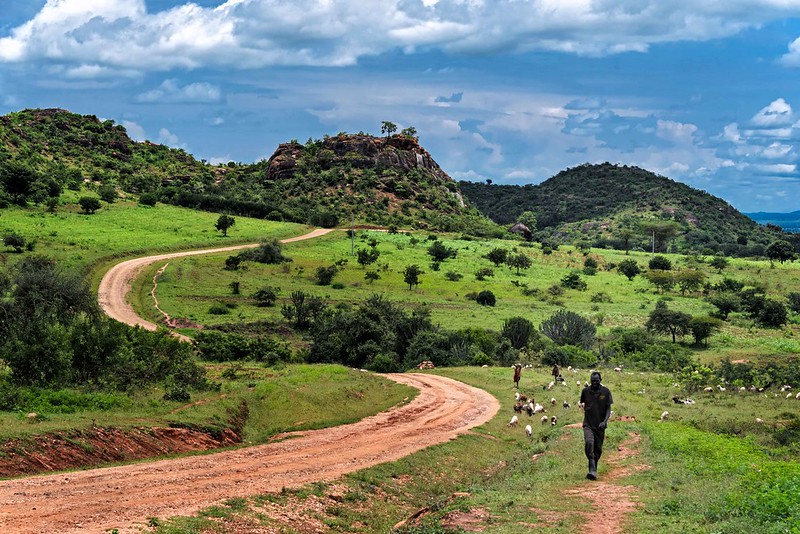
An ostrich silhouetted against the Narus Valley’s dramatic open plains and distant mountain ranges offers a genuinely striking photographic composition unmatched by any other Uganda park. A mid-range zoom covers most sightings comfortably, similar to the gear recommended in our camera gear guide.
What to Pack for a Kidepo Safari
Standard game drive gear – neutral clothing, sun protection, and binoculars – covers most of what the park requires. If your wider itinerary includes gorilla trekking, our gorilla trekking packing list covers that portion separately.
Ostrich Diet and Feeding Behaviour
Ostrich are genuinely opportunistic omnivores, feeding primarily on plants, seeds, and grasses while also consuming insects and small vertebrates when available, a dietary flexibility that suits Kidepo’s semi-arid, drier ecosystem well. They also swallow small stones to aid digestion in a specialised digestive organ, grinding down tough plant material in the absence of teeth.
Combining Ostrich Viewing With Kidepo’s Wider Appeal
Ostrich sightings pair naturally with the park’s remarkable klipspringers and its unique cheetah population, rounding out one of Uganda’s most genuinely distinctive, off-the-beaten-path wildlife destinations anywhere in the country.
Getting to Kidepo Valley National Park
Kidepo sits in Uganda’s far northeastern corner, best reached via scheduled flight from Entebbe given the considerable road distance and travel time involved from Kampala, making air access genuinely the more practical choice for most travelers.
Ostrich Eyesight and Predator Detection
Ostrich possess genuinely exceptional eyesight, with eyes larger than any other land animal relative to body size, allowing them to detect approaching predators across considerable open distance well before most other Kidepo species would notice the same threat. This early-warning capability makes ostrich a genuinely useful indicator species, with other grazing animals sometimes taking cues from a startled ostrich’s sudden flight response.
Chick Development and Vulnerability
Ostrich chicks hatch already covered in down and able to walk within hours, though they remain genuinely vulnerable to predation during their first months, relying on both parents’ vigilance and the chicks’ own naturally cryptic colouring for protection against Kidepo’s lion and hyena populations. Parents can be genuinely aggressive in defending chicks, using their powerful legs and kicks against approaching threats when direct confrontation becomes necessary.
Why Kidepo’s Isolation Preserved This Unique Wildlife
Kidepo’s genuine geographic isolation in Uganda’s far northeastern corner, closer to South Sudan and Kenya than to Kampala, has allowed species more typical of East Africa’s drier northern savannah ecosystems, including ostrich and cheetah, to persist here in a way unmatched anywhere else in the country.
Comparing Kidepo’s Ostrich to Kenya’s Populations
While Amboseli’s ostrich population benefits from a considerably larger connected ecosystem, Kidepo’s status as Uganda’s sole ostrich destination gives sightings here a genuinely unique significance for travelers specifically building a complete East Africa itinerary spanning multiple countries.
Ostrich Social Behaviour
Ostrich typically move in small, loose groups rather than large flocks, sometimes seen grazing alongside the park’s other resident wildlife in mixed-species gatherings that benefit from shared predator vigilance across the Narus Valley’s open terrain.
Best Lodges for Ostrich and Kilimanjaro-Style Photography
Properties within or near the Narus Valley genuinely simplify logistics for travelers specifically prioritising ostrich sightings and Kidepo’s dramatic mountain photography, cutting down on drive time before and after game drives. Discussing lodge location directly with your operator, alongside wider Big Five activity, is genuinely worth doing before finalising your complete Kidepo itinerary.
Why First-Time Uganda Visitors Are Often Surprised
Many travelers researching a standard Uganda gorilla trekking trip are genuinely unaware ostrich exist in the country at all, and discovering Kidepo’s unique wildlife checklist often becomes a compelling reason to extend an itinerary specifically to include this remote northeastern park.
Planning Enough Time for a Kidepo Visit
Given the genuine effort required to reach Kidepo, most operators recommend a minimum stay of two to three nights, allowing sufficient time for multiple game drives across the Narus Valley to genuinely appreciate the park’s full range of distinctive wildlife beyond a single quick pass through the area.
Ostrich Alongside Kidepo’s Genuinely Quiet Game Drives
The park’s remote location translates directly into genuinely quiet, uncrowded game drives, giving travelers genuinely considerably more relaxed, unhurried time to observe ostrich and the park’s other distinctive wildlife compared to more heavily visited, congested East African safari destinations elsewhere in the region.
Ostrich Farming Context Beyond Wild Populations
Beyond their wild presence in parks like Kidepo, ostrich are also commercially farmed across parts of southern and eastern Africa for meat, leather, and feathers, a genuinely different economic context worth knowing alongside their conservation status as wild, protected wildlife within Uganda’s national park system specifically.
Frequently Asked Questions
Is Kidepo really Uganda’s only place to see ostrich?
Yes, genuinely so – Kidepo’s open Narus Valley plains provide the specific habitat ostrich require, unavailable elsewhere in Uganda’s more forested parks.
How tall do ostrich grow?
Adult males can stand well over two metres tall, making them the largest living bird species found anywhere on Earth.
Can I tell male and female ostrich apart?
Yes, males display striking black-and-white plumage, while females carry a more subdued greyish-brown coat suited for nest camouflage.
What’s the best time of year to see ostrich in Kidepo?
Year-round given their resident status across the Narus Valley, making seasonal timing genuinely less critical than for other Uganda wildlife.
Do ostrich share nests?
Yes, genuinely so – a dominant female often incubates a communal nest containing eggs from several females in the same group.
Ready to Plan Your Kidepo Safari?
Whether Uganda’s only ostrich population, its unique cheetah sightings, or a full Uganda itinerary is your priority, our team can build a trip matched to your interests. Get in touch with our team below today and let’s start planning your complete Uganda safari itinerary together.



No comment