




How Do Hornbills Seal Themselves Into a Nest?
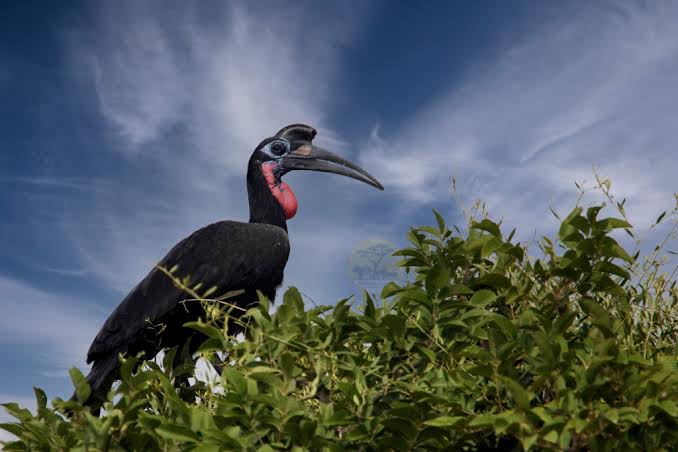
Hornbills genuinely practice one of the most unusual nesting strategies of any bird species, with the female sealing herself inside a tree cavity using a mixture of mud, droppings, and food remains, leaving only a narrow slit through which the male passes food for weeks, a behaviour that provides genuinely exceptional protection from predators at the cost of making the nesting female completely dependent on her mate’s reliability.
Why Sealing the Nest Genuinely Provides Such Effective Predator Protection
Once sealed inside, a female hornbill and her eggs become genuinely almost completely inaccessible to snakes, monkeys, and other tree-climbing predators that would otherwise pose a significant threat to a more conventional open nest, meaning the considerable vulnerability of being sealed in and unable to flee is genuinely offset by near-total protection from the direct physical predation that destroys many other bird species’ nesting attempts each season.
How the Sealing Process Actually Works
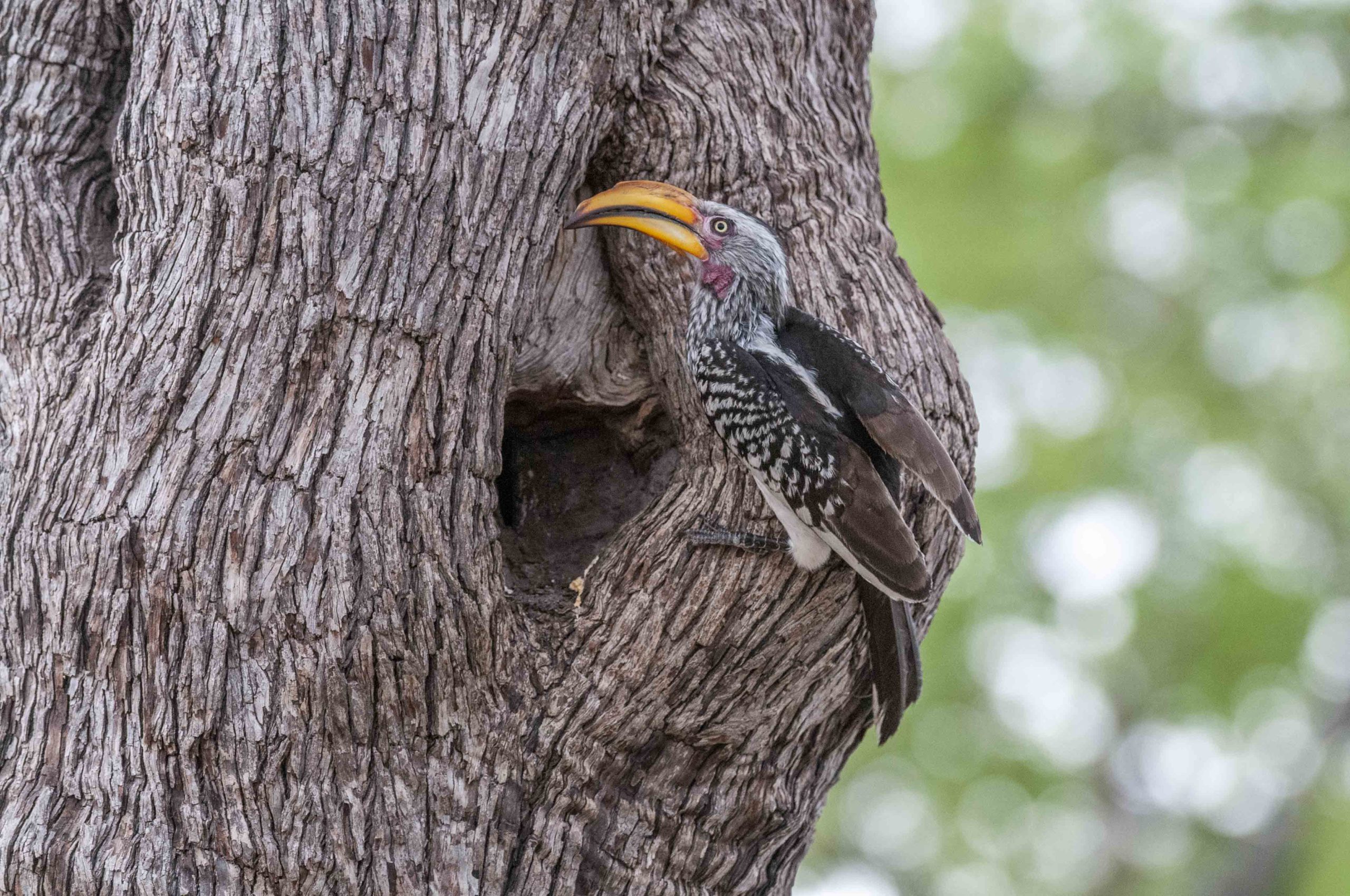
The female genuinely begins the sealing process from inside the cavity, using her own droppings mixed with mud and food scraps to build up a wall across the cavity entrance, leaving only a narrow vertical slit just wide enough for the male to pass food through, a construction process that can take several days and results in a genuinely solid barrier considerably more robust than a casual seal, remaining intact against most physical attempts to breach it from outside.
Why the Male’s Reliability Becomes Genuinely Critical to the Whole Strategy
Because the sealed female genuinely cannot leave to forage for herself throughout the incubation period, sometimes extending several weeks, she becomes completely dependent on the male returning regularly with food, meaning male hornbill provisioning reliability directly determines nesting success, and researchers have documented cases where a male’s death or serious injury during this critical period genuinely leads to the sealed female’s starvation, since she has no independent means of escape or self-sufficiency until the seal is eventually broken.
How and When the Female Genuinely Breaks Out of the Seal
Depending on the specific hornbill species, the female genuinely breaks out of the seal partway through the nesting cycle, sometimes once chicks have hatched and require more food than the male alone can efficiently deliver, at which point she typically reseals the cavity from outside with the chicks remaining sealed inside until they’re developed enough to fledge, meaning the sealing strategy genuinely continues protecting the vulnerable chicks even after the female herself resumes normal foraging activity.
Why Different Hornbill Species Genuinely Vary This Basic Strategy
While the core sealed-nest strategy is genuinely shared across most hornbill species, considerable variation exists in exactly when the female breaks out, how completely the cavity gets resealed, and how long chicks remain sealed before fledging, meaning researchers studying different hornbill species across Africa and Asia have documented a genuinely diverse family of related but distinct nesting strategies built around the same fundamental sealed-cavity concept.
How Cavity Selection Genuinely Shapes Nesting Success
Hornbills genuinely rely entirely on naturally occurring tree cavities, typically created by decay or previous woodpecker activity, rather than excavating their own nest site, meaning suitable cavity availability genuinely limits breeding success in areas where old, cavity-bearing trees have been removed through logging or agricultural clearing, a genuine conservation concern in regions where mature forest habitat has been significantly reduced.
Where to Observe Hornbill Nesting Behaviour in East Africa
Several hornbill species occur across Uganda’s forested parks, including Kibale Forest and forest margins near Queen Elizabeth National Park, offering genuine opportunities to observe nesting cavities and, during the right season, active male provisioning behaviour at a sealed nest site.
Best Time of Year for Hornbill Nesting Observation
Hornbill breeding season timing varies by species and region, and local guides genuinely know current active nest locations best. See our Uganda best-time guide for how the country’s broader seasons shape wider trip planning.
Photographing Hornbill Nesting Behaviour
Capturing a male hornbill delivering food through the narrow nest slit offers genuinely unique behavioural photography rarely seen documented outside dedicated wildlife research. See our camera gear guide for broader equipment recommendations.
What to Pack for Forest Birding Walks
Standard forest trekking gear – sturdy shoes, rain protection, and neutral clothing – covers most of what a birding walk requires, and binoculars genuinely matter more here than for typical mammal-focused game drives. If your wider itinerary includes gorilla trekking, our gorilla trekking packing list covers similar essentials.
Why This Strategy Genuinely Represents an Evolutionary Trade-Off
Researchers studying hornbill reproductive strategy view the sealed-nest behaviour as a genuinely clear evolutionary trade-off, exchanging the female’s temporary complete vulnerability and dependency for dramatically reduced predation risk during the nesting period, a trade-off that has evidently proven successful enough across evolutionary time that the behaviour persists consistently across the majority of the roughly 60 hornbill species found worldwide despite the genuine risk involved if a male fails to provide.
How Researchers Study This Behaviour Without Disturbing Active Nests
Given how sensitive sealed hornbill nests genuinely are to disturbance, researchers studying the behaviour typically rely on remote camera monitoring and careful observation from a distance rather than direct nest inspection, a research approach that has genuinely expanded documented understanding of provisioning frequency and breakout timing considerably over recent decades without risking the kind of nest abandonment direct interference might otherwise cause.
Why Male Hornbill Feeding Frequency Genuinely Varies by Prey Availability
A male hornbill’s feeding visit frequency to a sealed nest genuinely fluctuates based on how readily available local food sources are, with males in resource-rich habitat managing considerably more frequent provisioning trips than those working harder to locate sufficient food during leaner periods, meaning overall nesting success genuinely tracks local habitat quality as much as it does the male’s individual effort or reliability.
Comparing Hornbill Nesting to Other East African Bird Strategies
Where most East African bird species build genuinely more conventional open or woven nests offering some but considerably less complete predator protection, hornbill’s sealed-cavity strategy represents one of the most extreme predator-avoidance nesting adaptations documented among African birds, a genuinely distinctive evolutionary approach setting the family apart from nearly every other bird group sharing the same forest habitat.
Why Guides Value Explaining This Behaviour to Visitors
Given how genuinely unusual and rarely witnessed this behaviour is compared to more visible mammal sightings, experienced guides value explaining the sealed-nest strategy when a nesting cavity is spotted, adding real appreciation for a behaviour many visitors have never encountered described in any other wildlife context.
Combining Hornbill Observation With Wider Forest Birding
Hornbill nesting behaviour observation pairs naturally with wider forest birding activities, since a single guided walk focused on birdlife often turns up several genuinely interesting species within the same outing, alongside colobus monkey and other forest primate sightings within the same walk.
Why This Extreme Parental Investment Genuinely Compares to Other Committed African Bird Strategies
While hornbill sealing represents one of the more extreme examples, other African bird species also display genuinely committed nesting strategies, though few match the complete physical enclosure hornbills undergo, and comparing this behaviour to marabou stork nesting colonies, which rely instead on numbers and height for protection rather than physical sealing, highlights just how varied African bird reproductive strategies genuinely are even among species sharing broadly similar predation pressures.
How Chick Development Genuinely Proceeds Within the Sealed Environment
Hatchlings genuinely develop inside the sealed cavity in near-total darkness, relying entirely on food delivered through the narrow opening, and researchers studying chick growth rates within sealed nests have found development proceeds at a genuinely comparable pace to open-nesting bird species despite the considerably more restricted physical environment, suggesting the darkness and confinement don’t meaningfully impede normal growth so long as adequate food delivery continues consistently throughout the nesting period, a resilience comparable to how crocodile hatchlings develop successfully despite their own considerably different but equally demanding early-life environment within a similarly enclosed, genuinely quite well-protected physical space.
Frequently Asked Questions
Why do hornbills seal themselves into their nest?
It provides near-total protection from tree-climbing predators like snakes and monkeys during the vulnerable incubation and early chick-rearing period.
How does the female get food while sealed inside?
The male passes food through a narrow slit left in the seal, making her completely dependent on his regular provisioning.
When does the female break out of the sealed nest?
Depending on the species, often once chicks have hatched and require more food than the male alone can efficiently deliver.
What happens if the male fails to provide enough food?
Researchers have documented cases where a male’s death or injury during this period leads to the sealed female’s starvation.
Where can I see hornbills on safari?
Several species occur across Uganda’s forested parks, including Kibale Forest, offering genuine opportunities to observe nesting cavities.
Ready to Plan Your Uganda Safari?
Whether forest birding, chimpanzee trekking, or a full Uganda itinerary is your priority, our team can build a trip matched to your interests. Get in touch with our team below today and let’s start planning your complete Uganda safari itinerary together.





No comment