


How Do Cheetah Mothers Raise Cubs Alone?
Cheetah mothers genuinely raise their cubs entirely alone, with no lasting pair bond and zero direct involvement from the male after mating, meaning a single female must simultaneously hunt, nurse, relocate a hidden litter, and defend cubs against lion and hyena predation without any cooperative backup, a level of solitary parental workload considerably heavier than almost any other African predator faces.
Why Male Cheetahs Genuinely Play No Role in Raising Cubs
Unlike lion prides, where resident males provide genuine territorial protection benefiting cubs indirectly, or wild dogs, where the entire pack cooperatively feeds and guards pups, male cheetahs genuinely depart immediately after mating and provide no subsequent care, protection, or provisioning whatsoever, leaving the female to manage every single aspect of cub-rearing independently from birth through eventual independence roughly eighteen months later.
Why Cheetah Cub Mortality Runs Genuinely So High
Researchers studying cheetah reproduction have documented genuinely alarming cub mortality rates, with well over half of all cubs failing to survive their first few months in some studied populations, primarily due to predation by lion and hyena during the extended period a mother must leave cubs hidden and unattended while she hunts, a direct consequence of having no other adult available to guard the den while she’s away.
How Mothers Genuinely Manage the Hunting-Versus-Guarding Trade-Off
A cheetah mother must genuinely balance an impossible trade-off daily: hunting successfully enough to produce sufficient milk for nursing cubs, while minimising the time cubs spend unguarded and vulnerable, and researchers have found mothers genuinely adjust hunting frequency and distance based on cub age, hunting more conservatively and closer to the den while cubs are youngest and most vulnerable, then gradually ranging further as cubs grow and predation risk per individual outing decreases somewhat.
Why Cheetah Mothers Relocate Dens So Frequently
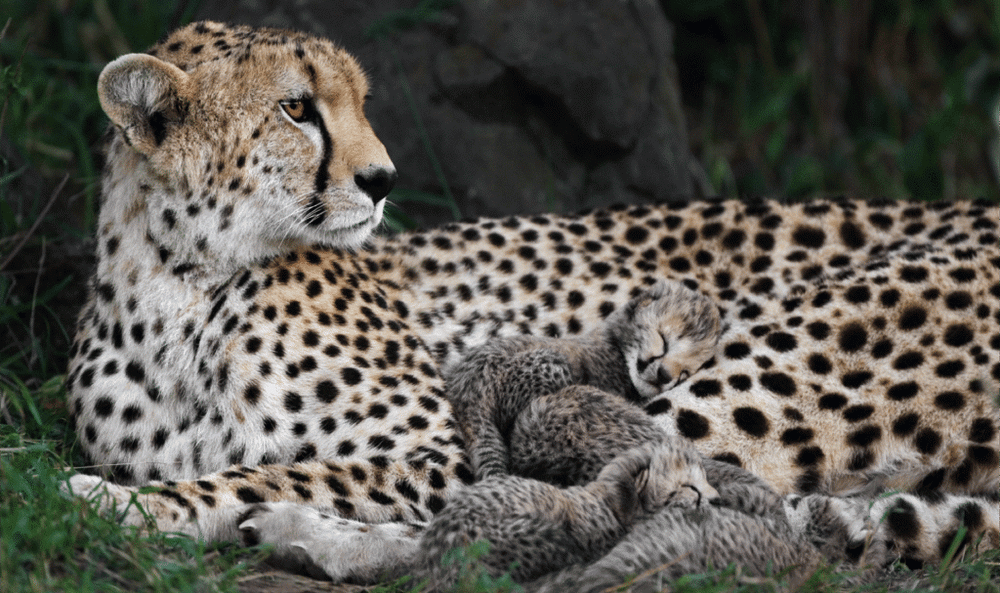
Cheetah mothers genuinely move den sites every few days during a cub’s earliest, most vulnerable weeks, physically carrying cubs one at a time to a new hidden location, a costly, energy-intensive behaviour driven directly by the risk that a predator may have detected the current den’s scent trail, meaning frequent relocation functions as a genuinely active defensive strategy compensating for the complete absence of a second adult who could otherwise stand guard continuously at a fixed location.
How Litter Size Genuinely Reflects This High-Mortality Reality
Cheetahs genuinely give birth to considerably larger litters than most other big cats, often three to five cubs and occasionally more, a reproductive strategy that researchers believe has evolved specifically to offset the species’ unusually high cub mortality rate, meaning a mother’s genuine reproductive investment is spread across enough offspring that losing several to predation still leaves a reasonable chance at least one or two cubs reach independence.
Why Cub Camouflage and Behaviour Also Help Compensate
Young cheetah cubs genuinely display a distinctive smoky grey mantle of long fur along the back and shoulders during their first several months, a marking researchers believe may provide camouflage or mimic the appearance of a honey badger, a considerably more dangerous animal predators tend to avoid, alongside naturally instinctive freezing behaviour when a mother signals danger, both adaptations that genuinely reduce detection risk during the extended periods cubs spend unguarded.
Where to Observe Cheetah Mothers With Cubs in East Africa
Cheetah mothers raising cubs are genuinely reliable to observe across the Serengeti-Mara ecosystem and Kenya’s Ol Pejeta Conservancy and open savannah reserves, both known for strong resident cheetah populations and good visibility across open terrain, avoiding the dense cover that would make locating a genuinely well-hidden litter considerably harder.
Best Time of Year for Cheetah Cub Sightings
Cheetah are visible year-round given resident territories, and cub sightings depend more on a specific mother’s breeding timing than on any predictable seasonal pattern. See our regional best-time guide for how seasonal patterns generally affect wider game viewing.
Photographing Cheetah Mothers and Cubs
Capturing a mother and litter together, particularly cubs displaying their distinctive mantle fur, offers genuinely rewarding photographic opportunities though it requires respecting genuine viewing distance given how vulnerable young cubs are to disturbance. See our camera gear guide for broader equipment recommendations.
What to Pack for Cheetah-Focused Game Drives
Standard game drive gear – neutral clothing, sun protection, and binoculars – covers most of what cheetah viewing requires. If your wider itinerary includes gorilla trekking, our gorilla trekking packing list covers that portion separately.
Why Weaning and Hunting Lessons Genuinely Take Considerable Time
Around three to four months old, cheetah cubs genuinely begin accompanying their mother on hunts, initially observing before gradually attempting their own uncoordinated chases, and this extended teaching period, lasting well over a year, genuinely requires the mother to bring live, injured, or slowed prey back for cubs to practice on directly, a considerable additional hunting burden layered on top of simply feeding herself and the litter, one considerably heavier than the teaching load a solitary adult hunting only for itself ever has to manage.
Why Adolescent Sibling Groups Genuinely Persist After Independence
Once cubs reach independence from their mother around eighteen months, siblings genuinely tend to remain together as a group for several additional months, a transitional social structure that provides some collective vigilance and hunting cooperation benefit during the vulnerable period before individuals eventually disperse to establish separate territories, effectively extending the survival advantage of group living slightly beyond the mother’s direct involvement.
How This Solitary Parenting Compares to Lion Pride Structure
Where lion prides genuinely share cub-rearing responsibility across multiple related females and benefit from resident male territorial defence, cheetah mothers face the entire burden alone, a fundamentally different reproductive strategy that reflects the cheetah’s more solitary overall social structure and its physical build, too lightly framed to risk the kind of close-contact confrontational defence lionesses can mount.
Why Guides Value Explaining This Reality to Visitors
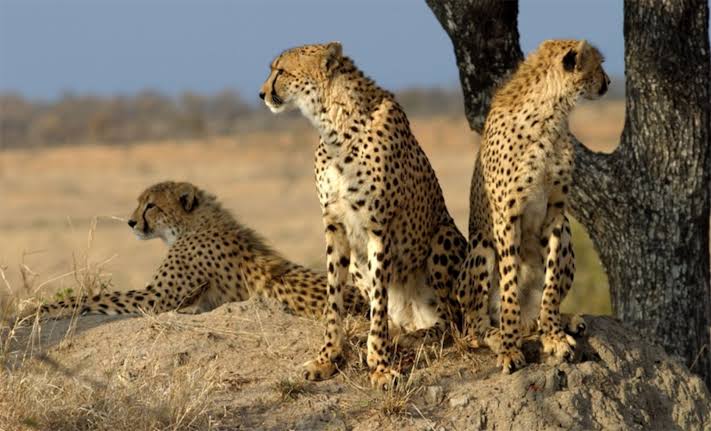
Given how effortless a resting cheetah family often looks on a quiet afternoon, experienced guides genuinely value explaining the considerable ongoing risk and workload behind that peaceful scene, adding real appreciation for just how demanding successful cheetah motherhood genuinely is compared to the more collectively supported parenting other predator species enjoy.
Combining Cheetah Family Viewing With a Wider Predator Circuit
Cheetah mother-and-cub viewing pairs naturally with a broader predator-focused itinerary covering lion and leopard avoidance behaviour sightings within the same overall trip, giving travelers genuine insight into East Africa’s varied predator parenting strategies.
Why Coalition Males Form a Genuinely Separate Social Structure From Mothers
While females raise cubs entirely alone, male cheetahs genuinely often form small, permanent coalitions, typically brothers from the same litter, that hunt and defend territory together for life, a completely separate social pattern from the solitary female lifestyle that gives male cheetahs a cooperative advantage females raising cubs simply don’t have access to, since a coalition can bring down somewhat larger prey and defend territory more effectively than any single male working alone.
Why Researchers Believe This Solitary Strategy Persists Despite the High Cost
Given how genuinely costly solo parenting is in terms of cub mortality, researchers studying cheetah reproductive strategy believe the pattern persists because the species’ body build, optimised almost entirely for speed rather than strength, genuinely can’t support the kind of close-contact group defence lion prides rely on, meaning a shift toward cooperative parenting would require abandoning the very physical specialisation that makes cheetahs successful hunters in the first place, a genuine evolutionary trade-off between raw hunting speed and cooperative safety.
Why Sibling Play Behaviour Genuinely Prepares Cubs for Independent Life
Beyond formal hunting lessons, cheetah cubs genuinely spend considerable time engaged in rough-and-tumble play with littermates, mock chases, ambush practice, and wrestling that researchers believe directly builds the muscle coordination, reaction speed, and social skill each cub will genuinely need once independent, meaning a mother’s parenting role extends beyond direct teaching to simply providing cubs the safety and stable environment needed for this genuinely essential unsupervised practice to happen at all.
Frequently Asked Questions
Do male cheetahs help raise cubs at all?
No, genuinely not – males depart immediately after mating and provide no subsequent care, protection, or provisioning whatsoever.
Why is cheetah cub mortality so genuinely high?
Primarily lion and hyena predation during the extended periods a mother must leave cubs unguarded while hunting alone.
Why do cheetah litters tend to be larger than other big cats?
Larger litters, often three to five cubs, likely evolved to offset the species’ unusually high cub mortality rate.
What is the grey mantle fur young cheetah cubs have?
Distinctive long fur along the back and shoulders in early months, thought to provide camouflage or mimic a honey badger’s appearance.
Where can I see cheetah mothers with cubs on safari?
The Serengeti-Mara ecosystem and Kenya’s open savannah reserves both offer strong resident cheetah populations with good visibility.
Ready to Plan Your East Africa Safari?
Whether observing cheetah family behaviour firsthand, the wider predator dynamic, or a full East Africa itinerary is your priority, our team can build a trip matched to your interests. Get in touch with our team below today and let’s start planning your complete safari itinerary together.




No comment