





Aardwolf of East Africa: The Termite-Eating Hyena Relative
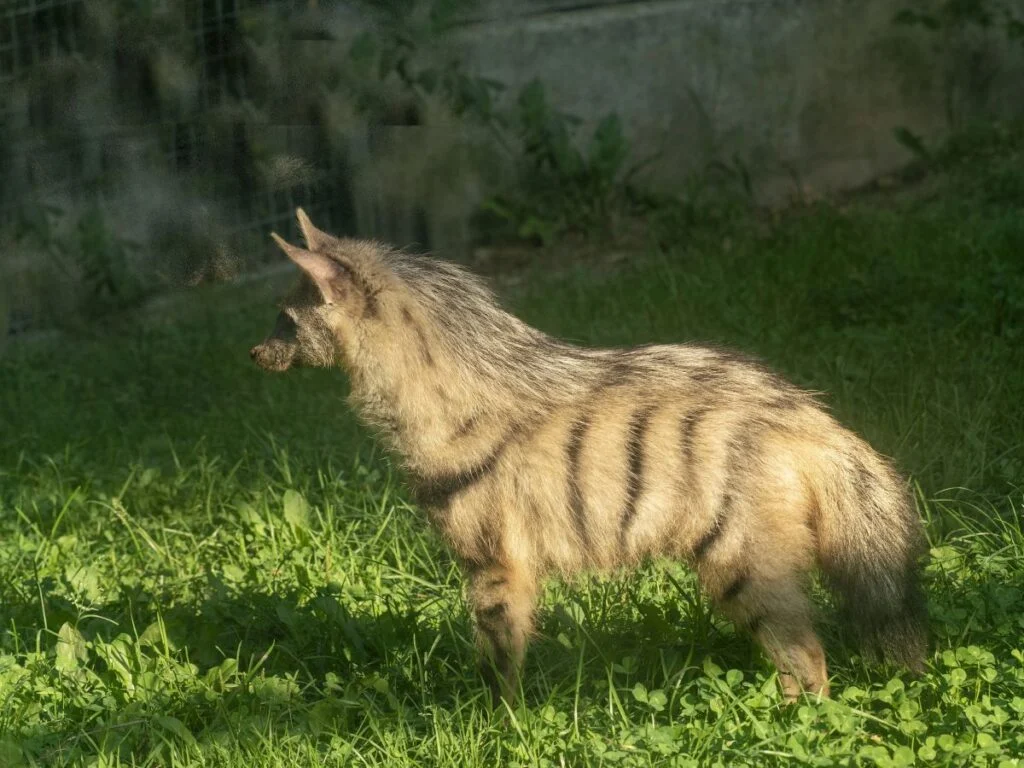
The aardwolf genuinely looks like a small, striped hyena at first glance, and shares the same family, but this shy, nocturnal insectivore has evolved to eat almost nothing but termites, using a genuinely specialised sticky tongue and weakened jaw structure that sets it apart behaviourally and physically from its considerably larger, bone-crushing hyena relatives.
Why the Aardwolf Belongs to the Hyena Family Despite Looking So Different
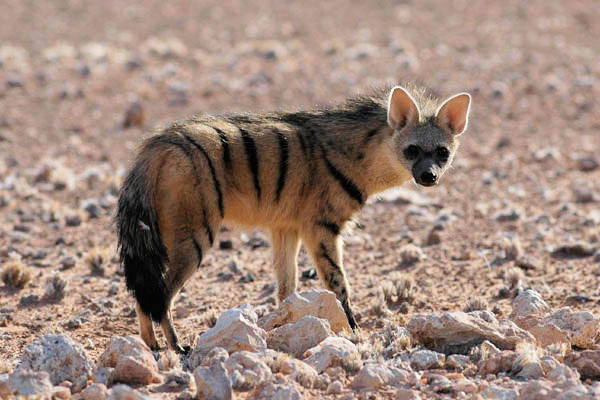
Genetically and taxonomically, the aardwolf is genuinely classified within the same family as spotted, striped, and brown hyena, sharing a common ancestor and several structural similarities including a sloping back and prominent mane along the spine, though the aardwolf’s considerably smaller size, at roughly a quarter the weight of a spotted hyena, and its highly specialised diet mark a genuinely significant evolutionary divergence within the family.
Why Aardwolf Jaws Have Genuinely Weakened Over Evolutionary Time
Unlike spotted hyena, whose jaw and teeth are genuinely powerful enough to crack open bone, the aardwolf’s jaw and teeth have measurably weakened over evolutionary time as the species’ diet narrowed almost exclusively to termites, a soft-bodied food source that simply doesn’t require the crushing power other hyena species maintain, meaning the aardwolf’s teeth are now genuinely small, poorly developed, and largely vestigial compared to its meat-eating relatives.
How the Aardwolf’s Tongue Genuinely Handles Its Termite-Only Diet
An aardwolf genuinely uses a long, sticky tongue to lap up termites directly from the soil surface, consuming tens of thousands of individual insects in a single night’s foraging without ever needing to bite or chew, a feeding method that genuinely resembles anteater or pangolin foraging technique considerably more than it resembles how any other hyena species actually eats.
Why Aardwolves Are Almost Entirely Nocturnal
Aardwolves genuinely forage almost exclusively after dark, timing activity to match when their primary termite prey, particularly harvester termites, are most active on the soil surface, a nocturnal specialisation that, combined with the species’ naturally shy, solitary temperament, makes aardwolf sightings genuinely considerably rarer on standard daytime game drives than sightings of the region’s larger, more visible predators.
How Aardwolves Avoid Direct Competition With Larger Predators
Because aardwolves genuinely feed on termites rather than competing for the same prey base as lion, leopard, or spotted hyena, the species occupies a genuinely distinct ecological niche that avoids direct competition entirely, a specialised feeding strategy that lets aardwolves coexist within the same territory as considerably larger, more dangerous predators without triggering the same territorial conflict other similarly sized carnivores might face.
Why Aardwolf Territory Marking Relies Heavily on Scent
Aardwolves genuinely maintain territory boundaries primarily through scent marking using a specialised anal gland, depositing scent along territory edges in a pattern similar to spotted hyena pasting behaviour, and pairs typically defend a shared territory together, with scent marks reinforced regularly enough that neighbouring aardwolves genuinely tend to avoid direct confrontation by respecting these established boundaries.
Aardwolf Social Structure and Pair Bonding
Unlike spotted hyena’s large, complex matriarchal clans, aardwolves genuinely live in considerably simpler monogamous pairs or small family units, with both parents contributing to raising offspring, a genuinely different social structure that reflects the species’ solitary foraging style and reduced need for the kind of large cooperative group structure that clan-based hyena hunting and defence requires.
Where to Search for Aardwolves in East Africa
Aardwolves occur across suitable savannah habitat throughout the region, including areas within the Serengeti-Mara ecosystem and open grassland zones near Lake Nakuru, though given the species’ nocturnal, shy nature, a dedicated night drive with an experienced guide genuinely offers the best realistic chance of a sighting.
Best Time of Year for an Aardwolf Search
Aardwolves are genuinely present year-round given their resident, territorial status, though a guided night drive specifically timed for active termite foraging periods considerably improves search odds compared to a random, entirely untimed attempt made without local knowledge. See our regional best-time guide for how seasonal patterns generally affect wider game viewing.
Photographing an Aardwolf Encounter
Given how brief and typically distant an aardwolf sighting tends to be, having a camera genuinely ready during a dedicated night drive matters considerably. See our camera gear guide for broader equipment recommendations.
What to Pack for Night Game Drives
Standard game drive gear – neutral clothing, sun protection, and binoculars – covers most of what a night drive requires, and warm layers are genuinely worth packing given how much cooler temperatures drop after dark. If your wider itinerary includes gorilla trekking, our gorilla trekking packing list covers that portion separately.
How Aardwolves Defend Themselves Given Their Genuinely Reduced Bite Force
Since an aardwolf’s weakened jaw genuinely can’t provide much defensive bite force, the species relies instead on scent-based deterrence, releasing a genuinely strong, unpleasant secretion from its anal gland when threatened, alongside raising the mane along its spine to appear larger, a bluff display strategy that substitutes for the physical fighting capability the species has largely lost through its evolutionary specialisation toward termite feeding.
Why Aardwolf Population Density Genuinely Tracks Termite Abundance
Because the species’ entire diet depends on a single narrow food source, aardwolf population density in a given area genuinely correlates closely with local harvester termite abundance, meaning habitat degradation or significant termite population disruption can measurably affect local aardwolf numbers in a way considerably more directly tied to a single prey species than most other African carnivores experience.
Comparing Aardwolf Behaviour to Its Larger Hyena Relatives
Where spotted hyena rely on a sophisticated vocal repertoire to manage complex clan social dynamics, aardwolves genuinely communicate far more minimally, reflecting the considerably simpler social structure a monogamous pair or small family unit requires compared to a large, hierarchically organised clan, a meaningful behavioural divergence within the same taxonomic family driven directly by each species’ different social and dietary strategy.
Why Guides Value Explaining This Species to Visitors
Given how frequently visitors assume any hyena-like animal must be a spotted hyena, experienced guides genuinely value using an aardwolf sighting to explain the species’ surprising termite-only diet and its considerably gentler, non-threatening nature compared to its larger, more intimidating relatives.
Combining an Aardwolf Search With a Wider Night Drive Circuit
A dedicated aardwolf search pairs naturally with wider nocturnal wildlife viewing, since a single night drive focused on smaller, less commonly sighted species often turns up other genuinely interesting animals like bat-eared foxes and servals within the same outing.
Why Aardwolves Are Genuinely Vulnerable to Poisoning Aimed at Other Wildlife
Because aardwolves forage extensively on open ground where farmers sometimes apply pesticides targeting termites or other agricultural pests, the species genuinely faces a real, indirect conservation threat from secondary poisoning, an unintended consequence of pest control practices that has nothing to do with the aardwolf being targeted directly but still measurably affects populations living near agricultural land bordering protected areas.
How Aardwolf Digestion Differs From an Anteater’s Despite the Similar Feeding Style
While an aardwolf’s tongue-based feeding technique superficially resembles an anteater’s, the two species aren’t closely related and genuinely arrived at similar feeding adaptations through convergent evolution rather than shared ancestry, and an aardwolf’s digestive system, still retaining more carnivore-typical structure than a true anteater’s highly specialised gut, processes its termite diet somewhat less efficiently, meaning the species genuinely needs to consume proportionally larger termite quantities relative to body size than true anteaters do to meet its nightly energy requirements across a full foraging session.
Why the Aardwolf’s Conservation Status Remains Genuinely Stable
Unlike several other African carnivore species facing genuine population decline, aardwolf numbers remain relatively stable across most of the species’ range, largely because their specialised termite diet doesn’t put them in direct conflict with livestock farmers the way lion or hyena predation on cattle often does, meaning the aardwolf genuinely avoids much of the retaliatory killing pressure that affects its larger, meat-eating relatives near settled agricultural land bordering many of the region’s protected wildlife areas.
Frequently Asked Questions
Is the aardwolf actually a type of hyena?
Yes, genuinely so – it belongs to the same family as spotted, striped, and brown hyena, though it’s considerably smaller and behaviourally distinct.
What do aardwolves actually eat?
Almost exclusively termites, lapped up with a long, sticky tongue rather than bitten or chewed, given the species’ weakened jaw structure.
Why are aardwolves so hard to spot on safari?
They’re almost entirely nocturnal and naturally shy, making a dedicated night drive genuinely necessary for a realistic chance of sighting one.
Do aardwolves live in large clans like spotted hyena?
No – aardwolves typically live in considerably simpler monogamous pairs or small family units rather than large hierarchical clans.
How do aardwolves defend themselves without a strong bite?
Through a strong-smelling scent secretion and a bluff display of raising their spine mane to appear larger to a threat.
Ready to Plan Your East Africa Safari?
Whether a dedicated night drive, wider predator viewing, or a full East Africa itinerary is your priority, our team can build a trip matched to your interests. Get in touch with our team below today and let’s start planning your complete safari itinerary together.




No comment