
Why Do Zebras Live in Herds?
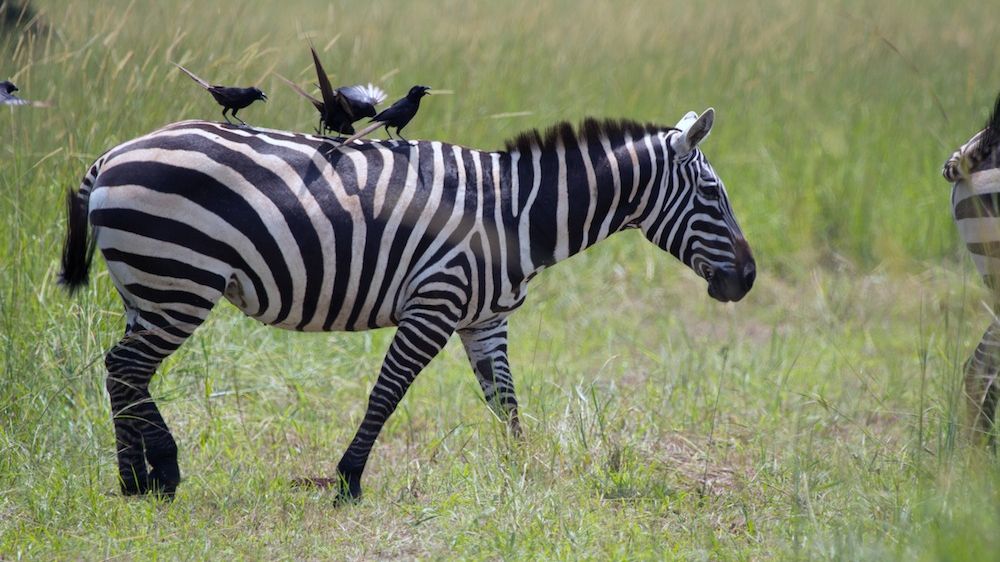
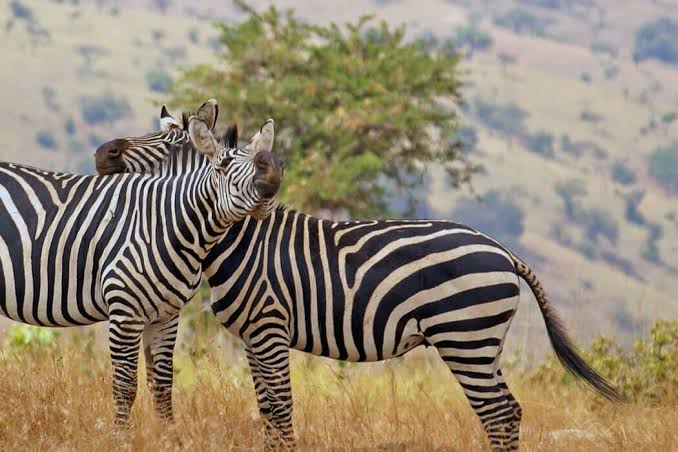
Zebras genuinely live in herds primarily as a defence strategy against predation, since a group of dozens or even hundreds of individuals dramatically improves the odds that any single predator attack fails, through a combination of shared vigilance, confusion created by moving stripe patterns, and simple safety in numbers that a lone zebra could never achieve on its own.
The Basic Family Unit Behind Every Larger Herd
Zebra social structure genuinely starts with a small, stable family group, typically one stallion, several mares, and their offspring, that stays together for years, with the stallion defending the group against rival males and predators while mares maintain their own internal hierarchy. These family units then aggregate into the much larger herds seen migrating or grazing together, meaning a herd of several hundred zebra is genuinely a temporary alliance of many smaller, permanent family groups rather than one undifferentiated mass.
How Shared Vigilance Genuinely Improves Predator Detection
With dozens of individuals grazing together, at any given moment several zebra are genuinely alert and scanning for danger while others feed with their heads down, a division of attention that means a predator attempting to approach undetected faces considerably more eyes, ears, and noses than it would against a single animal. Researchers studying herd vigilance in grazing mammals have found that individual alertness time actually decreases as group size increases, since each zebra can afford to spend more time feeding once shared group vigilance covers the surrounding area collectively.
Why Stripes Genuinely Confuse Predators in a Moving Group
When a herd bolts together, the visual effect of dozens of overlapping black-and-white stripe patterns moving at speed genuinely makes it considerably harder for a pursuing predator, particularly lion, to visually track and lock onto one single individual, a phenomenon researchers refer to as motion dazzle. This effect is thought to specifically disrupt a predator’s ability to judge an individual target’s exact speed and trajectory during a chase, buying the herd genuine additional seconds that can determine whether an attack succeeds or fails.
The Genuine Statistical Safety of Simply Being in a Crowd
Beyond active defence, herd membership also provides a straightforward mathematical benefit sometimes called the dilution effect, since any single predator attack can only target one or a small number of individuals within a herd of hundreds, meaning an individual zebra’s personal odds of being the one caught in a given attack genuinely fall as herd size grows, even without any active cooperative defence taking place at all.
How Zebra Herds Cooperate With Other Species on Mixed Grasslands
Zebra herds frequently graze alongside wildebeest during the migration and alongside other grazers on East Africa’s open plains, a genuinely mutually beneficial arrangement since zebra and wildebeest have different but complementary predator-detection strengths, zebra relying more on sharp eyesight and wildebeest on a stronger sense of smell, meaning a mixed herd genuinely covers more potential threat-detection angles than either species grazing alone would manage.
Why Stallions Take On Disproportionate Defensive Risk
Within a family group, the resident stallion genuinely takes on the most direct defensive role, positioning himself between an approaching predator and the mares and foals, and will actively confront threats including hyena and even lion despite the real personal risk involved, a level of individual risk-taking that reflects how much a stallion’s reproductive success depends on protecting the specific family unit he’s built rather than the wider herd generally.
How Foals Are Protected Within the Herd Structure
Zebra foals are genuinely kept toward the centre of a family group rather than at the vulnerable edges, with mares positioning themselves protectively and the stallion patrolling the group’s perimeter, an arrangement that concentrates the herd’s collective defensive attention on its most vulnerable members during the specific early weeks when a foal’s own speed and stamina haven’t yet developed enough to outrun a determined predator.
Where to Observe Large Zebra Herds in East Africa
Massive zebra herds are genuinely reliable to observe across the Serengeti-Mara ecosystem during migration season, alongside strong resident populations at Lake Mburo National Park, one of the few Ugandan parks where zebra occur naturally, and home to the distinctive stripe pattern variation researchers have documented across different zebra populations.
Best Time of Year for Zebra Herd Viewing
Zebra are visible year-round given resident populations across most East African parks, though migration season offers particularly dramatic large-herd viewing. See our regional best-time guide for how seasonal patterns generally affect wider game viewing.
Photographing Zebra Herd Behaviour
Capturing a herd at speed, stripes blurring together in the motion-dazzle effect the pattern is thought to create, offers a genuinely different photographic challenge than a single static zebra portrait. See our camera gear guide for broader equipment recommendations.
What to Pack for Migration and Herd-Focused Game Drives
Standard game drive gear – neutral clothing, sun protection, and binoculars – covers most of what herd viewing requires. If your wider itinerary includes gorilla trekking, our gorilla trekking packing list covers that portion separately.
Why Zebra Stripe Patterns Are Individually Unique
Beyond their collective predator-confusion function, each zebra’s stripe pattern is genuinely as individually unique as a human fingerprint, a detail researchers believe may also help foals visually recognise and stay close to their own mother within a large, densely packed, visually similar herd, adding an individual-recognition function on top of the pattern’s better-known group-level defensive role.
How Herd Size Actually Changes With Season and Location
Zebra herd size genuinely fluctuates considerably depending on season and location, with the largest aggregations, sometimes numbering in the thousands, forming during migration season when multiple family groups converge along the same grazing and water routes, while resident, non-migratory populations like those at Lake Mburo typically maintain considerably smaller, more consistent group sizes year-round given the lack of the same seasonal pressure to aggregate.
Why Bachelor Male Zebra Form Their Own Separate Groups
Young males that leave their birth family group before establishing their own harem genuinely form separate all-male bachelor groups, a distinct social arrangement that provides some of the same vigilance and safety-in-numbers benefits as a family herd while these males mature and eventually compete for the opportunity to challenge an established stallion or attract mares of their own.
How Zebra Communicate Alarm Within the Herd
Zebra genuinely use a combination of body posture, ear position, and a distinctive barking alarm call to alert the wider herd to danger, a rapid communication system that lets awareness of an approaching predator spread from the individual who first spots the threat to the rest of the group within seconds, giving even zebra positioned with their backs to the danger time to react before a predator closes the remaining distance.
Comparing Zebra Herd Behaviour to Wildebeest
While both species form large defensive herds and migrate together, wildebeest herds are generally considerably larger and less structured around stable family units than zebra, whose smaller stallion-led groups persist as a recognisable core even within a much larger mixed aggregation, a genuine structural difference between the two species’ otherwise broadly similar migratory herding strategy.
Why Guides Value Explaining Herd Structure to Visitors
Given how easy it is to see a large zebra herd as one undifferentiated mass, experienced guides genuinely value pointing out the smaller family units within it, helping visitors recognise a specific stallion defending his mares or a foal staying close to its mother, adding real behavioural depth to what might otherwise register as simply “a lot of zebra.”
Combining Zebra Herd Viewing With a Wider Migration Circuit
Large zebra herds pair naturally with a broader Serengeti-Mara migration itinerary, giving travelers the chance to witness both species’ complementary herding strategies within the same overall trip, alongside the region’s Big Five wildlife that shares the same open plains.
Why Zebra Herds Also Rely on Lake Mburo’s Smaller Antelope Neighbours
At Lake Mburo specifically, zebra graze alongside a genuinely dense population of smaller antelope including impala, whose own alarm behaviour and scent-based territorial signals add yet another layer of early-warning coverage to the wider mixed-species grassland community, meaning even a park without lion still benefits considerably from this kind of layered, multi-species vigilance network built entirely around shared grazing ground.
Frequently Asked Questions
Why do zebras live in such large herds?
Primarily for predator defence – shared vigilance, the dilution effect of numbers, and the visual confusion created by moving stripe patterns all improve survival odds.
What is the “motion dazzle” effect?
The visual confusion created when many overlapping stripe patterns move together at speed, making it harder for a predator to track and target one individual.
Are zebra herds made up of one big group or smaller families?
Smaller, stable family units, typically one stallion and several mares, that aggregate into much larger temporary herds for grazing and migration.
Do zebra stripe patterns help with individual recognition too?
Yes, likely so – each pattern is as unique as a fingerprint, potentially helping foals recognise their own mother within a large herd.
Where can I see large zebra herds on safari?
The Serengeti-Mara ecosystem during migration season, and Uganda’s Lake Mburo National Park for a reliable resident population.
Ready to Plan Your East Africa Safari?
Whether observing zebra herd behaviour firsthand, the wildebeest migration, or a full East Africa itinerary is your priority, our team can build a trip matched to your interests. Get in touch with our team below today and let’s start planning your complete safari itinerary together.

No comment