


Side-striped jackal move through Queen Elizabeth National Park’s denser woodland and forest fringe in genuinely close-knit monogamous pairs, their pale flank stripe and white-tipped tail setting them apart from the more commonly seen black-backed jackal found across the park’s open savannah, and making a confirmed sighting a genuinely worthwhile addition to a longer game drive.
Identifying Side-Striped Jackal
Side-striped jackal carry a genuinely distinctive pale, indistinct stripe running along each flank from shoulder to hip, bordered above and below by faint darker lines, a marking considerably subtler than the sharp black saddle that defines black-backed jackal. The most reliable field mark at any distance, though, is the tail: side-striped jackal carry a distinctly white tip, while black-backed jackal’s tail ends in black, a detail visible even when the flank stripe itself is hard to make out in low light or thick grass.
Why Side-Striped Jackal Favour Denser Habitat
Unlike black-backed jackal, which thrive on the park’s open plains, side-striped jackal genuinely prefer denser woodland, riverine thicket, and forest-edge habitat, particularly around the Kazinga Channel’s papyrus-lined margins and the transitional bushland bordering Queen Elizabeth’s crater areas. This habitat preference reflects a genuinely different foraging strategy built around cover and ambush over the open-ground vigilance black-backed jackal rely on, and it’s the main reason the two species rarely compete directly for the same territory within the park.
Diet: A Genuinely Broader Palette Than Black-Backed Jackal
Side-striped jackal are markedly more omnivorous than their black-backed relatives, with fruit, insects, and even carrion making up a genuinely larger share of the diet alongside the rodents and small mammals both species hunt. Researchers studying stomach contents across East African populations have found fruit and invertebrates sometimes accounting for close to half of a side-striped jackal’s intake during wetter months, a dietary flexibility that lets the species persist in forest-edge habitat where small vertebrate prey is considerably scarcer than on open grassland.
Monogamous Pairs and Genuinely Cooperative Pup-Rearing
Like black-backed jackal, side-striped jackal form long-term monogamous pairs, with both parents actively provisioning a den and, in many documented cases, older offspring from a previous litter remaining with the family for a season specifically to help raise the next set of pups. This helper-based system genuinely improves pup survival, since a den left briefly unguarded while both parents forage is a serious vulnerability, and a third adult on watch closes that gap.
A Genuinely Quieter, More Elusive Species
Side-striped jackal are considerably more nocturnal and less vocal than black-backed jackal, producing a softer, more subdued call rarely heard carrying across open ground the way a black-backed jackal’s yip does. Combined with their preference for cover, this makes them a genuinely harder species to locate deliberately; most sightings happen as a brief, unplanned glimpse along a forested park road at dusk rather than a tracked, anticipated encounter.
Side-Striped Jackal and Queen Elizabeth’s Wider Predator Guild
Side-striped jackal generally avoid direct competition with the park’s larger predators, including its resident lion prides and spotted hyena clans, by occupying the denser cover those larger species use less intensively, though a side-striped jackal will still readily scavenge scraps from a kill once bigger competitors have moved off, particularly under cover of night when the risk of direct confrontation is lower.
Best Time of Year and Time of Day for Sightings
Side-striped jackal are resident year-round, so seasonal timing matters less here than time of day: dusk and the first hour after dark, when the species becomes genuinely more active, offer the best realistic odds, meaning a late-afternoon game drive that runs into early evening is worth prioritising over a strictly daytime circuit. See our Uganda best-time guide for how the country’s broader dry and wet seasons still shape wider trip planning.
Self-Drive vs Guided Safaris
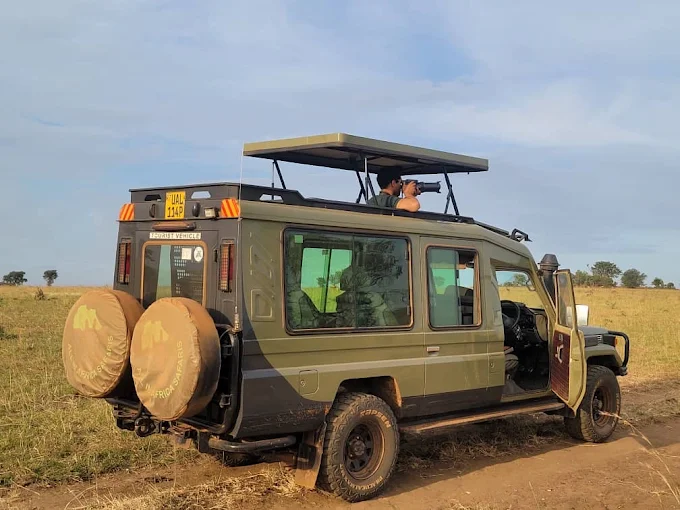
Given how much the species depends on dense cover and low light, a guided safari genuinely improves the odds here, since experienced guides know specific forest-edge stretches along the Kazinga Channel and crater roads where side-striped jackal have recently been active, information rarely available to a self-drive visitor working from a standard park map alone.
Photographing Side-Striped Jackal
Low light is the defining challenge: a fast lens and a willingness to push ISO considerably higher than a standard midday game drive shot requires will matter more here than reach, since most sightings happen at dusk in shaded woodland rather than open, well-lit grassland. See our camera gear guide for broader equipment recommendations suited to low-light East African wildlife photography.
What to Pack for a Queen Elizabeth Safari
Standard game drive gear – neutral clothing, sun protection, and binoculars – covers most of what the park requires, and a light layer is worth having for an evening drive or the Kazinga Channel boat cruise given how quickly temperatures drop after sunset. If your wider itinerary includes gorilla trekking, our gorilla trekking packing list covers that portion separately.
Combining Side-Striped Jackal Viewing With the Kazinga Channel
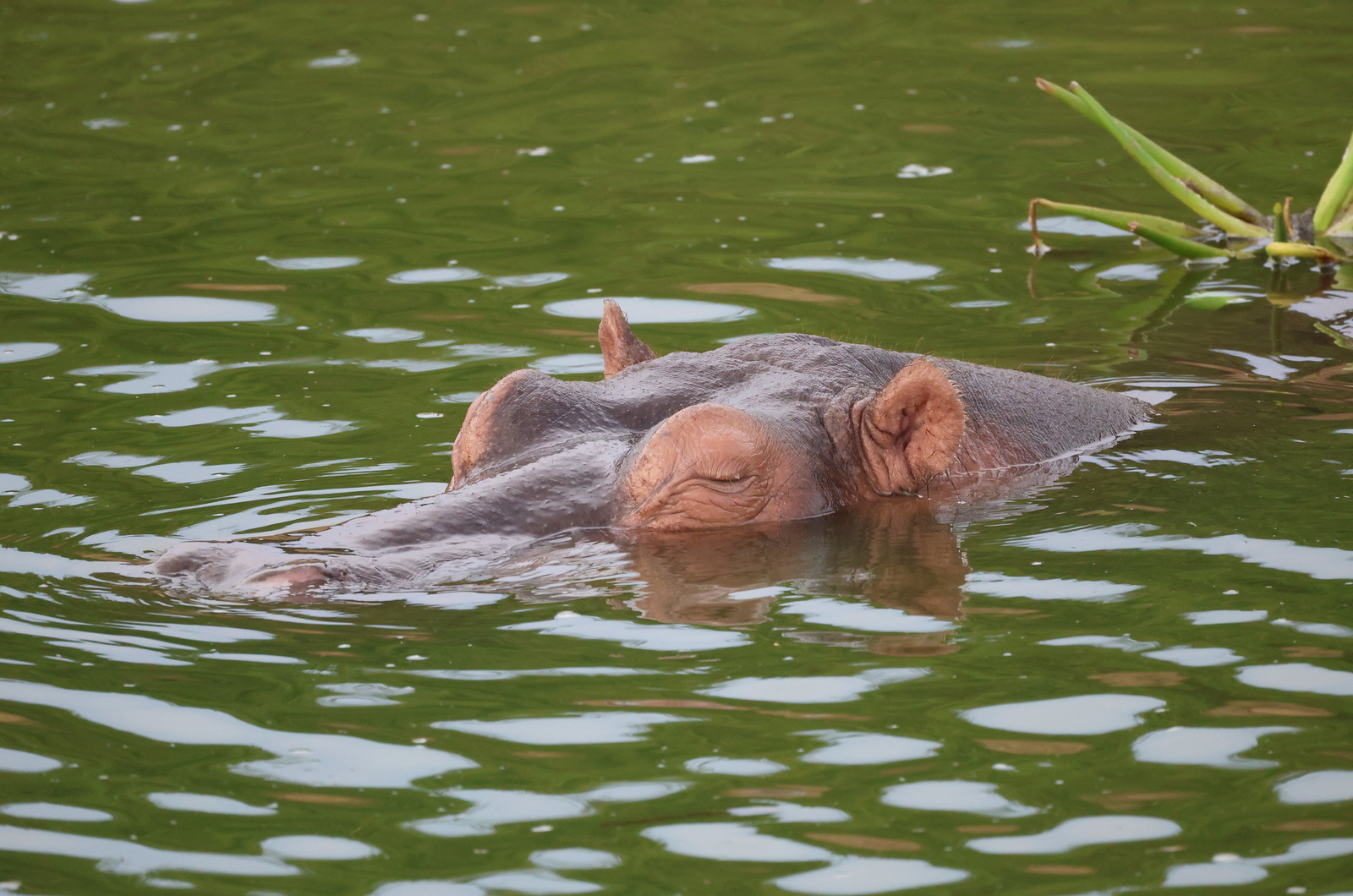
The channel’s papyrus-fringed banks are one of the more reliable stretches within the park for this species, meaning a Kazinga Channel boat cruise or a drive along the road paralleling it genuinely doubles as one of the better side-striped jackal search strategies available, alongside its usual hippo and crocodile appeal.
Getting to Queen Elizabeth National Park
Queen Elizabeth sits within a comfortable drive of western Uganda’s main tourism circuit, commonly reached en route between Kibale Forest and Bwindi Impenetrable National Park, making it a natural inclusion on longer itineraries combining multiple parks and primate destinations.
Territory Size and Why It’s Genuinely Larger Than You’d Expect
A mated pair typically defends a home range considerably larger than their small body size might suggest, often several square kilometres depending on how fragmented the woodland cover is within that stretch of park, since a pair needs enough dense habitat patches strung together to forage, den, and avoid the open ground where larger predators have the advantage. Where Queen Elizabeth’s woodland is more broken up by crater grassland, pairs tend to hold noticeably larger, more elongated territories tracing the available cover corridors rather than a simple circular range.
How Vocalisations Actually Differ From Black-Backed Jackal
Where black-backed jackal produce a sharp, far-carrying yip-howl used to advertise territory across open ground, side-striped jackal rely on a considerably softer, lower contact call exchanged at close range between a mated pair, plus an occasional higher-pitched alarm bark when genuinely startled. Guides who’ve spent years in the park describe the difference as the black-backed call being built to travel and the side-striped call being built to stay private within a den’s immediate vicinity, a distinction that matches each species’ broader strategy of either advertising presence on open ground or staying genuinely inconspicuous in cover.
Pup Development and the Den Site Itself
Dens are typically an enlarged aardvark or warthog burrow rather than one the jackals dig themselves, reused and expanded season after season if it remains undisturbed, with pups staying underground for their first three to four weeks before beginning short supervised trips outside. During this period the helper offspring from a previous litter, when present, take on genuine guarding duty at the den entrance while both parents forage separately, a division of labour that means a den is rarely left completely unwatched even though the adult pair themselves are away for hours at a stretch each night, a cooperative pattern echoed among the park’s other small carnivores that raise young communally.
Why This Species Rewards Slowing Down
Because sightings are typically brief, a guide who stops the vehicle and waits quietly for several minutes near a suspected den site or fresh track, rather than continuing on immediately, genuinely improves the odds of the pair re-emerging once they judge the vehicle isn’t an active threat, a patience-based approach considerably more effective here than with the park’s bolder, more habituated lion prides.
Frequently Asked Questions
How do I tell a side-striped jackal from a black-backed jackal?
The white-tipped tail is the most reliable field mark; black-backed jackal have a black-tipped tail and a sharper, darker saddle marking than side-striped jackal’s faint flank stripe.
Why are side-striped jackal harder to spot than black-backed jackal?
They favour denser cover, are more nocturnal, and vocalise less, making chance sightings along forested roads at dusk more typical than a deliberately tracked encounter.
What do side-striped jackal eat?
A genuinely broad omnivorous diet including fruit and insects alongside small mammals, with fruit sometimes making up close to half their intake during wetter months.
When is the best time to look for them?
Dusk and the first hour after dark, given the species’ more nocturnal activity pattern compared to black-backed jackal.
Where in Queen Elizabeth are they most reliably seen?
The Kazinga Channel’s papyrus-fringed margins and denser crater-area bushland offer the strongest odds within the park.
Ready to Plan Your Queen Elizabeth Safari?
Whether tracking down the park’s elusive side-striped jackal, its famous tree-climbing lions, or a full Uganda itinerary is your priority, our team can build a trip matched to your interests. Get in touch with our team below today and let’s start planning your complete Uganda safari itinerary together.

No comment