
Why Do Lions Have Manes? The Science Behind Them
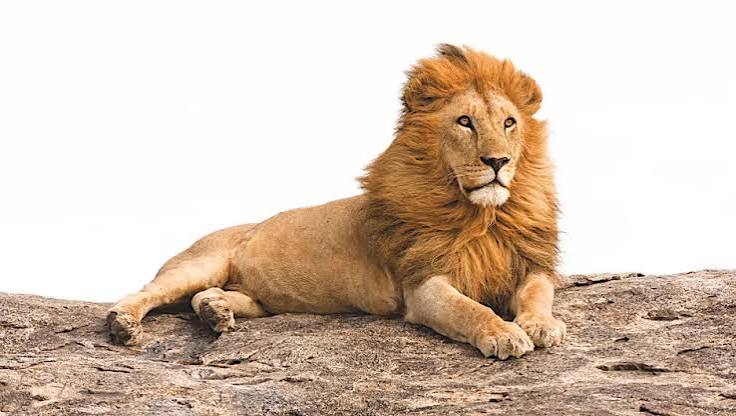
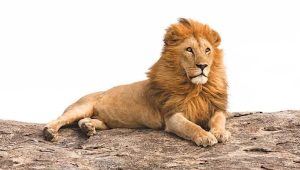
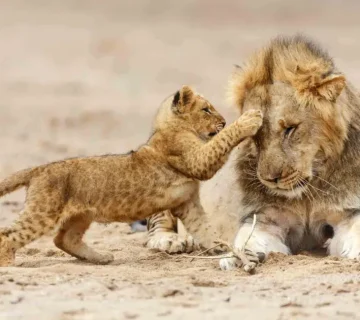
A male lion’s mane serves genuinely important social and reproductive functions well beyond simple visual drama, signalling health, age, and fighting ability to both rival males and potential mates, making it one of the animal kingdom’s more scientifically studied secondary sexual characteristics.
The Mane as an Honest Signal of Fitness
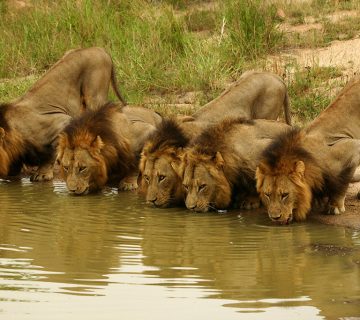
Research has genuinely shown that mane size, darkness, and fullness correlate directly with a male lion’s overall health, testosterone levels, and fighting success, making the mane what biologists call an “honest signal,” a trait that genuinely cannot be faked and reliably communicates real underlying quality to rivals and potential mates alike.
Why Darker Manes Attract More Female Attention
Studies conducted on wild lion populations have found that females genuinely show a measurable preference for males with darker, fuller manes, likely because darker manes correlate with higher testosterone and better overall body condition, making mane colour a genuinely meaningful factor in mate selection rather than a purely aesthetic trait.
How Manes Function in Male-to-Male Competition
Beyond attracting females, a mane genuinely serves a protective function during fights between rival males, providing a layer of padding around the neck and shoulders that can help absorb bites and claws during territorial confrontations, a genuinely practical defensive benefit alongside the trait’s signalling role.
Why Mane Size Varies So Considerably Between Regions
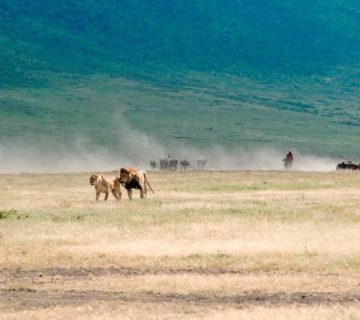
Lion manes vary genuinely dramatically across different populations and climates, with lions in cooler, higher-altitude regions like the Ngorongoro Crater typically developing fuller, darker manes than lions in hotter, more open savannah environments, where excessive mane growth could genuinely increase the risk of overheating.
The Genuine Trade-Off Between Mane Size and Heat Stress
A larger, fuller mane genuinely increases a male lion’s risk of overheating, particularly in hotter climates, creating a real evolutionary trade-off between the reproductive and competitive advantages a large mane provides and the genuine physiological cost of carrying that additional insulation in intense heat.
When Do Male Lions Develop Their Mane?
Young male lions begin developing a visible mane around one to two years of age, with full mane development typically continuing until around four to five years old, meaning mane fullness genuinely serves as a rough, if imperfect, indicator of a male’s approximate age to both researchers and other lions alike.
Maneless Lions: A Genuine Exception
Certain lion populations, most notably in Tsavo, Kenya, are famous for producing males with genuinely minimal or entirely absent manes, a population-specific trait likely linked to the region’s hot climate and dense thorny vegetation, where a full mane would create genuine practical disadvantages during hunting through thick bush.
Where to Observe Maned Lions in East Africa
Maned lions can genuinely be observed across most of East Africa’s major lion destinations, including the Serengeti, Tarangire, and Queen Elizabeth National Park, offering genuine opportunities to compare mane variation across different populations and climates.
Best Time of Year for Lion Viewing
Lions are visible year-round given resident pride territories across East Africa’s major parks. See our regional best-time guide for how East Africa’s seasonal patterns generally affect wider game viewing.
Photographing Maned Lions
Capturing a full, dark mane in dramatic backlit sunrise or sunset light offers one of Africa’s more genuinely iconic wildlife photography opportunities. A mid-range zoom covers most sightings comfortably, similar to the gear recommended in our camera gear guide.
What to Pack for Lion-Focused Game Drives
Standard game drive gear – neutral clothing, sun protection, and binoculars – covers most of what lion viewing requires. If your wider itinerary includes gorilla trekking, our gorilla trekking packing list covers that portion separately.
How Scientists Study Mane Variation
Researchers studying lion manes have used long-term field observation combined with hormone testing and genetic analysis to genuinely establish the connections between mane characteristics and underlying fitness indicators, building a considerably more precise scientific understanding than earlier assumptions based purely on visual observation alone.
Mane Colour Changes Throughout a Male’s Life
A male lion’s mane genuinely darkens progressively with age, meaning colour alone can offer guides and researchers a rough approximate indicator of a specific male’s maturity, with younger males typically displaying lighter, sparser manes that gradually fill in and darken as testosterone levels rise through subsequent years.
Why Injured or Unhealthy Males Show Visibly Different Manes
A male lion recovering from injury, illness, or the stress of a recent territorial takeover often displays a genuinely visibly thinner, less lustrous mane during the recovery period, reflecting how directly overall body condition translates into mane quality, making the trait a genuinely reliable real-time indicator of a specific individual’s current health status.
The Social Cost of Maintaining a Large Mane
Beyond the physiological heat-stress cost, maintaining a large, dark mane also carries a genuine social cost, since more visually dominant males attract greater challenge from rival males seeking to displace them, meaning the very trait that attracts mates also genuinely increases the frequency of dangerous territorial confrontations a male must survive.
Comparing Lion Manes to Other Big Cat Adornments
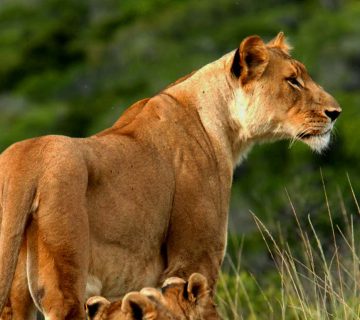
Unlike lion, leopard and other African big cats lack any comparable mane structure, making the lion’s mane a genuinely unique trait among Africa’s large cat species, one directly tied to the species’ distinctly social, pride-based structure rather than the more solitary lifestyle typical of other cats.
Why Pride Takeovers Highlight Mane Significance
When a new coalition of males successfully challenges and takes over an established pride, the incoming males’ mane quality often plays a genuinely direct role in the outcome, with females showing measurable preference for accepting new dominant males displaying visibly superior mane characteristics compared to the previous, defeated pride leaders.
What Guides Look For When Assessing a Male’s Age
Experienced guides genuinely use mane fullness, darkness, and overall condition as one of several visual cues for estimating a specific male lion’s approximate age and social status within a pride, combining this observation with other factors like scarring and overall body condition for a fuller behavioural picture.
Why Understanding This Adds Genuine Depth to a Lion Sighting
Learning to read mane characteristics transforms a standard lion sighting into a considerably more scientifically engaging encounter, allowing travelers to make genuinely informed observations about a specific male’s likely age, health, and social standing within the wider pride structure during a single game drive.
Why Some Female Lions Have Been Observed With Manes
In genuinely rare, documented cases, female lions have been observed developing mane-like growth, most notably within a specific population in Botswana, a condition linked to elevated testosterone levels and offering researchers a genuinely fascinating natural experiment into the hormonal drivers behind mane development across the species more broadly.
Best Lodges for Observing Maned Lion Prides
Properties positioned within established pride territories in destinations like the Serengeti or Ngorongoro Crater genuinely improve the odds of extended, close-range viewing of a dominant maned male, given how much this experience depends on camp proximity to a currently active pride’s core territory.
How Coalition Males Compare Manes Within a Group
When multiple related males form a coalition to jointly hold a pride territory, genuinely noticeable mane differences often exist between individual coalition members, reflecting natural variation in age, health, and hormonal status even among closely related brothers who otherwise share considerable genetic similarity and cooperative social bonds.
Why This Knowledge Enhances Repeat Safari Visits
Travelers returning to the same park or reserve on a subsequent trip often find genuine value in tracking how a specific known male’s mane has changed between visits, whether darkening with continued maturity or thinning following a difficult territorial period, adding a longitudinal, personal dimension to repeat wildlife viewing.
A Trait Worth Genuine Appreciation
Next time you photograph a maned male lion, consider that you’re genuinely capturing an honest, evolved biological signal shaped over countless generations, not simply a striking, decorative visual feature alone.
Getting to East Africa’s Best Lion-Viewing Destinations
Most itineraries reach Tanzania’s Northern Circuit via road or scheduled flight from Arusha, with camps positioned specifically within known pride territories offering genuinely the strongest odds of extended, memorable maned lion viewing throughout a wider Big Five safari.
Frequently Asked Questions
Why do male lions have manes?
Manes signal health, testosterone, and fighting ability to rivals and potential mates, functioning as a genuinely honest indicator of overall fitness.
Do females prefer darker manes?
Yes, genuinely so – studies show measurable female preference for darker, fuller manes correlating with higher testosterone and body condition.
Why do some lion populations have little or no mane?
Hot climates and dense thorny vegetation, as seen in Tsavo, Kenya, create practical disadvantages for full mane growth.
At what age do lions develop a full mane?
Typically around four to five years old, with development beginning around one to two years of age.
Does mane size vary by region?
Yes, considerably – cooler, higher-altitude regions like Ngorongoro Crater typically produce fuller, darker manes than hotter savannah environments.
Ready to Plan Your East Africa Safari?
Whether observing maned lions firsthand, the Big Five, or a full East Africa itinerary is your priority, our team can build a trip matched to your interests. Get in touch with our team below today and let’s start planning your complete safari itinerary together.

No comment