
How Giraffes Sleep and Other Surprising Facts
Giraffe sleep remarkably little compared to almost any other large mammal, often just a few hours across a full day, and rarely lie down fully given how vulnerable the position leaves them to predators, one of several genuinely surprising facts about East Africa’s tallest, most instantly recognisable animal.
Why Giraffe Sleep So Little
Giraffe typically sleep only a few hours in total across a full 24-hour period, often broken into brief periods of just minutes at a time rather than one extended sleep, a genuinely minimal sleep requirement compared to most other large herbivores. Researchers believe this reflects giraffe’s considerable predation risk, since even a brief period of deep, vulnerable sleep could prove genuinely dangerous on open savannah shared with lion and other predators.
How Giraffe Actually Sleep
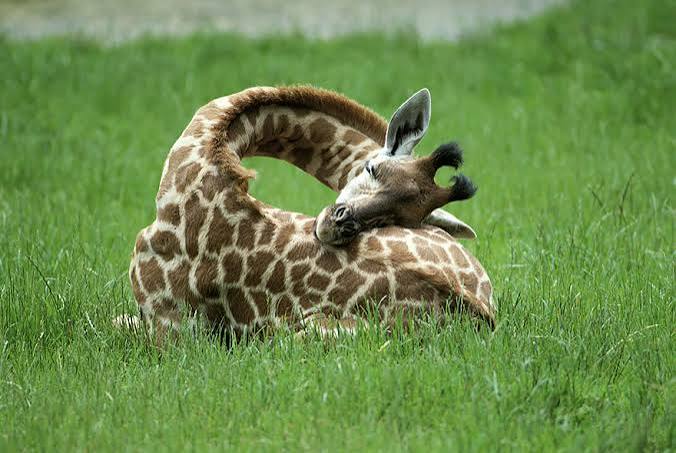
Most giraffe rest happens standing, with brief, genuinely light periods of drowsiness rather than the deep sleep typical of many other mammals, allowing them to remain alert and ready to flee at the first sign of danger. When giraffe do lie down, they fold their long legs beneath them and rest their head against their body or a nearby branch, a position that leaves them genuinely more vulnerable and is used sparingly.
The Giraffe’s Remarkably Short Actual Sleep Periods
Deep sleep periods for giraffe, when they do occur, often last only a few minutes at a time, among the shortest documented sleep bouts of any mammal studied, reflecting just how constantly vigilant giraffe remain even during their limited rest periods across a typical day and night.
Why Giraffe Have Such a Powerful Heart
Pumping blood up a neck of considerable length to reach the brain requires a genuinely powerful heart, and giraffe have evolved specialised blood vessel valves and thickened neck skin that prevent blood pooling in the legs and manage dramatic pressure changes whenever the animal lowers its head to drink. This remarkable cardiovascular adaptation is one of several traits that make giraffe genuinely unique among Africa’s large mammals.
Giraffe Necks Have the Same Number of Vertebrae as Humans
Despite their considerable length, a giraffe’s neck contains genuinely just seven vertebrae, the same number found in humans and nearly all other mammals, with each individual vertebra simply considerably elongated rather than the giraffe having more bones overall. This anatomical fact frequently surprises travelers unfamiliar with the underlying structural biology behind the giraffe’s most famous physical feature.
Giraffe Tongues Are Genuinely Dark and Extremely Long
A giraffe’s tongue, often measuring around 45 centimetres, is genuinely dark blue-black in colour, an adaptation thought to provide protection against sun damage given how frequently and extensively giraffe use their tongue while browsing acacia foliage throughout the day.
Why Giraffe Rarely Vocalise
Giraffe are genuinely capable of vocalising, including grunts, snorts, and even infrasound calls below human hearing range, though they do so considerably less frequently than most other social mammals, communicating more often through body posture and visual signals than sound.
Where to Observe Giraffe Behaviour on Safari
Giraffe are visible across East Africa’s major parks, including the Masai Mara, Murchison Falls, and Lake Mburo, each offering genuine opportunities to observe their distinctive standing-rest behaviour firsthand during a game drive.
Best Time of Year for Giraffe Viewing
Giraffe are visible year-round given their resident, non-migratory status across most East African parks. See our regional best-time guide for how East Africa’s seasonal patterns generally affect wider game viewing.
Photographing Giraffe Resting Behaviour
Capturing a giraffe in the rare, distinctive folded-leg lying position offers a genuinely uncommon photographic opportunity given how infrequently and briefly giraffe actually adopt this vulnerable posture. A mid-range zoom covers most sightings comfortably, similar to the gear recommended in our camera gear guide.
What to Pack for a Giraffe-Focused Safari
Standard game drive gear – neutral clothing, sun protection, and binoculars – covers most of what giraffe viewing requires. If your wider itinerary includes gorilla trekking, our gorilla trekking packing list covers that portion separately.
Why This Research Matters for Understanding Giraffe Conservation
Understanding giraffe sleep and rest patterns has genuine conservation relevance, helping researchers assess how habitat disturbance and predator pressure affect giraffe welfare and stress levels across increasingly fragmented range throughout East Africa.
Giraffe Height and Its Genuine Survival Trade-Offs
While a giraffe’s considerable height offers genuine feeding advantages and predator-spotting capability, it also creates real physiological challenges, including the risk of dizziness when quickly raising the head after drinking, an issue addressed by specialised blood vessel valves that regulate pressure changes during this rapid transition. This trade-off between height’s benefits and its physiological demands reflects the genuinely complex evolutionary balancing act behind the giraffe’s most famous physical trait.
Giraffe Spot Patterns Are Genuinely Unique
Each giraffe carries a genuinely individual spot pattern, as distinct as a human fingerprint, allowing researchers to identify and track specific animals across years of field study without requiring physical tagging. Calves reportedly learn to recognise their mother’s particular pattern within days of birth, a critical skill for staying close within a herd during collective movement.
Why Giraffe Necking Contests Can Turn Genuinely Serious
Male giraffe occasionally engage in “necking,” a slow-motion sparring behaviour used to establish dominance, swinging their long necks and heads against a rival in a display that can range from a relatively gentle test to a genuinely more serious, occasionally injurious contest determining mating access within a local population.
Giraffe Calves Are Born From a Considerable Height
Giraffe calves are born already standing nearly two metres tall, dropping several feet during birth itself as the mother remains standing throughout labour, a genuinely dramatic entry into the world that calves must quickly recover from before standing and walking within hours, a rapid development necessary given predation risk.
Giraffe Subspecies Vary Considerably Across Africa
Different giraffe subspecies, including the Masai giraffe found in Kenya and Tanzania and the critically endangered Rothschild’s giraffe found in parts of Uganda, display genuinely distinct coat patterns and, in some cases, differing conservation status, making subspecies identification a genuinely interesting element of a wider East Africa safari itinerary.
Why Giraffe Rarely Show Obvious Distress
Giraffe are genuinely stoic animals, rarely displaying obvious outward signs of pain or distress even when injured, a trait that likely evolved as a defensive strategy against predators who might target visibly weakened individuals, making injury and illness genuinely harder for researchers and rangers to detect without close, attentive observation.
Guide Tips for Observing Rare Giraffe Behaviour
Experienced guides who know a specific herd’s regular resting spots can sometimes position vehicles for a genuine chance at witnessing the rare, vulnerable lying-down posture, though this remains a matter of considerable patience and luck given how briefly and infrequently giraffe adopt this position during any given day.
Why This Trivia Enhances a Standard Game Drive
Sharing these genuinely surprising giraffe facts during a game drive often transforms what might otherwise be a routine sighting into a considerably more engaging, memorable wildlife encounter, particularly for travelers who appreciate learning the science behind familiar, iconic animals they’ve seen in photographs their whole lives.
Giraffe Conservation Status Varies by Subspecies
While giraffe as a whole have faced genuine population decline across Africa in recent decades, driven by habitat loss and poaching pressure, conservation status varies considerably between subspecies, with some, like Rothschild’s giraffe, classified as genuinely endangered while others remain comparatively more stable, making subspecies-specific conservation knowledge genuinely relevant for travelers interested in the fuller picture.
A Final Surprising Fact: Giraffe Are Genuinely Quiet Animals
Despite their considerable size, giraffe move through the savannah with surprising quietness, their soft, padded feet producing remarkably little noise even across dry, crunchy terrain, a genuinely notable trait that contrasts sharply with the considerably more audible ground movement typical of other large herbivores like elephant or buffalo moving through similar terrain.
Sharing These Facts With Fellow Travelers
Many travelers genuinely enjoy sharing giraffe trivia with fellow guests during a shared game drive vehicle, turning a routine sighting into a small, collective moment of discovery that adds real social warmth to the wider group safari experience.
Frequently Asked Questions
How much do giraffe actually sleep?
Genuinely very little – often just a few hours total across a full day, broken into brief periods lasting just minutes at a time.
Do giraffe sleep standing up?
Mostly yes – standing rest with light drowsiness is far more common than the vulnerable, fully lying-down position.
How many neck vertebrae does a giraffe have?
Just seven, the same number found in humans, with each vertebra simply considerably elongated.
Why is a giraffe’s tongue dark?
It’s thought to provide protection against sun damage given how extensively giraffe use their tongue while browsing throughout the day.
Where can I see giraffe behaviour firsthand?
The Masai Mara, Murchison Falls, and Lake Mburo all offer genuine opportunities to observe giraffe resting and feeding behaviour.
Ready to Plan Your East Africa Safari?
Whether observing giraffe behaviour firsthand, the Big Five, or a full East Africa itinerary is your priority, our team can build a trip matched to your interests. Get in touch with our team below today and let’s start planning your complete safari itinerary together.

No comment