



Why Do Zebras Have Stripes? The Science Explained
Zebra stripes remain one of Africa’s most genuinely debated evolutionary mysteries, with researchers proposing several competing scientific explanations for a pattern so visually striking that it’s become one of the continent’s most instantly recognisable wildlife features, despite the underlying purpose still not being fully, conclusively settled.
Why This Question Has Genuinely Puzzled Scientists for Decades
Charles Darwin himself debated the purpose of zebra stripes with contemporaries in the 19th century, and despite considerable modern research using photography, video analysis, and controlled field experiments, biologists still haven’t reached complete consensus on a single definitive explanation. This genuine scientific uncertainty makes zebra stripes one of the more fascinating open questions travelers can discuss directly with experienced safari guides.
Theory One: Fly Deterrence
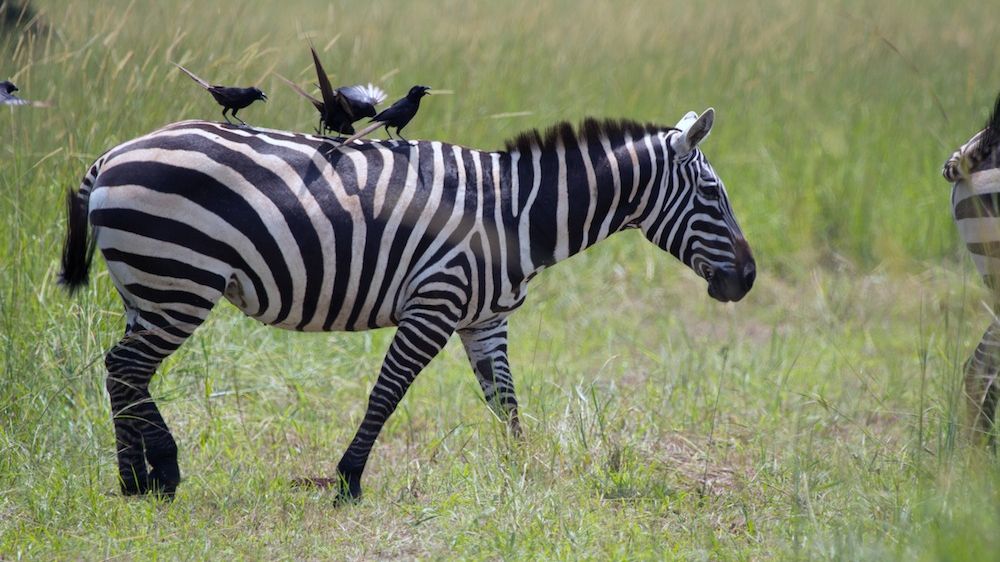
Among the most genuinely well-supported current theories, research has shown that biting flies, including tsetse flies and horseflies, are considerably less attracted to striped surfaces than solid-coloured ones, potentially because the stripe pattern disrupts the polarised light patterns flies use to detect suitable landing surfaces. Field experiments using striped versus solid-coloured models have genuinely supported this fly-deterrence hypothesis more strongly than most competing explanations.
Theory Two: Predator Confusion
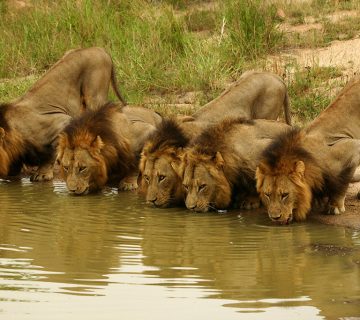
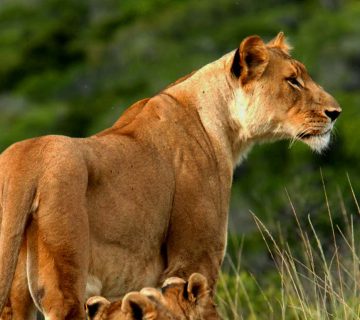
A long-standing popular theory suggests that when zebra herds run together, their combined stripe patterns create a visually confusing “motion dazzle” effect that makes it genuinely harder for a pursuing predator like lion to single out and track one specific individual. While intuitively appealing, this theory has received somewhat less consistent scientific support in recent research compared to the fly-deterrence hypothesis.
Theory Three: Temperature Regulation
Some researchers have proposed that the alternating black and white stripes create genuinely small-scale air currents across a zebra’s body as the two colours heat differently in sunlight, potentially helping regulate body temperature across East Africa’s hot savannah. This theory remains genuinely more contested than the fly-deterrence explanation, with mixed results across different studies.
Theory Four: Social Recognition
Each zebra’s stripe pattern is genuinely unique, as distinct as a human fingerprint, leading some researchers to suggest the pattern may help individuals recognise specific herd members, particularly calves identifying their own mothers within a large, visually similar migrating group. This social-bonding theory adds a genuinely compelling behavioural dimension beyond purely defensive explanations.
What Current Research Actually Suggests
Most contemporary researchers studying zebra stripes now lean toward fly deterrence as the genuinely strongest supported explanation, based on controlled experiments comparing fly landing rates on striped versus solid surfaces, though most acknowledge the pattern likely serves multiple overlapping functions rather than a single, exclusive purpose.
Where to Observe Zebra and Form Your Own Opinion
Travelers can observe zebra herds directly in Kenya’s Masai Mara, Tanzania’s Serengeti, and Uganda’s Lake Mburo National Park, each offering genuine opportunities to watch herd behaviour and form your own perspective on this ongoing scientific debate.
Best Time of Year for Zebra Viewing
Zebra are visible across East Africa’s major parks year-round given resident populations in most destinations, with numbers swelling considerably during migration season in the Mara-Serengeti ecosystem. See our regional best-time guide for how East Africa’s seasonal patterns generally affect game viewing.
Photographing Zebra Stripe Patterns
A close-range shot capturing the full detail and complexity of an individual zebra’s unique stripe pattern offers a genuinely compelling photographic subject distinct from wider herd shots. A mid-range zoom covers most sightings comfortably, similar to the gear recommended in our camera gear guide.
What to Pack for a Zebra-Focused Safari
Standard game drive gear – neutral clothing, sun protection, and binoculars – covers most of what a zebra-viewing safari requires. If your wider itinerary includes gorilla trekking, our gorilla trekking packing list covers that portion separately.
Why This Debate Genuinely Matters Beyond Curiosity
Understanding zebra stripe function has genuine practical implications, including inspiring research into fly-repellent clothing patterns for livestock and even humans, demonstrating how a purely academic evolutionary question can translate into genuinely applicable real-world innovation.
How Researchers Actually Test These Theories
Scientists studying zebra stripes have used genuinely creative research methods, including painting horses with temporary stripe patterns and comparing fly landing rates against unpainted control animals, alongside video analysis tracking predator pursuit success against striped versus solid-coloured prey models. These controlled field experiments, conducted across multiple research groups and locations, provide considerably more rigorous evidence than pure observation or speculation alone.
Why the Fly Deterrence Theory Gained Momentum
Research published by biologists studying tsetse and horsefly behaviour found genuinely significant differences in landing rates on striped versus solid surfaces, with some studies showing striped patterns reduced fly landings by a considerable margin compared to solid black or solid white surfaces of identical size and shape. Researchers believe the stripe pattern may disrupt the polarised light reflection patterns flies use to identify suitable landing targets, effectively camouflaging zebra from an insect’s specific visual perspective even though the pattern is highly visible to humans and other mammals.
Do All Zebra Species Share the Same Stripe Function?
Interestingly, different zebra species and subspecies across Africa display genuinely varying stripe patterns, from the broader stripes of Grevy’s zebra in northern Kenya to the narrower, denser patterns typical of plains zebra found across the Mara-Serengeti ecosystem, raising genuine questions about whether stripe function might vary somewhat between different zebra populations facing different environmental and predator pressures.
The Predator Confusion Theory’s Weaker Modern Support
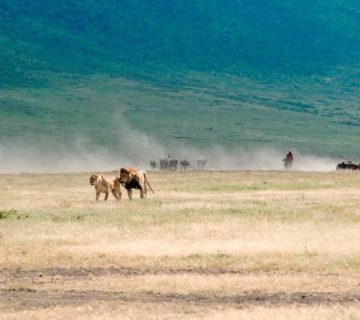
More recent studies using video footage of actual lion hunts against zebra herds have found genuinely less supporting evidence for the “motion dazzle” predator confusion theory than earlier researchers assumed, with some analyses suggesting lion hunting success against zebra isn’t meaningfully different from their success against other, non-striped prey species. This has led many researchers to genuinely deprioritise this once-popular explanation in favour of fly deterrence.
Zebra Stripes and Thermal Imaging Research
Thermal imaging studies examining the temperature-regulation theory have produced genuinely mixed results, with some research supporting measurable temperature differences between black and white stripe regions creating beneficial air movement, while other studies have found the effect too minor to represent a genuinely significant evolutionary driver behind the pattern’s development.
What Guides Tell Curious Travelers
Experienced East Africa guides genuinely enjoy discussing this open scientific question with interested travelers, often presenting multiple theories rather than a single definitive answer, given how the debate itself offers a genuinely engaging window into how field biology research actually works in practice.
Zebra Stripes Compared to Other Striped African Species
While zebra are the most famous striped mammal in Africa, other species, including some antelope with faint striping, display comparable patterns for genuinely different reasons, offering an interesting comparative angle for travelers curious about camouflage and visual disruption strategies across the wider animal kingdom.
Discussing the Debate on Your Own Safari
Raising this question directly with your guide during a game drive alongside zebra and other Mara-Serengeti wildlife often produces one of the more genuinely engaging conversations of a longer trip, given how many experienced guides have their own informed opinions shaped by years of direct field observation.
Why This Question Resonates Beyond Africa
The zebra stripe debate has genuinely captured wider public scientific interest well beyond dedicated wildlife researchers, appearing regularly in popular science media and educational content, a reflection of how compelling an unresolved, visually obvious evolutionary question can be even to audiences with no particular background in biology or African wildlife specifically.
How Foal Stripe Patterns Differ From Adults
Zebra foals are born with a genuinely browner, softer stripe pattern that gradually darkens to the familiar sharp black-and-white contrast as they mature, a developmental detail worth watching for when observing family groups with young calves during a game drive.
A Question Worth Asking on Every Zebra Sighting
Rather than treating a zebra sighting as purely a checklist item, approaching each encounter with genuine curiosity about the stripe debate adds a layer of intellectual engagement that many travelers genuinely find considerably enriches their entire overall safari experience from start to finish.
Frequently Asked Questions
What’s the leading scientific theory for zebra stripes?
Fly deterrence currently has the strongest research support, with studies showing biting flies are considerably less attracted to striped surfaces.
Do zebra stripes really confuse predators?
This popular theory has received somewhat less consistent scientific support compared to fly deterrence, though it remains genuinely debated among researchers.
Is every zebra’s stripe pattern actually unique?
Yes, genuinely so – each pattern is as distinct as a human fingerprint, potentially aiding individual recognition within a herd.
Has this question ever been fully settled scientifically?
No, genuinely not – despite considerable research, biologists still haven’t reached complete consensus on a single definitive explanation.
Where can I see zebra to form my own view?
The Masai Mara, Serengeti, and Uganda’s Lake Mburo National Park all offer genuine opportunities to observe zebra herd behaviour directly.
Ready to Plan Your East Africa Safari?
Whether observing zebra herds firsthand, the wildebeest migration, or a full East Africa itinerary is your priority, our team can build a trip matched to your interests. Get in touch with our team below today and let’s start planning your complete safari itinerary together.

No comment