

Nairobi National Park: A Complete Guide
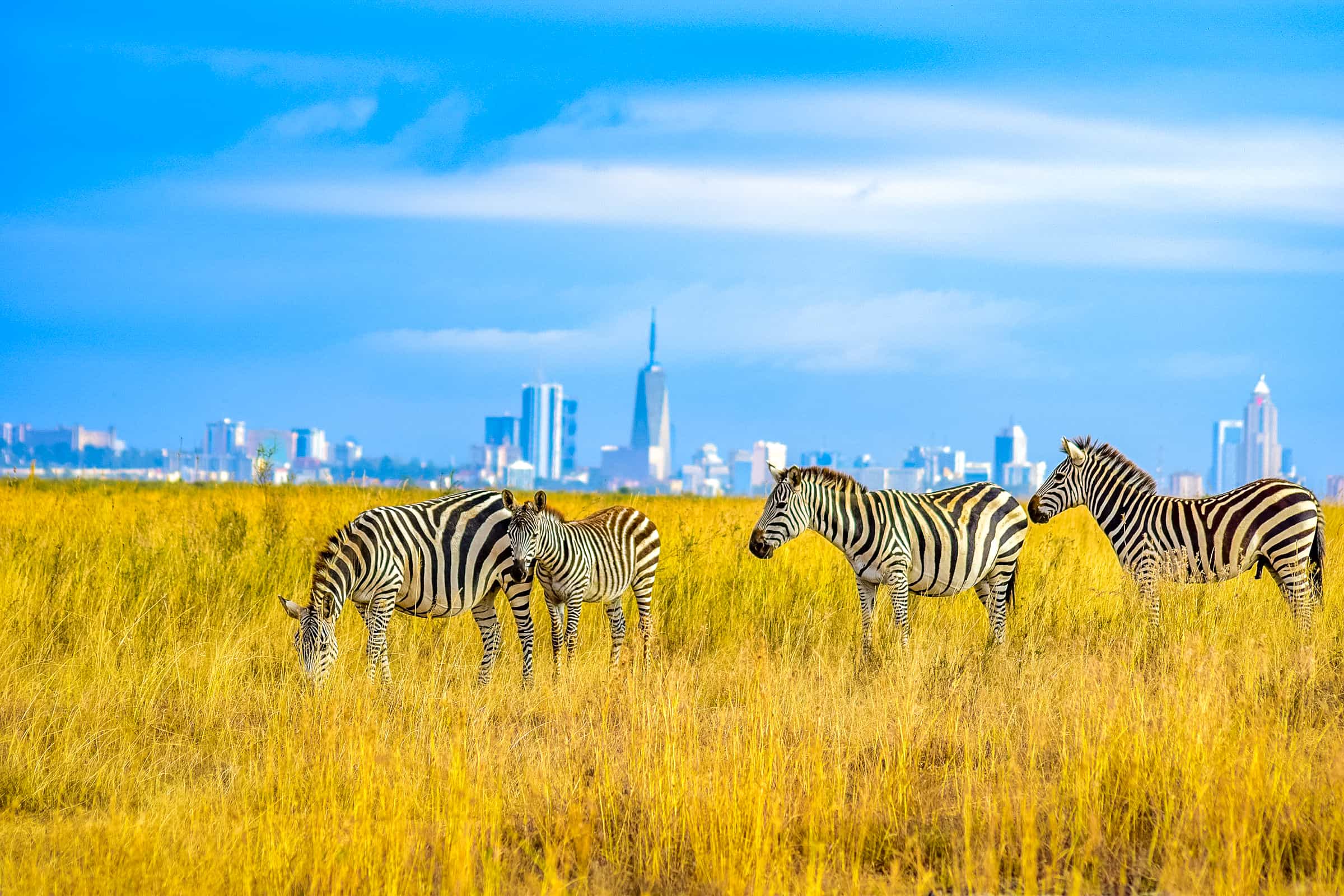
Nairobi National Park offers the genuinely unusual experience of viewing lion, rhino, and giraffe with Kenya’s capital city skyline visible in the background, a juxtaposition unique among Africa’s protected areas and making it one of the more surprising, easily accessible wildlife destinations available anywhere on the continent.
The World’s Only Wildlife Park Within a Capital City
Nairobi National Park sits genuinely just a short drive from downtown Nairobi, making it the only major wildlife park located within a capital city’s immediate vicinity anywhere in Africa, if not the world. This proximity allows travelers with limited time, whether arriving or departing from Kenya, to experience a real safari without the extended travel typically required to reach the country’s more remote parks.
Nairobi National Park’s Genuinely Strong Wildlife Population
Despite its compact size and urban proximity, Nairobi National Park supports a genuinely healthy population of lion, leopard, buffalo, and both black and white rhino, alongside giraffe, zebra, and numerous antelope species. The park’s rhino sanctuary in particular holds real conservation significance, protecting a meaningful population within genuinely close reach of the city.
The Skyline Backdrop: A Genuinely Unique Photographic Opportunity
Wildlife photographed against Nairobi’s distant skyline offers a genuinely unmatched composition found nowhere else in Africa, giraffe or lion framed with modern high-rise buildings visible on the horizon, a juxtaposition that consistently surprises first-time visitors unfamiliar with the park’s unusual location.
Why Nairobi National Park Lacks Elephants
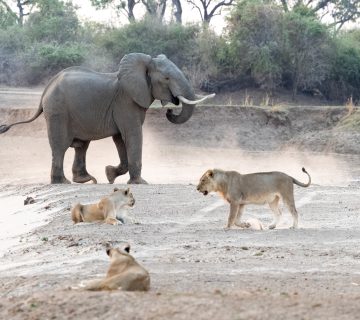
Unlike most of Kenya’s major parks, Nairobi National Park doesn’t support a resident elephant population, primarily due to the park’s limited size relative to elephant’s considerable space requirements and the risk of human-elephant conflict given the park’s unfenced southern boundary bordering open dispersal areas. This absence is worth knowing before visiting specifically hoping for elephant sightings.
The Park’s Unfenced Southern Boundary
Nairobi National Park’s southern boundary remains genuinely open, connecting to the Athi-Kaputiei plains beyond, allowing wildlife to migrate seasonally in and out of the park despite its urban northern edge. This connectivity is genuinely important to sustaining healthy wildlife populations within such a compact protected area bordering a major city.
Best Time of Year to Visit Nairobi National Park
Nairobi National Park offers genuinely rewarding wildlife viewing year-round given its resident populations, though the dry season, roughly June to October, concentrates wildlife more predictably around remaining water sources. See our regional best-time guide for how East Africa’s broader seasonal patterns still affect wider trip planning.
Self-Drive vs Guided Safaris at Nairobi National Park
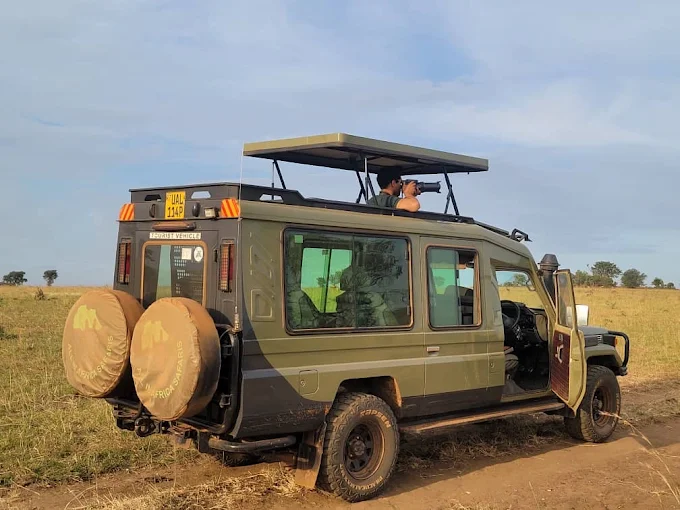
Nairobi National Park’s compact size and good road network make self-driving genuinely feasible, particularly for travelers with limited time between flights, though a guided safari still adds real value in locating current wildlife activity and interpreting the park’s unusual urban-wildlife context. Most visitors combine a park visit with onward travel to Kenya’s other major destinations.
Photographing Nairobi National Park’s Wildlife
The genuinely rare opportunity to frame wildlife against a modern city skyline makes Nairobi National Park a distinctive photographic destination, best captured with a wide-angle lens that includes both animal and skyline within a single frame, alongside the standard telephoto gear covered in our camera gear guide.
What to Pack for a Nairobi National Park Visit
Standard game drive gear – neutral clothing, sun protection, and binoculars – covers most of what a short park visit requires. If your wider itinerary includes gorilla trekking, our gorilla trekking packing list covers that portion separately.
The Nairobi Animal Orphanage
Adjacent to the park, the Nairobi Animal Orphanage cares for injured, orphaned, and rescued wildlife, offering a genuinely worthwhile add-on visit for travelers interested in Kenya’s wider conservation and rehabilitation work beyond the park’s wild population alone.
Combining Nairobi National Park With a Wider Kenya Circuit
Given its genuinely convenient location, Nairobi National Park works well as a first or last-day activity bookending a longer Kenya itinerary covering the Masai Mara or Lake Nakuru, making productive use of transit time that would otherwise be spent purely in the city.
Getting to Nairobi National Park
The park sits genuinely just a short, convenient drive from central Nairobi and Jomo Kenyatta International Airport, making it one of the most genuinely accessible wildlife destinations found anywhere in East Africa, requiring no internal flight or lengthy extended road transfer to reach at all.
Nairobi National Park’s Rhino Sanctuary
The park’s rhino population, protected within genuinely close reach of a major African capital, represents an important conservation success story, demonstrating that meaningful wildlife protection can coexist with rapid urban development when managed with sufficient dedication and resources. This sanctuary work is comparable in significance to dedicated rhino conservation efforts elsewhere in Kenya, though within a genuinely unique urban-adjacent setting.
Wildlife Migration In and Out of the Park
Thanks to the park’s unfenced southern connection to the Athi-Kaputiei plains, wildlife including wildebeest and zebra migrate seasonally in and out of Nairobi National Park, a pattern genuinely reminiscent of the larger Mara-Serengeti migration on a considerably smaller, more localised scale. This seasonal movement adds genuine variety to sightings depending on when exactly a visit takes place.
Why Urban Development Poses a Genuine Long-Term Challenge
Nairobi’s rapid urban growth increasingly presses against the park’s boundaries and the wildlife corridors connecting it to the wider Athi-Kaputiei ecosystem, creating genuine long-term conservation challenges that researchers and policymakers continue working to address. This tension between urban development and wildlife conservation makes Nairobi National Park a genuinely important case study in balancing growth with protection.
Half-Day vs Full-Day Visits
Given its compact size and proximity to the city, Nairobi National Park genuinely suits both a quick half-day visit for travelers with limited time and a fuller day trip for those wanting to explore the park’s varied habitat more thoroughly, offering flexibility rarely available at Kenya’s more remote parks.
Nairobi National Park’s Giraffe and Zebra Populations
Beyond its rhino and predator populations, the park supports genuinely healthy giraffe and zebra numbers, offering reliable sightings of these iconic species within a considerably more compact, accessible setting than Kenya’s larger, more remote parks typically require travelers to reach.
Best Lodges and Access Points
Properties near the park’s main entrance genuinely simplify logistics for travelers specifically prioritising a quick, efficient visit, cutting down on transfer time between the city and the park’s game-viewing circuit. Discussing timing directly with your operator, particularly around flight connections, is genuinely worth doing before finalising a Nairobi National Park visit.
Why First-Time Visitors Are Often Surprised
Many travelers arrive in Nairobi unaware a genuine wildlife park exists so close to the city centre, and are consistently pleased to discover a real, if compact, safari experience available within a fraction of the travel time required to reach Kenya’s more remote destinations.
Combining Nairobi National Park With the Giraffe Centre
Beyond the park itself, Nairobi hosts the Giraffe Centre, a genuinely worthwhile add-on stop offering close-range Rothschild’s giraffe interaction as part of a broader conservation and education programme, complementing a Nairobi National Park visit with an additional, genuinely different giraffe-focused experience within the same city.
Predator Sightings Within the Park
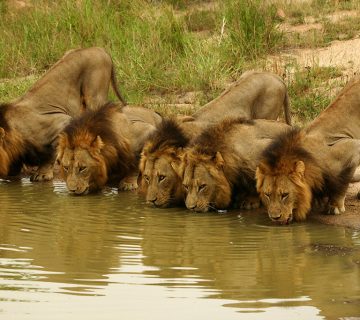
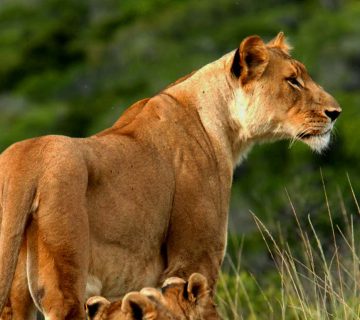
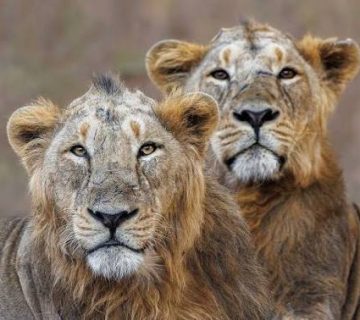
Nairobi National Park’s resident lion population, along with occasional leopard and cheetah sightings, offers genuinely reliable predator viewing despite the park’s compact size, a reflection of how effectively the protected area supports a functioning, healthy ecosystem despite its unusual urban-adjacent boundaries.
A Genuinely Practical Addition to Any Kenya Itinerary
Given how little additional travel time it requires, Nairobi National Park genuinely deserves consideration even from travelers who initially assume their trip has no room for an extra wildlife stop, since the park fits naturally around existing flight schedules rather than demanding a dedicated separate day.
What Guides Say About the Park’s Unique Appeal
Experienced Nairobi guides consistently describe the moment a first-time visitor spots the city skyline behind a resting lion pride as one of the more genuinely memorable, disorienting-in-a-good-way experiences the park offers, a visual contrast unlike anything else available on a standard Kenya safari itinerary.
Frequently Asked Questions
Is Nairobi National Park really within the city?
Yes, genuinely so – it’s the only major wildlife park located within a capital city’s immediate vicinity anywhere in Africa.
Can I see the Big Five at Nairobi National Park?
Nearly – lion, leopard, buffalo, and rhino are present, though elephant is genuinely absent given the park’s limited size and space requirements.
Why doesn’t Nairobi National Park have elephants?
Primarily due to the park’s compact size relative to elephant’s considerable space needs and human-elephant conflict risk near the urban boundary.
Is Nairobi National Park worth visiting with limited time?
Genuinely yes – it’s ideal for travelers bookending a longer Kenya trip or with just a few hours between flights.
What’s the best time of year to visit?
Year-round given resident wildlife populations, though the dry season concentrates wildlife more predictably around remaining water sources.
Ready to Plan Your Nairobi National Park Visit?
Whether a quick wildlife stop before or after your flight, or a full Kenya itinerary combining the Mara and Lake Nakuru, our team can build a trip matched to your time and interests. Get in touch with our team below today and let’s start planning your complete Kenya safari itinerary together.

No comment