
Wild Dogs in East Africa: Where to See Them
African wild dogs, among the continent’s most endangered large carnivores, survive today in genuinely scattered, isolated populations across East Africa, making a confirmed sighting one of the rarest, most hard-won wildlife encounters available to travelers prioritising the region’s full predator checklist.
Why Wild Dogs Are So Genuinely Endangered
African wild dogs have suffered catastrophic population decline across their historic range, driven by habitat fragmentation, disease transmission from domestic dogs, and direct conflict with livestock farmers, leaving fewer than a few thousand individuals surviving in the wild today. This makes wild dogs genuinely one of Africa’s most endangered large carnivores, considerably rarer than lion, leopard, or cheetah across most of their former range.
Where to See Wild Dogs in East Africa
Tanzania’s Serengeti ecosystem and southern reserves like Ruaha hold some of East Africa’s more significant remaining wild dog populations, while Kenya’s Laikipia region north of the Mara maintains a genuinely important, closely monitored population. Uganda’s wild dog presence remains considerably more limited and unpredictable, making a dedicated sighting genuinely harder to guarantee within the country’s standard park circuit.
Wild Dog Pack Structure and Social Behaviour
Wild dogs live in genuinely tight-knit packs led by a dominant breeding pair, with the entire pack cooperating in hunting, pup-rearing, and territorial defence, a social cohesion considerably stronger than most other African predators display. This cooperative structure makes wild dogs remarkably successful hunters despite their smaller individual size compared to lion or hyena, with hunting success rates genuinely among the highest of any African carnivore.
Wild Dog Hunting Technique
Packs hunt cooperatively using coordinated pursuit and genuinely exceptional stamina, running down prey over extended distances rather than relying on the ambush tactics favoured by big cats. This endurance-based hunting style, combined with pack coordination, gives wild dogs one of the highest documented hunting success rates of any African predator, considerably higher than lion’s more opportunistic approach.
Why Wild Dog Sightings Feel Genuinely Special
Given their genuine rarity and the considerable ground a pack can cover in a single day, a wild dog sighting requires real luck combined with current, accurate information from rangers and guides tracking known pack movement. This scarcity is part of why experienced safari travelers often rate wild dog sightings among their most genuinely memorable wildlife encounters, distinct from more commonly guaranteed species.
Conservation Efforts Supporting Wild Dog Recovery
Dedicated conservation programmes across Tanzania and Kenya continue working to protect remaining wild dog populations through disease vaccination buffer zones, human-wildlife conflict mitigation, and habitat corridor protection connecting fragmented populations. These efforts represent some of East Africa’s more genuinely urgent carnivore conservation priorities given how precarious the species’ overall population remains.
Best Time of Year for Wild Dog Sightings
Wild dogs are present in their core East African strongholds year-round, though denning season, when a pack remains concentrated around a fixed den site rather than ranging widely, can offer somewhat more predictable, if still genuinely uncommon, viewing opportunities. See our regional best-time guide for how East Africa’s broader seasonal patterns affect wider trip planning.
Self-Drive vs Guided Safaris for Wild Dog Viewing
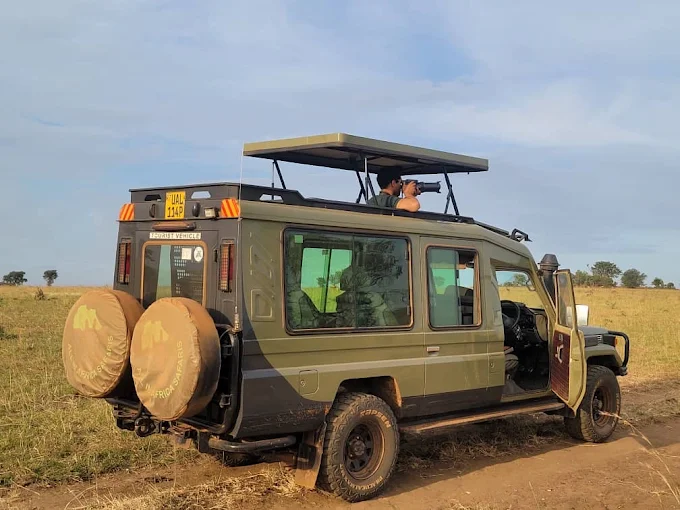
Wild dog viewing genuinely requires guide knowledge and close coordination with rangers tracking known pack territories, making a dedicated guided safari essential rather than optional for travelers specifically hoping for a sighting. Most visitors combine a wild dog attempt with a wider guided Tanzania or Kenya itinerary rather than a dedicated standalone trip.
Photographing Wild Dogs
A wild dog pack in motion, distinctive mottled black, brown, and white coats blurring together during a coordinated hunt, offers genuinely spectacular photographic opportunities for travelers fortunate enough to witness the behaviour. A telephoto lens with a fast shutter speed is essential, similar to the gear recommended in our camera gear guide.
What to Pack for a Wild Dog-Focused Safari
Standard game drive gear – neutral clothing, sun protection, and binoculars – covers most of what a dedicated wild dog search requires. If your wider itinerary includes gorilla trekking, our gorilla trekking packing list covers that portion separately.
Setting Realistic Expectations
Given how genuinely rare and wide-ranging wild dog packs are, travelers should treat a sighting as a hoped-for bonus rather than a guaranteed itinerary highlight, and an honest conversation with your operator about realistic odds within your chosen destination is genuinely worth having before booking specifically for wild dogs.
Combining Wild Dog Viewing With a Wider Tanzania or Kenya Circuit
Travelers genuinely serious about a wild dog sighting often build an itinerary specifically around known current pack territories, discussed directly with an experienced operator, combined with a wider circuit covering the Big Five and other headline wildlife across the same trip.
Wild Dog Distinctive Coat Pattern
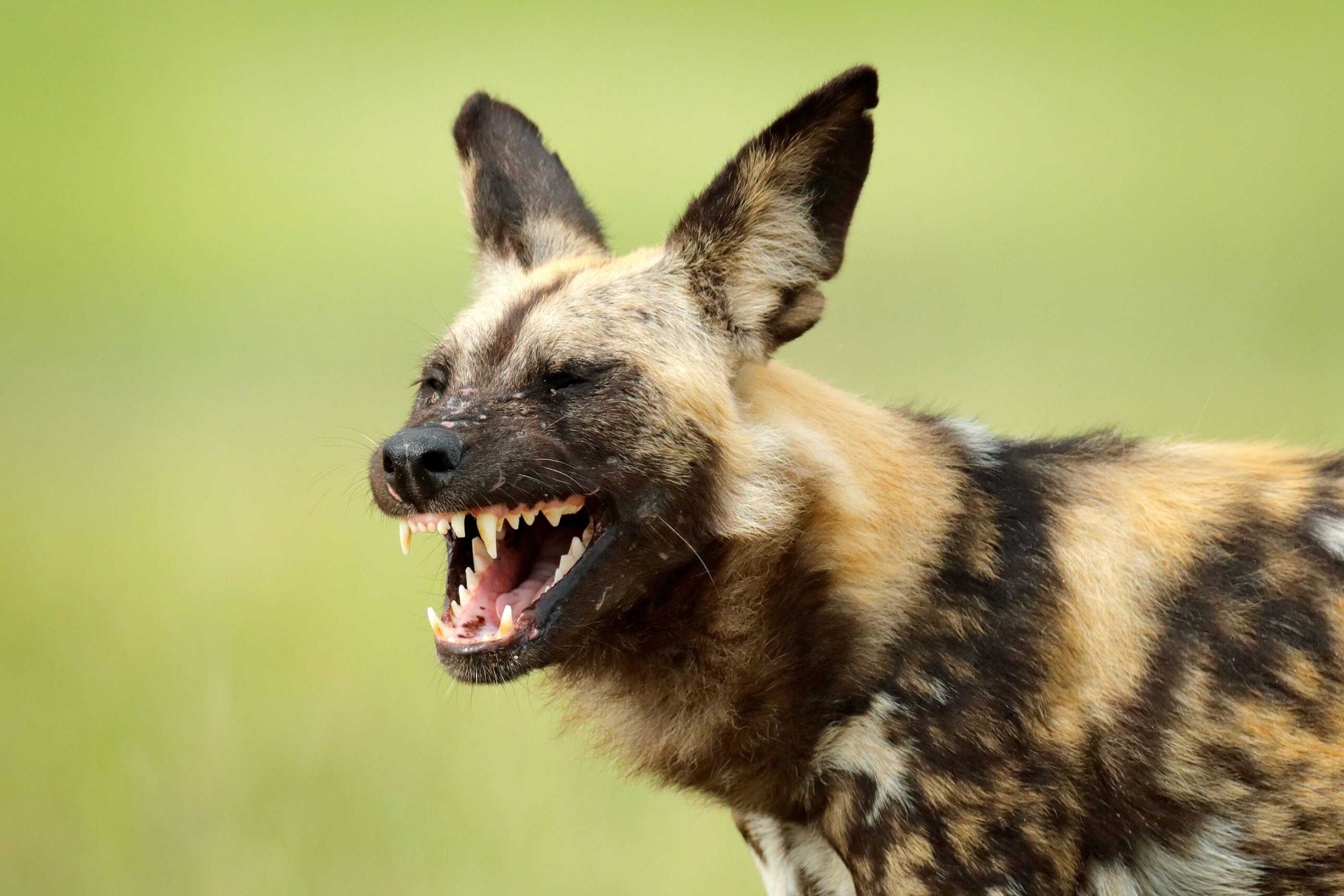
Each wild dog carries a genuinely unique mottled black, brown, tan, and white coat pattern, distinct enough that researchers use individual markings to identify and track specific animals across a pack, much like the individual recognition techniques used for zebra populations. This visual individuality, combined with their large rounded ears, gives wild dogs a genuinely unmistakable appearance unlike any other African canid.
Pup Rearing and Pack Cooperation
Wild dog pups are raised cooperatively by the entire pack, with non-breeding adult members actively helping provision the den with regurgitated food and guarding pups while the breeding pair hunts, a genuinely communal childcare system rare among African predators. This cooperative structure significantly improves pup survival odds compared to more solitary-rearing carnivore species, though pup mortality remains genuinely high given the species’ overall precarious population status.
Wild Dogs and Competition From Larger Predators
Despite their considerable hunting success, wild dogs face genuine competition and occasional direct predation from lion and hyena, both of which will readily steal a wild dog kill or attack pack members when opportunity allows. This competitive pressure, combined with disease and habitat fragmentation, contributes significantly to wild dogs’ struggle to maintain stable populations even within otherwise well-protected ecosystems.
Tracking Technology and Modern Conservation Monitoring
Many remaining wild dog packs across Tanzania and Kenya are fitted with GPS tracking collars, allowing researchers and, by extension, experienced guides to monitor pack movement and health with genuinely unprecedented precision compared to past decades. This technology has become genuinely central to modern wild dog conservation efforts, helping researchers respond quickly to disease outbreaks or territorial conflicts threatening a specific pack.
Why Wild Dog Range Requirements Complicate Conservation
Wild dog packs require genuinely enormous home ranges compared to other African predators, sometimes covering hundreds of square kilometres, a spatial requirement that makes habitat fragmentation particularly devastating for the species compared to more territorially compact carnivores. This need for connected, undisturbed landscape is central to why cross-border conservation corridors have become such a genuine priority for wild dog recovery efforts across East Africa.
Wild Dogs Compared to the Region’s Other Rare Predators
Travelers hoping for a wild dog sighting often compare the experience to the patience required for a rare Serengeti rhino sighting or spotting a elusive serval, each requiring genuine luck and guide expertise rather than the near-guaranteed viewing typical of more common species.
Best Lodges and Camps for Wild Dog-Focused Trips
Properties within or bordering known current wild dog territories, particularly in Tanzania’s southern reserves, genuinely improve sighting odds compared to more general Northern Circuit lodges, and discussing this specifically with your operator before booking is genuinely worth doing if wild dogs are a real priority for your wider Tanzania itinerary.
Why a Wild Dog Sighting Justifies Adjusting Your Itinerary
Travelers who learn a pack is currently active nearby often find it genuinely worthwhile to adjust an otherwise fixed game drive schedule, given how genuinely rarely the opportunity arises and how considerably much guide knowledge specifically improves the odds of a successful, rewarding encounter within an otherwise limited travel window.
What to Pack for a Longer Wild Dog Search
Beyond standard game drive gear, patience and flexibility genuinely matter more than any specific equipment when pursuing a wild dog sighting, since the encounter itself depends far more on current pack location than on any particular time of day or season.
Frequently Asked Questions
Where in East Africa are wild dogs most reliably seen?
Tanzania’s southern reserves and Kenya’s Laikipia region hold some of the more significant remaining populations, though sightings remain genuinely uncommon everywhere.
Why are wild dogs so endangered?
Habitat fragmentation, disease from domestic dogs, and conflict with livestock farmers have driven catastrophic population decline across their range.
How successful are wild dogs at hunting?
Genuinely exceptional – their cooperative pack hunting gives them one of the highest documented success rates of any African predator.
Is a wild dog sighting guaranteed on safari?
No, genuinely not – their rarity and wide-ranging territory mean sightings require real luck combined with current tracking information.
What’s the best time of year to see wild dogs?
Denning season offers somewhat more predictable viewing, though sightings remain genuinely uncommon year-round given the species’ overall scarcity.
Ready to Plan Your East Africa Safari?
Whether attempting a rare wild dog sighting, the Big Five, or a full Tanzania or Kenya itinerary is your priority, our team can build a trip matched to your interests and realistic expectations. Get in touch with our team below today and let’s start planning your complete East Africa safari itinerary together.

No comment