
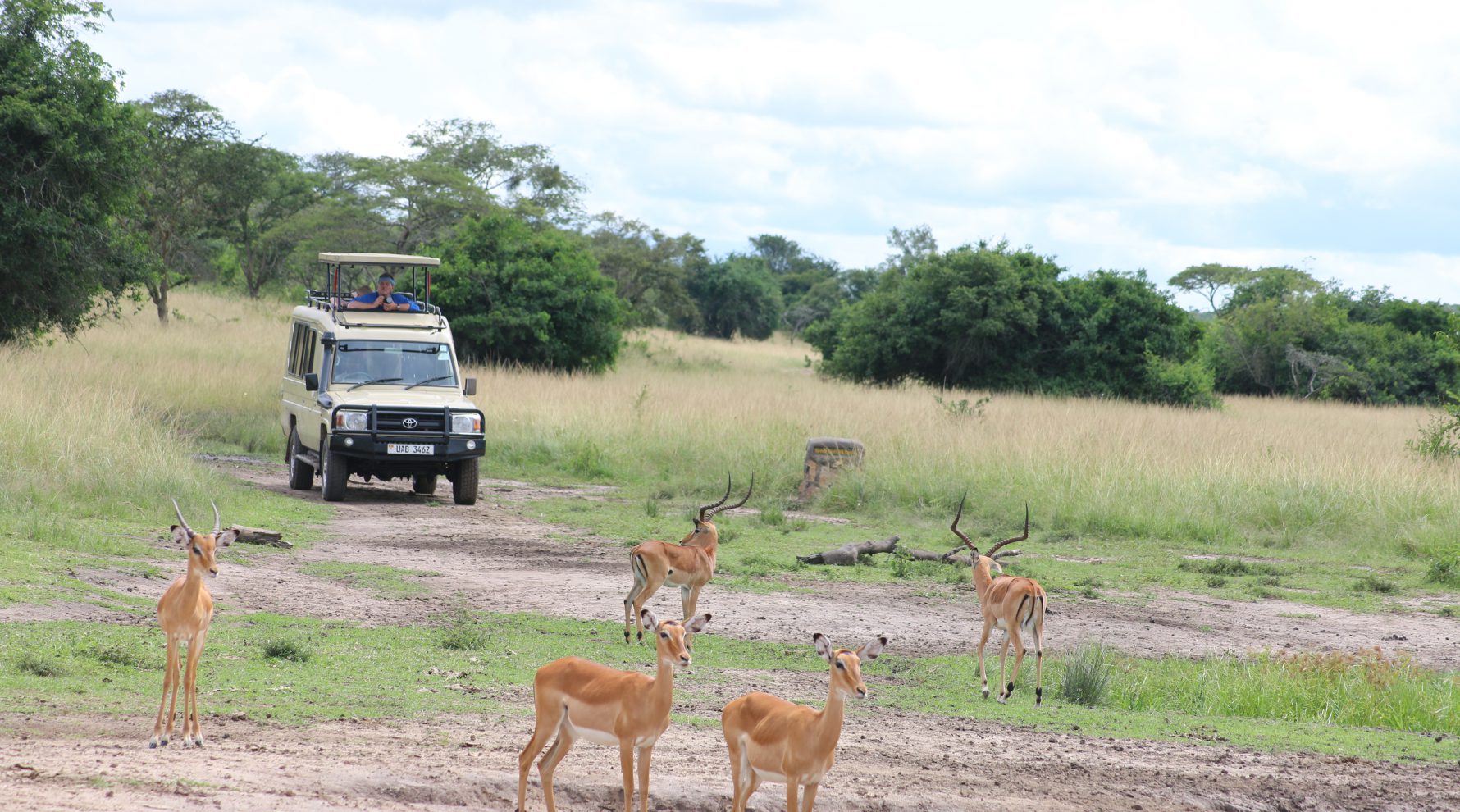
Waterbuck graze the grassy shoreline of Lake Mburo National Park’s lakes and wetland margins in genuinely reliable numbers, their shaggy, greyish-brown coat and distinctive white ring marking around the rump making them one of the park’s more easily identified antelope species alongside its famous zebra and eland.
Why Lake Mburo Suits Waterbuck So Well
Waterbuck depend genuinely heavily on proximity to permanent water, rarely venturing far from a lake or river, and Lake Mburo’s network of five lakes gives the park exactly the reliable water access this species requires year-round. This dependency makes waterbuck sightings here genuinely consistent regardless of season, unlike more drought-sensitive species found in parks with less reliable water sources.
Where to Find Waterbuck in Lake Mburo
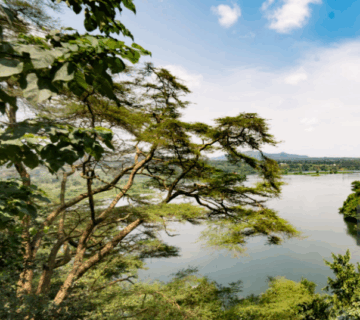
Waterbuck range along the grassy margins of Lake Mburo itself and the park’s other smaller lakes, rarely straying far from the shoreline given their strong water dependency. They’re frequently visible during both standard game drives and the park’s boat cruise option, offering two genuinely different vantage points for observing the same species.
The Distinctive White Ring Marking
Waterbuck carry a genuinely distinctive white ring marking around the rump, a feature unique enough among East African antelope that it makes identification straightforward even for visitors with limited prior wildlife experience. Some researchers suggest this marking may function as a visual cue helping herd members maintain contact while moving through denser vegetation near the water’s edge.
Waterbuck Behaviour and Social Structure
Waterbuck form loose herds typically led by a dominant territorial male, with females and young moving somewhat independently between male territories along the shoreline. This social pattern, genuinely more fluid than the rigid harem structure of species like impala, gives waterbuck herds a distinctive dynamic quality worth observing across a longer game drive.
Why Waterbuck Meat Has an Unusual Reputation
Waterbuck are widely believed among local communities and some researchers to secrete an oily substance through their skin that gives their meat a genuinely strong, musky taste, a trait thought to have historically reduced hunting pressure on the species compared to more commonly targeted antelope. This reputation, whether fully scientifically confirmed or partly folklore, is a genuinely interesting piece of context guides often share during a Lake Mburo sighting.
Waterbuck and Lake Mburo’s Unique Wildlife Combination
Beyond waterbuck, Lake Mburo holds Uganda’s only population of plains zebra, alongside genuinely healthy eland and impala numbers, making the park a distinctly different wildlife experience from Uganda’s larger, more forested national parks.
Best Time of Year for Waterbuck Sightings
Waterbuck are visible in Lake Mburo year-round given the park’s consistent lake-based water supply, making seasonal timing genuinely less important here than in Uganda’s larger, more dispersed parks. See our Uganda best-time guide for how the country’s broader dry and wet seasons still affect wider trip planning.
Activities Unique to Lake Mburo for Waterbuck Viewing
Lake Mburo permits activities not available in Uganda’s larger parks given the absence of lion and reduced elephant presence, including guided walking safaris and boat cruises, genuinely unique ways to observe waterbuck along the shoreline from perspectives unavailable in a standard vehicle-based game drive.
Self-Drive vs Guided Safaris in Lake Mburo
Lake Mburo’s compact size and good road network make self-driving genuinely feasible here compared to Uganda’s larger, more remote parks, though a guided safari or boat cruise still adds real value for spotting and identifying waterbuck along the shoreline. Most visitors combine a guided game drive with the park’s unique walking safari or boat cruise options.
Photographing Lake Mburo’s Waterbuck
Waterbuck grazing along the lake’s grassy shoreline, particularly at sunrise or sunset when the water reflects the sky’s colour, offer genuinely striking photographic compositions. A mid-range zoom covers most sightings comfortably, similar to the gear recommended in our camera gear guide.
What to Pack for a Lake Mburo Safari
Standard game drive gear – neutral clothing, sun protection, and binoculars – covers most of what the park requires, and comfortable walking shoes are worth packing given the park’s unique walking safari option. If your wider itinerary includes gorilla trekking, our gorilla trekking packing list covers that portion separately.
Combining Waterbuck Viewing With Gorilla Trekking
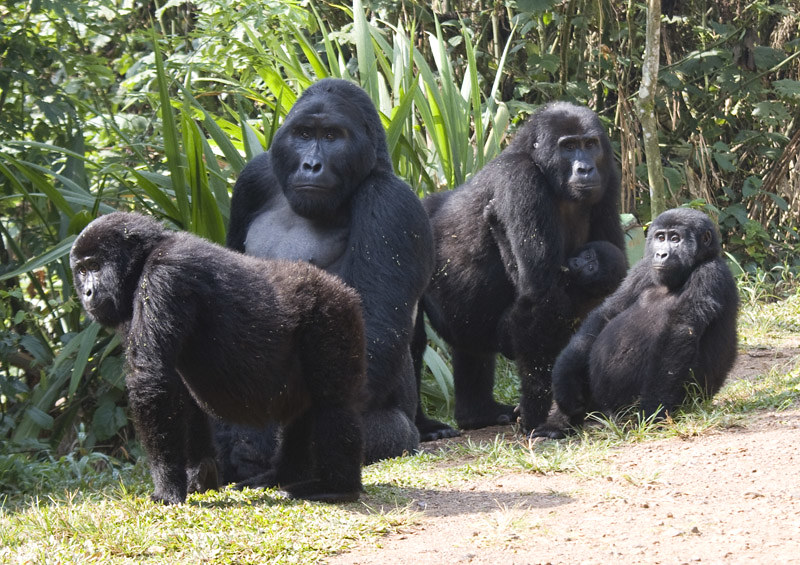
Given its position en route to Bwindi, Lake Mburo pairs naturally with gorilla trekking, letting travelers break up the long drive south with a genuinely worthwhile wildlife stop rather than treating the journey as pure transit time.
Getting to Lake Mburo National Park
Lake Mburo sits conveniently along the main road between Kampala and Bwindi Impenetrable National Park, roughly three to four hours from the capital, making it a natural stopover for travelers heading toward gorilla trekking rather than a dedicated separate trip.
Territorial Males and Breeding Behaviour
Dominant male waterbuck defend genuinely well-defined shoreline territories, marking boundaries through scent and maintaining access to passing female herds rather than keeping a fixed harem, a territorial strategy distinct from the more mobile harem structure seen in species like impala. Territorial disputes between rival males can involve genuine physical contests, with waterbuck’s curved, ridged horns serving as effective weapons during these confrontations.
Waterbuck’s Physical Adaptations for Water-Edge Life
Waterbuck’s shaggy, slightly oily coat provides genuine water resistance, an adaptation well-suited to their consistent proximity to Lake Mburo’s shoreline and their occasional willingness to enter shallow water to escape a pursuing predator. This water tolerance, unusual among East African antelope, is part of why waterbuck can afford to remain so consistently close to the lake’s edge without the same drowning risk other species might face.
Calves and Early Life Near the Shoreline
Waterbuck calves are typically hidden in dense shoreline vegetation for their first few weeks of life, a concealment strategy that keeps them away from the main herd’s more visible daily movement pattern while remaining close enough for the mother to nurse regularly. This hiding behaviour, similar to strategies used by several other African antelope species, genuinely improves calf survival odds during the most vulnerable early period.
Waterbuck and Lake Mburo’s Predator Dynamics
Given Lake Mburo’s notable absence of lion, waterbuck here face genuinely reduced predation pressure compared to populations in Uganda’s larger parks, though leopard and occasional hyena activity still present real risk, particularly to calves and older or weakened individuals. This relatively relaxed predator dynamic is part of why waterbuck herds in Lake Mburo often appear more settled and approachable than populations in higher-pressure ecosystems elsewhere.
Comparing Lake Mburo’s Waterbuck to Other Uganda Parks
While waterbuck are found in several of Uganda’s other national parks, Lake Mburo’s concentrated network of lakes gives the species a genuinely more consistent, easily located presence than in larger parks where water sources are more seasonally variable and dispersed across a much wider area.
Combining Waterbuck Viewing With a Wider Uganda Circuit
Beyond its role as a stopover en route to Bwindi, Lake Mburo also works as part of a longer circuit including Murchison Falls or Kibale’s chimp trekking, giving travelers a genuinely varied Uganda experience spanning waterbuck and antelope diversity, Big Five wildlife, and forest primates within a single well-planned trip.
Best Lodges for Waterbuck-Focused Visits
Properties positioned along the lake’s shoreline genuinely simplify logistics for travelers specifically prioritising waterbuck and wider lake-edge wildlife viewing, cutting down on drive time before and after game drives. Discussing lodge location directly with your operator, alongside current information on recent territorial male activity, is genuinely worth doing before finalising your complete Lake Mburo itinerary.
Why First-Time Visitors Are Often Surprised by Waterbuck
Many travelers arrive at Lake Mburo unfamiliar with waterbuck specifically, having focused their research primarily on the park’s zebra and giraffe, and are genuinely pleased to discover this distinctive, easily identified antelope adding genuinely welcome further variety to an already surprisingly diverse compact reserve packed with more wildlife than its modest size might initially suggest.
Getting to Lake Mburo From Other Uganda Destinations
Beyond the standard Kampala-Bwindi route, travelers arriving from Queen Elizabeth National Park or Kibale Forest can also reach Lake Mburo via a reasonably convenient connecting drive, making it a flexible stop regardless of which direction a broader Uganda circuit is travelling.
Frequently Asked Questions
Why does Lake Mburo have so many waterbuck?
The park’s network of five lakes provides exactly the reliable, permanent water access waterbuck genuinely depend on year-round.
How can I identify a waterbuck?
Look for their shaggy, greyish-brown coat and the distinctive white ring marking around the rump, unique among East African antelope.
Is it true waterbuck meat tastes unusual?
Many locals and some researchers believe an oily skin secretion gives their meat a genuinely strong, musky taste, historically reducing hunting pressure.
What’s the best time of year to see waterbuck in Lake Mburo?
Year-round given the park’s consistent lake-based water supply, making seasonal timing genuinely less critical than elsewhere in Uganda.
Can I see waterbuck on the boat cruise?
Yes, the boat cruise offers a genuinely different vantage point for observing waterbuck grazing along the shoreline.
Ready to Plan Your Lake Mburo Safari?
Whether the park’s shoreline waterbuck, Uganda’s only zebra herds, or a stop en route to gorilla trekking is your priority, our team can build an itinerary matched to your interests. Get in touch with our team below today and let’s start planning your complete Uganda safari itinerary together.

No comment