
Queen Elizabeth National Park’s Kazinga Channel holds one of the highest concentrations of hippo found anywhere in Africa, a genuinely dense population that makes a boat cruise along this narrow waterway one of the park’s most reliable, consistently rewarding wildlife experiences.
The Kazinga Channel: Africa’s Hippo Stronghold
The Kazinga Channel, a natural waterway connecting Lake Edward and Lake George, supports what’s frequently cited as one of the densest hippo populations anywhere on the continent, with pods numbering in the dozens visible along a single boat cruise route. This concentration, combined with the channel’s narrow width, gives visitors genuinely close, reliable viewing rarely matched by hippo sightings elsewhere in East Africa.
Why the Channel Suits Hippo So Well
Hippo require deep, permanent water to submerge and regulate body temperature during daylight hours, and the Kazinga Channel’s consistent year-round water level, fed by two connected lakes, provides exactly the reliable habitat hippo depend on regardless of season. This permanence is part of why sightings here remain genuinely consistent throughout the year, unlike more seasonal water sources elsewhere in the park.
Hippo Behaviour and Daily Patterns
Hippo spend the vast majority of daylight hours submerged or resting in the channel’s water, emerging at night to graze on land, a nocturnal feeding pattern that makes a daytime boat cruise the most reliable way to observe large numbers at once rather than hoping to encounter grazing individuals on a standard game drive. Pods maintain a loose social structure, with a dominant bull generally controlling access to the best resting stretches of water.
The Boat Cruise Experience
A guided boat cruise along the Kazinga Channel offers genuinely unmatched proximity to resting hippo pods, while also passing significant numbers of Nile crocodile, buffalo, and elephant that come to the water’s edge to drink, alongside a genuinely impressive range of waterbirds along the channel’s papyrus-lined banks. This single activity consistently ranks among visitors’ most memorable Queen Elizabeth experiences.
Hippo and Queen Elizabeth’s Wider Wildlife
Beyond hippo, the channel and surrounding park support tree-climbing lions, strong buffalo and elephant populations, and leopard, making Queen Elizabeth one of Uganda’s most complete single-park wildlife destinations.
Best Time of Year for Hippo Sightings
Hippo are visible along the Kazinga Channel year-round given the waterway’s consistent depth and connection to two permanent lakes, making seasonal timing genuinely less important here than for species dependent on more variable seasonal water sources. See our Uganda best-time guide for how the country’s broader dry and wet seasons still affect wider trip planning.
Why Hippo Are Considered Genuinely Dangerous
Despite their placid, resting appearance through most of the day, hippo are responsible for more human fatalities in Africa than almost any other large mammal, given their surprising speed on land and fiercely territorial behaviour, particularly when a path between water and land feels threatened. This reputation underscores why boat-based viewing, maintaining safe distance on the water itself, is both the most reliable and safest way to observe them at the Kazinga Channel.
Self-Drive vs Guided Boat Cruises
The Kazinga Channel boat cruise is only available as a guided activity through licensed operators, making it one of the more straightforward Queen Elizabeth activities to arrange regardless of whether the rest of your visit is self-drive or fully guided. Most visitors combine the cruise with guided game drives across the park’s wider Kasenyi and Mweya sectors.
Photographing Kazinga Channel Hippo
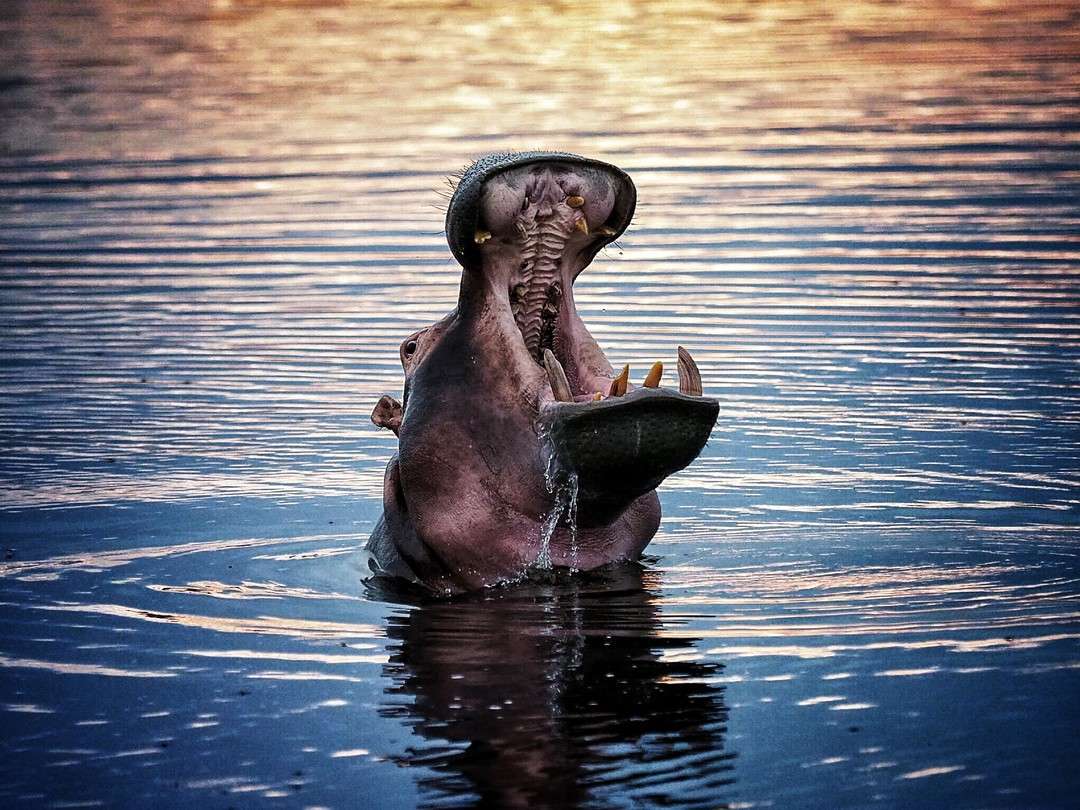
The boat cruise’s close proximity to resting pods offers genuinely excellent photographic opportunities, particularly for behavioural shots of yawning displays used to signal dominance between rival bulls. A mid-range zoom covers most sightings comfortably, similar to the gear recommended in our camera gear guide.
What to Pack for a Queen Elizabeth Safari
Standard game drive gear – neutral clothing, sun protection, and binoculars – covers most of what the park requires, and a light layer is worth having for the boat cruise given the breeze across open water. If your wider itinerary includes gorilla trekking, our gorilla trekking packing list covers that portion separately.
Combining Hippo Viewing With a Wider Uganda Circuit
Queen Elizabeth is commonly combined with Kibale’s chimp trekking or gorilla trekking further southwest, giving travelers genuine variety across savannah wildlife, water-based game viewing, and forest primates within a single well-planned Uganda itinerary.
Getting to Queen Elizabeth National Park
Queen Elizabeth sits within a comfortable drive of western Uganda’s main tourism circuit, commonly reached en route between Kibale Forest and Bwindi Impenetrable National Park, making it a natural inclusion on longer itineraries combining multiple parks and primate destinations.
Comparing Kazinga Channel Hippo to Murchison Falls
While Murchison Falls also offers a strong Nile boat cruise with significant hippo numbers, the Kazinga Channel’s particularly narrow width and exceptional density give Queen Elizabeth’s sightings a genuinely more concentrated, close-range character worth including on a wider Uganda itinerary covering both parks.
Hippo Social Structure and Territorial Behaviour
Dominant bulls control access to the choicest resting stretches of the Kazinga Channel, defending these territories through open-mouth yawning displays, loud vocalisations, and occasionally genuine physical confrontation with rival males challenging for control. Females and young typically cluster in the safer, more central sections of a pod’s territory, using the collective presence for protection against crocodile and, on land, against lion.
How Hippo Regulate Body Temperature in the Channel
Hippo skin lacks the protective covering most other large mammals rely on, making them genuinely vulnerable to sun damage and dehydration if kept out of water for extended periods, which is precisely why they spend the vast majority of daylight hours submerged in the Kazinga Channel’s cooling water. Their skin also secretes a natural reddish substance sometimes called “blood sweat,” which functions as both sunscreen and an antimicrobial barrier, a genuinely unusual physiological adaptation among large mammals.
Calves and Early Life in the Channel
Hippo calves are born either on land or in shallow water and can swim almost immediately, staying close to their mothers within the safety of the pod for genuine protection against crocodile, which represent one of the few real threats to young hippo within the channel’s otherwise relatively secure waters. Mothers are notably protective, and guides maintain particular caution around boats when calves are visibly present in a pod.
Nile Crocodile Alongside the Channel’s Hippo
The Kazinga Channel also supports a genuinely significant Nile crocodile population, often seen basking on the banks between hippo pods or gliding through the same water, adding another compelling wildlife element to the standard boat cruise route. While crocodile and hippo generally coexist without major direct conflict, both species’ presence together makes for a genuinely dynamic, varied cruise experience beyond hippo alone.
Why Guides Recommend the Boat Cruise as a Priority Activity
Experienced Queen Elizabeth guides consistently rank the Kazinga Channel boat cruise among the park’s must-do activities, not simply for the hippo density itself but for the genuinely efficient way it combines multiple wildlife categories, mammals, reptiles, and birds, within a single relaxed, two-to-three-hour outing. This efficiency makes it a genuinely strong addition even to shorter Queen Elizabeth visits with limited time for extensive game drives.
Best Time of Day for the Boat Cruise
Morning and late afternoon cruises generally offer the most active viewing, as pods and elephant herds coming to drink are genuinely more visible during these cooler periods than during the intense midday heat, when both wildlife and visitors alike tend to seek shade and stillness rather than active movement along the banks.
Conservation Status of Uganda’s Hippo Population
Uganda’s hippo population, including the Kazinga Channel’s dense concentration, has recovered considerably since the poaching and civil conflict pressures of past decades, and today’s genuinely healthy numbers reflect sustained protection efforts across the country’s major national parks. This recovery is part of why Queen Elizabeth’s hippo sightings feel so consistently reliable compared to more variable populations found in less protected regions of East Africa.
Frequently Asked Questions
Why does the Kazinga Channel have so many hippo?
Its consistent, year-round deep water, fed by two connected lakes, provides exactly the permanent habitat hippo depend on, supporting one of Africa’s densest populations.
Is the boat cruise the best way to see hippo here?
Yes, genuinely so – hippo rest submerged during the day, making a boat cruise far more reliable than a standard land-based game drive.
Are hippo dangerous to encounter?
Yes, genuinely so – they’re responsible for more human fatalities than almost any other large African mammal, particularly on land near water.
What’s the best time of year to see hippo on the Kazinga Channel?
Year-round given the channel’s consistent water level, making seasonal timing genuinely less critical than elsewhere in the park.
Can I see other wildlife on the same boat cruise?
Yes, the cruise also passes significant Nile crocodile, buffalo, and elephant activity, alongside a genuinely impressive range of waterbirds.
Ready to Plan Your Queen Elizabeth Safari?
Whether the Kazinga Channel’s famous hippo population, the park’s tree-climbing lions, or a full Uganda itinerary is your priority, our team can build a trip matched to your interests. Get in touch with our team below today and let’s start planning your complete Uganda safari itinerary together.

No comment