
Eland, Africa’s largest antelope species, roam Lake Mburo National Park’s open grassland in genuinely impressive numbers, standing considerably taller than the impala and zebra sharing the same terrain, and offering visitors a real, genuine sense of scale rarely appreciated until you actually see one up close.
Why Eland Are Genuinely Remarkable
Adult eland bulls can weigh well over 900 kilograms, making them the largest antelope species on the continent, and their sheer bulk combined with a genuinely calm, almost cattle-like demeanor gives sightings a distinctly different character from more skittish antelope species. Despite their size, eland are surprisingly capable jumpers, able to clear fences and obstacles that would seem genuinely impossible for an animal of their considerable mass.
Where to Find Eland in Lake Mburo
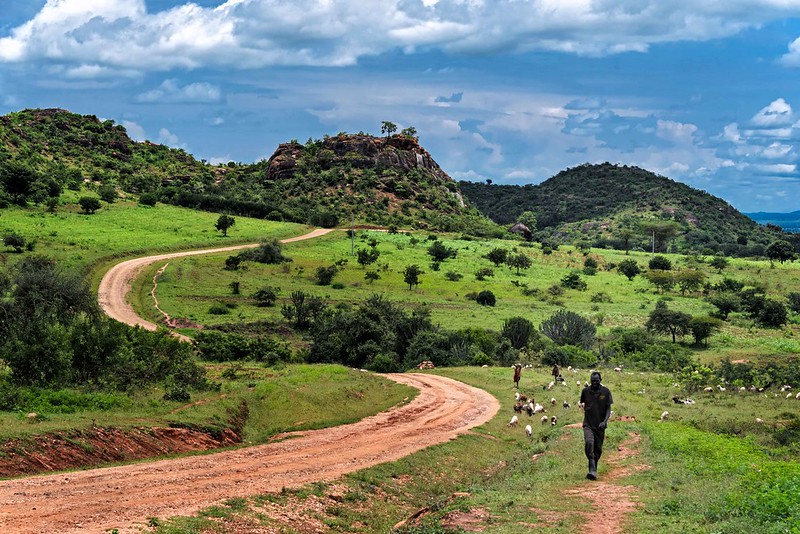
Eland favour Lake Mburo’s open grassland areas, often grazing alongside zebra and impala in shared mixed-species herds, a pattern common among African grazers that benefits from the collective vigilance against predators. The park’s rolling hills and acacia woodland provide exactly the open terrain and grazing eland depend on, making sightings here genuinely reliable throughout the year.
Eland Behaviour and Social Structure
Eland form loose herds that can number in the dozens, with individuals moving relatively freely between groups rather than maintaining the rigid social structure seen in some other antelope species. This flexible grouping behaviour, combined with their genuine wariness despite their size, means eland herds in Lake Mburo often keep a more cautious distance from vehicles than the park’s more habituated zebra population.
Lake Mburo’s Unique Zebra-Eland Ecosystem
Lake Mburo holds Uganda’s only population of plains zebra, and eland share this same distinctive habitat niche, both species benefiting from the park’s open grassland in a way that’s genuinely rare within Uganda’s more forested and wetland-dominated national parks. See our Lake Mburo zebra guide for more on this unique ecosystem.
Why Lake Mburo Suits Eland So Well
Unlike Uganda’s larger parks, where elephant and buffalo can dominate available grazing, Lake Mburo’s absence of elephant and reduced buffalo pressure leaves genuinely abundant grassland for eland and the park’s other antelope species. This ecological niche is part of why Lake Mburo, despite its small size, supports such a genuinely healthy eland population relative to the park’s overall area.
Best Time of Year for Eland Sightings
Eland are visible in Lake Mburo year-round given their resident status, and the park’s relatively small size means seasonal variation matters less here than in Uganda’s larger, more dispersed parks. That said, the dry seasons, roughly June to August and December to February, still offer somewhat easier visibility as vegetation thins across the grassland.
Activities Unique to Lake Mburo for Eland Viewing
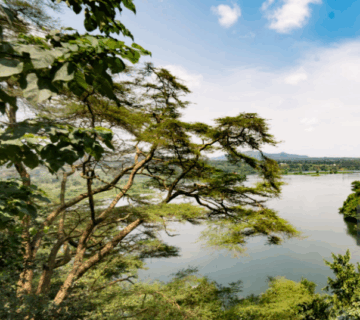
Lake Mburo permits activities not available in Uganda’s larger parks given the absence of lion and reduced elephant presence, including guided walking safaris and mountain biking through eland and zebra territory, genuinely unique ways to appreciate the sheer scale of these animals up close. Boat cruises on Lake Mburo itself add a different perspective, with eland occasionally visible grazing along the shoreline.
Self-Drive vs Guided Safaris in Lake Mburo
Lake Mburo’s compact size and good road network make self-driving genuinely feasible here compared to Uganda’s larger, more remote parks, though a guided safari still adds real value for spotting and identifying eland among the park’s other antelope species. Most visitors combine a guided game drive with the park’s unique walking safari or boat cruise options.
Photographing Lake Mburo’s Eland
Eland’s sheer size makes them a genuinely striking photographic subject, particularly when captured alongside smaller antelope species for scale, or against the park’s rolling grassland at sunrise or sunset. A mid-range zoom covers most sightings comfortably, though eland’s greater wariness compared to zebra means a longer lens sometimes helps, similar to the gear recommended in our camera gear guide.
What to Pack for a Lake Mburo Safari
Standard game drive gear – neutral clothing, sun protection, and binoculars – covers most of what the park requires, and comfortable walking shoes are worth packing given the park’s unique walking safari option. If your wider itinerary includes gorilla trekking, our gorilla trekking packing list covers that portion separately.
Combining Eland Viewing With Gorilla Trekking
Given its position en route to Bwindi, Lake Mburo pairs naturally with gorilla trekking, letting travelers break up the long drive south with a genuinely worthwhile wildlife stop rather than treating the journey as pure transit time. This combination has become one of the more popular ways to add extra value to a standard gorilla trekking itinerary.
Getting to Lake Mburo National Park
Lake Mburo sits conveniently along the main road between Kampala and Bwindi Impenetrable National Park, roughly three to four hours from the capital, making it a natural stopover for travelers heading toward gorilla trekking rather than a dedicated separate trip. This positioning is part of why Lake Mburo features in so many longer Uganda itineraries.
Eland’s Role in Lake Mburo’s Ecosystem
As one of the park’s largest grazing herbivores, eland play a significant role in shaping Lake Mburo’s grassland alongside zebra and impala, their combined grazing pressure influencing vegetation patterns across the park’s rolling terrain. This shared grazing pattern among genuinely different-sized species is part of what gives Lake Mburo’s grassland its particular ecological character compared to Uganda’s other national parks.
Eland Conservation Status
Eland populations across Africa have faced genuine pressure from habitat loss and hunting in some regions, though Lake Mburo’s protected status has helped maintain a healthy, stable population within the park’s boundaries. This conservation success reflects the broader protection Uganda’s national park system has provided for its resident wildlife since the recovery period following the political instability of the 1970s and 80s, a pattern seen across the country’s protected areas.
Eland Compared to Lake Mburo’s Other Antelope Species
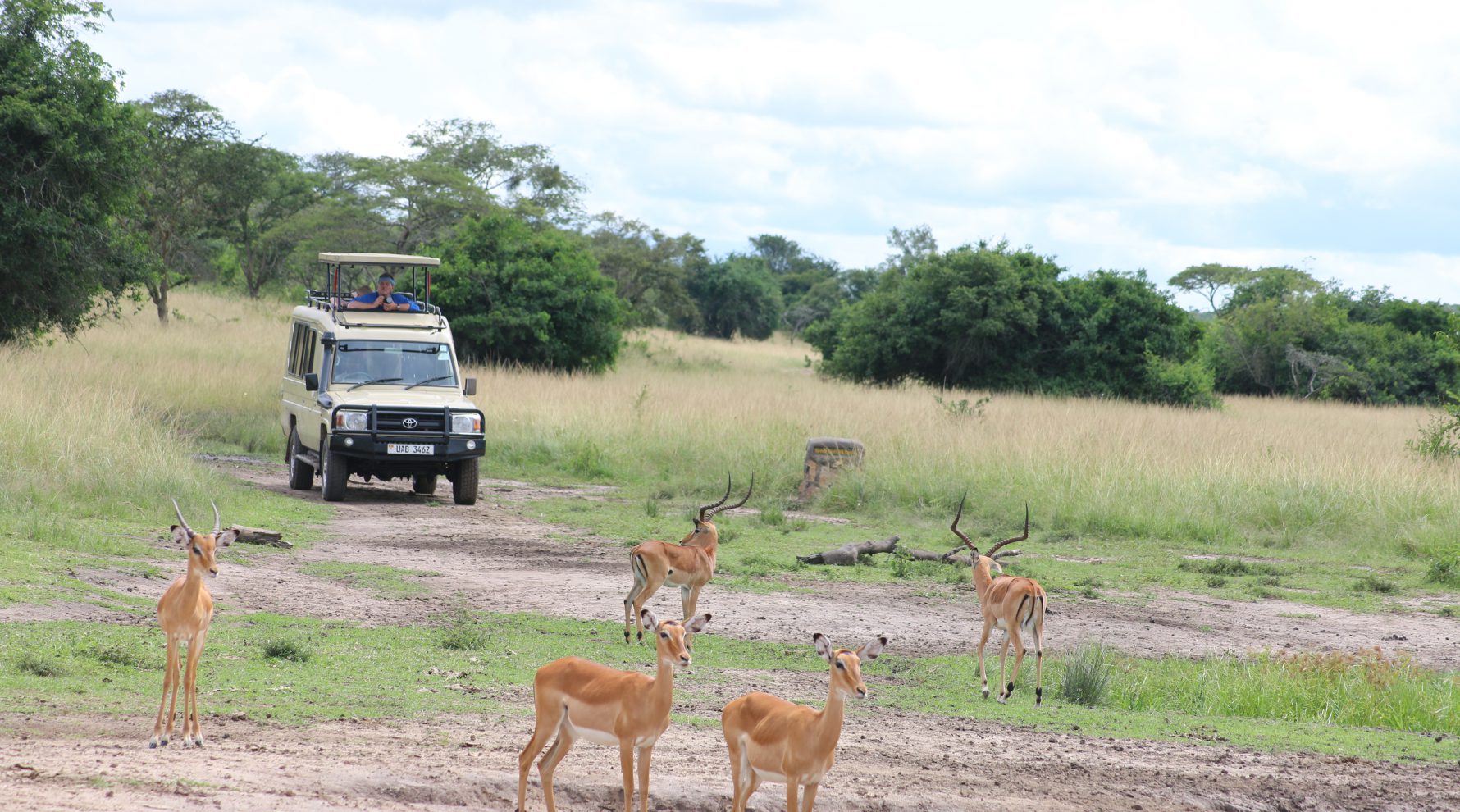
Beyond eland, Lake Mburo holds healthy populations of impala, a considerably smaller, more agile antelope species that often shares grazing territory with eland herds, along with various other smaller antelope species scattered across the park’s varied terrain. Comparing eland’s genuine bulk against impala’s smaller, more delicate frame offers visitors real insight into the sheer range of antelope diversity present within such a compact park, similar to the diversity covered in our Big Five guide.
Community Conservation Around Lake Mburo
Communities bordering Lake Mburo increasingly participate in conservation and tourism revenue-sharing programmes, similar to models used around Uganda’s larger parks, helping reduce human-wildlife conflict along the park’s boundaries. This community engagement has been part of what’s allowed Lake Mburo’s eland and other antelope populations to remain stable despite the park’s relatively small protected area.
Birdwatching Alongside Eland Sightings
Beyond eland and its other mammals, Lake Mburo holds a genuinely impressive bird list for its size, including species associated with both its savannah grassland and the lake itself, making it a worthwhile stop for birders travelling through en route to gorilla trekking. The lake’s papyrus-lined shores in particular support species less commonly seen in Uganda’s other national parks.
Combining Eland Viewing With a Wider Uganda Circuit
Beyond its role as a stopover en route to Bwindi, Lake Mburo also works as part of a longer circuit including Murchison Falls or Kibale’s chimp trekking, giving travelers a genuinely varied Uganda experience spanning eland and zebra, Big Five wildlife, and forest primates within a single well-planned trip.
Frequently Asked Questions
Are eland the largest antelope in Africa?
Yes, adult eland bulls can weigh well over 900 kilograms, making them genuinely the largest antelope species found anywhere on the continent.
Is Lake Mburo the best place to see eland in Uganda?
It’s one of the more reliable destinations, given the park’s open grassland habitat and the absence of larger competing herbivores like elephant.
Can I walk near eland safely at Lake Mburo?
Yes, guided walking safaris are a signature Lake Mburo activity, made possible by the absence of lion and reduced elephant presence in the park.
Do eland form herds with other species?
Yes, eland often graze alongside zebra and impala in shared mixed-species herds, a common pattern among African grazers benefiting from collective vigilance against predators and other threats.
Is Lake Mburo worth visiting on the way to gorilla trekking?
Genuinely yes – its position directly on the route to Bwindi makes it an efficient, worthwhile stop rather than a detour, adding real wildlife value.
Does Lake Mburo have lion or elephant alongside eland?
No, the park notably lacks both, giving it a more relaxed game-viewing character and permitting walking safaris unavailable in Uganda’s larger Big Five parks.
Can I see rhino near Lake Mburo?
Not within the park itself, but Ziwa Rhino Sanctuary lies further along a typical Uganda circuit for travelers wanting to complete the full checklist.
Ready to Plan Your Lake Mburo Safari?
Whether Africa’s largest antelope, Uganda’s only zebra population, or a stop en route to gorilla trekking is your priority, our team can build an itinerary matched to your interests. Get in touch with our team below today and let’s start planning your complete Uganda safari itinerary together.

No comment