
The Serengeti is best known for the wildebeest migration, but its elephant population, spread across an ecosystem covering nearly 15,000 square kilometres, is a genuine highlight in its own right – large, well-protected herds moving across some of the most iconic savannah landscape in Africa, often overlooked by first-time visitors focused purely on the migration itself.
Where to Find Elephants in the Serengeti
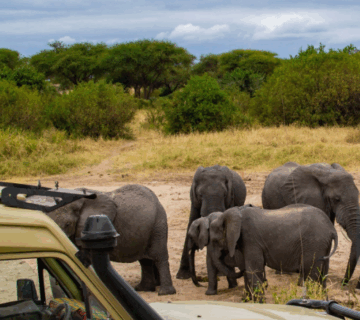
Elephants range across most of the Serengeti’s varied terrain, though the central Seronera Valley and the wooded areas bordering the park’s rivers tend to produce the most consistent sightings, since elephants favour the tree cover and water access these areas provide. Herds are less tied to the same rigid seasonal movement as the migratory wildebeest, giving elephant sightings a somewhat more predictable, year-round character.
Serengeti’s Elephant Population and Conservation History
Like much of Tanzania, the Serengeti’s elephants suffered severe poaching losses during the 1970s and 80s, before a combination of Tanzania’s ivory trade ban, intensified ranger patrols, and international conservation funding helped the population recover substantially in subsequent decades. Today the Serengeti holds one of East Africa’s most significant elephant populations, a genuine conservation recovery story on the same scale as Kenya’s Tsavo.
Elephant Herd Behaviour in an Open Ecosystem
Unlike more confined parks, the Serengeti’s sheer scale gives elephant herds room to range widely, and family groups here often cover considerably more ground day to day than herds in smaller, more contained parks. This can make elephants feel slightly less predictable to locate than in a compact destination like Amboseli, but rewards patient visitors with a genuinely wild, unconfined sense of scale rarely matched anywhere else on the continent.
Elephants and the Wildebeest Migration
While elephants don’t migrate seasonally in the same dramatic fashion as wildebeest and zebra, their presence alongside the migration’s vast herds adds real depth to game drives during peak migration season, roughly July through October. Watching an elephant family navigate through or alongside a moving wildebeest column is a genuinely striking sight, and one of the less-discussed pleasures of a Serengeti safari timed specifically around the migration’s peak months.
How the Serengeti Compares to Other Elephant Destinations
Kenya’s Amboseli and Tsavo both offer more concentrated, easier-to-locate elephant viewing given their smaller size or more reliable water sources, while the Serengeti trades some of that predictability for sheer scale and the added drama of the wider migration ecosystem surrounding every sighting.
Best Time of Year for Elephant Sightings
Elephants are visible in the Serengeti year-round, since they’re resident rather than migratory, though the dry season, roughly June to October, generally offers easier visibility as vegetation thins across the park. This dry season window also overlaps with the migration’s dramatic river crossings, making it the most popular time to visit for travelers wanting both experiences on the same trip.
Combining Serengeti Elephants With Ngorongoro Crater
Most Tanzania itineraries pair the Serengeti with Ngorongoro Crater, where elephant bulls with genuinely impressive tusks are a regular sight on the crater floor alongside the rest of the Big Five in a single, contained day. This pairing gives travelers both the Serengeti’s vast, open-plains elephant experience and Ngorongoro’s more concentrated, efficient version in one trip.
Self-Drive vs Guided Safaris for Elephant Viewing
Given the Serengeti’s sheer size, a guided safari makes a genuine difference to how efficiently you locate elephant herds and the rest of the park’s wildlife within a limited visit, since local knowledge of current herd movement across such a vast landscape is difficult to replicate independently. Most visitors book the Serengeti as part of a fully guided Northern Circuit itinerary rather than attempting to navigate it alone.
Photographing Serengeti Elephants
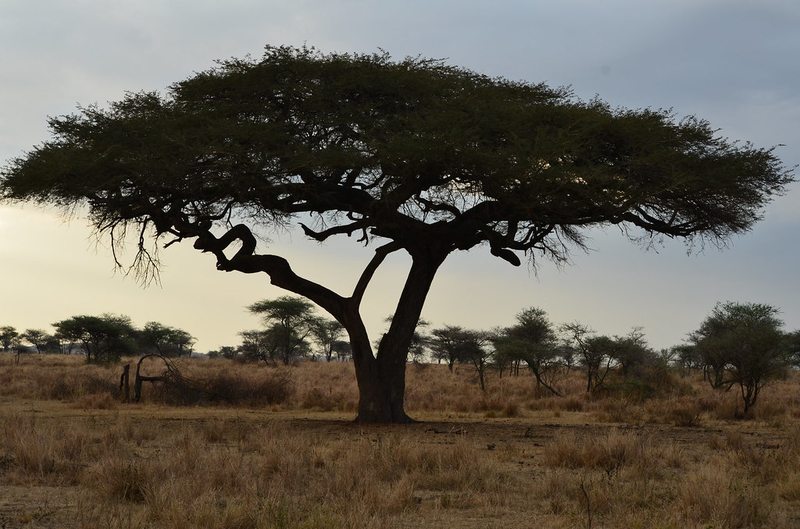
The Serengeti’s open, golden grassland provides a genuinely classic safari backdrop for elephant photography, particularly during the soft light of early morning or late afternoon game drives. A mid-range zoom covers most sightings comfortably, while a wider-angle lens is worth having on hand for capturing herds against the park’s dramatic, expansive scenery.
What to Pack for a Serengeti Safari
Standard game drive gear – neutral clothing, sun protection, and binoculars – covers most of what the Serengeti requires, along with a warm layer for surprisingly cool early morning drives before the equatorial sun fully rises. If your wider East Africa itinerary includes gorilla trekking elsewhere, our gorilla trekking packing list covers that portion separately, since Tanzania itself has no gorilla population.
Elephant Bulls and Big Tuskers
The Serengeti still holds a small number of genuinely impressive big-tusked bulls, though not in the same concentration as Kenya’s Amboseli, given decades of poaching pressure that historically targeted the largest-tusked individuals across the wider region. Spotting one of these older bulls remains a genuine highlight for experienced guides and repeat visitors who know which specific areas of the park these animals tend to favour, and who can often recognise particular individuals by tusk shape and size alone.
Human-Elephant Conflict on the Serengeti’s Margins
As with most large African parks, human-elephant conflict remains a genuine issue along the Serengeti’s boundaries, where expanding agricultural land increasingly presses against traditional elephant corridors linking the park to surrounding conservation areas like Ngorongoro. Conservation organisations working in the region continue to develop community-based mitigation strategies, recognising that long-term elephant protection depends as much on managing this boundary tension as on anti-poaching enforcement within the park itself.
Elephant Research in the Serengeti Ecosystem
The Serengeti has hosted decades of ecological research, and while much of this attention historically focused on the migration and its predators, elephant-specific studies have added meaningfully to understanding of how such a large, wide-ranging population uses an ecosystem of this scale. This research helps inform conservation management not just within the Serengeti itself but across the wider protected area network linking it to Ngorongoro and Kenya’s Masai Mara.
Combining Serengeti Elephants With a Balloon Safari
Hot air balloon safaris, launched at dawn from several camps within the Serengeti, offer a genuinely different perspective on the park’s elephant herds and wider landscape, drifting silently above the plains as the sun rises. While not guaranteed to pass directly over elephants, the aerial view of the ecosystem’s scale, herds included, is widely rated among visitors as one of the most memorable single experiences of an entire Tanzania safari.
Frequently Asked Questions
Are elephants harder to find in the Serengeti than smaller parks?
Somewhat, given the park’s sheer scale, though a guided safari with local knowledge of current herd movement largely offsets this compared to more compact, easier-to-cover destinations.
Can I see elephants and the migration on the same drive?
Yes, particularly during peak migration season when elephant herds and moving wildebeest columns frequently overlap across the same central and western Serengeti terrain.
How does the Serengeti compare to Uganda for a Big Five elephant safari?
Both offer strong elephant viewing, though Uganda’s parks add the unique option of combining elephant sightings with mountain gorilla trekking, something Tanzania cannot offer.
What’s the best base for elephant viewing in the Serengeti?
The central Seronera Valley offers the most reliable year-round elephant sightings alongside strong predator activity, making it a popular base regardless of when you visit or whether the migration is passing through that specific region.
Can I see rhino alongside elephants in the Serengeti?
Rhino sightings in the Serengeti itself are rare given a much smaller population than nearby Ngorongoro Crater holds, which is why most Big Five itineraries rely on the crater specifically to complete that part of the checklist, alongside Kenya’s own strongholds like Lake Nakuru.
Is a hot air balloon safari worth the extra cost?
For most travelers, yes – it offers a genuinely unique perspective on the ecosystem’s scale that no ground-based game drive can replicate, even if it doesn’t guarantee close-up elephant sightings from the air itself.
Seronera Valley: The Serengeti’s Elephant Heartland
The Seronera Valley sits at the geographic centre of the Serengeti ecosystem, and its permanent water sources and riverine woodland make it one of the few areas where elephant sightings remain reliably strong regardless of season or where the migration currently happens to be. Most Serengeti lodges and camps position themselves with reasonably easy access to this central region for exactly this reason, ensuring guests have strong wildlife-viewing odds even outside peak migration timing.
Comparing Serengeti and Masai Mara Elephant Herds
Since the Serengeti and Masai Mara form a single contiguous ecosystem across the Kenya-Tanzania border, elephant populations move relatively freely between the two, and sightings on either side offer a broadly similar experience in terms of herd size and behaviour. The main practical difference for travelers comes down to which side offers better access to your other planned parks and activities, rather than any meaningful difference in elephant viewing quality itself.
Ready to Plan Your Serengeti Safari?
Whether Serengeti elephants, the wildebeest migration, or a full Big Five Northern Circuit itinerary is your priority, our team can build a Tanzania trip matched to your time, budget, and interests. Get in touch with our team below today and let’s start planning your safari together.

No comment